


Bump helmets and ballistic helmets serve different head-protection requirements. Bump helmets focus on protection from blunt impacts, while ballistic helmets add protection against specified ballistic threats through specialized shell construction and testing. Both helmet types can support accessories such as night vision mounts, side rails, communication equipment, and retention systems, which makes their external appearance similar.
The main differences appear in the shell materials, protective performance, weight, cost, and intended operating environment. Understanding these differences helps users select a helmet according to the hazards they actually face.
What Is a Bump Helmet?
A bump helmet is a protective helmet designed primarily to manage blunt impacts and head strikes. Its shell, padding, and retention system work together to reduce the effects of impacts that can occur during movement, training, climbing, rescue work, vehicle operations, and other activities.
Bump helmets commonly use lightweight polymer or other impact-resistant materials for the outer shell. The interior typically combines padding with a suspension or retention system to keep the helmet positioned securely on the head.
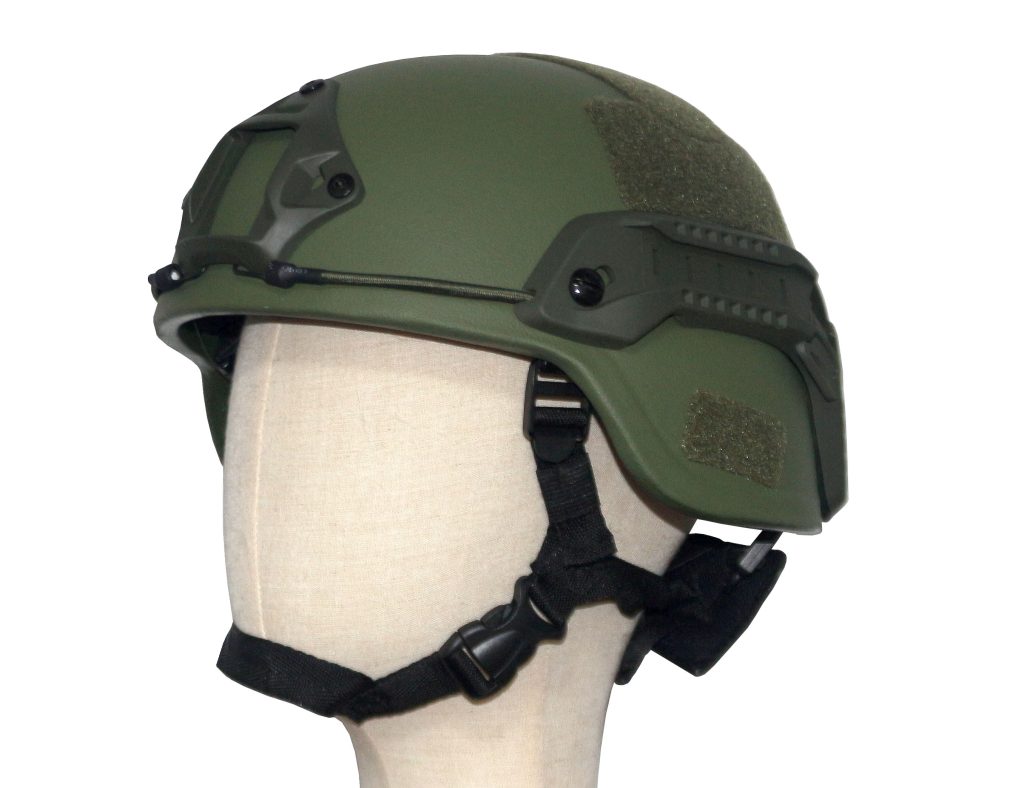
The lightweight construction makes bump helmets particularly useful for activities that involve long periods of wear. Users can also configure many models with helmet rails, NVG shrouds, lights, cameras, hearing protection, and communication systems.
The exact protection offered by a bump helmet depends on its design and the testing standard specified by the manufacturer. Different products can target different impact hazards, so buyers should review the technical documentation for the specific model.
How Does a Bump Helmet Protect the Head?
Bump helmet protection comes from the interaction between the outer shell and internal impact-management system.
The shell distributes impact forces across a larger area, while the padding and suspension system help manage energy transferred toward the head. Proper fit also keeps the helmet correctly positioned during movement.
Typical applications include:
- Search and rescue operations
- Climbing and technical activities
- Training and simulation
- Vehicle operations
- Industrial environments
- Low-risk tactical activities
Bump helmets work particularly well when the primary head hazards involve collisions, falling objects, or contact with surrounding structures.
What Is a Ballistic Helmet?
A ballistic helmet is a protective helmet engineered to provide ballistic protection against specified projectile threats while also providing head-impact protection.
Ballistic helmets use specialized materials and layered construction to manage the energy generated by high-velocity projectiles. Common material families include aramid fibers and ultra-high-molecular-weight polyethylene (UHMWPE), with different manufacturers using different composite structures and manufacturing processes.
The National Institute of Justice identifies NIJ Standard 0106.01 as the standard for ballistic helmets. The standard establishes performance requirements and test methods for helmets intended to protect against gunfire, including ballistic penetration and ballistic impact attenuation testing.
Ballistic performance depends on the tested threat, projectile characteristics, impact velocity, helmet construction, and test conditions. NIJ specifically notes that bullet performance varies with factors such as composition, shape, caliber, mass, and impact velocity.
How Does a Ballistic Helmet Provide Protection?
A ballistic helmet uses its shell structure to manage projectile impact and penetration.
During ballistic testing, the helmet is evaluated against specified ammunition and test conditions. NIJ Standard 0106.01 includes ballistic penetration and impact attenuation requirements as part of its evaluation methodology.
This makes testing documentation an important part of ballistic helmet selection. A product’s protection claims should correspond to a specific helmet model, test protocol, tested threat, and documented result.
Ballistic helmets can also incorporate padding and retention systems that improve fit and stability. High-cut designs provide additional space around the ears for communication equipment, while different shell profiles provide different coverage and equipment configurations.
Bump Helmet vs Ballistic Helmet: What Are the Key Differences?
The biggest difference comes from the type of threat each helmet addresses.
| Feature | Bump Helmet | Ballistic Helmet |
|---|---|---|
| Primary protection | Blunt-impact protection | Ballistic and impact protection |
| Shell materials | Impact-resistant polymers and similar materials | Ballistic composites such as aramid or UHMWPE |
| Ballistic performance | Impact-focused design | Tested against specified ballistic threats |
| Weight | Generally lighter | Generally heavier |
| Cost | Generally lower | Generally higher |
| Mobility | High | High, with additional protective mass |
| Accessory compatibility | Rails, shrouds, communications and other accessories | Rails, shrouds, communications and other accessories |
| Typical applications | Training, rescue, climbing, vehicle operations | Military, law enforcement and security environments |
The difference in construction explains many of the practical differences between the two categories. Ballistic materials and protective layers add mass and manufacturing complexity. Bump helmets prioritize lightweight impact protection and equipment integration.
What Materials Are Used in Bump and Ballistic Helmets?
Material selection has a major influence on helmet performance, weight, durability, and cost.
Bump Helmet Materials
Bump helmets commonly use engineered polymers and other impact-resistant materials. These materials provide a balance between impact management, durability, weight, and manufacturing efficiency.
The interior uses foam padding, suspension components, or a combination of both. These components improve comfort and help maintain a stable fit during movement.
Ballistic Helmet Materials
Ballistic helmets commonly use aramid fibers, UHMWPE, or composite structures.
Aramid materials provide high strength with relatively low weight and have a long history in ballistic protection. UHMWPE offers a high strength-to-weight ratio and is widely used in lightweight ballistic armor applications.
Manufacturers can combine multiple material layers or use proprietary composite constructions to achieve the required ballistic performance.
The exact material composition matters less than the verified performance of the finished helmet. Buyers should evaluate the complete helmet design and its testing documentation rather than judging protection from a material name alone.
How Do Weight and Comfort Compare?
Weight represents one of the most noticeable differences between bump and ballistic helmets.
Bump helmets generally use lighter shell materials and simpler protective structures. This makes them suitable for activities involving extended wear, frequent movement, climbing, or equipment-heavy configurations.
Ballistic helmets carry additional protective material and therefore generally weigh more. The final weight depends on the helmet size, shell construction, cut, padding, retention system, rails, NVG shroud, and mounted accessories.
Helmet weight affects:
- Neck fatigue
- Head movement
- Long-duration comfort
- Overall equipment load
- Helmet stability
- Accessory balance
Fit also has a major influence on comfort. A properly adjusted retention system keeps the helmet stable while distributing pressure across the head.
For long-duration operations, the relationship between protection, weight, and equipment load becomes especially important. A lighter configuration can improve mobility and endurance, while additional ballistic protection provides greater value when the operating environment requires it.
What Are Bump Helmets Used For?
Bump helmets are commonly selected for environments where impact protection represents the primary head-protection requirement.
Search and Rescue
Rescue personnel can encounter debris, confined spaces, structural obstacles, and frequent movement. A lightweight helmet can provide useful impact protection while supporting communication and lighting equipment.
Training
Training environments can involve repeated movement, vehicle operations, climbing, and contact with equipment or structures. Bump helmets provide a practical head-protection platform for these activities.
Climbing and Technical Operations
Climbing and technical work can involve contact with rock, equipment, structures, and falling objects. Low helmet weight can also support mobility during extended operations.
Vehicle Operations
Vehicle interiors create potential head-impact hazards during movement. A lightweight helmet can provide protection while leaving room for communications and other equipment.
What Are Ballistic Helmets Used For?
Ballistic helmets are designed for environments where projectile or fragmentation threats form part of the operational risk.
Military personnel, law-enforcement teams, and specialized security personnel may require ballistic head protection depending on their mission and threat assessment.
The appropriate helmet depends on the specific threat profile. Buyers should identify the expected projectile type, required protection level, coverage, operating environment, and equipment configuration before selecting a model.
Ballistic helmet testing provides the technical basis for comparing protection claims. NIJ Standard 0106.01 remains an active NIJ standard for ballistic helmets and is currently listed as under revision.
Bump Helmet vs Ballistic Helmet: Which One Should You Choose?
A bump helmet suits applications centered on impact protection, lightweight equipment, mobility, and long-duration wear. Search and rescue, training, climbing, vehicle operations, and similar activities commonly benefit from this configuration.
A ballistic helmet suits environments where documented ballistic protection forms part of the operational requirement. Military, law-enforcement, and security applications can require this additional level of protection according to their specific threat assessments.
The best selection comes from matching the helmet’s tested performance with the actual hazards, then balancing protection, weight, coverage, fit, comfort, and equipment compatibility.
FAQ
What is the main difference between a bump helmet and a ballistic helmet?
A bump helmet focuses on blunt-impact protection. A ballistic helmet combines impact protection with tested resistance to specified ballistic threats.
Are bump helmets bullet resistant?
Bump helmets focus on impact protection. Ballistic resistance requires a helmet specifically designed and tested for ballistic threats.
Are ballistic helmets heavier than bump helmets?
Ballistic helmets generally weigh more because their shells use additional protective materials and composite structures. Actual weight varies by model, size, cut, and equipment configuration.
What materials are used in ballistic helmets?
Common ballistic helmet materials include aramid fibers, UHMWPE, and composite constructions. Manufacturers use different material combinations to achieve specific performance and weight targets.
How do I choose between a bump helmet and a ballistic helmet?
Start with the expected hazards. Impact-focused environments generally favor bump helmets, while environments requiring documented ballistic protection call for ballistic helmets. Then compare testing, coverage, weight, fit, retention, and accessory compatibility.