

Choosing the right helmet material affects protection level, weight, comfort, durability, and overall field performance. Comparing aramid and UHMWPE bulletproof helmets is important for military, law enforcement, security, and procurement buyers evaluating modern ballistic head protection. This article explains their differences in ballistic performance, heat resistance, weight, durability, and cost to help buyers select the most suitable helmet for specific operational requirements.
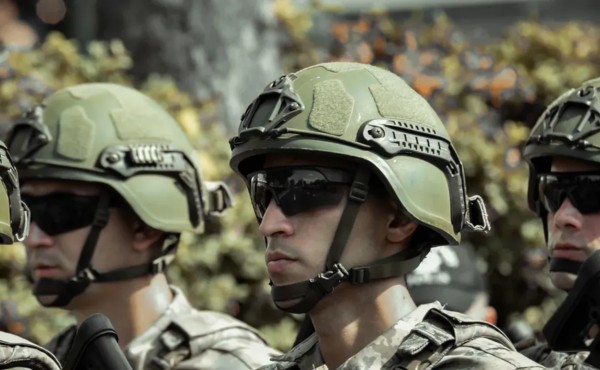
Weight and Mobility: UHMW PE vs. Aramid
Modern tactical combat operations demand lightweight equipment to prevent physical fatigue during long patrols. Weight reduction directly lowers spinal load and neck strain for operators wearing tactical gear. Comparing UHMWPE vs. aramid shows clear differences in overall mass and ergonomics.
Low-Density Polymers and Wearer Fatigue
Ultra-high-molecular-weight polyethylene features flexible polymer chains and extremely low material density. This advanced UHMWPE composition allows certain armor panels to float on water while maintaining structural integrity. Engineers leverage its low weight to manufacture modern body armor panels and ballistic helmet shells.
A standard aramid shell delivers reliable structural mass but adds extra head load. In contrast, UHMWPE fibers provide superior strength at a fraction of the total weight. Reduced head mass directly improves operator endurance during critical tactical missions.
High-Velocity Projectile Protection
Ballistic tests show different energy absorption mechanisms between composite material layers. An aramid matrix absorbs impact energy through tensile deformation across woven fiber layers. Modern body armor design incorporates these durable backing materials.
However, uhmw fibers utilize high-tensile energy transfer to catch fast-moving projectiles. This unique pe structure distributes impact forces rapidly across the entire surface area. Consequently, specialized pe armor components halt high-velocity rounds efficiently.
| Armor Parameter | UHMW PE Shell | Aramid Shell |
|---|---|---|
| Material Tensile Limit | High resistance | Moderate resistance |
| Shell Mass | Minimal head weight | Standard head weight |
| Primary Threat Focus | High-velocity rifle and pistol rounds | Fragmentation and handgun rounds |
Comparing overall ballistic performance helps procurement teams evaluate modern head protection systems. A high strength-to-weight ratio gives UHMWPE shells a distinct advantage against sudden projectile impact. Operators gain enhanced survivability from ultra-dense pe fibers.
Additionally, specialized uhmw body armor offers impressive structural endurance. Military researchers test every uhmw material to verify its ballistic limits. These advanced fibers ensure top safety standards in active combat zones.
Choosing between UHMWPE vs. aramid involves analyzing specific ballistic threat levels. A lighter helmet shell enhances head mobility and reduces physical strain. Modern UHMWPE armor designs maximize user safety in extreme environments.
Thermal Tolerance and Environmental Durability
Environmental exposure impacts modern tactical helmet durability. Procurement teams compare UHMWPE vs. aramid performance under extreme operational conditions. Thermal limits and friction resistance dictate overall armor lifespan.
Aramid Thermal and Abrasion Durability
Heat resistance represents a major advantage of aramid fibers. Heat resistant aramid fibers retain structural integrity past 400°C. High density fibers provide heat protection in extreme fire hazards.
Superior physical toughness protects body armor against surface scratches. Woven aramid fibers resist rough physical contact and surface wear. Continuous friction will not degrade external aramid fibers easily.
Aramid fibers absorb moisture over extended field exposure without sealed outer covers. Water absorption slowly reduces overall ballistic strength in uncoated layers. Proper protective coatings help maintain critical material integrity.
UHMWPE Heat Limits and Surface Wear
Lightweight polymer materials face heat constraints during vehicle storage. Polymer thermoplastics soften at temperatures exceeding 130°C. Extreme thermal exposure degrades UHMWPE shell structural stability.
Scratch damage affects external UHMWPE body armor surfaces during field use. Soft UHMWPE fibers suffer abrasion without specialized outer covers. Standard UHMWPE equipment uses sealed UHMWPE coatings for ballistic gear.
Water exposure does not degrade ultra-dense UHMWPE panels or UHMWPE layers. Hydrophobic UHMWPE materials reject liquid absorption, so sealed UHMWPE shells shield internal UHMWPE composites. Consequently, UHMWPE armor maintains full protection after long exposure to saltwater.
Ballistic Protection and Fragmentation Threat Mitigation
Tactical operators face high-velocity shrapnel and explosive fragments on the modern battlefield. Ballistic helmet systems must absorb kinetic energy rapidly to maintain head safety. Evaluating armor materials reveals distinct performance under dynamic threat conditions.
V50 Fragmentation Ratings
Military ballistic testing measures V50 limit velocities using standardized metal fragments. Higher V50 values indicate superior armor stopping power against fast-moving shrapnel. Engineers test every single helmet shell to establish verifiable safety margins.
Ultra-high-molecular-weight pe fiber matrix designs disperse shock waves across dense polymer layers. This lightweight pe shell structure captures tiny, sharp metal splinters efficiently. Modern pe equipment ensures reliable protection during high-risk combat operations.
Woven aramid fibers provide proven performance against high-temperature fragment explosions. Heat-resistant aramid material limits fiber melting near secondary blast threats. Heavy aramid layers maintain structural integrity while catching high-speed military shrapnel.
Backface Deformation and Energy Dispersion
Energy absorption mechanisms determine operator survivability during direct ballistic impacts. Bullet impact causes temporary shell deformation toward the user’s skull. Minimal backface deformation reduces direct blunt force trauma.
- UHMW PE Behavior: Rigid pe laminate layers spread kinetic energy laterally across the shell surface.
- Aramid Behavior: Interlocked aramid fibers stretch to absorb kinetic force through tensile resistance.
- Tactical Shell Result: Both material designs minimize head trauma during heavy threat engagements.
Standard body armor testing records deformation limits across tactical helmets. Specialized uhmwpe plates utilize high-tensile pe chains to halt deep bullet indentation. Tactical units select uhmw armor to limit head displacement during close-range pistol impacts.
Thick aramid fibers absorb violent momentum through layer-by-layer delamination. This classical aramid mechanism spreads severe impact energy away from critical impact points. Consequently, composite body armor layers preserve brain safety under harsh field conditions.
Multi-Hit Structural Resilience
Field engagements frequently involve multiple rapid impacts from incoming automatic gunfire. Bulletproof helmets must survive repeated bullet hits without total structural collapse. Material fatigue resistance defines long-term armor performance under dynamic threat conditions.
- First Impact: The primary outer armor shell layer absorbs initial kinetic force.
- Energy Dispersal: Polymer pe structures route kinetic shock along adjacent fiber paths.
- Subsequent Impacts: Surrounding uhmw composite layers stay intact to resist follow-up bullet strikes.
Dense UHMWPE composites prevent structural cracking around initial bullet impact zones. The flexible pe material structure captures follow-up projectiles across close impact groups. Tactical operators rely on lightweight uhmw body armor for sustained protection during intense firefights.
Aramid body armor shells maintain structural stiffness after multiple direct bullet impacts. Interlocking aramid fibers prevent shell integrity loss across surrounding unhit areas. Military procurement teams trust durable aramid armor for complete ballistic protection.
Structural Integrity and Lifespan of Bulletproof Helmets

Shell Compression Under Field Stress
Heavy field use places constant mechanical stress on bulletproof helmets. Aramid shell structures retain their shape under extreme physical crush loads. Standard aramid fibers provide high compression strength during hard impact events.
In contrast, light UHMWPE composites offer flexible structural support. Specialized pe material layers resist outer crushing forces during dynamic tactical movements. Proper helmet selection guarantees operator safety under severe field pressures.
Material Fatigue and Panel Lifespan
Continuous movement causes material fatigue inside internal body armor layers. Interlocked aramid fibers resist internal cracking from daily physical wear. This structural strength extends total panel armor protection for military forces.
Flexible UHMWPE fibers maintain solid ballistic performance through long tactical missions. The dense pe weave resists internal breakdown during repetitive movement. Modern body armor designs feature sealed pe layers to maximize operational safety.
Long-Term Storage and Shelf Life
Proper armor storage prevents early degradation of critical equipment. Hydrophobic uhmw material resists atmospheric moisture damage during long warehouse storage. Specialized pe panels maintain peak ballistic capabilities for over a decade.
High temperatures in storage areas can slowly degrade aramid body armor panels over time. Moisture exposure weakens raw aramid fibers if outer protective coatings suffer damage. Durable uhmw shells maintain structure better than continuous aramid fibers under long storage.
Lightweight uhmw panels offer high shelf stability in humid conditions. High-density uhmw armor stays effective across diverse environments. Careful equipment selection ensures high body armor quality for critical armor missions.