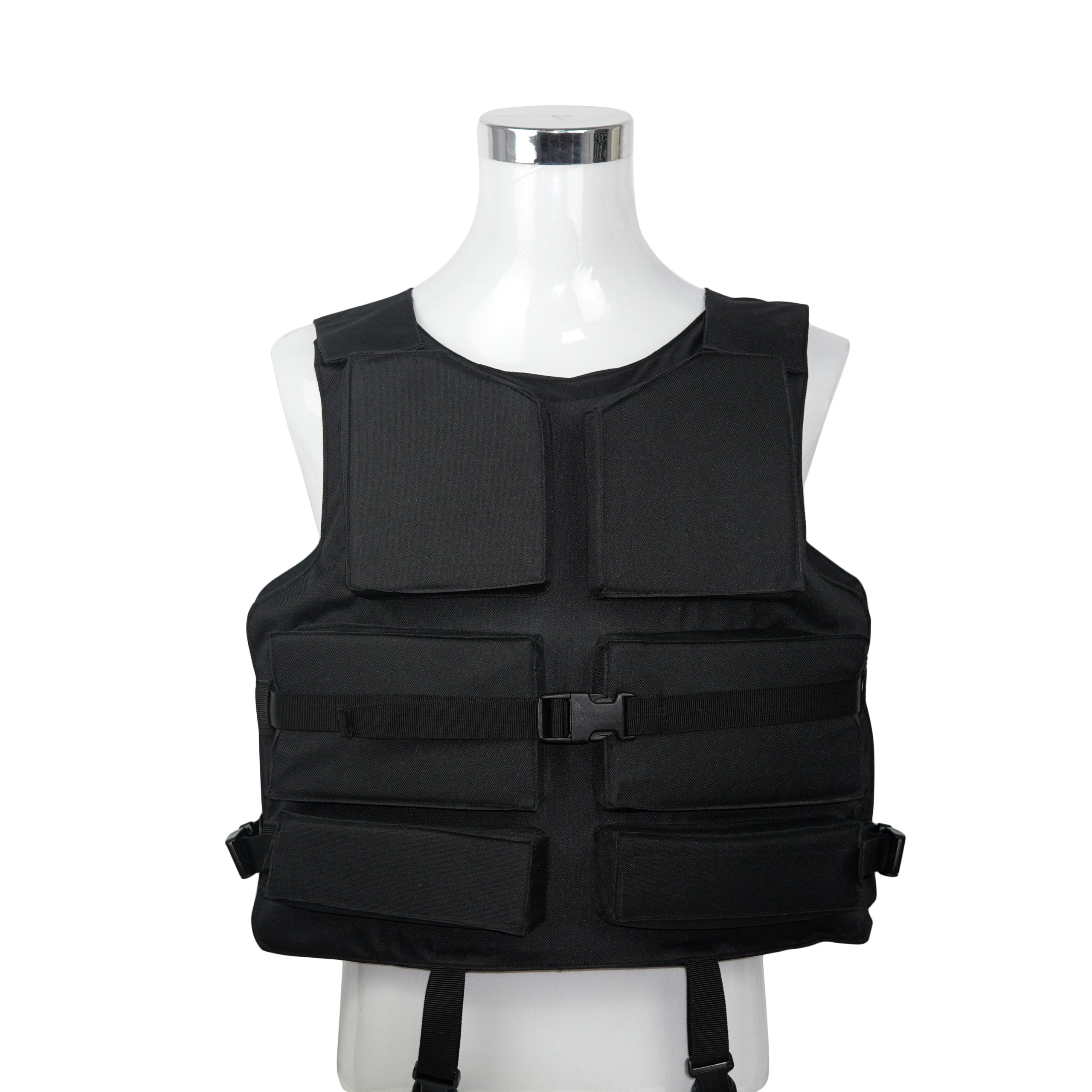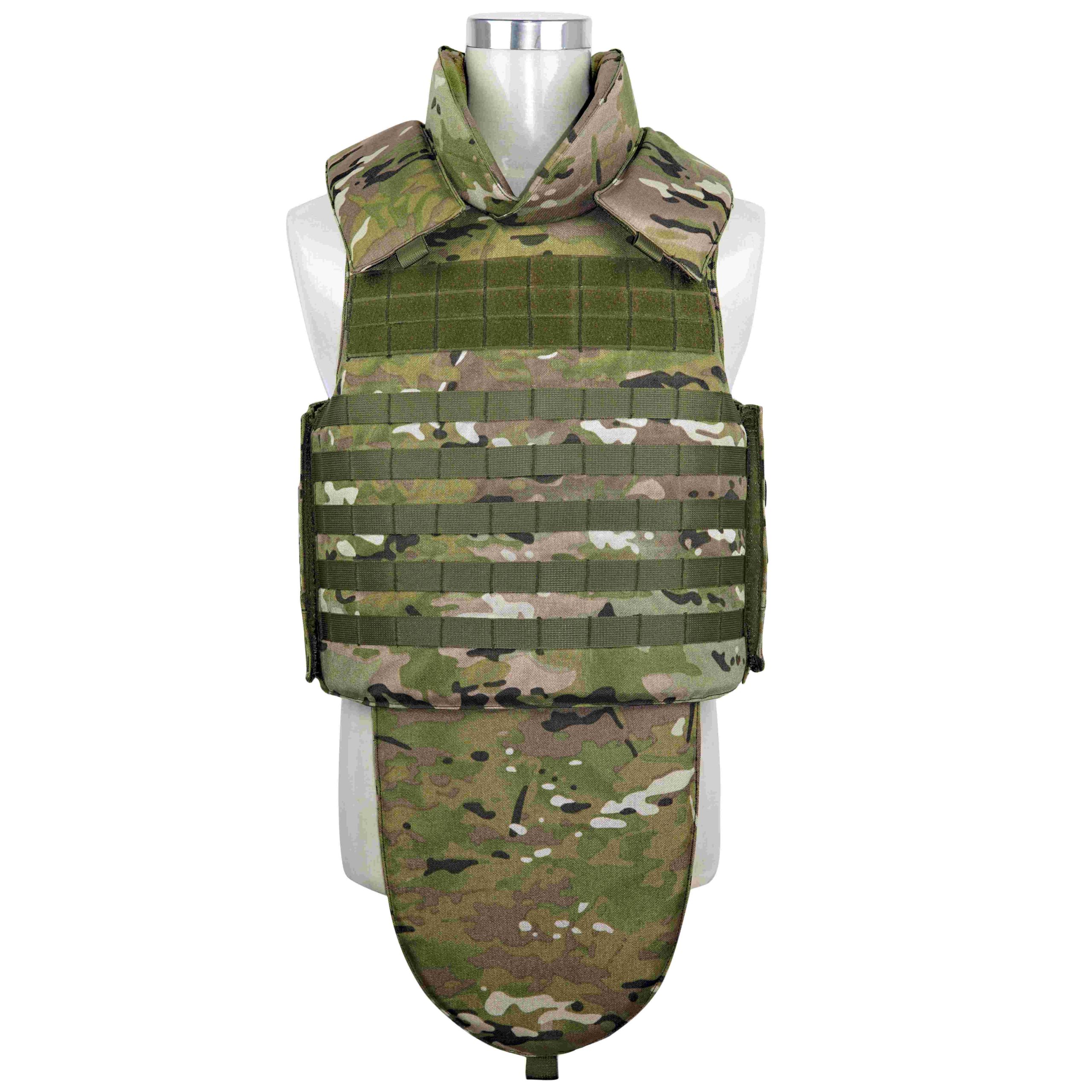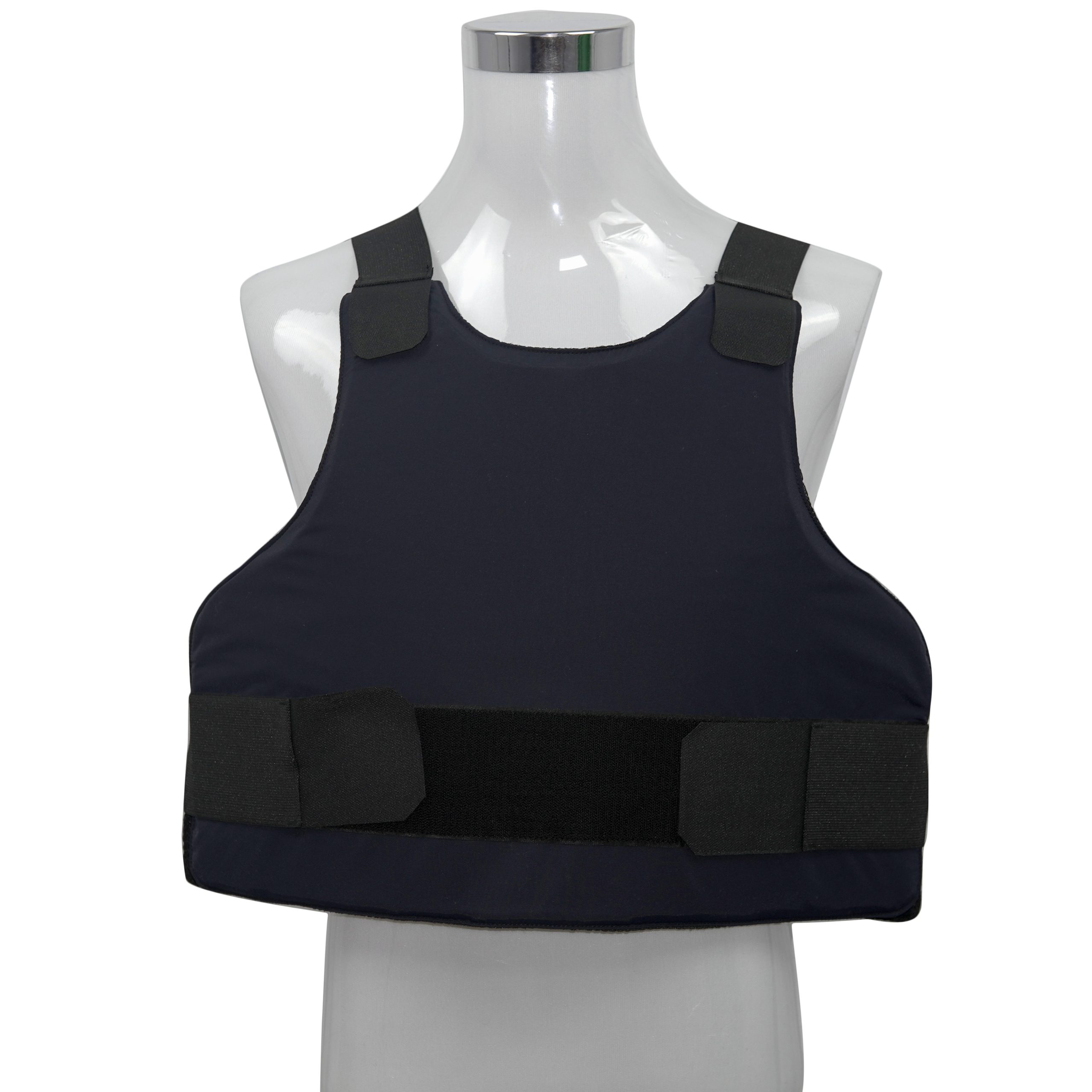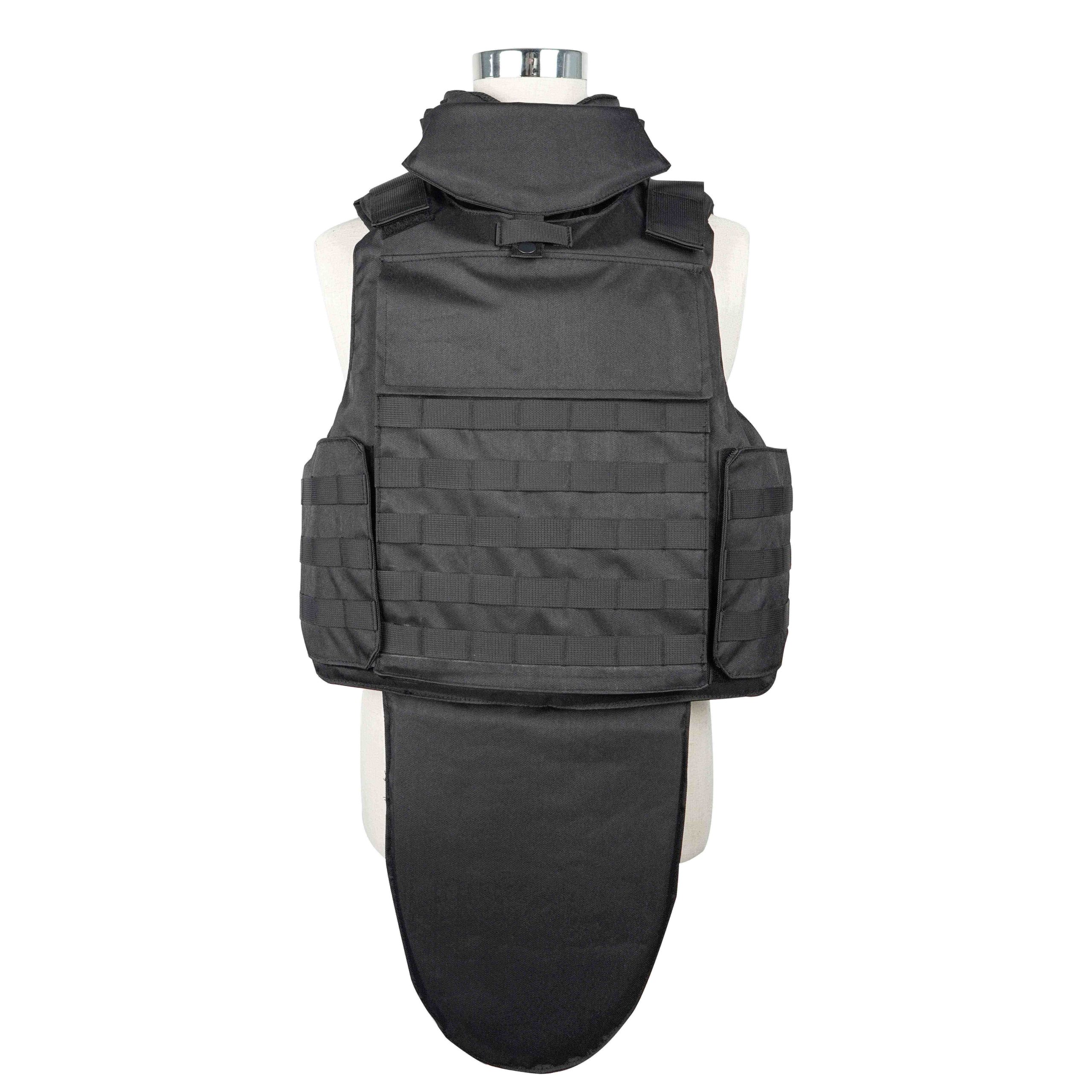
Project Description
Understanding Lightweigt Body Armor Material – Ultra High Molecular Weight Polyethylene
UHMWPE body armor has become a core component in modern ballistic protection systems. Manufacturers rely on this material to meet strict performance, weight, and durability requirements. Compared with traditional steel or aramid-based solutions, UHMWPE offers a different balance of protection efficiency and system design flexibility.
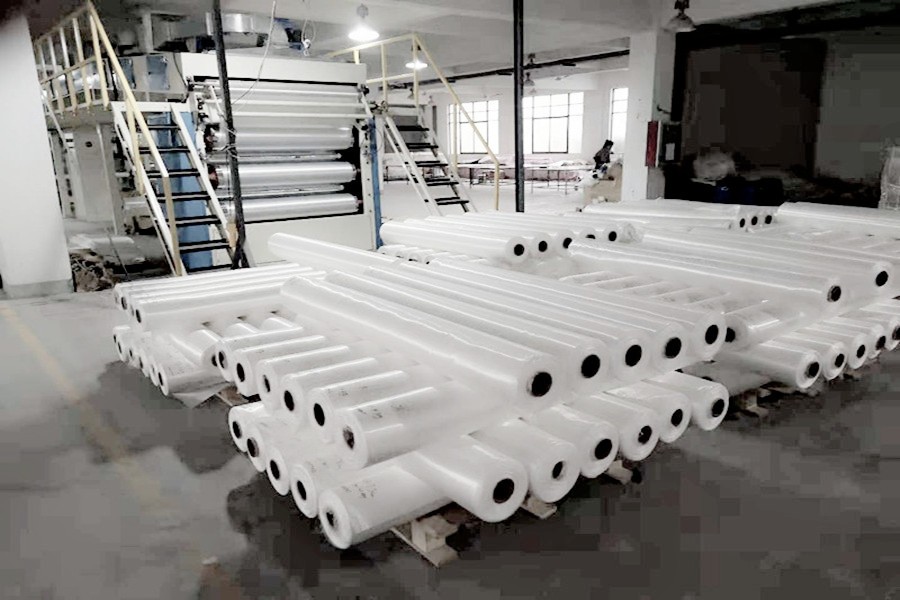
What Is UHMWPE and Why It Matters in Body Armor
Ultra High Molecular Weight Polyethylene, commonly shortened to UHMWPE, is a thermoplastic polymer characterized by extremely long molecular chains. These long chains enable strong intermolecular bonding, which results in very high tensile strength and impact resistance.
In body armor systems, UHMWPE is not used as a simple plastic sheet. It is processed into high-strength fibers or unidirectional tapes. These fibers are then layered and compressed to form soft armor panels or rigid ballistic plates.
The importance of UHMWPE body armor lies in its ability to stop ballistic threats while minimizing weight. For military, law enforcement, and private security users, weight reduction directly improves endurance, mobility, and mission effectiveness.
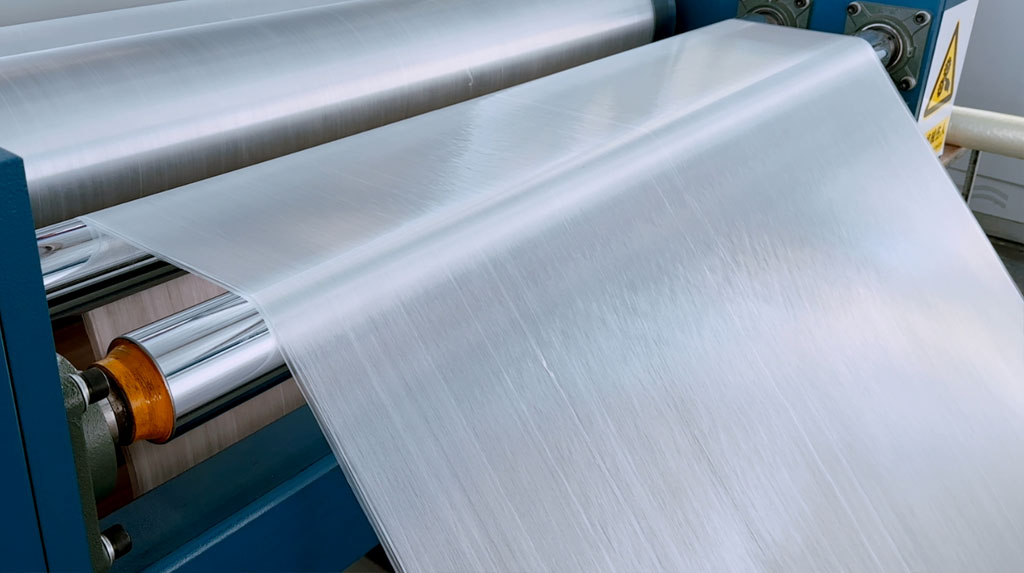
Composition and Manufacturing of UHMWPE Body Armor
Raw Material Structure
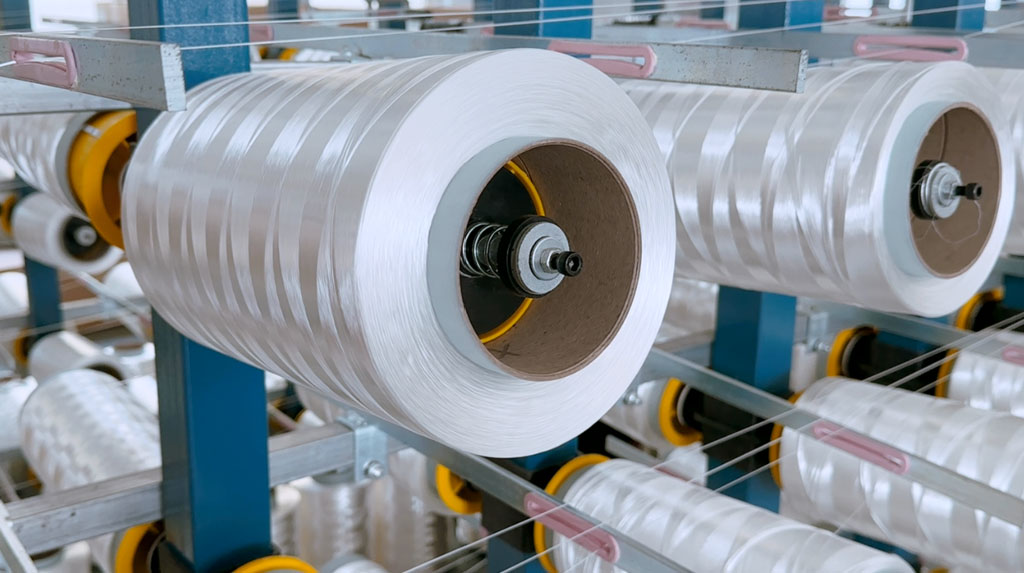
UHMWPE fibers are produced through gel spinning or similar advanced processing techniques. This process aligns the polymer chains in one direction, which maximizes tensile strength along the fiber axis. The resulting fibers can be several times stronger than steel by weight.
Layering and Lamination
In UHMWPE body armor panels, fibers are typically arranged in cross-ply or unidirectional layers. Each layer is oriented to manage stress from different impact angles. Heat and pressure are applied to bond the layers without damaging the fiber structure.
For hard armor plates, multiple UHMWPE layers are pressed into a dense composite. In higher threat-level designs, these layers are often combined with ceramic strike faces.
Quality Control Considerations
Consistency in fiber alignment, layer thickness, and bonding pressure is critical. Small deviations can affect ballistic performance. For manufacturers, this makes process control and material traceability essential.
How UHMWPE Body Armor Stops Ballistic Threats
UHMWPE body armor relies on energy dissipation rather than projectile deformation alone. When a bullet strikes the armor, several mechanisms occur:
- The fibers stretch rapidly, absorbing kinetic energy.
- The impact force spreads across a wide area.
- The projectile slows as energy transfers into the fiber network.
Unlike brittle materials, UHMWPE does not crack under impact. Instead, it deforms elastically and plastically, which helps reduce blunt force trauma behind the armor.
In ceramic-UHMWPE hybrid systems, the ceramic layer fractures the projectile, while the UHMWPE backing absorbs residual energy and captures fragments.
Key Advantages of UHMWPE Body Armor
Lightweight Performance
One of the main reasons UHMWPE body armor is widely adopted is its low density. Compared with steel armor, UHMWPE can reduce weight by more than 60 percent for equivalent protection levels.
This weight advantage is especially important for body-worn armor systems. Reduced load improves user mobility and lowers fatigue during extended use.
High Strength-to-Weight Ratio
UHMWPE fibers offer exceptional tensile strength relative to mass. This allows manufacturers to design thinner armor profiles without sacrificing ballistic resistance.
Environmental Resistance
UHMWPE does not absorb moisture and is resistant to most chemicals. This stability makes UHMWPE body armor suitable for humid, marine, or chemically aggressive environments where corrosion or fiber degradation would be a concern.
Multi-Hit Capability
Properly designed UHMWPE body armor can handle multiple ballistic impacts within a defined strike zone. This is critical for operational scenarios where repeated threats are possible.
Limitations and Design Constraints
Heat Sensitivity
UHMWPE has a lower melting point than metals or ceramics. Prolonged exposure to high temperatures can reduce mechanical strength. For this reason, UHMWPE body armor is not suitable for environments involving extreme heat or fire exposure.
Performance Against Certain Threats
UHMWPE alone is highly effective against handgun rounds. Against high-velocity rifle threats, standalone UHMWPE plates may require increased thickness or hybrid construction. Armor designers often combine UHMWPE with ceramics to achieve higher protection levels.
Edge Protection and Plate Geometry
Because UHMWPE is fiber-based, edge protection and plate shaping require careful engineering. Improper trimming or bonding can compromise structural integrity.
Maintenance and Service Life Considerations
UHMWPE body armor requires minimal maintenance compared with metal-based systems. However, proper handling is still necessary.
Armor should be stored away from direct sunlight and high heat sources. UV exposure over long periods can degrade polymer materials. Regular inspection for delamination or edge damage is recommended.
Most UHMWPE body armor systems have a defined service life. Manufacturers typically specify replacement intervals based on testing data rather than visible wear alone.
Current Trends in UHMWPE Body Armor Development
Hybrid Armor Systems
One major trend is the increased use of ceramic and UHMWPE combinations. This approach allows manufacturers to optimize protection while keeping weight within acceptable limits.
Improved Fiber Technology
Advances in fiber processing continue to improve tensile strength and consistency. New UHMWPE formulations enable thinner plates and improved multi-hit performance.
Ergonomic Plate Design
Manufacturers are focusing on plate curvature and profile optimization. UHMWPE’s formability supports more ergonomic armor shapes that improve comfort and fit.
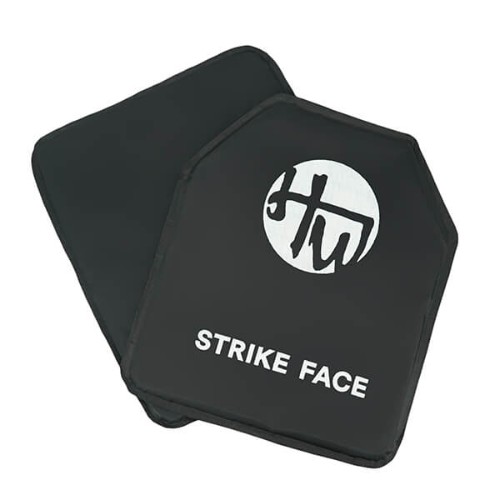
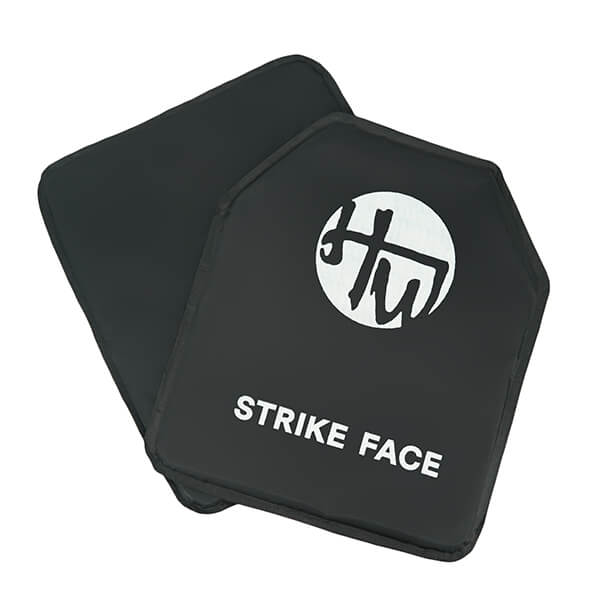
H WIN UHMWPE Armor Plate in Detail
FAQ About UHMWPE Body Armor
1. What Is UHMWPE Body Armor?
UHMWPE body armor is protective equipment made with ultra-high-molecular-weight polyethylene fibers. These fibers are layered and compressed under controlled heat and pressure to create lightweight ballistic panels or hard armor plates.
UHMWPE armor is valued for its high strength-to-weight ratio, corrosion resistance, and low water absorption. Depending on its construction and tested protection level, it may be used in bulletproof vests, ballistic inserts, helmets, shields, and other personal protective equipment.
2. How Does UHMWPE Body Armor Stop Bullets?
UHMWPE body armor uses multiple layers of high-strength polyethylene fibers to absorb and distribute the energy of an incoming projectile. As the bullet contacts the armor, the fibers stretch, deform, and spread the impact force across a wider area.
The exact protective mechanism depends on the product design. Soft UHMWPE panels are primarily intended for handgun threats, while compressed hard plates may protect against certain rifle rounds. Hybrid rifle plates may combine UHMWPE backing with ceramic strike faces to break up harder projectiles.
3. Can UHMWPE Body Armor Stop Rifle Bullets?
Yes, properly designed hard UHMWPE plates can protect against certain rifle ammunition. However, performance varies significantly according to plate thickness, density, shape, manufacturing process, and the specific projectile being tested.
A polyethylene plate that performs against a lead-core rifle round should not automatically be assumed to stop steel-core or armor-piercing ammunition. Higher-threat plates commonly use a ceramic strike face with UHMWPE backing. Always compare the stated threat level with the exact ammunition specified in the applicable test standard.
4. Is UHMWPE Body Armor Lighter Than Steel or Ceramic Armor?
UHMWPE is generally selected when low weight is a major requirement. Its high strength-to-weight ratio allows manufacturers to produce ballistic solutions that may be lighter than comparable steel plates.
Compared with ceramic armor, the weight difference depends on the protection level and construction. Pure polyethylene plates may be especially lightweight, while ceramic-UHMWPE composite plates balance reduced weight with improved resistance to harder rifle projectiles.
Weight should not be evaluated alone. Buyers should also compare protection level, coverage area, plate thickness, curvature, multi-hit performance, durability, and total carrier weight.
5. What Is the Difference Between UHMWPE and Kevlar Body Armor?
UHMWPE and aramid fibers such as Kevlar are both used in ballistic protection, but they have different properties.
UHMWPE usually offers a lower density and strong resistance to water and many chemicals. Aramid materials generally tolerate elevated temperatures better and are widely used in flexible ballistic panels, helmets, and protective composites.
Neither material is universally better. The correct choice depends on the required ballistic threat, operating temperature, flexibility, weight target, environmental exposure, product design, and certification requirements. Some armor systems combine multiple materials to achieve a more balanced performance.
6. Is UHMWPE Body Armor Waterproof?
UHMWPE fibers have very low moisture absorption and are not affected by water in the same way as many conventional textile materials. This makes polyethylene attractive for armor used in humid, marine, or rainy environments.
However, a finished body armor product should not be described as completely waterproof unless the entire panel, cover, seams, adhesive system, labels, and edges are designed and tested for water exposure. Damage to the protective cover may expose internal layers and reduce long-term reliability.
Follow the manufacturer’s cleaning, storage, and inspection instructions after exposure to water.