

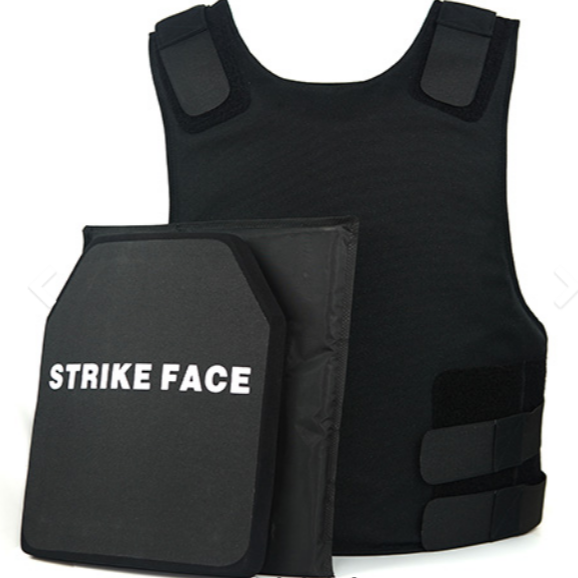
The right protection starts with a few clear decisions. Match the protection level to your real risk. Get the fit right. Verify compliance. Weigh cost against value. Then follow a simple care routine. Each choice shapes how well soft body armor performs over time.
A smart purchase is only half the job. Proper maintenance carries the other half. Together, they deliver lasting protection and real value. This guide offers direct, practical tips you can use right away.
Choosing Soft Body Armor
Match Protection to Risk
NIJ Threat Levels
The National Institute of Justice (NIJ) publishes ballistic resistance standards for body armor. The current standard is NIJ Standard-0101.06. It defines protection levels by the threats a vest must stop. Soft body armor covers three of these levels: IIA, II, and IIIA. Each level stops a different range of handgun ammunition. Level IIA handles the lower end of that range. Level II adds more capability. Level IIIA covers the widest range of handgun threats among soft armor options.
Higher levels generally mean more material and more weight. They also mean more stiffness. A higher level is not automatically the better choice. The right level depends on your actual environment. Consider the threats present where you work or travel. A security role in a low-risk setting may call for Level IIA or II. A role with exposure to heavier handgun calibers may justify Level IIIA. Match the level to the risk you realistically face. Overbuying adds weight and heat without adding practical safety.
Reading the Label
Every compliant vest carries a label. The label states the protection level and the standard it was tested against. Look for the NIJ standard number on that label. A label that names a level but no standard is a warning sign. Check that the model you receive matches the model listed on the label. Confirm the label is attached to the armor itself, not just the carrier. These checks take a minute. They confirm that the product you bought is the product that was tested.
Prioritize Fit and Comfort
Measuring for Size
Fit affects coverage and wearability. A vest that is too small leaves gaps. A vest that is too large shifts and restricts movement. Measure your chest at its fullest point. Measure your torso length from the shoulder line to the desired bottom edge. Follow the manufacturer‘s sizing chart, not general clothing sizes. Sizing charts vary between makers. Use the chart that belongs to the specific model you plan to buy.
Adjustability Features
Adjustable side straps and shoulder straps let you tune the fit. Good adjustability keeps the armor panels in place during movement. Look for carriers with secure closures and limited stretch. Check that the panels stay centered when you bend, sit, and reach. Comfort matters for a practical reason. Armor you find uncomfortable tends to get left behind. A well-fitted vest is one you will actually wear.
Materials, Compliance, and Cost
Materials and Designs
Soft body armor uses two main fiber families: aramid and ultra-high-molecular-weight polyethylene. Aramid fibers offer good heat resistance and flexible performance. Polyethylene fibers are notably light for their strength. Both families appear in quality soft armor. Design choices matter as much as fiber choice. Panel construction, stitching patterns, and carrier design all affect performance and comfort. Each material and design fits different needs. Light weight may matter most for all-day wear. Heat tolerance may matter most in hot environments. Match the option to your conditions.
Compliance Checklist
Use a short checklist before you buy:
- The label names an NIJ standard and a protection level.
- The model number on the label matches the product listing.
- The seller provides test documentation on request.
- The warranty terms are stated in writing.
- The care instructions are included with the product.
A “yes” on each line gives you confidence in the purchase.
Cost Versus Value
Price is not the same as value. A low-cost vest with a short warranty may cost more over time. A higher-priced vest with a long service life may deliver better value. Weigh four factors together: protection level, fit, compliance, and warranty length. Compare total cost across the expected service life, not just the sticker price. The best value sits where solid compliance and good fit meet a price you can sustain.
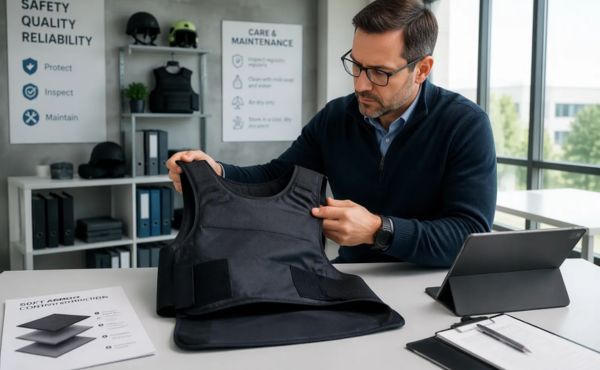
Maintaining Soft Body Armor
Clean and Store Correctly
Safe Cleaning Practices
Soft body armor protects only when its panels stay intact. Cleaning habits decide much of that outcome. Follow the manufacturer’s care instructions first. They override any general advice.
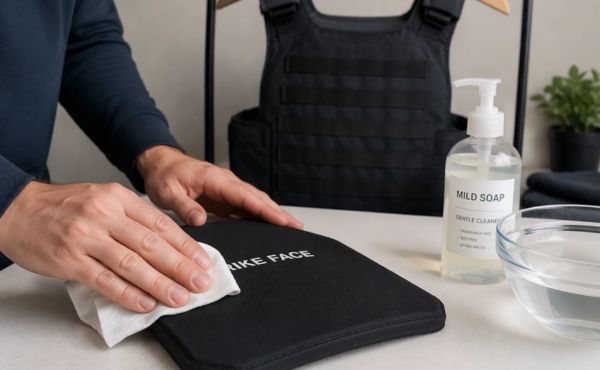
Never machine wash or machine dry armor panels. Agitation breaks down ballistic fibers over time. Heat from a dryer can damage panel materials permanently. Hand washing is the safe path. Remove the panels from the carrier first. Wipe the panels with a damp cloth and mild soap. Rinse the cloth, not the panel. Let the panels air dry flat, away from direct heat.
The carrier is easier to clean. Most carriers tolerate gentle hand washing in cool water with mild detergent. Rinse thoroughly and hang to dry. Skip bleach, fabric softeners, and harsh solvents. These agents can weaken fabrics and stitching. Spot clean small marks instead of washing the whole carrier when possible.
Proper Storage Conditions
Storage shapes service life as much as cleaning does. Store armor flat, not folded or hung. Folding creates creases in the panels. Repeated creasing stresses the fibers at the same points. Hang the carrier only if the manufacturer approves it.
Keep stored armor away from heat and sunlight. Ultraviolet light degrades many fabrics. A hot car or a sunny shelf is a poor home for soft body armor. Choose a cool, dry location instead. Avoid damp basements, which invite mold and mildew. Avoid compressed storage as well. Stacking heavy gear on top of the panels adds unnecessary stress.
Inspect and Replace on Schedule
Routine Inspection Steps
Set a regular inspection schedule. Monthly checks suit most users. High-use gear deserves more frequent review. Work through the same steps each time:
- Remove the panels from the carrier.
- Check the panel surface for cuts, tears, or punctures.
- Feel for soft spots, delamination, or bunching of the fibers.
- Inspect the carrier seams, straps, and closures for wear.
- Confirm the label is still attached and legible.
- Record the inspection date and any findings.
Any cut or puncture in a panel is serious. A damaged panel may not stop the threat it was tested against. Pull damaged armor from service immediately. Contact the manufacturer about evaluation or replacement.
Replacement Cues
Armor does not last forever. Manufacturers state a service life in the warranty terms. Common warranty periods run several years from the date of manufacture. Check the manufacture date on the label. Track it against the warranty window.
Replace armor at the end of its stated service life, even if it looks fine. Replace it sooner after any panel damage. Replace it after exposure to extreme heat or harsh chemicals. Replace it if the carrier no longer fits or holds the panels securely. A loose carrier lets panels shift, which reduces coverage. Follow the manufacturer’s timeline over guesswork.
Wear and Handle It Right
Daily Wear Habits
Good daily habits extend the life of soft body armor. Put the carrier on and take it off gently. Tugging on straps stretches them over time. Adjust the fit once, then leave it alone. Keep the panels centered in their pockets during wear. Check their position after long periods of movement.
Rotate between two carriers if you wear armor daily. Rotation spreads the wear across both sets. Allow each carrier to air out between shifts. Air drying removes moisture from sweat and humidity. Moisture trapped in panels encourages fiber breakdown and odor.
What to Avoid
Some habits cause quiet damage. Avoid leaving armor in a hot vehicle. Avoid pressing or ironing the panels. Avoid storing armor under heavy equipment. Avoid exposing it to solvents, fuels, or strong cleaning agents. Avoid lending armor for rough training use. Each of these actions adds stress that shortens service life.
Treat soft body armor as protective equipment, not ordinary clothing. Careful handling preserves both its performance and your investment.
Conclusion
Protecting yourself starts with informed decisions and steady habits. Keep these essentials in mind:
- Match the threat level to your real risk.
- Prioritize fit and comfort.
- Verify compliance on the label.
- Weigh cost against value.
- Clean and store armor correctly.
- Inspect routinely and replace on schedule.
Good choices plus good habits protect both the wearer and the investment. Soft body armor rewards that discipline with years of dependable service. Apply these tips at your next purchase or inspection. A few careful minutes now safeguard what matters most later.
FAQ
How long does soft body armor last?
Service life depends on the manufacturer’s warranty terms. Common warranty periods run several years from the date of manufacture. Check the manufacture date on the label and track it against that window. Replace the armor at the end of its stated service life, even if it still looks fine.
Can I machine wash my vest?
No. Agitation breaks down ballistic fibers, and dryer heat can damage panels permanently. Remove the panels and wipe them with a damp cloth and mild soap. Hand wash the carrier in cool water, then air dry everything flat and away from direct heat.
How do I know a vest meets NIJ standards?
Read the label. It should name an NIJ standard, such as NIJ Standard-0101.06, and a protection level. Confirm the model number on the label matches the product listing. Ask the seller for test documentation and written warranty terms before you buy.
Which protection level should I choose?
Match the level to the threats in your actual environment. Level IIA covers the lower end of handgun threats. Level II adds capability. Level IIIA covers the widest range of handgun threats among soft armor options. Higher levels add weight, so avoid overbuying.
How often should I inspect my armor?
Monthly checks suit most users. High-use gear deserves more frequent review. Remove the panels and look for cuts, tears, punctures, soft spots, or bunching. Inspect seams, straps, and closures too. Pull any damaged panel from service immediately and contact the manufacturer.
Where should I store soft body armor?
Store it flat in a cool, dry place. Keep it away from heat, sunlight, and damp basements. Avoid folding the panels or stacking heavy gear on top of them. Repeated creasing and compression stress the fibers at the same points over time.
Can I wear the same carrier every day?
You can, but rotation helps. Two carriers share the wear and let each one air out between shifts. Trapped moisture from sweat encourages fiber breakdown. Whichever routine you choose, keep the panels centered and adjust the fit once rather than tugging straps daily.