

Custom Bulletproof Vests From China Manufacturer and Wholesale Supplier
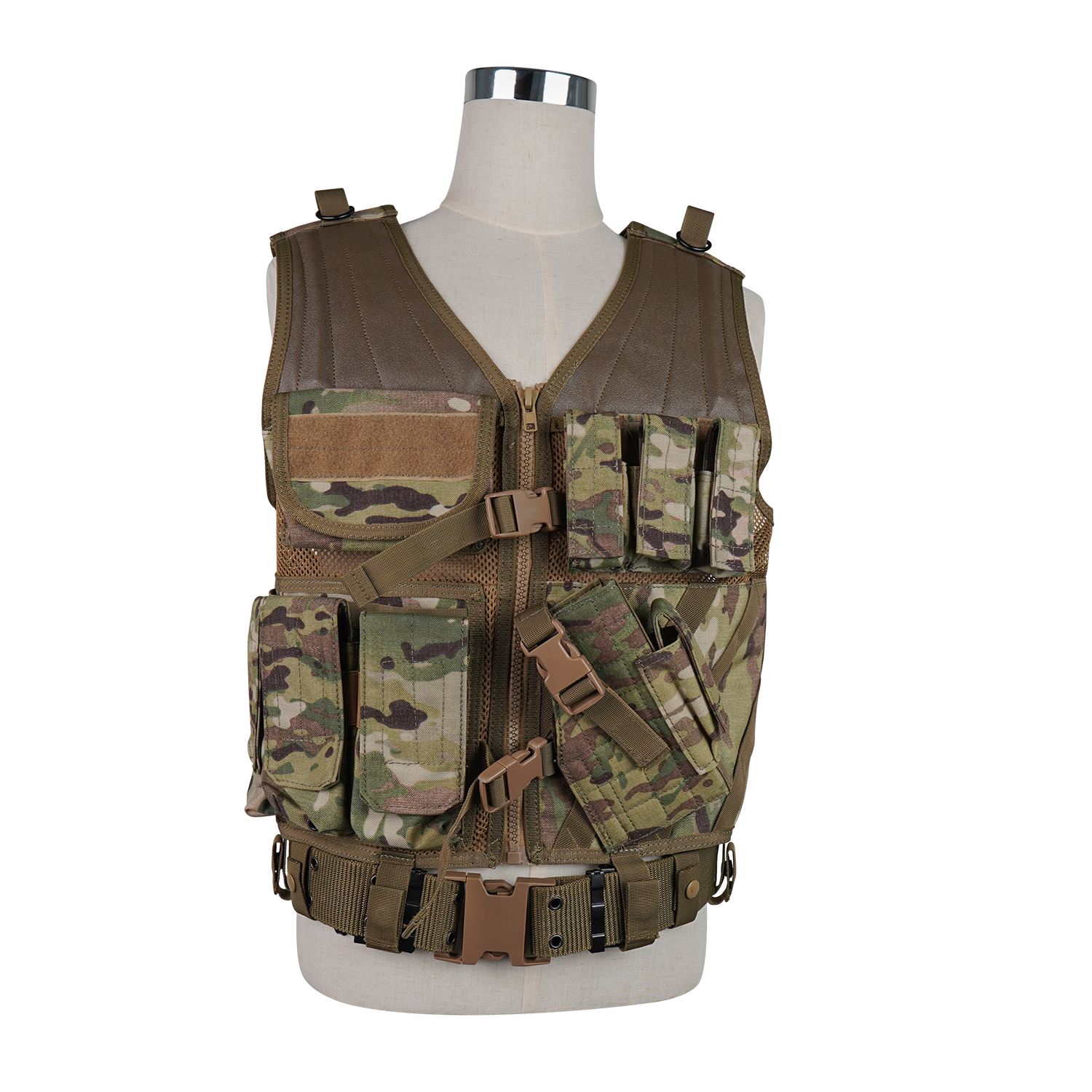
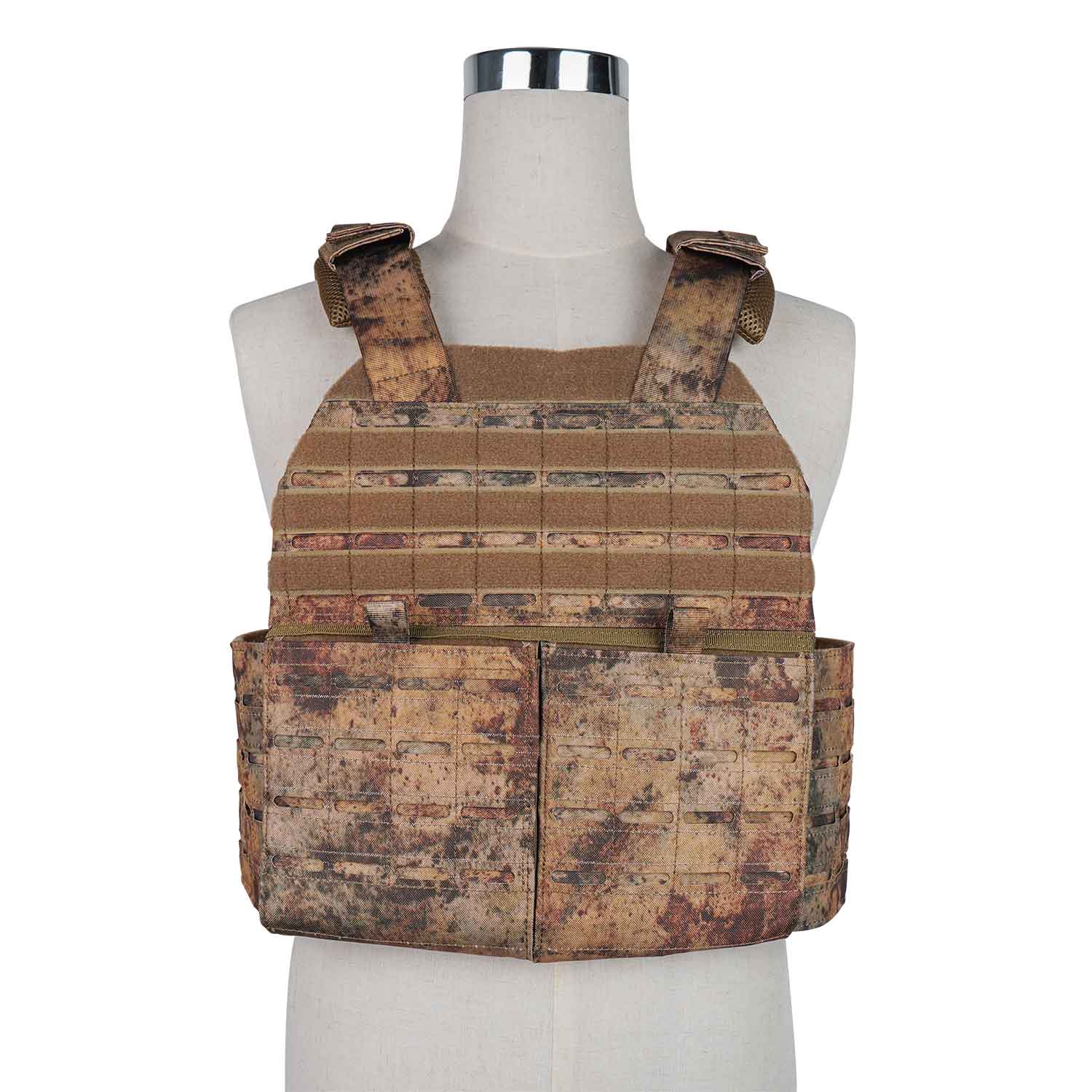
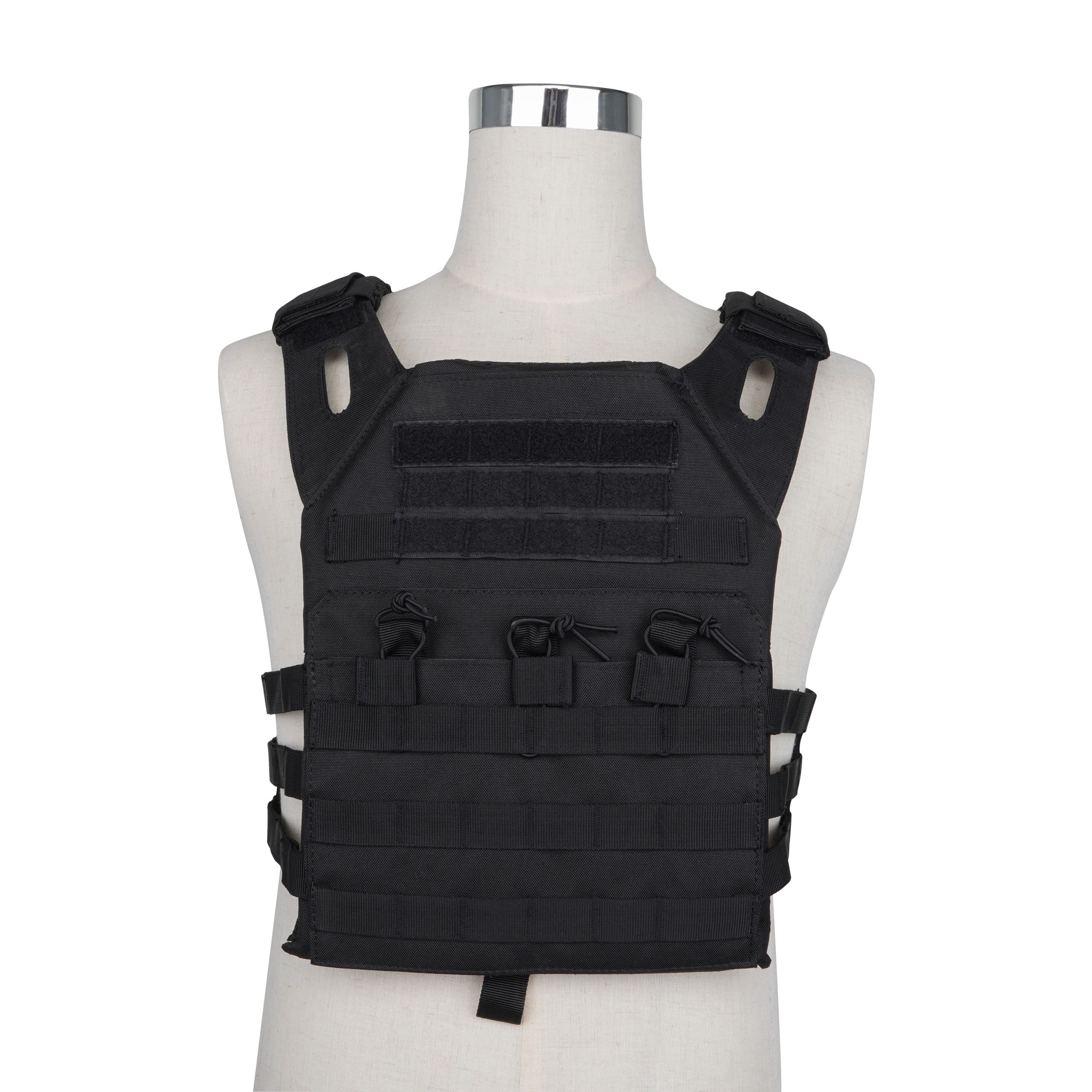
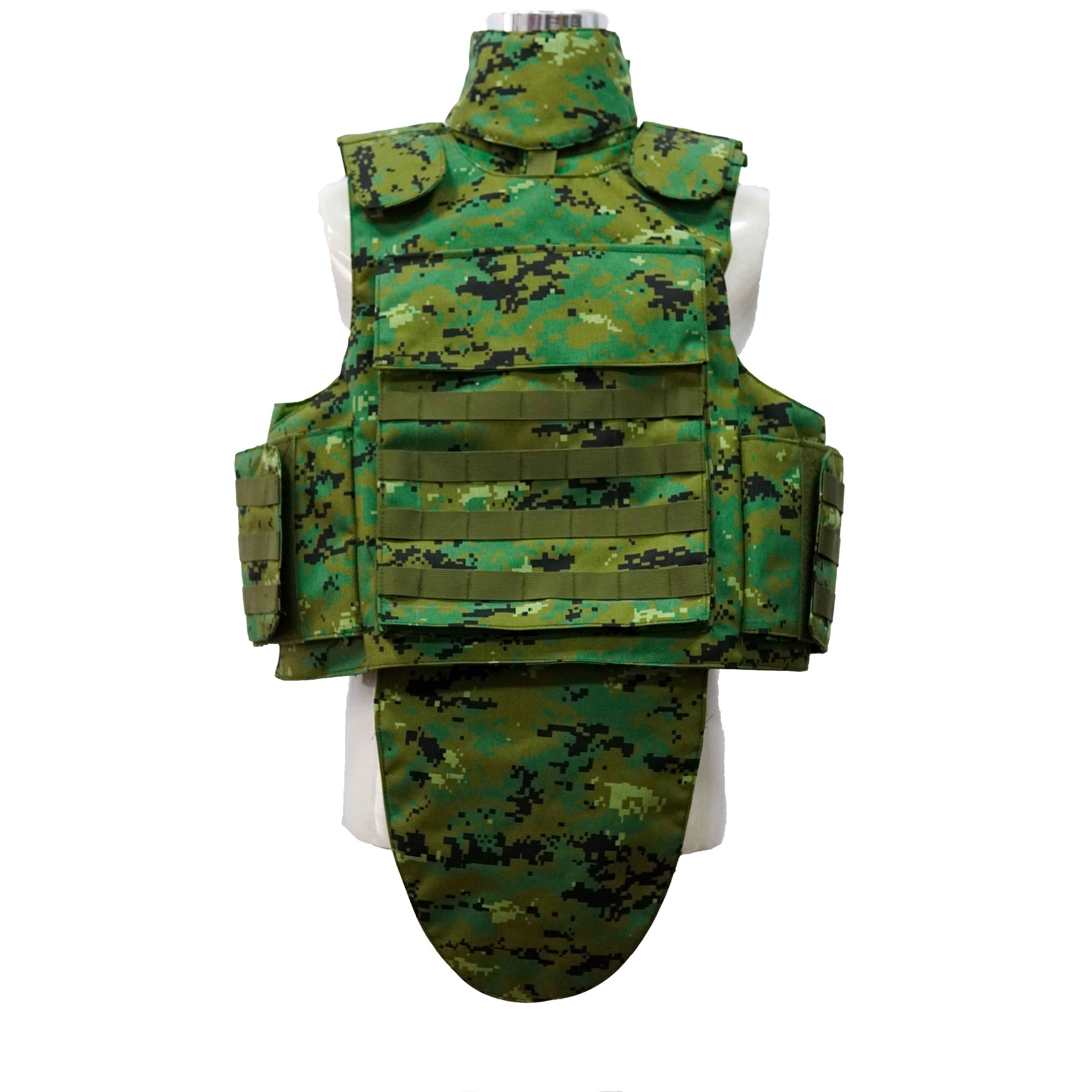
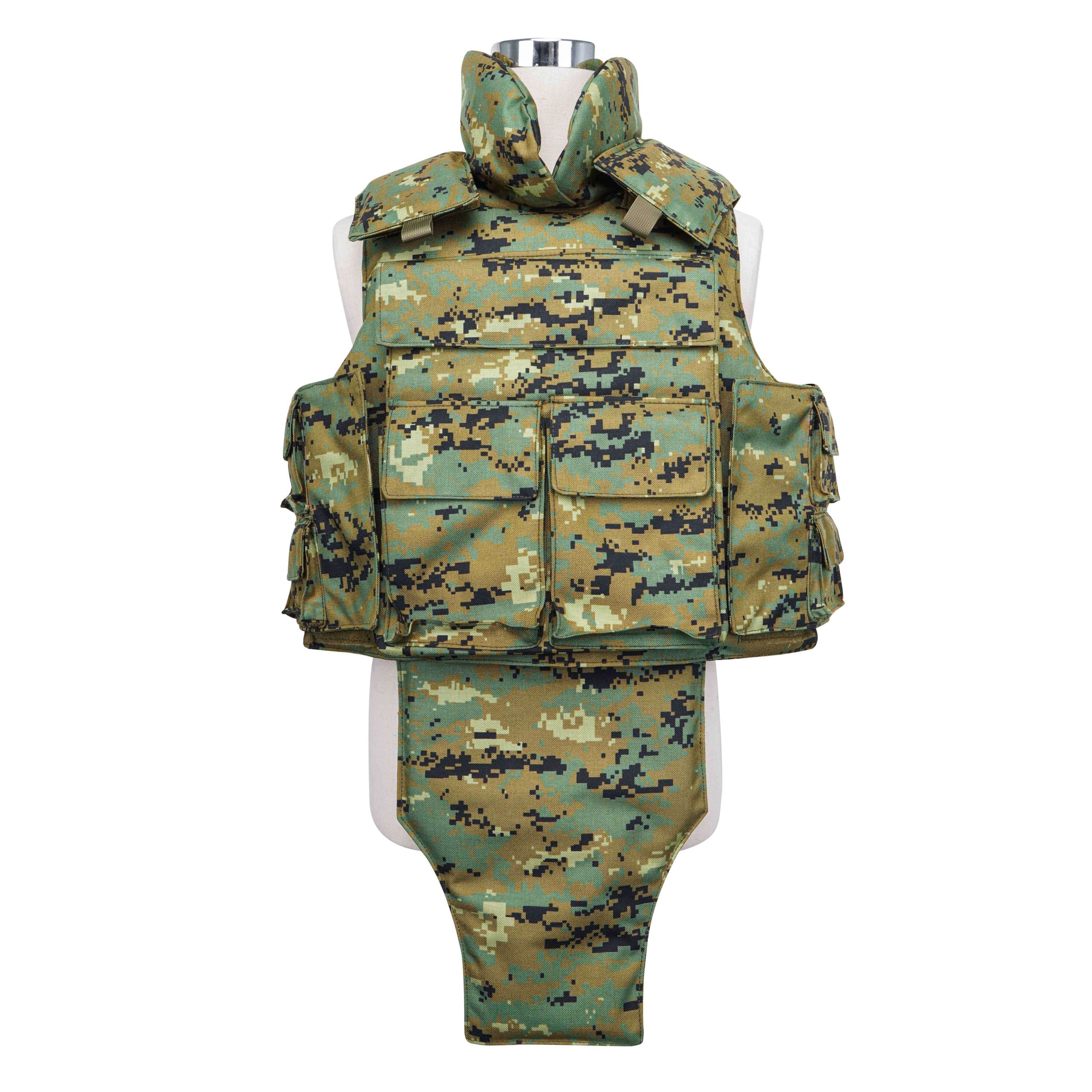
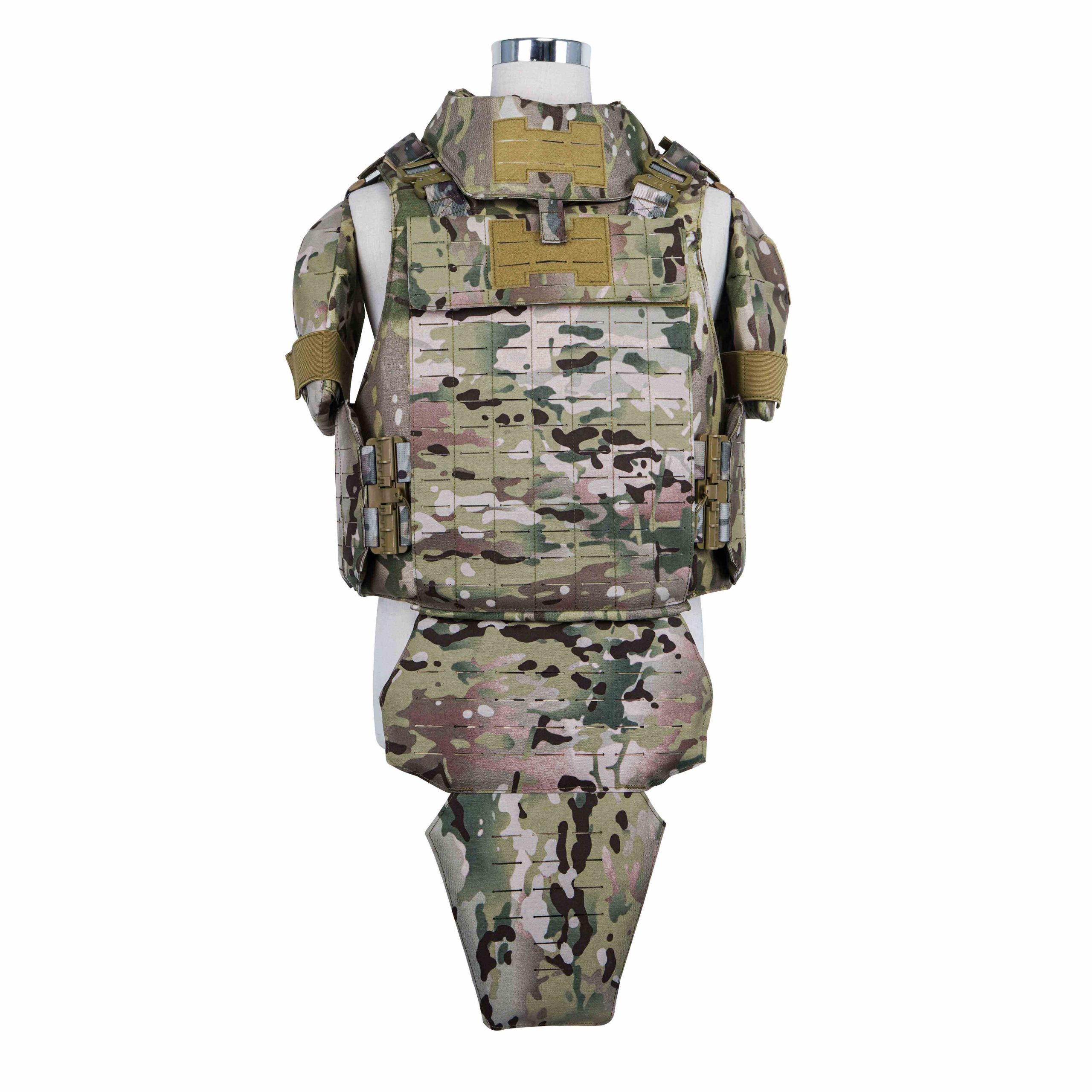
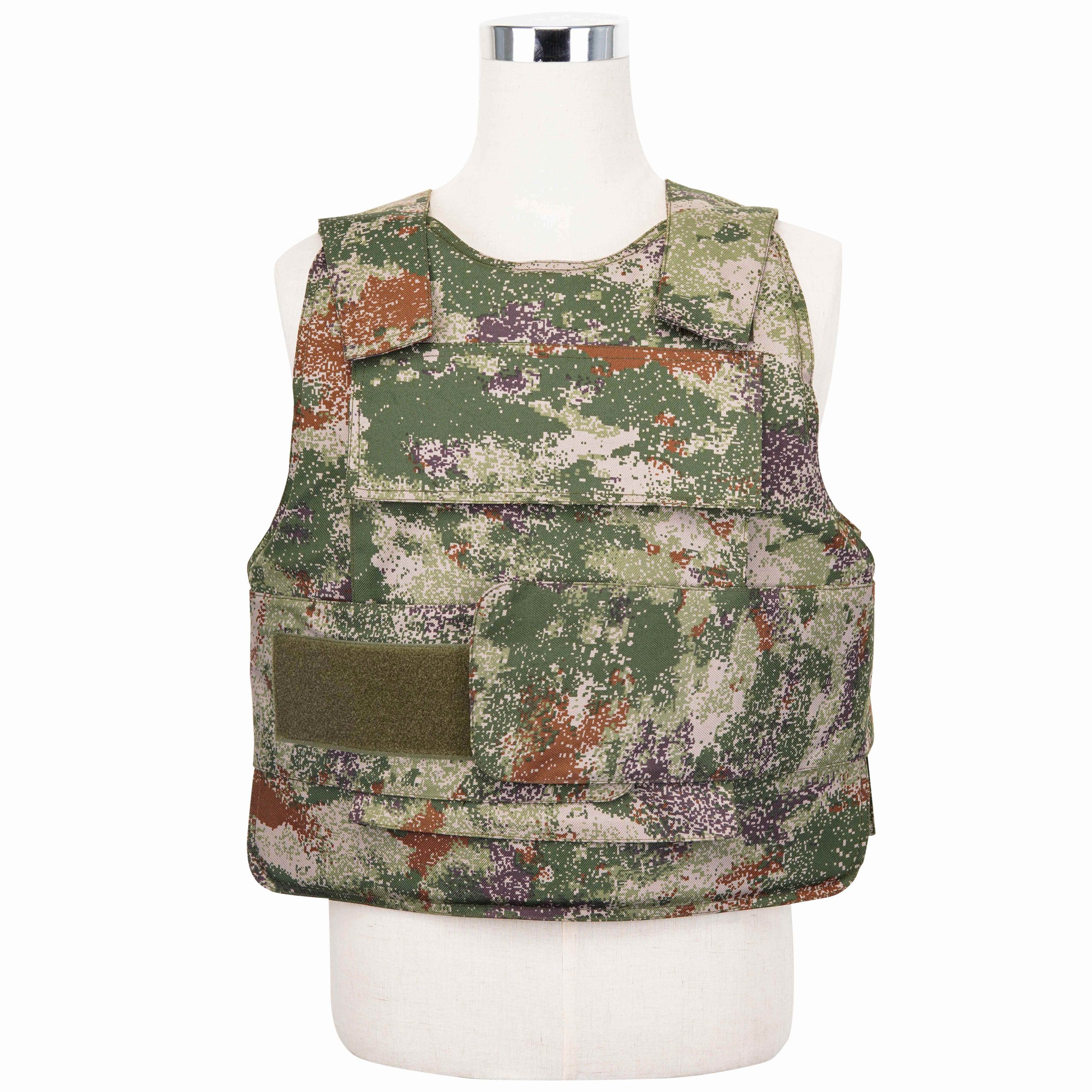
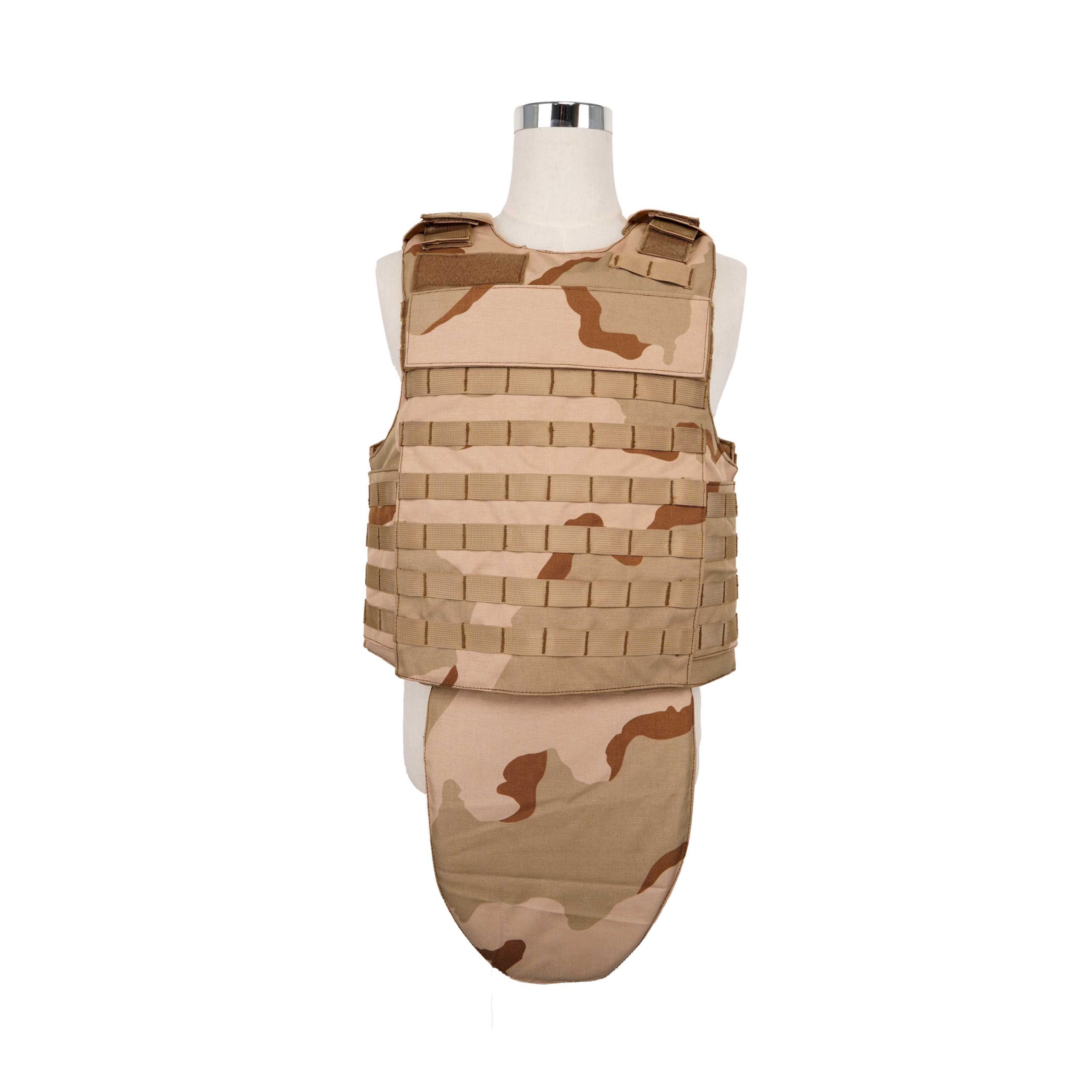
H WIN’s ballistic bulletproof vests provide essential protection against ballistic threats. Our custom bulletproof vests are ideal for diverse needs of law enforcement, security personnel, and private citizens.
Explore our range of concealable, tactical vests avaliable in different NIJ protection levels.
Features of H WIN Bulletproof Vest Body Armor
- NIJ Level IIA, II, IIIA, III,and IV Protection
- Concealable, Tactical,and Overt Styles
- Custom Fit Options Available
- Lightweight and Comfortable Designs
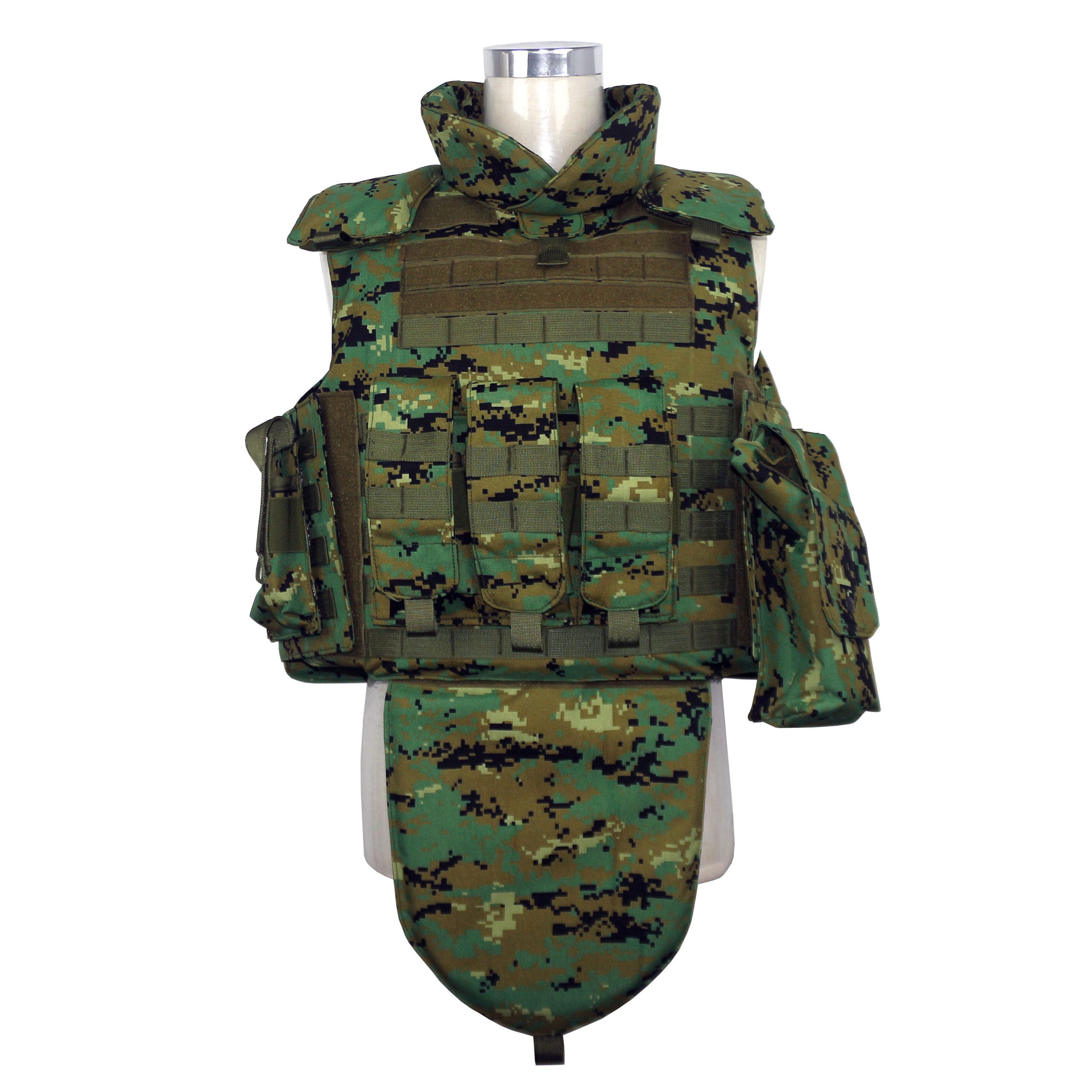
- Convenient external pockets
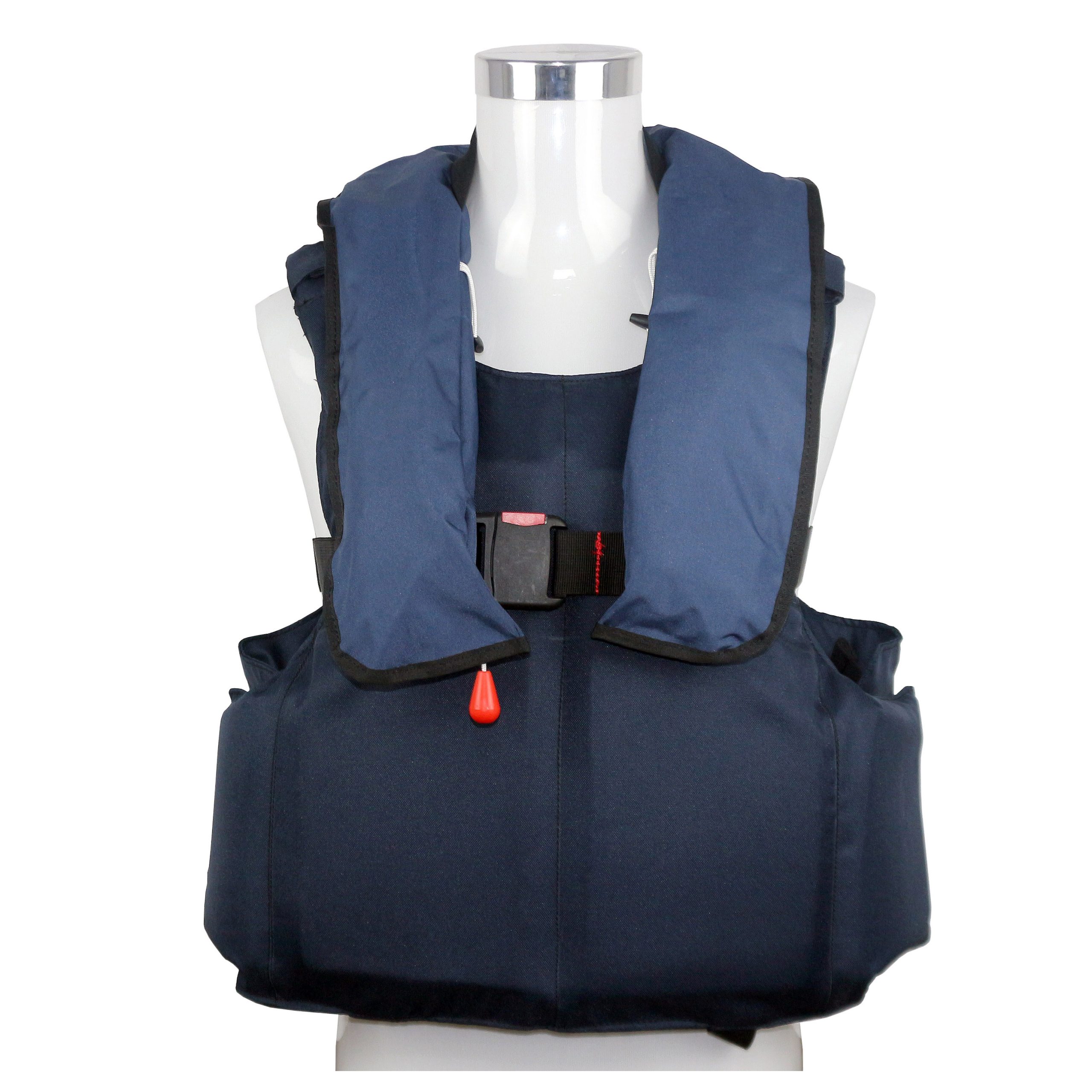
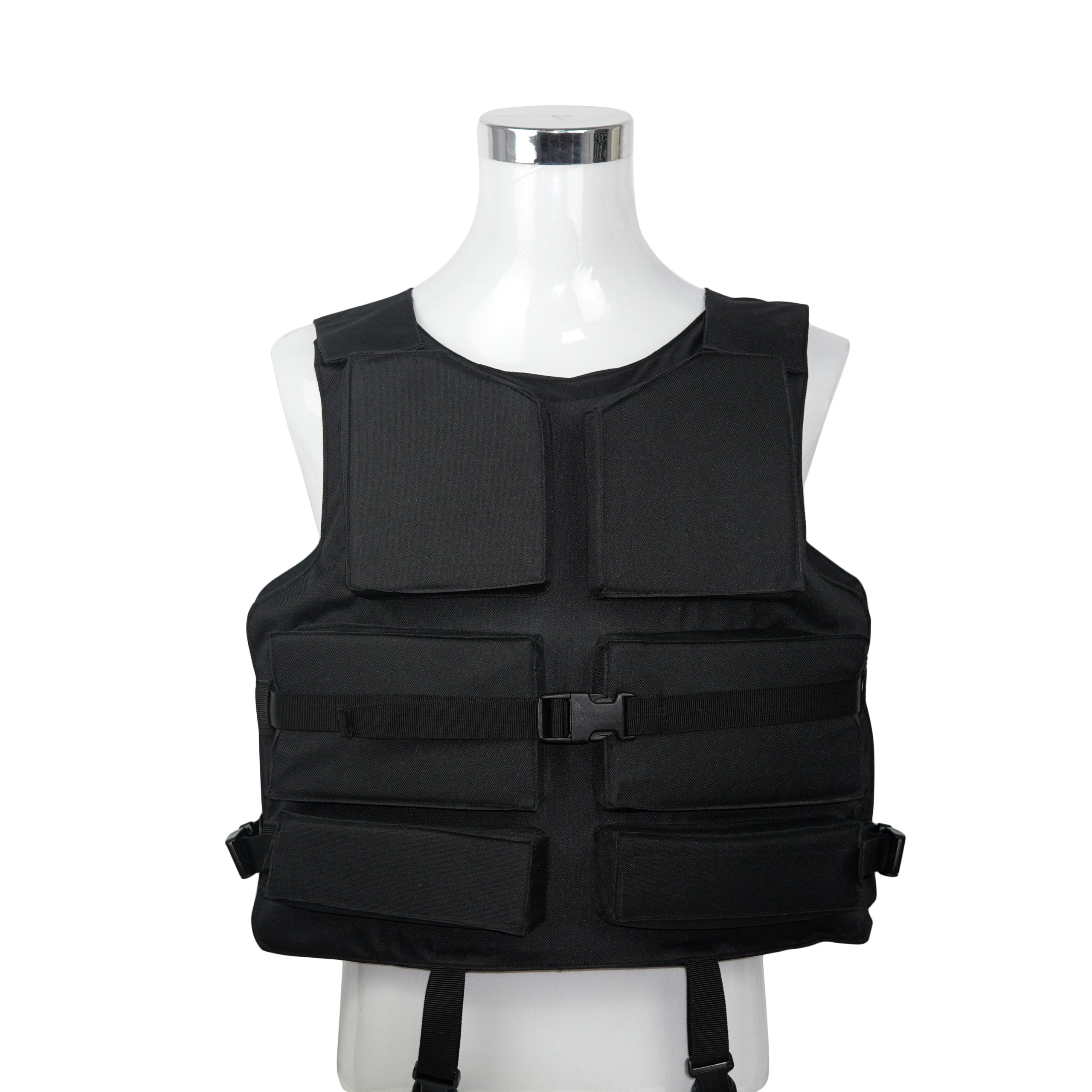
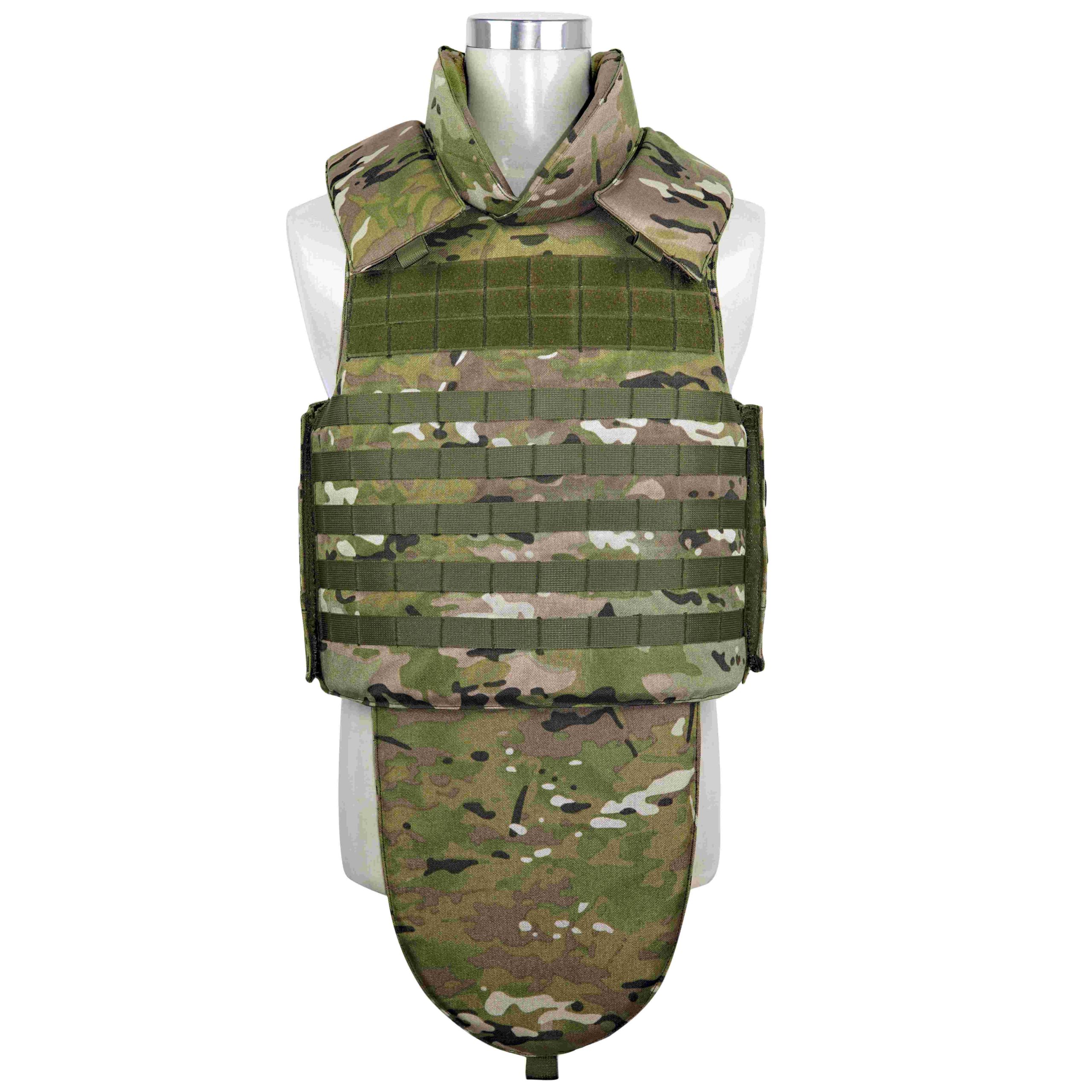
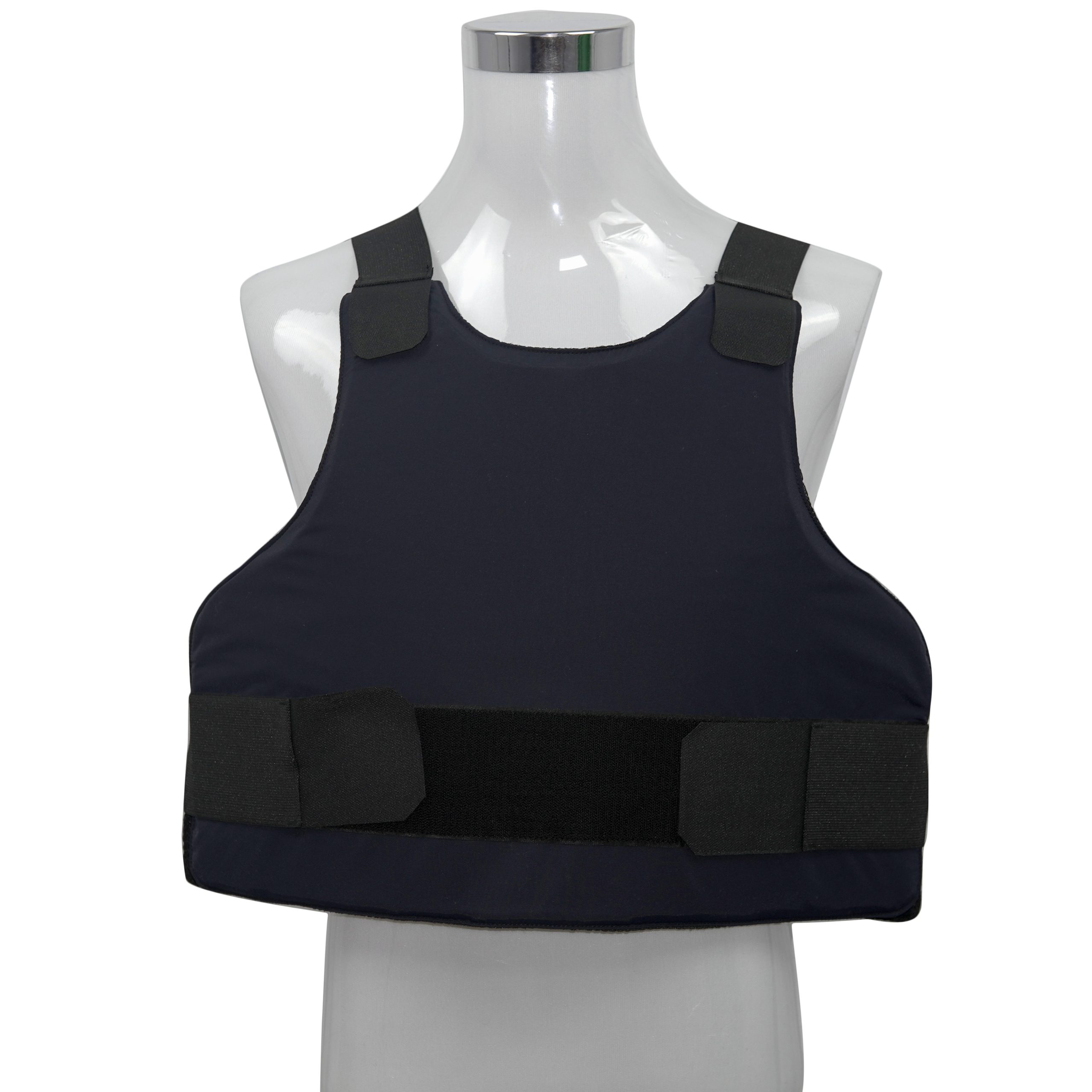
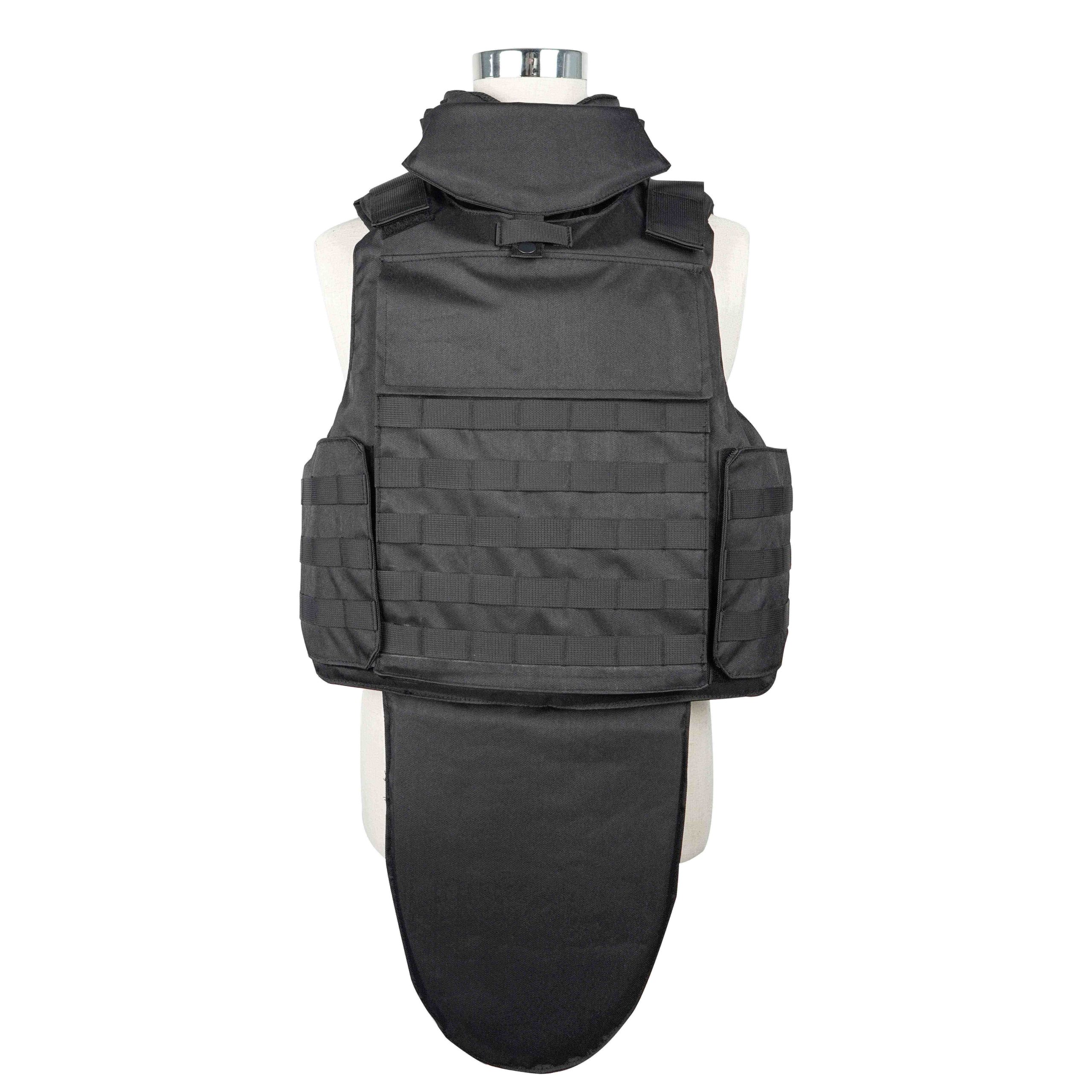
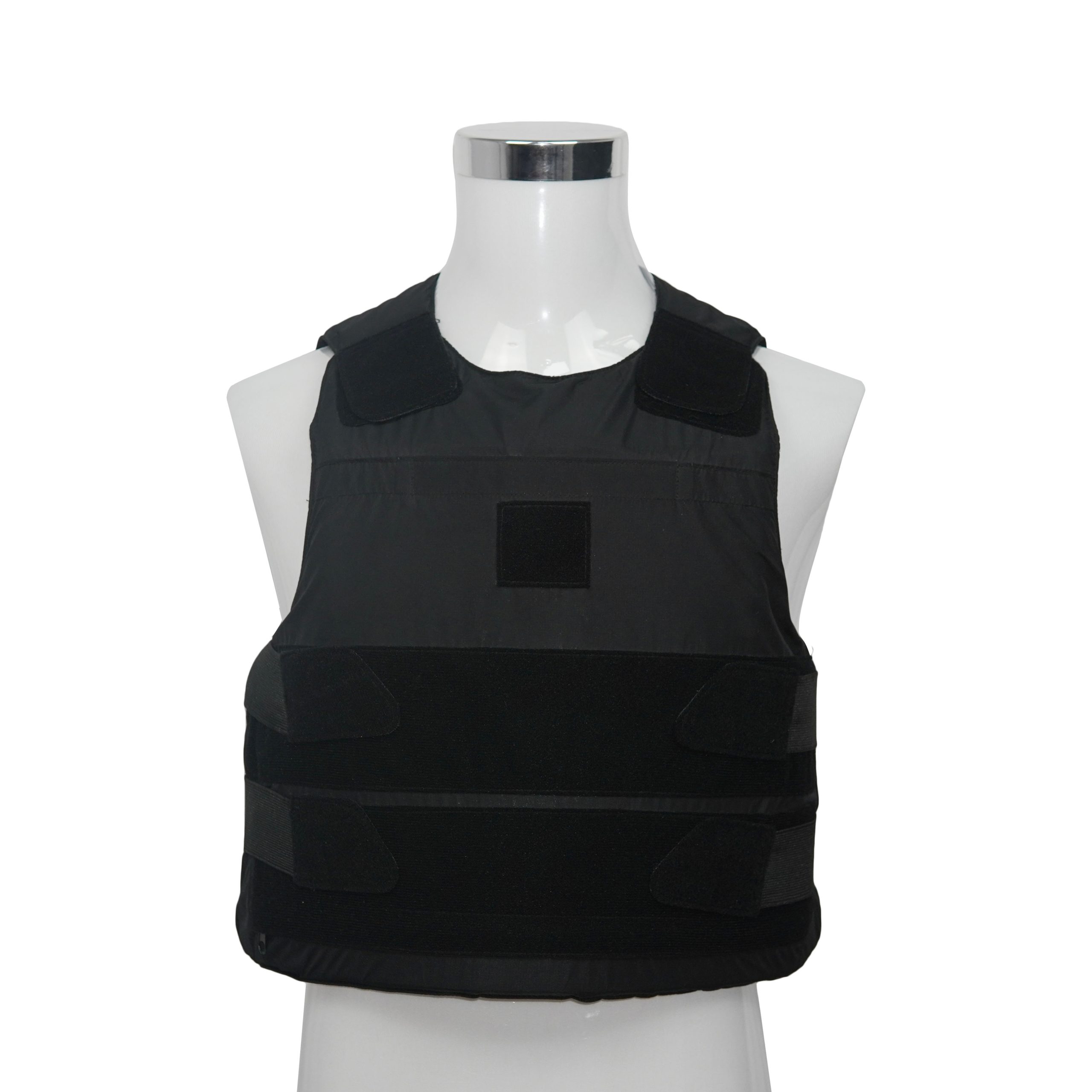
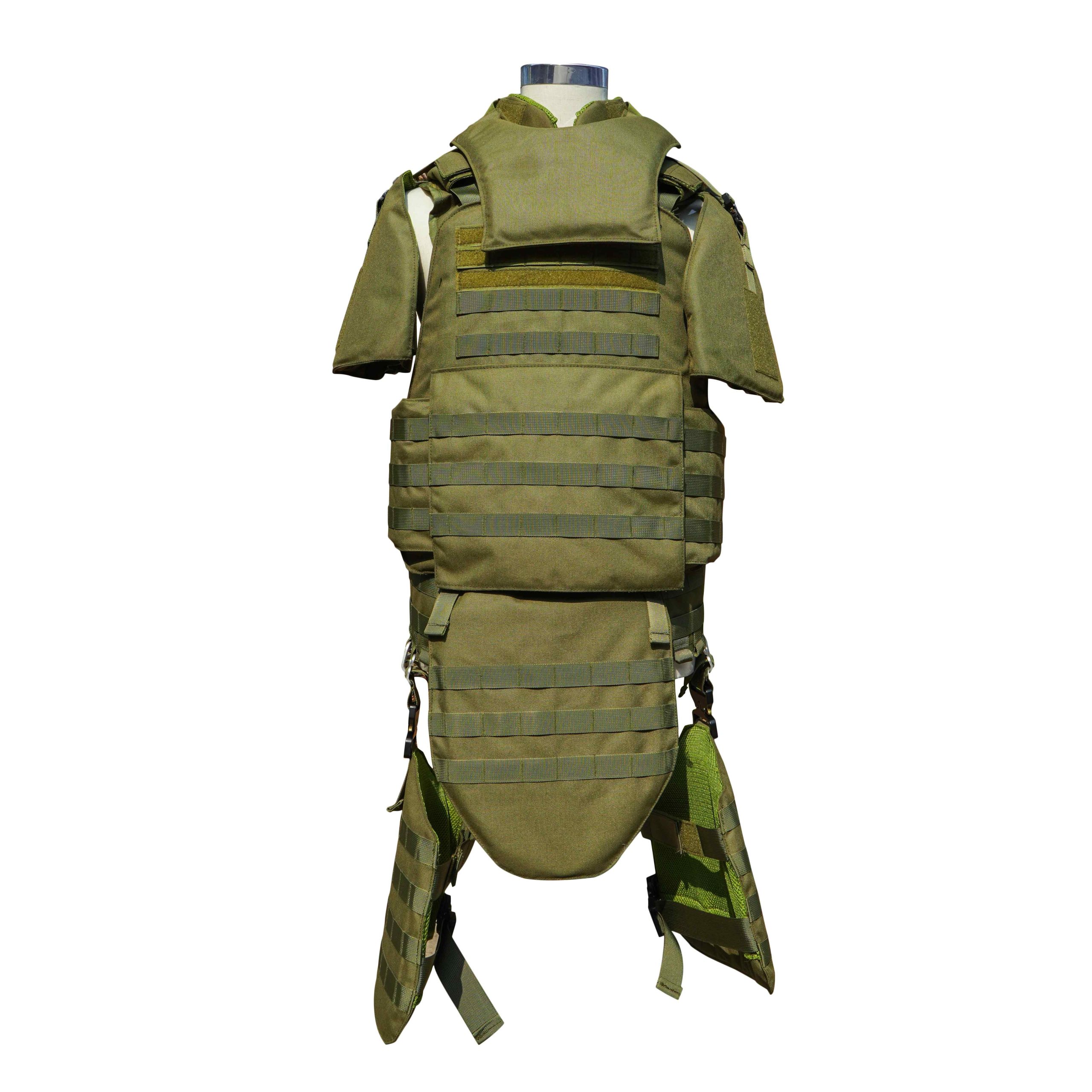
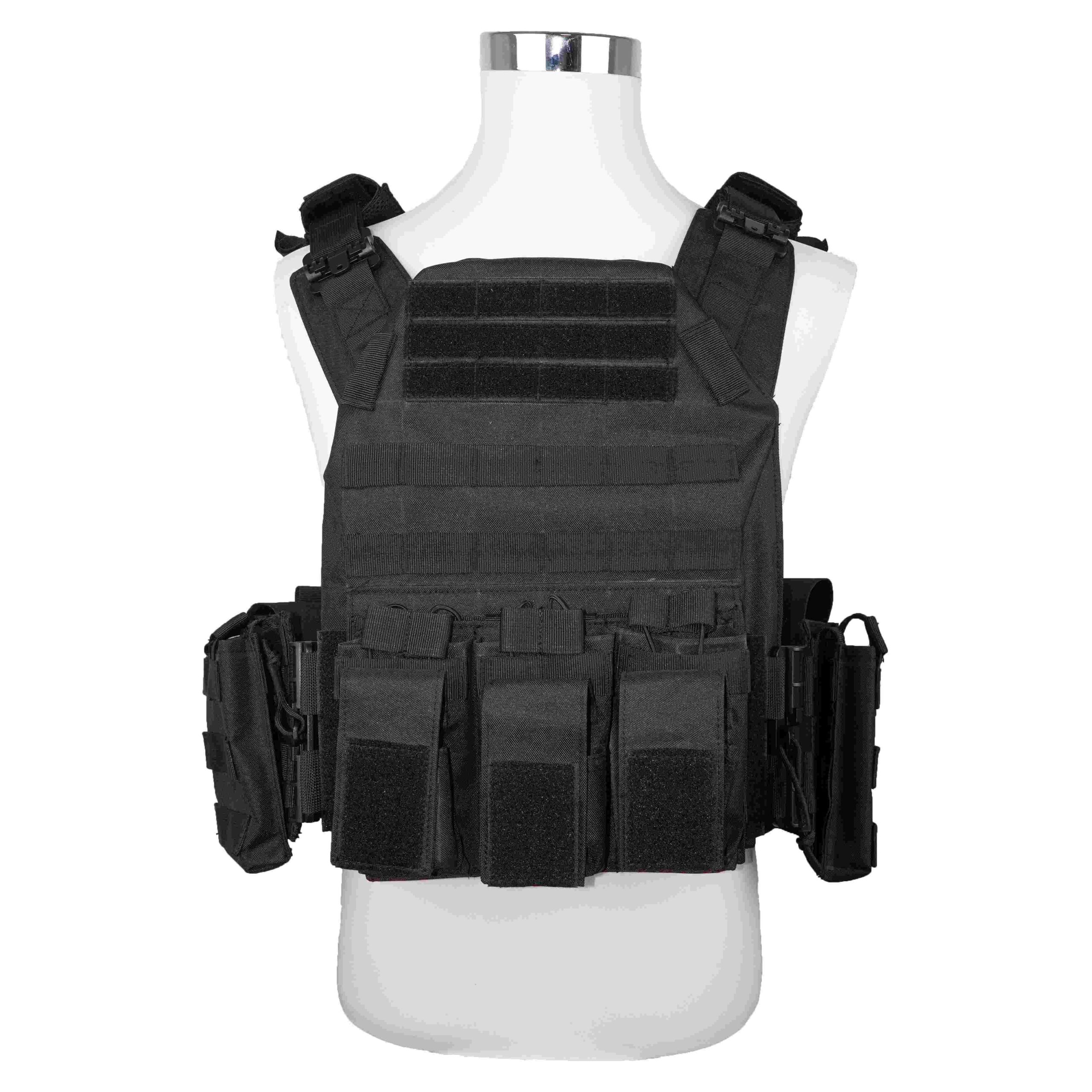
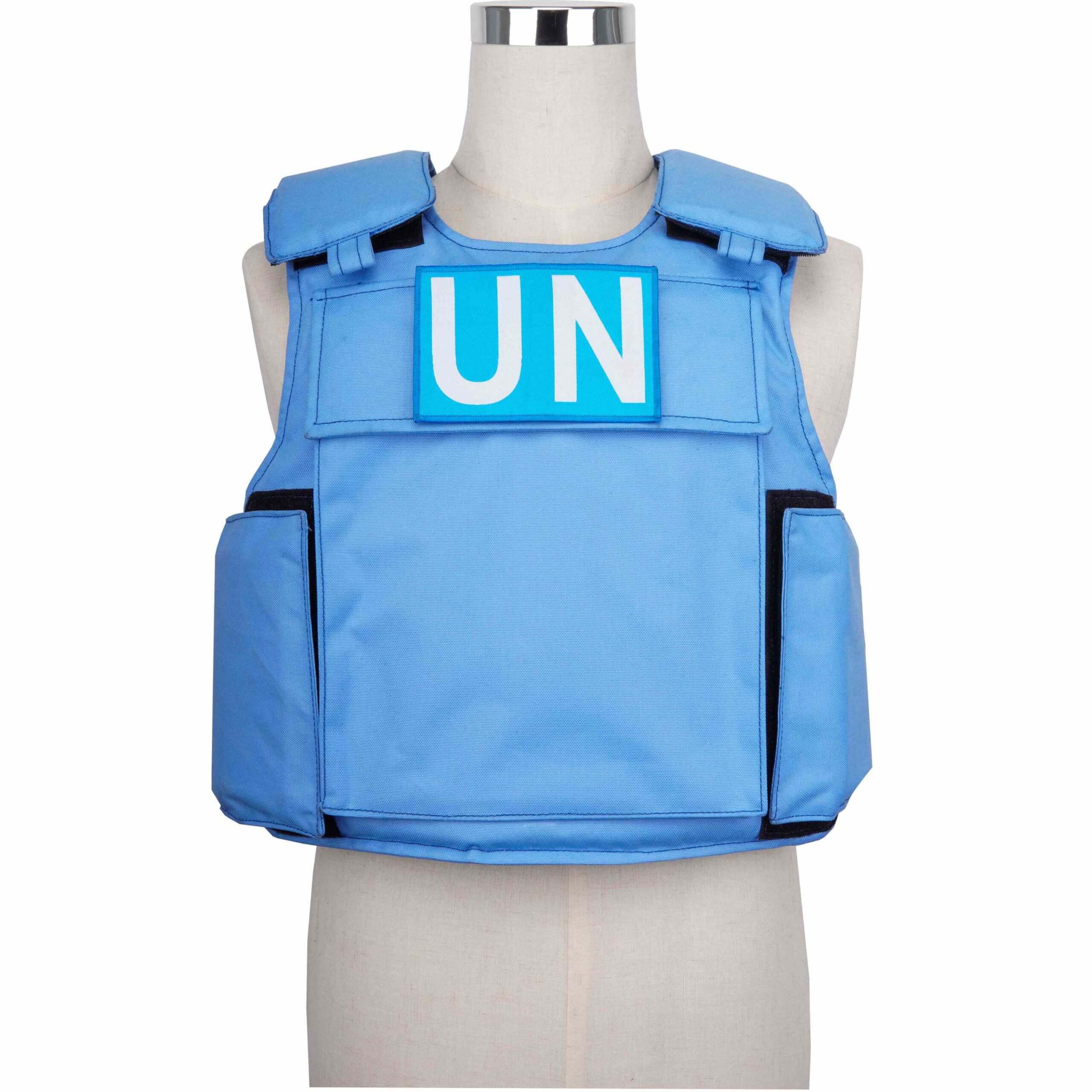
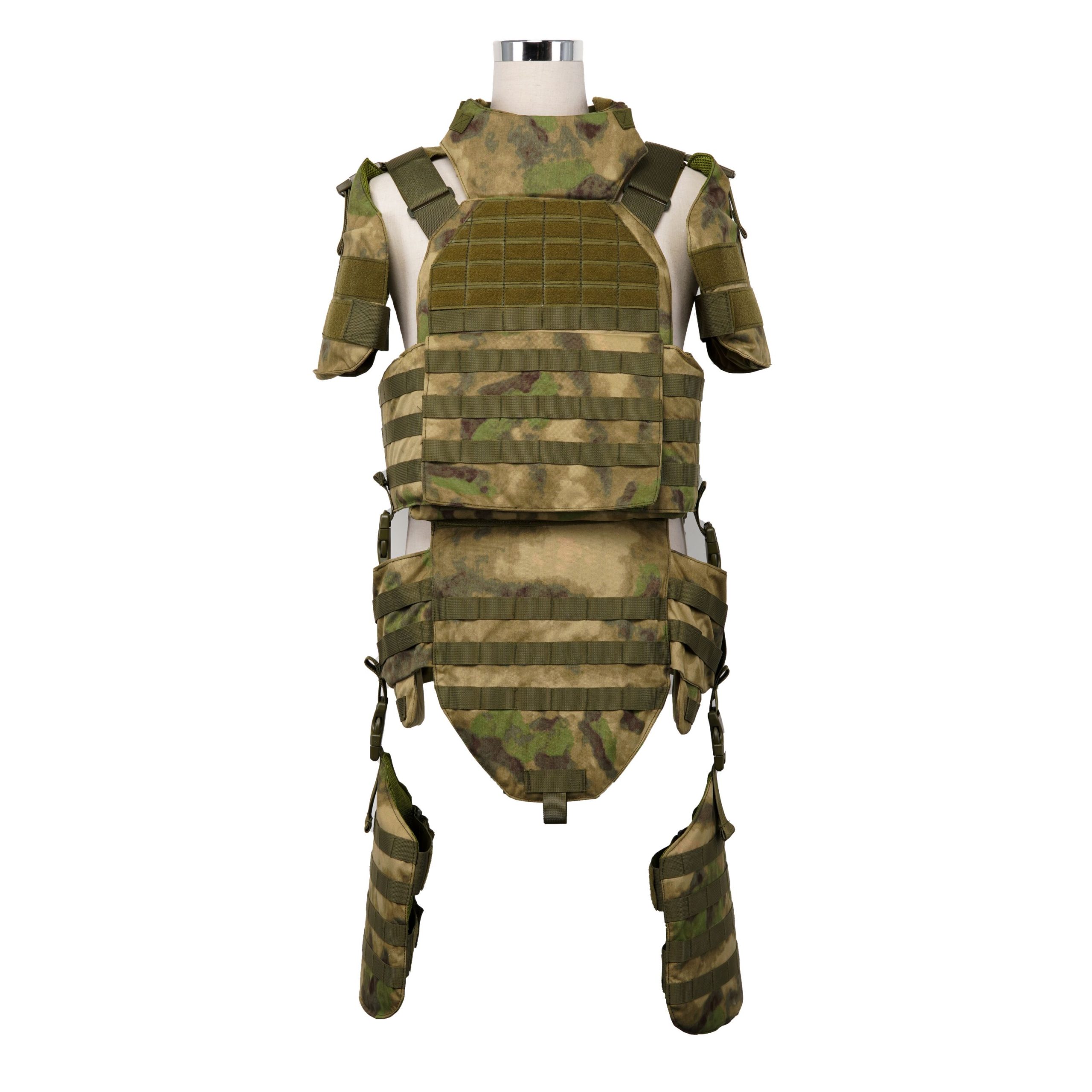
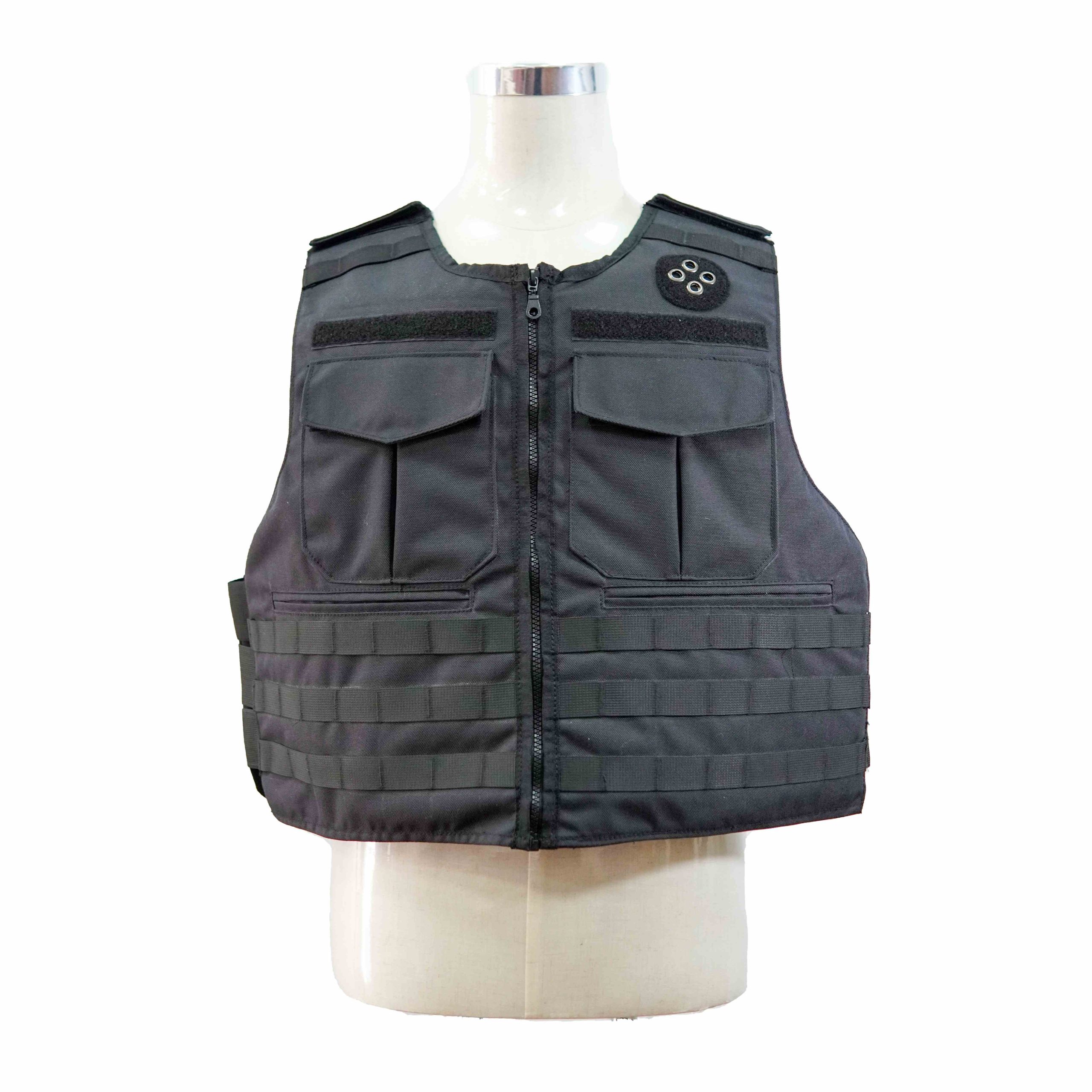
H Win Bulletproof Vest Series
Bulletproof vests are protective garments designed to absorb the impact of bullets and prevent them from penetrating the body. They are typically made of materials like Kevlar, a strong synthetic fiber, or other advanced materials that offer high resistance to gunfire. These vests are worn by law enforcement, military personnel, and sometimes civilians for protection in dangerous situations.
They come in different levels of protection, from lightweight vests that stop low-caliber bullets to heavier versions that can withstand high-caliber rounds. Bulletproof vests are often designed to be worn under clothing, offering discreet protection without being too bulky.
Why Choose H WIN For Custom Bulletproof Vests?
- Protection from Ballistic Threats: Our bulletproof vests are designed to protect wearers against specified ballistic threats and fragments, helping reduce the risk of serious injury in high-risk environments.
- Improved Protection and Mobility: H WIN vests combine reliable ballistic performance with a lightweight and practical design, allowing wearers to move more comfortably during extended use.
- Flexible Customization: We support specification, size, color, packaging, label, and logo customization. OEM and ODM services are also available to meet different market, brand, and project requirements.
- Cost-Effective Solutions: We provide competitively priced bulletproof vests without compromising the required protection level, helping customers balance performance, comfort, and procurement costs.
Our professional team responds to inquiries within 12 hours and provides efficient support throughout product selection, customization, and ordering.
Application of Body Armor Vests
- Law Enforcement: Police officers wear bulletproof vests to protect themselves during high-risk situations, such as armed confrontations or raids.
- Military Personnel: Soldiers in combat zones use bulletproof vests to shield themselves from gunfire and explosions while on the field.
- Private Security: Security guards or bodyguards working in dangerous areas often rely on bulletproof vests for added protection.
- Civilians in High-Risk Areas: People living in conflict zones or areas with high crime rates may wear bulletproof vests for personal safety.
- Emergency Responders: Paramedics or firefighters in hazardous environments may wear these vests to protect against unexpected threats.
How to Choose the Right Bulletproof Vest
Choose the Right Protection Level
Start by identifying the level of ballistic protection you actually need. Different vests are designed to resist different handgun or rifle threats. Soft armor is generally used for handgun protection, while rifle protection usually requires hard ballistic plates.
Higher protection is not always the better choice. More protective armor can also be heavier, thicker, and less flexible. For users who need to wear a vest for long periods, excessive weight can reduce mobility and increase fatigue.
Select Soft or Hard Armor
Soft body armor is lightweight and flexible, making it suitable for applications where mobility and comfort are important. It is commonly made from high-strength materials such as aramid fiber or UHMWPE and is often used in concealable or duty-style vests.
Hard armor uses rigid plates made from materials such as ceramic, polyethylene, steel, or composite structures. These plates provide higher protection, particularly against rifle threats, but add extra weight and bulk.
Some ballistic vests combine soft armor with hard plates, allowing users to achieve broader protection while maintaining a modular configuration.
Consider the Armor Material
Material has a major influence on the vest’s weight, thickness, durability, and cost.
Aramid fiber offers good flexibility and ballistic resistance and is widely used in soft armor. UHMWPE is known for its high strength-to-weight ratio and lightweight construction. Ceramic plates can provide strong rifle protection while reducing weight compared with some metal plates. Steel armor is durable but generally heavier.
The right material depends on the balance required between protection, weight, service life, and budget.
Check Size, Fit, and Coverage
A bulletproof vest must fit correctly to provide practical protection. A vest that is too large can move excessively during activity, while one that is too small may not adequately cover important areas of the torso.
Check measurements such as chest size, waist size, and torso length before selecting a vest. The vest should cover vital areas while allowing the wearer to sit, bend, turn, and move the arms comfortably.
Coverage should also match the application. Some vests protect mainly the front and back of the torso, while tactical systems may include side plates or additional shoulder, neck, or groin protection.
Evaluate Weight and Comfort
Weight is especially important for users who wear body armor for several hours at a time. A heavier vest can lead to fatigue and restrict movement.
Look for features such as adjustable shoulder straps, breathable lining, padded sections, ventilation channels, and adjustable waist systems. Good weight distribution can also make a significant difference during extended use.
The goal is to select enough protection for the expected threat without adding unnecessary weight.
Consider the Intended Application
Different environments require different vest designs. Concealable ballistic vests are suitable when a low-profile appearance is important. External tactical vests provide easier access and more space for equipment. Plate carriers are commonly used when hard rifle plates and modular accessories are required.
The vest should also be compatible with other equipment such as helmets, radios, tactical belts, backpacks, or load-bearing systems.
Verify Testing and Certification
Finally, check the ballistic testing information carefully. Do not rely only on terms such as “bulletproof,” “military grade,” or “NIJ tested.”
Review the exact armor model, stated protection level, applicable testing standard, manufacturing information, warranty, and available certification documentation. Reliable ballistic armor should provide clear and traceable performance information.
NIJ Level 3 vs Level 4 Bulletproof Vests
| Factor | Level III | Level IV |
|---|---|---|
| Current NIJ equivalent | RF1 | RF3 |
| Intended threat level | Rifle threats | Higher-level rifle/AP threat |
| Key older-standard test | 7.62×51 mm M80 Ball | .30-06 M2 AP |
| Weight | Usually lighter | Usually heavier |
| Mobility | Better | Reduced compared with Level III |
| Typical use | General rifle protection | Higher-threat environments |
| Cost | Usually lower | Usually higher |
FAQ About Bulletproof Vests
While the terms “bulletproof vest” and “flak jacket” are often used interchangeably, they refer to distinct types of protective armor designed for different threats and importantly, have different ways of measuring protection.
A flak jacket is designed to protect against shrapnel (fragments from exploding ordnance) and other lower-velocity projectiles. They offer minimal protection against bullets, especially those from rifles. Flak jackets don’t have standardized protection levels like ballistic vests. Their protection capability is generally determined by the material and construction of the jacket itself, without a universally recognized rating system.
A bulletproof vest, more accurately called a ballistic vest, is specifically engineered to stop bullets. They use dense, tightly woven fibers like Kevlar or polyethylene to absorb and dissipate the bullet’s energy. Crucially, ballistic vests are categorized into different protection levels according to the National Institute of Justice (NIJ) standards. These levels, ranging from Level IIA to Level IV, indicate the type and velocity of bullets the vest can reliably stop. A Level IIA vest, for instance, protects against lower velocity handgun rounds, while a Level IV vest is designed to stop armor-piercing rifle rounds.
NIJ Level IIA, II, IIIA, III, & IV Bulletproof vests
Yes, bulletproof vests do expire. Most vests have a shelf life of about 5 to 10 years, depending on the materials used, like Kevlar or Dyneema.
The cost of making a bulletproof vest can vary significantly based on factors such as the materials used, the level of protection required, and the design style.
- Soft armor, which is typically lighter and more flexible, is generally less expensive but provides lower protection compared to hard armor plates, which are designed to withstand higher caliber rounds.
- The grade of protection also affects pricing—higher threat levels, such as those requiring protection from armor-piercing ammunition, usually come at a higher cost.
- Basic designs with no additional features are more affordable, while vests with extra elements like pockets, zippers, and adjustable straps can increase the price.
For more information about the pricing, it’s best to consult directly with us.
The purpose of bulletproof vest is to protect the wearer from bullets fired by a gun. Vests absorb and spread the energy of a bullet to reduce injury. They can stop many handguns and some rifle rounds, depending on the vest’s protection level.
However, heavy rifles, armor-piercing rounds, or high-velocity bullets may penetrate certain vests. A vest reduces harm but does not make the wearer completely invincible. Selecting the right vest for the expected threat is essential for real protection.
Bulletproof vests protect against many bullets, but they are not indestructible. High-caliber rifles, armor-piercing bullets, and certain types of shotguns can penetrate some vests. Also, older or damaged vests lose their effectiveness. Thick steel or ceramic inserts can improve protection, but no vest is completely invincible.
Wearing the right vest for the threat is important. Bulletproof vests are designed to reduce injury, not guarantee complete safety against all firearms. Choosing the correct vest level and maintaining it properly is key to staying protected.