

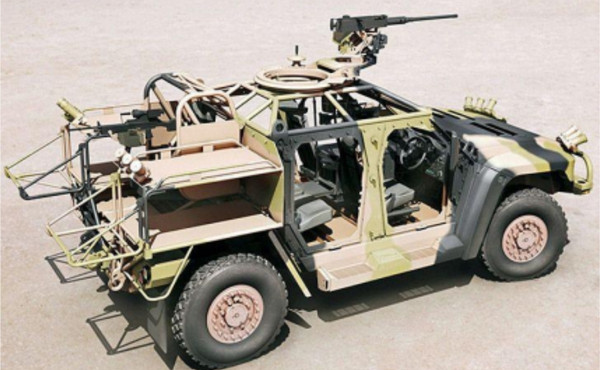
A tactical UTV gives the modern warfighter a reliable tool for modern military operations. Key features include durability, strong off-road capability, modularity, and energy efficiency. These qualities help the vehicle perform well in reconnaissance and surveillance missions, base operations and security, and logistical and supply chain support. High load capacity and adaptability allow military utility vehicles to meet the demands of any mission. These benefits set them apart from standard vehicles in challenging environments.
Durability in Tactical UTVs
Rugged Frames
Tactical UTVs must survive in tough environments. The frame is the backbone of the vehicle. Engineers design these frames to handle impacts, rough terrain, and heavy use. Steel or reinforced alloys often make up the main structure. This gives the vehicle strength without adding too much weight. Many tactical UTVs use roll cages and skid plates. These features protect the crew and the vehicle’s vital parts from rocks, debris, and sudden drops.
Note: Rugged frames help the vehicle keep moving even after taking hits or rolling over obstacles.
The durable construction for harsh conditions means the vehicle can operate in deserts, forests, and mountains. It resists rust, corrosion, and damage from mud or water. This makes it a reliable choice for missions that require long hours in the field.
Mechanical Reliability
Mechanical reliability is critical for any military vehicle. Tactical UTVs use engines and drivetrains built for endurance. These parts must work in extreme heat, cold, or wet weather. Simple designs often make repairs easier in the field. Crews can fix common problems quickly and get back to the mission.
- Key mechanical reliability features:
- Sealed electrical systems to prevent water damage
- Heavy-duty suspension for rough terrain
- Reinforced axles and drive shafts
A reliable vehicle reduces downtime and keeps teams safe. It also lowers the risk of mission failure due to breakdowns. When every minute counts, mechanical reliability can make the difference between success and failure.
Off-Road Performance
High Ground Clearance
High ground clearance is a key feature in tactical UTVs. It allows the vehicle to pass over rocks, logs, and uneven surfaces without getting stuck. The space between the bottom of the vehicle and the ground protects important parts from damage. Many tactical UTVs have adjustable suspension systems. These systems let crews change the height for different terrains.
High ground clearance helps the vehicle move through mud, sand, and snow with ease.
A table below shows how ground clearance affects performance:
| Terrain Type | Recommended Clearance (inches) | Benefit |
|---|---|---|
| Rocky Trails | 12+ | Avoids underbody damage |
| Muddy Fields | 10+ | Prevents getting stuck |
| Sandy Areas | 10+ | Reduces drag |
High clearance improves safety and keeps the vehicle running longer. It also makes it easier to rescue stranded personnel or deliver supplies in hard-to-reach areas.
Four-Wheel Drive
Four-wheel drive gives tactical UTVs extra traction. All four wheels receive power from the engine. This feature helps the vehicle climb steep hills and cross slippery surfaces. Four-wheel drive is important for missions in forests, deserts, and mountains.
- Advantages of four-wheel drive:
- Better grip on loose soil
- Improved stability on slopes
- Enhanced control in wet conditions
Four-wheel drive increases the vehicle’s capability to handle tough environments. Crews can switch between two-wheel and four-wheel drive modes. This flexibility saves fuel and reduces wear when full traction is not needed.
Tip: Four-wheel drive is essential for rapid movement during emergencies or when speed matters.
These off-road features make tactical UTVs reliable for military operations. They help teams reach remote locations and complete missions safely.
Load Capacity & Modularity
Payload Versatility
Military utility vehicles must carry a wide range of cargo. High load capacity is essential for troop and equipment transport. These vehicles often move supplies, medical gear, and even water or fuel. Some models can carry up to 1,500 pounds or more. This strength allows teams to bring everything needed for a mission.
Note: A single vehicle can move both personnel and heavy gear at the same time, saving time and effort.
A tactical UTV can also transport small groups of infantry quickly across rough terrain. This ability helps units respond faster during emergencies. The large cargo beds and strong frames make these vehicles reliable for many tasks. Teams can load stretchers, ammunition, or communication tools without worrying about overloading the vehicle.
Modular Design
Modularity is a key feature in modern military utility vehicles. Crews can change the setup of the vehicle to fit different missions. For example, a vehicle can switch from carrying cargo to supporting medical evacuations by adding or removing modules. This flexibility makes it easy to adapt to new challenges in the field.
- Common modular features:
- Removable seats for extra cargo space
- Mounting points for weapons or communication systems
- Quick-attach racks for specialized equipment
Modular design supports logistics, reconnaissance, and infantry support roles. Teams can reconfigure the vehicle in minutes, which increases mission success. This adaptability means fewer vehicles are needed for different tasks, making operations more efficient.
Customization & Electric Models
Mission Adaptability
Military utility vehicles must adapt to many roles in the field. Customizable configurations for defense needs allow teams to change the vehicle’s setup quickly. Crews can add armor, swap out seating, or install racks for medical supplies. Some vehicles have mounting points for communication gear or surveillance equipment. This flexibility helps units prepare for different tasks without needing a new vehicle for each job.
A table below shows common customizable features:
| Feature | Purpose |
|---|---|
| Removable seats | Increase cargo space |
| Weapon mounts | Support defense operations |
| Storage racks | Carry specialized equipment |
| Communication systems | Enhance coordination |
Customizable military utility vehicles improve operational flexibility. Teams can respond to changing conditions and mission requirements. This adaptability saves time and resources in the field.
Silent Operation
Electric military utility vehicles offer a major advantage in stealth operations. These vehicles produce less noise than gas-powered military utility vehicles. Silent operation for stealth missions helps teams move without drawing attention. Electric models also create less heat, making them harder to detect with thermal sensors.
Tip: Electric military utility vehicles require less maintenance because they have fewer moving parts.
Lower maintenance needs mean more time in the field and fewer breakdowns. Electric military utility vehicles also reduce fuel supply challenges. Teams can recharge batteries in remote locations using portable solar panels or generators. This makes electric models a strong choice for modern missions that demand quiet movement and reliability.
Military Utility Vehicles vs. Conventional Vehicles
Operational Advantages
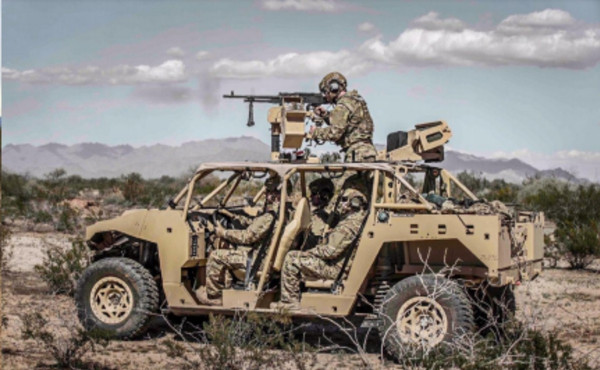
Military utility vehicles offer several advantages over conventional vehicles in modern military operations. These vehicles are designed for quick deployment and can move across rough terrain with ease. Standard vehicles often struggle in muddy fields, rocky paths, or sandy areas. Tactical UTV models have higher ground clearance and four-wheel drive, which help them avoid getting stuck.
A table below highlights key differences:
| Feature | Military Utility Vehicles | Conventional Vehicles |
|---|---|---|
| Off-road capability | Excellent | Limited |
| Maneuverability | High | Moderate |
| Deployment speed | Rapid | Slower |
| Modularity | Adaptable | Fixed |
Military utility vehicles can carry both infantry and equipment. Their modular design allows teams to change the setup for different missions. This flexibility is important for logistics, medical support, and reconnaissance.
Note: Enhanced maneuverability lets teams reach remote locations quickly, which is vital during emergencies.
Real-World Benefits
In real-world missions, military utility vehicles show their value. They can transport supplies, rescue injured personnel, and support infantry in the field. Standard vehicles may not handle harsh environments or sudden changes in mission needs.
Some benefits include:
- Faster response times during deployment
- Ability to adapt to changing mission requirements
- Improved safety for crews and equipment
Tactical UTV models help teams complete tasks that would be difficult or impossible with regular vehicles. Their design supports the demands of modern military operations and ensures that missions can continue even in challenging conditions.
FAQ
What makes a tactical UTV different from a regular utility vehicle?
Tactical UTVs have stronger frames, higher ground clearance, and modular designs. These features help them handle rough terrain and adapt to many missions. Regular utility vehicles often lack these capabilities.
How much weight can a tactical UTV carry?
Most tactical UTVs can carry between 1,000 and 1,500 pounds. This allows teams to transport equipment, supplies, or personnel safely. Always check the specific model for exact limits.
Are electric tactical UTVs reliable in the field?
Electric tactical UTVs offer quiet operation and need less maintenance. They work well for stealth missions. Teams can recharge them with portable power sources in remote areas.
Can tactical UTVs be customized for different missions?
Yes. Crews can add or remove seats, install weapon mounts, or attach storage racks. This flexibility lets teams prepare for medical, supply, or reconnaissance tasks quickly.
What kind of terrain can tactical UTVs handle?
| Terrain | Performance |
|---|---|
| Mud | Excellent |
| Sand | Very Good |
| Rocky paths | Excellent |
| Snow | Good |
Tactical UTVs perform well in many environments, including mud, sand, rocks, and snow.