

Quick Answer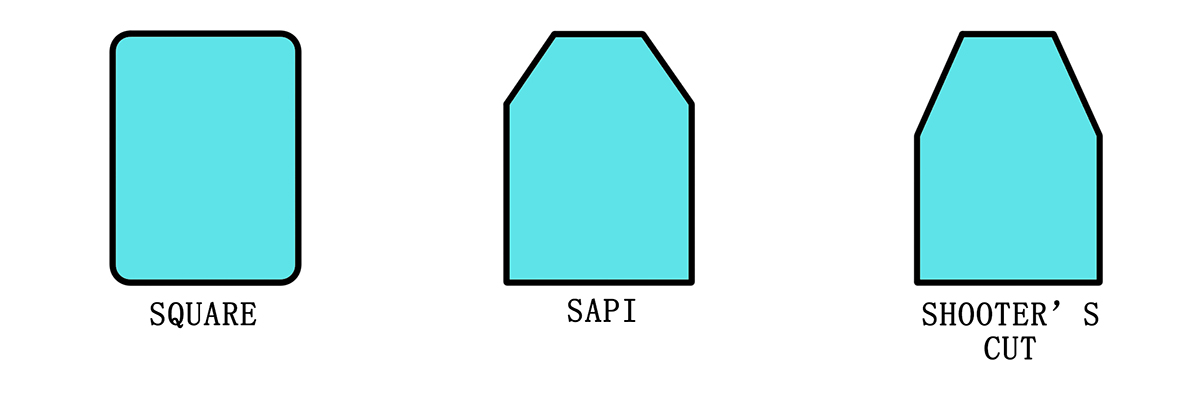
Best Choice by Use Case
Choosing between sapi and shooter plates depends on your main goal. Some people need more protection, while others want to move faster and easier. Here is a quick guide to help you decide:
| Use Case | Best Plate Cut | Why It Works Well |
|---|---|---|
| Law Enforcement | SAPI | Offers more coverage for vital organs |
| Civilian Home Defense | Shooter | Easier movement and lighter weight |
| Military Operations | SAPI | Maximum protection in high-risk areas |
| Training & Range Days | Shooter | Greater comfort and shoulder mobility |
| Security Professionals | Shooter | Good balance of protection and movement |
Tip: Think about your daily tasks. If you need to shoulder a rifle often, shooter cut plates may feel better. If you expect high-threat situations, sapi cut plates give more coverage.
The sapi cut and shooter debate often comes down to your role and what you do most. People who need to move quickly or use their arms a lot often pick shooter cut. Those who want the most protection usually choose sapi cut.
Key Factors to Consider
When comparing sapi and shooter, focus on these important points:
- Protection Level: SAPI plates cover more of your chest and sides. Shooter plates have cut corners for better arm movement.
- Mobility: Shooter cut plates let your arms move freely. This helps with aiming and handling gear.
- Comfort: The shape of the plate affects how it fits your body. Shooter cut plates often feel less bulky.
- Weight: SAPI plates can be heavier because they cover more area. Shooter plates are usually lighter.
- Gear Compatibility: Make sure your plate carrier fits the plate shape you choose.
Note: Try on both types if you can. The best way to decide in the sapi and shooter choice is to see which one feels right for your body and your tasks.
Shooter’s Cut Overview
Design & Mobility
The shooter’s cut plate stands out because of its unique shape. The top corners are angled more deeply than other cuts. This design helps users lift their arms higher and move their shoulders with less restriction. Many tactical users prefer the shooter’s cut for its focus on mobility. The plate allows for quick aiming and easy handling of gear. Compared to swimmers cut and swimmer’s cut, the shooter’s cut offers a balance between coverage and movement. Tactical teams often choose the shooter’s cut when they need to react fast and stay agile.
The shooter’s cut improves mobility for tasks that require frequent arm movement. It supports tactical activities like shooting, climbing, and running.
Shooters Cut Pros & Cons
The shooters cut has several advantages and disadvantages. Here is a simple list:
Pros:
- Increases mobility for tactical operations
- Reduces bulk around the shoulders
- Makes it easier to shoulder rifles and other gear
- Fits well in many tactical plate carriers
- Offers lighter weight compared to full-size plates
Cons:
- Provides less coverage than SAPI or rectangular plates
- May leave some areas less protected
- Not always ideal for high-threat tactical environments
The shooters cut works well for tactical users who value movement. Swimmers cut and swimmer’s cut plates offer even more mobility, but the shooters cut keeps more protection.
Ideal Uses for Shooters Cut
The shooters cut fits many tactical scenarios. It is popular among users who need to move quickly and handle weapons often. Tactical training, range days, and security work benefit from the shooters cut. Swimmers cut and swimmer’s cut plates are best for extreme mobility, but the shooters cut is a strong choice for balanced tactical needs.
- Tactical training sessions
- Security patrols
- Range practice
- Situations where mobility matters most
Choose the shooters cut if you want a plate that supports tactical movement and keeps you comfortable during active tasks.
SAPI Cut Overview
Protection & Coverage
The sapi cut plate is known for its focus on protection. This armor plate shape gives maximum coverage to the chest and vital organs. The sapi cut design features slightly angled corners at the top. These angles help with arm movement while keeping a large profile. Many users choose sapi cut plates when they want comprehensive protection. The sapi cut covers more area than shooter or swimmer cuts. It shields the heart, lungs, and other important parts of the body. The sapi cut is a top choice for high-risk security jobs because it offers maximum coverage and strong armor protection.
The sapi cut plate is designed for those who need comprehensive protection and are willing to carry a larger profile for safety.
SAPI Cut Pros & Cons
Here is a look at the main advantages and disadvantages of the sapi cut:
Pros:
- Offers maximum coverage for the chest and sides
- Provides comprehensive protection for vital organs
- Fits most standard armor carriers
- Good for high-risk security and tactical operations
Cons:
- Can feel heavier due to the larger profile
- May limit shoulder mobility compared to shooter cut
- Less comfortable for long periods of wear
The sapi cut gives armor users a balance between protection and coverage. It is best for those who put safety first.
Best Uses for SAPI Cut
The sapi cut works well in many situations where protection is the main goal. It is often used in military and high-risk security roles. Law enforcement teams also use sapi cut plates for maximum coverage during dangerous missions. The sapi cut is a smart choice for anyone who needs armor with a large profile and comprehensive protection.
| Scenario | Why SAPI Cut Works Well |
|---|---|
| Military Operations | Maximum coverage and protection |
| High-Risk Security | Comprehensive protection |
| Law Enforcement | Large profile for vital coverage |
Choose sapi cut armor if you need the highest level of protection and maximum coverage for your chest and sides.
Choosing the Right Plate Cut
Assessing Your Needs
Start by thinking about your daily activities and the level of risk you face. People in military roles often need plates that offer maximum protection. Law enforcement officers may want plates that balance coverage and movement. Civilians usually look for plates that provide a comfortable fit and allow easy movement. Security professionals must consider both protection and mobility. Training sessions require plates that do not restrict motion. Ask yourself how much protection you need and how often you move your arms or shoulders.
Tip: Try wearing different plate cuts during your activities. This helps you find a comfortable fit and see which plate works best for your needs.
Matching Plate Cuts to Roles
Different roles call for different plate cuts. Military personnel often choose SAPI plates because they cover more area and protect vital organs. Shooter plates are popular in military training, where mobility matters. Law enforcement teams use SAPI plates for dangerous missions. Security workers may prefer shooter plates for patrols. Civilians who want a comfortable fit often select shooter plates for home defense. Military operations require plates that can handle high-threat environments. Military training benefits from plates that allow quick movement.
| Role | Recommended Plate Cut | Reason |
|---|---|---|
| Military | SAPI | Maximum protection |
| Military Training | Shooter | Enhanced mobility |
| Law Enforcement | SAPI | Vital coverage |
| Security | Shooter | Balance of movement and safety |
| Civilian | Shooter | Comfortable fit and easy use |
Practical Tips for Selection
When choosing a plate cut, focus on three main points:
- Protection: Military plates should cover vital organs. Shooter plates offer less coverage but more movement.
- Mobility: Military training needs plates that allow fast arm movement. Shooter plates help with this.
- Fit: Always check that your plate carrier matches the plate shape. A comfortable fit prevents pressure points and discomfort.
Note: Military users should test both SAPI and shooter plates in their gear. This ensures a comfortable fit and proper protection.
Choosing the right plate cut means balancing protection, mobility, and a comfortable fit. Military roles demand strong armor, while civilians and security workers may value movement and comfort more.
FAQ
1. What is the main difference between SAPI and shooter cut plates?
The main difference is coverage and mobility. SAPI plates provide more coverage for vital organs, while shooter cut plates have angled corners that allow better arm movement and weapon handling.
2. Which plate cut is better for home defense?
Shooter cut plates are usually better for home defense because they are lighter and allow quicker movement, which is important in close and dynamic environments.
3. Are SAPI plates heavier than shooter cut plates?
Yes, SAPI plates are generally heavier because they cover a larger surface area, offering more protection compared to the lighter and more streamlined shooter cut plates.
4. Why do military and law enforcement prefer SAPI plates?
They prefer SAPI plates because they offer maximum protection and better coverage of vital organs, which is critical in high-risk and combat situations.
5. Can I use shooter cut plates for training and range use?
Yes, shooter cut plates are an excellent choice for training and range days because they provide better comfort, flexibility, and ease of movement during repeated drills.