

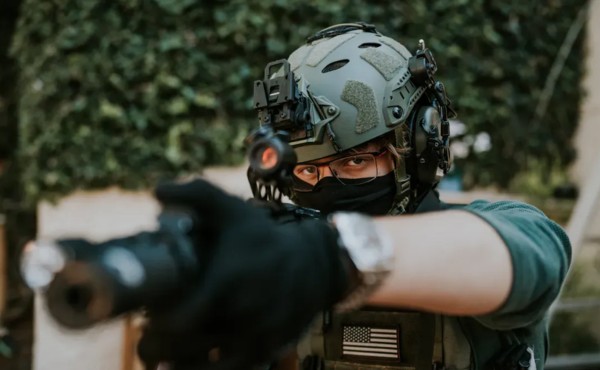
Officer safety remains the highest priority for every police agency. This procurement guide supports procurement officers in making informed decisions that directly impact operational effectiveness. Selecting the right gear requires careful analysis of needs, budget, and compliance standards. The procurement guide highlights the importance of understanding NIJ standards and available grant programs. Procurement officers can rely on this body armor guide to navigate the complex enforcement landscape and ensure the best outcomes for law enforcement.
Law Enforcement Body Armor Types
Soft Armor Overview
Soft body armor forms the foundation of law enforcement body armor. Agencies rely on this tactical gear for daily patrol and routine enforcement duties. Soft body armor uses advanced materials to deliver ballistic protection against handgun threats. Police body armor in this category offers flexibility and comfort, allowing officers to move freely during tactical operations.
Soft body armor is lightweight and fits under uniforms, making it ideal for covert enforcement tasks. Tactical gear manufacturers design soft body armor to meet strict ballistic standards. This armor provides protection without sacrificing mobility. Soft body armor is essential for police officers who require reliable ballistic personal protective equipment. Agencies select soft body armor based on threat levels and operational needs. Soft body armor remains a critical component of tactical gear for law enforcement.
Hard Plates And Carriers
Hard plates and carriers enhance ballistic protection for police officers facing rifle threats or high-risk tactical situations. Law enforcement body armor in this category includes rigid armor plates made from materials such as ceramic or polyethylene. These plates fit into tactical gear carriers, offering increased protection against advanced ballistic threats. Agencies deploy hard armor plates during tactical operations, raids, or enforcement missions requiring maximum protection.
Tactical gear carriers allow officers to customize their armor setup for specific enforcement scenarios. Hard armor plates provide a higher level of ballistic protection compared to soft body armor. Police body armor with hard plates is heavier but delivers superior protection. Agencies evaluate hard armor based on threat assessment and tactical requirements. Hard plates and carriers are vital for specialized enforcement teams.
Helmets And Shields
Helmets and shields complete the tactical gear suite for law enforcement body armor. Ballistic helmets protect officers from head injuries during enforcement operations. Tactical helmets use advanced armor materials to deliver ballistic protection against fragmentation and handgun threats. Ballistic shields offer mobile protection for police teams entering dangerous environments.
These shields use reinforced armor to stop ballistic threats and provide cover during tactical maneuvers. Agencies select helmets and shields based on operational needs and threat levels. Ballistic personal protective equipment in this category ensures comprehensive protection for police officers. Tactical gear manufacturers design helmets and shields to meet rigorous ballistic standards. Law enforcement body armor must include helmets and shields for full tactical protection.
Procurement Guide: Key Considerations
Threat Assessment For Agencies
Procurement officers must begin with a thorough threat assessment. Agencies evaluate the types of threats their personnel face during daily operations. This assessment helps determine the appropriate armor and tactical gear. Officers may encounter handgun threats, rifle threats, or situations requiring additional protection.
Agencies use threat assessment to select body armor that matches operational needs. Procurement teams review incident reports and consult with enforcement leaders to identify risks. Accurate threat assessment ensures that law enforcement receives armor with the right ballistic protection. Agencies must update threat assessments regularly to address changing environments and new enforcement challenges.
Tip: Agencies should document threat levels and operational requirements before starting the procurement process. This step helps align armor selection with real-world needs.
NIJ Standards Explained
Understanding NIJ standards is essential for procurement officers. The National Institute of Justice (NIJ) sets guidelines for armor performance and ballistic protection. NIJ Standard-0101.06 is the most recognized benchmark for body armor. This standard defines how armor must perform against specific ballistic threats.
NIJ protection levels range from Level IIA to Level IV. Each level describes the type of ballistic threat the armor can stop. For example, Level II and Level IIIA protect against most handgun threats. Level III and Level IV provide protection against rifle threats. Procurement teams must select armor that meets the required NIJ protection levels for their agency.
NIJ ballistic standards ensure that armor has been tested and certified. Procurement officers should request documentation showing compliance with NIJ standards. Agencies must verify that armor meets or exceeds NIJ requirements. Selecting armor with proper NIJ certification helps law enforcement maintain safety and compliance.
| NIJ Protection Level | Ballistic Threat | Typical Use Case |
|---|---|---|
| Level II | Handgun | Patrol, routine enforcement |
| Level IIIA | Handgun, fragmentation | Tactical, covert operations |
| Level III | Rifle | High-risk tactical missions |
| Level IV | Armor-piercing rifle | Specialized enforcement teams |
Note: Procurement teams should avoid armor that lacks NIJ certification. NIJ standards provide assurance of quality and performance.
Material And Durability
Procurement officers must consider material and durability when selecting armor. Body armor uses advanced materials such as aramid fibers, polyethylene, and ceramics. These materials provide ballistic protection and impact resistance. Agencies must evaluate the durability of armor for daily use. Tactical gear must withstand harsh environments, repeated wear, and cleaning. Procurement teams should review product specifications and request samples for inspection. Durable armor reduces replacement costs and ensures long-term protection for law enforcement.
Procurement teams must also consider weight and flexibility. Lightweight armor improves mobility and comfort. Flexible materials allow officers to perform tactical maneuvers without restriction. Agencies should balance durability with comfort to maximize operational effectiveness.
Alert: Always check the warranty and maintenance requirements for armor. Durable materials extend the life of tactical gear and protect agency investments.
Fit And Sizing Lessons Learned
Proper fit and sizing are critical for body armor effectiveness. Procurement officers must ensure that armor fits each officer correctly. Ill-fitting armor can reduce ballistic protection and hinder movement. Agencies have learned that accurate measurements and sizing charts are essential. Procurement teams should conduct fitting sessions and collect feedback from law enforcement personnel. Officers must try on armor and perform tactical movements to test comfort and coverage.
Lessons from agency leaders highlight the importance of customization. Some agencies offer tailored armor solutions to address unique body shapes and operational needs. Procurement teams must prioritize fit during the selection process. Well-fitted armor improves officer safety and morale.
Callout: Agencies should maintain records of sizing and fit preferences. This practice streamlines future procurement and ensures consistent protection for law enforcement.
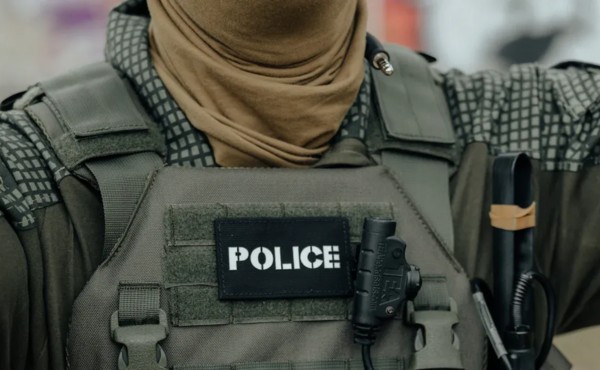
Federal Body Armor Grant Programs
Available Funding Sources
Law enforcement agencies often face budget constraints when purchasing ballistic protection. Federal body armor grant programs help agencies secure essential armor and tactical equipment. These grants support the acquisition of ballistic vests, helmets, and shields. The most prominent source is the federal government, which offers dedicated grants for body armor. The Bulletproof Vest Partnership (BVP) stands as a primary example of federal support. This program reimburses agencies for up to half the cost of approved ballistic vests.
State-level body armor grant programs also provide funding. Many states allocate grants to supplement federal resources. These programs may focus on specific needs, such as tactical armor or specialized ballistic protection. Nonprofit organizations further expand funding opportunities. Some nonprofits offer grants for ballistic gear, especially for smaller or rural agencies.
The table below summarizes key funding sources for body armor grants:
| Funding Source | Description | Eligible Equipment |
|---|---|---|
| Federal Body Armor Grant Programs | National grants for ballistic protection | Ballistic vests, helmets, shields |
| State-Level Body Armor Grant Programs | State grants for tactical and ballistic gear | Body armor, tactical carriers |
| Nonprofit Grants | Private funding for law enforcement armor | Ballistic vests, shields |
Tip: Agencies should review eligibility criteria for each grant. Some grants require compliance with NIJ standards for ballistic protection.
How To Apply For Body Armor Grants
Understanding how to apply for body armor grants is crucial for successful procurement. Agencies must follow a structured process to maximize their chances of securing grants. The first step involves identifying available grants. Agencies should monitor federal, state, and nonprofit announcements for new funding opportunities. Many grant programs, including ballistic vest grants, have annual application cycles.
The application process typically includes the following steps:
-
Register and Prepare Documentation
Agencies must register with the grant portal or funding agency. Required documentation often includes proof of need, agency demographics, and previous grant history. -
Demonstrate Compliance
Most grants require agencies to specify that requested armor meets NIJ standards. Documentation should include product specifications and NIJ certification for all ballistic gear. -
Complete the Application
Agencies must fill out detailed forms describing their need for body armor. The application should outline the number of officers, current inventory, and the type of ballistic threats faced. -
Submit Supporting Materials
Supporting materials may include letters of support, budget justifications, and threat assessments. Agencies should provide clear evidence of the need for ballistic protection. -
Review and Follow Up
After submission, agencies should track the status of their application. Some grants require additional information or clarification during the review process.
Alert: Missing deadlines or incomplete applications can result in disqualification. Agencies should assign a dedicated staff member to manage the grant process.
Tips for success when applying for body armor grants:
- Start early to gather all required documentation.
- Ensure all armor and tactical gear meet NIJ certification.
- Clearly explain the operational need for ballistic protection.
- Maintain records of previous grants and outcomes.
- Seek feedback from grant administrators if applications are unsuccessful.
Ballistic vest grants and other body armor grants often prioritize agencies with demonstrated need and compliance with federal guidelines. Agencies should also explore state-level body armor grant programs and nonprofit grants to supplement federal funding. Understanding how to apply for body armor grants increases the likelihood of securing critical ballistic protection for officers.
Note: Agencies should regularly review grant opportunities and update their application strategies to reflect changing requirements and funding priorities.
Procurement Process And Compliance
Pre-Negotiated Contracts
Many agencies use pre-negotiated contracts to streamline the acquisition of armor. These contracts allow procurement officers to access approved vendors and standardized pricing. Government procurement processes often require agencies to select armor from established lists.
This approach saves time and ensures compliance with purchasing rules. Pre-negotiated contracts also help agencies secure armor that meets nij standards. Officers can compare ballistic protection options and select the best fit for their operational needs. Agencies should review contract terms carefully to confirm delivery timelines and warranty coverage.
Tip: Agencies should document all armor purchases made through pre-negotiated contracts. This practice supports transparency and simplifies future audits.
Legal And Regulatory Requirements
Compliance with legal and regulatory requirements is essential in the procurement of armor. Agencies must follow federal, state, and local laws when purchasing ballistic protection. Many regulations require armor to meet nij certification. Procurement officers should verify that all armor meets the latest nij standards before purchase.
Agencies must also maintain records of armor serial numbers and certifications. Some jurisdictions require officers to complete training on the proper use of body armor. Legal compliance protects agencies from liability and ensures officers receive quality ballistic protection.
| Requirement | Description |
|---|---|
| NIJ Certification | Armor must meet current nij standards |
| Recordkeeping | Agencies must track armor inventory |
| Training | Officers may need training on armor use |
| Warranty Documentation | Agencies must retain warranty information |
Quality Assurance Checklist
A quality assurance checklist helps agencies evaluate armor before and after purchase. Procurement officers should inspect all armor shipments for defects or damage. Each piece of armor must include documentation proving nij compliance. Agencies should test armor samples for ballistic performance and durability. Quality checks must confirm that armor fits officers properly and provides full coverage. Officers should report any issues with armor comfort or function. Regular inspections help agencies maintain high quality standards for ballistic protection.
Sample Quality Assurance Checklist:
- Verify nij certification for all armor
- Inspect armor for visible defects
- Confirm ballistic performance through testing
- Check fit and comfort for each officer
- Review warranty and maintenance instructions
- Maintain records of all quality checks
Alert: Consistent quality assurance ensures that every officer receives reliable armor. Agencies should update their checklist as nij standards evolve.
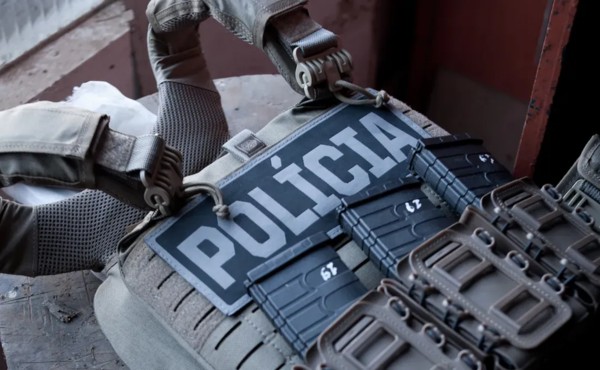
Evaluating And Selecting Gear
Vendor Comparison
Procurement officers must compare vendors before making a final selection. Agencies should request detailed proposals from multiple suppliers. Each proposal should include product specifications, pricing, delivery timelines, and compliance documentation. Officers can use a comparison table to evaluate key factors.
| Criteria | Vendor A | Vendor B | Vendor C |
|---|---|---|---|
| NIJ Certification | Yes | Yes | Yes |
| Price Per Unit | $ | $ | $ |
| Delivery Time | Weeks | Weeks | Weeks |
| Warranty Length | Years | Years | Years |
| Support Services | Yes | Yes | Yes |
Tip: Agencies should prioritize vendors who provide clear documentation and responsive customer service.
Field Testing And Feedback
Field testing ensures that selected gear performs under real-world conditions. Agencies should organize controlled trials where officers wear and use the armor during typical duties. Officers should evaluate comfort, mobility, and coverage. Feedback from end users helps identify issues that may not appear in technical specifications. Agencies should collect written evaluations and discuss results in review meetings.
- Test gear in various weather conditions.
- Assess ease of movement and fit.
- Record any discomfort or limitations.
Callout: Field testing reduces the risk of purchasing gear that does not meet operational needs.
Warranty And Support
Warranty and support services protect agency investments. Officers should review warranty terms for coverage length and conditions. Agencies must confirm that vendors offer prompt repair or replacement services. Support should include training on proper use and maintenance. Reliable support ensures that armor remains effective throughout its service life.
- Check for clear warranty documentation.
- Confirm availability of technical support.
- Schedule regular maintenance checks.
Alert: Strong warranty and support agreements help agencies avoid unexpected costs and downtime.
Streamlining Procurement
Efficient Purchasing Tips
Procurement officers can improve efficiency by following a structured approach. Start with a clear needs assessment. List the types and quantities of ballistic gear required for your agency. Use digital tools to track inventory and forecast future needs. This practice reduces the risk of over-ordering or shortages.
Create a procurement calendar. Schedule regular reviews of contracts and grant deadlines. Early planning helps agencies avoid last-minute purchases and missed funding opportunities. Use pre-negotiated contracts whenever possible. These agreements save time and ensure compliance with purchasing rules.
Build strong relationships with approved vendors. Request updated catalogs and product samples. Compare pricing and delivery options before making a decision. Keep detailed records of all communications and transactions.
Tip: Assign a dedicated team member to oversee the procurement process. This person can monitor timelines, manage documents, and coordinate with vendors.
Common Challenges And Solutions
Procurement teams often face obstacles during the purchasing process. Delays in funding or approval can slow down orders. To address this, maintain open communication with finance and leadership. Share regular updates on procurement status.
Another challenge involves unclear specifications. If requirements are not well defined, agencies may receive gear that does not meet operational needs. Develop clear technical specifications before requesting quotes. Involve end users in the review process to ensure the gear fits real-world scenarios.
Managing multiple vendors can also create confusion. Use comparison tables to evaluate offers side by side. Document reasons for final selections to support transparency.
| Challenge | Solution |
|---|---|
| Funding Delays | Early planning, regular updates |
| Unclear Specifications | Detailed requirements, feedback |
| Vendor Confusion | Comparison tables, documentation |
Alert: Regular training for procurement staff helps agencies stay updated on best practices and compliance requirements.
FAQ
What is the difference between soft and hard body armor?
Soft armor protects against most handgun threats and offers flexibility for daily use. Hard armor uses rigid plates to stop rifle rounds and is heavier. Agencies select armor type based on threat assessment and operational needs.
How often should body armor be replaced?
Most body armor has a recommended service life of five years. Agencies should inspect armor regularly for damage or wear. Always follow manufacturer guidelines for replacement schedules.
Are all body armor products required to meet NIJ standards?
Only armor that meets current NIJ standards ensures certified ballistic protection. Agencies should verify NIJ compliance before purchase. Non-certified products may not provide adequate safety.
Can body armor be adjusted for different body types?
Yes, many armor systems offer adjustable straps and sizing options. Proper fit is essential for protection and comfort. Agencies should conduct fitting sessions for all personnel.
What funding options exist for agencies with limited budgets?
Agencies can apply for federal, state, or nonprofit grants to help cover the cost of ballistic protection gear. Early application and compliance with grant requirements improve funding success.