

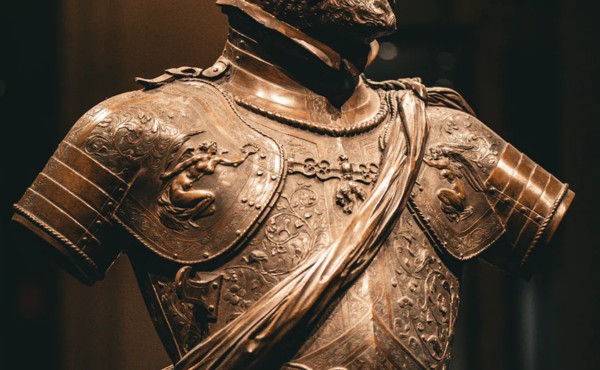
Plate armor first appeared as a response to evolving weapons and battlefield threats. Ancient Greece saw early examples, where warriors used bronze plates for protection. Later, medieval Europe developed more advanced designs as metallurgy improved. Chainmail offered flexibility, but metal plates provided greater defense against arrows and swords. Plate armor changed how soldiers fought and influenced social status in many cultures.
Technological advances in iron and steel made stronger, more durable armor possible.
History of Plate Armor Origins
Ancient Plate Armor in Greece
The history of plate armor begins in ancient Greece. Early Greek warriors, known as hoplites, wore bronze plates to protect their bodies. These plates covered the chest, back, and sometimes the legs. The armor helped shield soldiers from spears and arrows. Greek craftsmen shaped the metal to fit the human body. This made the armor both strong and comfortable.
Note: The famous “Dendra panoply” is one of the oldest examples of this type of armor. It dates back to the 15th century BCE.
Greek plate armor was heavy, but it gave warriors a big advantage in battle. The use of metal plates showed the importance of protection in warfare. Over time, other cultures learned from the Greeks and started making their own versions.
Medieval European Plate Armor Emergence
The history of plate armor continued in medieval Europe. During the 13th century, knights and soldiers began to add metal plates to their chainmail. This change happened because weapons became stronger and more dangerous. At first, small plates protected the elbows, knees, and shins. Later, larger plates covered the chest and arms.
By the 14th century, full suits of plate armor appeared on European battlefields. Armorsmiths used new techniques to shape iron and steel. These advances made the armor lighter and more flexible. Plate armor became a symbol of status and power. Only wealthy knights and nobles could afford the best suits.
- Key features of medieval plate armor:
- Articulated joints for better movement
- Helmets with visors for face protection
- Layered plates for extra strength
The history of plate armor shows how technology and warfare influenced each other. Each new design aimed to keep soldiers safe while allowing them to fight effectively.
Development of Plate Armor
Reinforcing Chainmail with Plates
The development of plate armor did not happen overnight. Early medieval warriors relied on chainmail for body protection. Chainmail consisted of thousands of interlinked metal rings. This armor worked well against slashing attacks, but it struggled to stop arrows or heavy blows. As weapons improved, so did the need for better defense.
Armorsmiths began the development of plate armor by adding small metal plates to chainmail. These plates, called “coat of plates,” covered vital areas like the chest and back. Soldiers wore these reinforced garments over their chainmail shirts. The development of plate armor continued as more plates were added to protect the arms and legs. This process marked a turning point in the development of body protection.
During the 12th and 13th centuries, the development of plate armor accelerated. Armorsmiths experimented with different shapes and sizes of plates. They attached plates with leather straps or rivets. This allowed for greater movement and flexibility. The development of plate armor focused on balancing protection with mobility. Soldiers needed to move quickly on the battlefield, so making the armor lighter became a priority.
Note: The development of plate armor was a response to new threats. Crossbows and longbows could pierce chainmail, so thicker and stronger plates became necessary.
Advances in Metallurgy and Armorsmithing
The development of plate armor depended on advances in metallurgy. Early plates used simple iron, but this metal was heavy and could bend under strong impacts. By the late 13th century, blacksmiths learned to make steel by adding carbon to iron. Steel plates were lighter and much stronger than iron ones. This breakthrough changed the development of plate armor across Europe.
From the 14th to the 15th centuries, the development of plate armor reached new heights. Armorsmiths in northern Italy and southern Germany led the way. These regions became famous for their skilled craftsmen and high-quality armor. Italian armorsmiths focused on elegant designs and smooth surfaces. German makers preferred fluted patterns, which added strength and style.
The development of plate armor also relied on new tools and techniques. Water-powered hammers helped shape large steel plates. Craftsmen used heat to bend and harden the metal. Making the armor required careful planning and teamwork. Each piece had to fit the wearer perfectly. Articulated joints allowed knights to move their arms and legs with ease.
The table below shows key milestones in the development of plate armor:
| Century | Key Development in Plate Armor | Region |
|---|---|---|
| 12th | Small plates added to chainmail | Western Europe |
| 13th | Coat of plates for chest protection | France, England |
| 14th | Full steel breastplates and helmets | Northern Italy |
| 15th | Complete suits with articulated joints | Southern Germany |
The development of plate armor improved body protection for soldiers. It also changed the way battles were fought. Knights could charge into combat with greater confidence. The development of plate armor stands as a testament to human ingenuity and the drive to survive on the battlefield.
Full Plate Armor and Its Features
Transition to Full Plate Armor
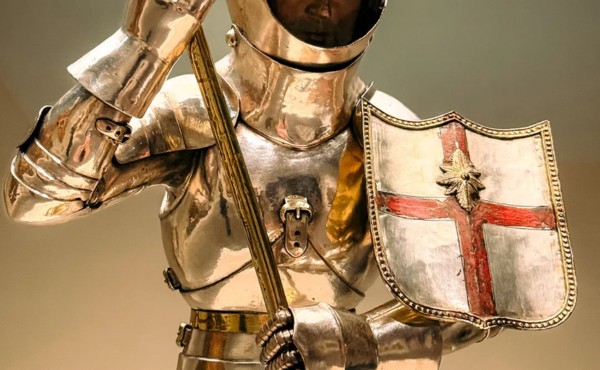
The transition to plate armor marked a major change in how soldiers protected themselves. Early armor used chainmail and small metal plates. Over time, armor makers created larger and stronger pieces. This process led to the development of full plate armor. By the late 14th century, knights wore suits that covered almost every part of the body. These suits included breastplates, backplates, gauntlets, greaves, and helmets.
Full plate armor offered better protection against swords, arrows, and blunt weapons. Articulated joints allowed for movement during battle. Soldiers could ride horses, swing swords, and defend themselves with shields. The design balanced safety and mobility. The transition to full plate armor also changed the look of warriors on the battlefield. Shining metal suits became a symbol of strength and skill.
Note: Full plate armor required careful fitting. Each suit was custom-made for the wearer.
Regional Variations: Plate Armour in Europe
Different regions in Europe developed their own styles of full plate armor. Italian armor makers focused on smooth surfaces and rounded shapes. These designs helped deflect blows and looked elegant. German craftsmen used fluted patterns, which added strength and decoration. English armor often combined features from both Italian and German styles.
The table below shows some key differences:
| Region | Main Features |
|---|---|
| Italy | Smooth, rounded surfaces |
| Germany | Fluted, decorative patterns |
| England | Mixed influences |
Full plate armor became a sign of wealth and status. Only the richest knights and nobles could afford the best suits. The spread of full plate armor across Europe showed the importance of technology in warfare.
Impact and Decline of Plate Armor
Effect on Warfare and Society
Plate armor changed the way battles were fought in medieval times. Knights wearing medieval armor could withstand blows from swords and arrows. This advantage allowed them to lead charges and hold key positions. The suit of armor became a symbol of power and bravery. Many historical sources describe how knights gained respect and higher social status because of their armor.
Medieval armor also influenced the design of weapons. Soldiers started using heavier maces and axes to break through plate armor. Armor manufacturing became more advanced as smiths tried to make stronger and lighter suits. The influence on warfare was clear. Armored knights shaped tactics and strategies. Armies relied on cavalry with medieval armor to win battles.
The table below shows how plate armor affected society:
| Impact on Society | Description |
|---|---|
| Social Status | Knights with armor gained prestige |
| Military Tactics | Armored cavalry led attacks |
| Armor Manufacturing | Improved techniques and materials |
Note: Medieval armor was expensive. Only wealthy knights could afford the best protection.
Decline with Firearms
The decline of plate armor began with the rise of firearms. Early guns could pierce medieval armor, making it less effective. Knights found that their suits no longer protected them from bullets. Historical sources show that armor manufacturing tried to keep up by making thicker plates. However, this made the armor too heavy for battle.
Firearms changed the battlefield. Soldiers with guns could defeat armored knights from a distance. The use of firearms spread quickly across Europe. Medieval armor became less common as armies switched to lighter gear. The rise of firearms marked the end of the era for the medieval knight. By the 17th century, plate armor was mostly ceremonial.
- Reasons for the decline of plate armor:
- Firearms could penetrate armor.
- Armor manufacturing became costly and impractical.
- Armies preferred mobility over heavy protection.
Tip: The history of medieval armor shows how technology can change society and warfare.
Conclusion
Plate armor stands as a symbol of innovation in history. Its invention changed how battles unfolded and how societies viewed warriors. Armour makers used new techniques to create stronger protection for soldiers. The rise and fall of plate armor reflect changes in technology and warfare. Today, the story of armor continues to shape how people imagine medieval battles and the lives of knights.