

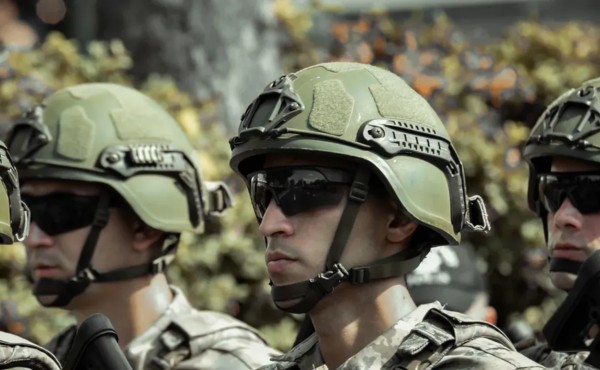
Organizations can achieve effective bulk procurement of ballistic helmets by focusing on strategic planning and supplier collaboration. Centralized and cooperative purchasing helps reduce costs and ensures consistent quality across large orders. Careful supplier evaluation and streamlined processes, such as efficient order management, play a key role in successful bulk procurement strategies.

Bulk Procurement Strategies for Ballistic Helmets
Cost Drivers in Bulk Buying
Organizations often look for ways to reduce expenses when they buy helmets in bulk. The main cost drivers include raw material prices, manufacturing scale, and shipping fees. Centralized purchasing allows buyers to negotiate better rates because they place large orders at once.
Cooperative purchasing groups can also help lower costs. These groups combine the needs of several organizations to increase their buying power. This approach makes it easier to secure discounts and favorable terms.
Bulk procurement strategies focus on finding the best balance between price and quality. Buyers should compare offers from different suppliers and consider the total cost, not just the unit price. This method helps organizations get the most value from their investment in bulk military helmets.
Quality and Certification Standards
Quality matters as much as price in bulk procurement strategies. Ballistic helmets must meet strict safety standards to protect users in dangerous situations. Buyers should check for certifications from recognized testing agencies.
A table can help compare certification standards:
| Standard | Description | Importance |
|---|---|---|
| NIJ Level IIIA | High-level ballistic protection | Essential for safety |
| ISO 9001 | Quality management system | Ensures consistency |
| STANAG 2920 | Fragmentation resistance | Military requirement |
Organizations should only consider suppliers who provide proof of compliance. This step reduces the risk of buying military helmets that do not meet safety needs.
Streamlined Procurement Processes
Efficient processes are key to successful bulk procurement strategies. Streamlined steps, such as digital purchase orders and automated approvals, save time and reduce errors. Many suppliers offer net terms, which let buyers pay after receiving their order.
Centralized systems make it easier to track orders and manage inventory. These tools support organizations that need to buy helmets in bulk and ensure timely delivery. A smooth process leads to better supplier relationships and more reliable outcomes.
Supplier Evaluation for Bulk Military Helmet Procurement
Assessing Production Capacity
Evaluating a supplier’s production capacity is a key step in bulk military helmet procurement. A reliable supplier must handle large orders without delays. Ask for data on their monthly output and check if they have experience with high-volume contracts.
A simple checklist can help:
- Review factory size and equipment.
- Request recent production records.
- Confirm backup plans for supply chain issues.
This approach helps buyers avoid shortages and ensures steady delivery.
Checking Certifications and Compliance
Certifications show that ballistic helmets meet safety and quality standards. Buyers should ask for proof of compliance with national and international regulations. Common certifications include NIJ, ISO, and military-specific standards.
| Certification | What It Proves | Why It Matters |
|---|---|---|
| NIJ | Ballistic resistance | User protection |
| ISO | Quality management | Consistent products |
| STANAG | Military compliance | Mission readiness |
Suppliers must provide valid certificates before buyers place large orders. This step reduces the risk of buying military helmets that do not meet requirements.
Delivery and Lead Time Considerations
Timely delivery is critical for organizations that need helmets in bulk. Buyers should ask about average lead times and on-time delivery rates. It is wise to request a clear delivery schedule before signing a contract.
A supplier with a strong track record for prompt delivery adds value to the procurement process.
Material Selection in Ballistic Helmets
Next-Generation Materials and Weight Reduction
Modern helmet design uses advanced materials to improve protection and reduce weight. Common materials include aramid fibers, high-performance polyethylene, and composite blends. These materials help create helmets that are strong but light, making them easier to wear for long periods.
Many organizations now choose next-generation materials because they offer better durability. These materials also help users move more freely and stay alert.
Ballistic Protection Levels
Ballistic helmets must meet strict protection levels to ensure user safety. Testing agencies rate helmets based on their ability to stop bullets and fragments. The most common levels include NIJ Level II and Level IIIA.
| Protection Level | Threat Type | Typical Use |
|---|---|---|
| Level II | Handgun rounds | Law enforcement |
| Level IIIA | Higher handgun rounds | Military, police |
Buyers should match the protection level to the mission needs. Higher levels offer more protection but may add weight.
Comfort and Ergonomics
Comfort is important for anyone who wears a helmet for long hours. Good helmets have adjustable straps, padded liners, and ventilation systems. These features help users stay cool and focused.
A comfortable fit also improves performance in the field. Organizations should test different models to find the best option for their teams.
Cost Savings and Value Maximization
Centralized Purchasing Benefits
Centralized purchasing helps organizations save money. It allows buyers to negotiate lower prices by combining orders. This method also improves quality control because all helmets come from the same supplier.
A single point of contact makes communication easier. It helps track shipments and manage inventory more efficiently.
Cooperative Programs and Grants
Cooperative programs let several organizations work together. They pool their resources to buy helmets in bulk. This increases their bargaining power and helps them get better deals.
Many government agencies offer grants for safety equipment. These grants can cover part or all of the cost. Organizations should check for available programs before making large purchases.
| Program Type | Benefit | Example Use |
|---|---|---|
| Cooperative Group | Lower unit price | Shared orders |
| Grant Funding | Reduced total expense | Equipment upgrade |
Applying for grants takes planning. It is important to follow guidelines and meet deadlines.
Insurance Premium Reduction
Buying high-quality helmets can lower insurance premiums. Insurance companies reward organizations that invest in safety gear. Helmets with proper certifications show a commitment to safety.
Lower premiums mean more savings over time. Organizations should review their insurance policies after each bulk purchase.
Vendor Negotiation and Relationship Building
Pricing and Contract Terms
Negotiating price is a key step in bulk helmet procurement. Buyers should request detailed quotes and compare them with market rates. A table can help organize price offers from different suppliers:
| Supplier | Unit Price | Payment Terms | Delivery Time |
|---|---|---|---|
| A | $150 | Net 30 | 4 weeks |
| B | $145 | Net 45 | 6 weeks |
| C | $155 | Net 30 | 5 weeks |
Buyers must review contract terms carefully. Contracts should include payment schedules, delivery dates, and penalties for late shipments. Clear terms protect both parties and reduce misunderstandings.
Long-Term Supplier Partnerships
Building strong relationships with suppliers leads to better outcomes. Reliable suppliers offer consistent quality and timely deliveries. Organizations benefit from long-term partnerships through improved communication and trust.
A few ways to strengthen supplier relationships:
- Schedule regular meetings to discuss performance.
- Share feedback on product quality and delivery.
- Collaborate on future projects and upgrades.
Suppliers often provide better prices and support to loyal customers. Long-term partnerships can also lead to priority service during high-demand periods.
Best Practices for Bulk Procurement
Standardization of Specifications
Standardizing specifications helps organizations avoid confusion during bulk procurement. When all departments use the same helmet requirements, the process becomes more efficient. This practice also ensures that every helmet meets the same safety and quality standards.
A clear specification sheet should include:
- Required protection level (e.g., NIJ Level IIIA)
- Material type and weight limits
- Certification and compliance needs
- Comfort features, such as padding and ventilation
Procurement Checklist
A procurement checklist keeps the process organized and reduces mistakes. It helps buyers track each step and ensures nothing gets missed. Here is a sample checklist for bulk ballistic helmet procurement:
- Define helmet specifications and quantity needed
- Identify and evaluate potential suppliers
- Request and review supplier certifications
- Compare price quotes and contract terms
- Confirm production capacity and delivery schedule
- Place order and monitor progress
- Inspect helmets upon delivery
- Record purchase details for future reference
Monitoring Supplier Performance
Monitoring supplier performance ensures consistent quality and timely delivery. Organizations should set clear performance indicators, such as on-time delivery rates and defect counts. Regular reviews help identify issues early and maintain strong supplier relationships.
A simple table can help track performance:
| Metric | Target Value | Actual Value | Status |
|---|---|---|---|
| On-Time Delivery Rate | 98% | 97% | 🟡 |
| Defect Rate | <1% | 0.5% | 🟢 |
Conclusion
Effective bulk procurement strategies for ballistic helmets enable organizations to reduce overall costs while maintaining consistent quality and safety standards. By combining centralized purchasing, careful supplier evaluation, and streamlined procurement processes, buyers can improve efficiency and strengthen supply reliability. Attention to certifications, materials, and long-term vendor relationships further enhances value and operational readiness. Overall, a structured procurement approach ensures better cost control, improved performance outcomes, and dependable protection for end users in critical environments.