

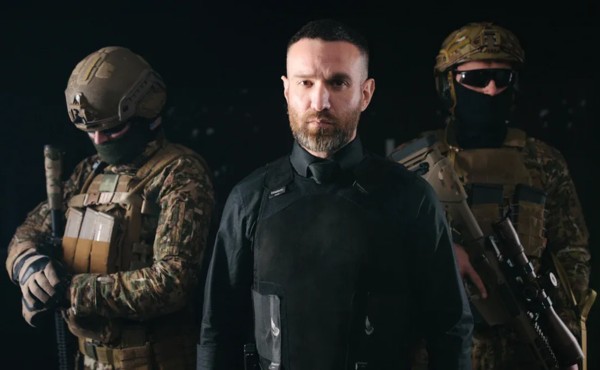
Choosing the right body armor manufacturer is not only about product pricing. For distributors, government contractors, tactical gear brands, and security equipment wholesalers, long-term supply stability is often more important than finding the lowest quote. A reliable manufacturer helps reduce delays, maintain consistent product quality, and support future business growth.
The global tactical equipment market continues to expand. Many buyers now face challenges such as unstable lead times, inconsistent armor quality, and communication issues with overseas suppliers. This makes supplier evaluation a critical step before entering long-term cooperation.
This guide explains how to assess body armor manufacturers for long-term supply and what factors matter most for stable procurement.
Understand Your Body Armor Requirements First
Before comparing manufacturers, buyers should clearly define their own procurement needs. This helps avoid selecting suppliers that cannot support future demand.
Define Protection Levels
Different applications require different protection standards. Some customers need soft armor for concealed protection. Others require hard ballistic plates for military or tactical use.
Common requirements include:
- NIJ Level IIIA soft armor
- NIJ Level III plates
- NIJ Level IV ceramic plates
- Rifle-rated tactical armor systems
Understanding the threat level helps narrow down suitable manufacturers.
Clarify Order Volume and Supply Frequency
Long-term supply planning depends heavily on volume expectations. Some manufacturers are optimized for large government contracts. Others focus on smaller wholesale orders with flexible production schedules.
Buyers should evaluate:
- Average monthly purchasing volume
- Seasonal demand fluctuations
- Emergency replenishment needs
- Expected annual growth
A supplier that handles current orders may not always support future scaling.
Identify Customization Needs
Many B2B buyers require OEM or private label support. This may include:
- Custom logos
- Carrier color options
- Packaging customization
- Special sizing
- Brand labeling
Not every factory offers flexible customization services. Early confirmation avoids problems later.
Check Manufacturing Capability and Production Capacity
Production capability directly affects long-term reliability. A supplier with limited capacity may struggle during periods of high demand.
Evaluate Factory Operations
Professional body armor manufacturers usually operate dedicated production lines for ballistic panels, plate pressing, carrier sewing, and quality inspection.
Key things to review include:
- Factory size
- Number of workers
- Production equipment
- Automation level
- In-house manufacturing processes
Manufacturers that control more production stages internally often provide better consistency.
Review Monthly Production Capacity
Production output is important for long-term cooperation. Buyers should confirm whether the supplier can support increasing order volumes without major delays.
Questions worth asking include:
- Monthly plate production capacity
- Average lead times
- Peak season production capability
- Current export markets
Reliable factories usually provide transparent production data.
Assess Raw Material Stability
Body armor performance depends heavily on material quality. Common materials include:
- UHMWPE
- Aramid fibers
- Ceramic strike faces
- Ballistic steel
Manufacturers with stable raw material partnerships are generally more reliable during supply chain disruptions.
Verify Certifications and Compliance Standards
Certifications help verify whether products meet recognized safety standards.
Confirm NIJ Compliance
NIJ standards remain one of the most recognized benchmarks in the ballistic protection industry.
Buyers should understand the difference between:
- Official NIJ certified products
- Products “tested to NIJ standards”
Some suppliers only provide internal testing reports. Others maintain active NIJ certification listings.
Always request supporting documentation.
Review Quality Management Systems
Strong quality control systems improve consistency across large production runs.
Common certifications include:
- ISO 9001
- Quality management documentation
- Material traceability systems
Manufacturers with structured QC procedures usually produce more consistent products.
Understand Export Compliance
International procurement may involve export restrictions and customs regulations.
Experienced suppliers can assist with:
- Export documentation
- Shipping compliance
- Product declarations
- International logistics coordination
This becomes especially important for military or law enforcement procurement projects.
Evaluate Product Quality and Durability
Long-term supply relationships require dependable product performance.
Assess Ballistic Consistency
Consistent ballistic protection matters more than occasional high performance.
Buyers should evaluate:
- Multi-hit capability
- Edge protection
- Weight consistency
- Backface deformation control
Manufacturers should provide testing reports for multiple production batches.
Check Environmental Resistance
Body armor may operate in demanding environments including high humidity, extreme heat, or heavy field use.
Quality products should demonstrate resistance to:
- Moisture exposure
- Heat degradation
- Delamination
- Fabric wear
Environmental durability affects long-term service life.
Review Warranty Policies
Warranty terms often reveal how confident a manufacturer is in its products.
Many tactical armor systems include warranties ranging from 5 to 10 years depending on materials and construction.
Clear warranty policies improve purchasing confidence.
Assess Supply Chain Reliability
A strong supply chain is essential for long-term procurement stability.
Analyze Lead Time Stability
Consistent lead times are critical for distributors and contract suppliers.
Ask manufacturers about:
- Average production cycles
- Emergency order capability
- Delayed shipment history
- Capacity during high-demand periods
Suppliers with organized production scheduling are usually more dependable.
Evaluate Inventory Management
Some manufacturers maintain stock for popular models and standard sizes.
This can reduce lead times significantly for repeat orders.
Inventory capability becomes especially useful for:
- Government tenders
- Dealer replenishment
- Urgent procurement projects
Review Logistics Experience
International shipping experience reduces operational risks.
Experienced tactical gear manufacturers often provide:
- Export packaging
- Customs documentation
- Freight coordination
- International shipping support
Reliable logistics handling improves long-term cooperation efficiency.
Review OEM and Custom Manufacturing Capabilities
OEM support is important for tactical gear brands and distributors building their own product lines.
Assess Private Label Services
Many wholesalers require branded products.
Common OEM services include:
- Custom logos
- Product labels
- Retail packaging
- User manuals
Professional manufacturers usually offer flexible branding options.
Evaluate Product Development Support
Some buyers need customized armor systems or specialized tactical configurations.
Manufacturers with engineering and development capability can support:
- Prototype production
- Custom carrier design
- Lightweight armor development
- New product testing
This creates long-term partnership value beyond standard production.
Check MOQ Flexibility
Minimum order quantity requirements vary widely across suppliers.
Flexible manufacturers are often better suited for:
- Growing distributors
- Regional dealers
- Market testing projects
Low MOQ options can help reduce purchasing risk during initial cooperation.
Analyze Communication and Technical Support
Communication quality strongly affects long-term business relationships.
Review Response Speed
Fast and accurate communication helps prevent delays.
Buyers should evaluate:
- Quotation turnaround time
- Technical knowledge
- Order follow-up efficiency
- Problem-solving ability
Professional suppliers usually maintain dedicated export teams.
Assess Documentation Accuracy
International procurement requires clear documentation.
Important documents may include:
- Ballistic reports
- Material certifications
- Commercial invoices
- Packing lists
- Shipping records
Accurate documentation reduces customs and compliance problems.
Evaluate After-Sales Support
Reliable after-sales support improves long-term cooperation.
Good manufacturers often provide:
- Replacement policies
- Technical assistance
- Warranty support
- Ongoing account management
Strong support becomes increasingly valuable as order volumes grow.
Compare Pricing Beyond Unit Cost
Low pricing alone should never determine supplier selection.
Understand Total Procurement Cost
The actual procurement cost may include:
- Shipping fees
- Import duties
- Certification expenses
- Warehousing costs
- Replacement risk
A slightly higher product price may reduce long-term operational costs.
Consider Pricing Stability
Raw material prices can fluctuate significantly in the ballistic protection industry.
Long-term suppliers should offer:
- Stable pricing structures
- Contract pricing options
- Transparent adjustment policies
Pricing stability helps buyers plan future budgets more effectively.
Balance Cost and Reliability
Extremely low pricing can indicate problems such as:
- Inferior materials
- Weak quality control
- Unstable production capacity
Reliable long-term suppliers usually focus on consistent quality and delivery performance rather than unrealistic pricing.
Request Samples and Conduct Factory Audits
Supplier verification should always include physical product evaluation.
Inspect Product Samples
Sample evaluation helps confirm actual manufacturing quality.
Buyers should inspect:
- Product finishing
- Weight consistency
- Stitching quality
- Plate dimensions
- Packaging standards
Testing samples before bulk purchasing reduces procurement risk.
Perform Factory Audits
Factory audits provide direct insight into operational capability.
Audits may include:
- Production workflow inspection
- Material storage review
- QC process evaluation
- Worker organization assessment
Virtual factory tours can also help when on-site visits are not possible.
Use Third-Party Testing
Independent testing increases purchasing confidence.
Third-party ballistic laboratories can verify:
- Protection levels
- Material consistency
- Product durability
Independent verification is particularly important for government contracts and large wholesale agreements.
Red Flags When Choosing Body Armor Manufacturers
Some warning signs may indicate unreliable suppliers.
Common red flags include:
- Unrealistically low prices
- Missing certifications
- Inconsistent communication
- Unclear factory information
- Frequent lead time changes
- Refusal to provide samples
- Limited export experience
Careful supplier screening helps avoid long-term procurement problems.
Conclusion
Selecting the right body armor manufacturer requires more than comparing product catalogs or pricing sheets. Long-term supply success depends on production stability, quality consistency, certification compliance, communication efficiency, and supply chain reliability.
Professional buyers should evaluate manufacturers carefully before entering large procurement agreements. Factory capability, OEM support, logistics experience, and technical service all play important roles in long-term cooperation.
A dependable tactical gear manufacturer can help distributors, wholesalers, and security equipment suppliers maintain stable inventory, reduce operational risk, and support future business growth in a highly competitive market.
Frequently Asked Questions
What certifications should a body armor manufacturer have?
A reliable body armor manufacturer should provide recognized certifications and testing documentation. Common standards include NIJ certification, ISO 9001 quality management certification, and ballistic test reports from accredited laboratories. Buyers should always verify whether products are officially certified or only tested internally.
How can I verify if body armor meets NIJ standards?
You can request official ballistic test reports and check whether the product appears on the official NIJ compliant products list. Reputable manufacturers should provide detailed testing information, including protection level, test conditions, and laboratory data.
What materials are commonly used in modern body armor?
Most modern body armor products use materials such as UHMWPE, aramid fiber, ceramic composites, or ballistic steel. Soft armor usually relies on flexible ballistic fabrics, while hard armor plates often combine ceramic strike faces with composite backing materials.
What is the typical lead time for wholesale body armor orders?
Lead times vary depending on order quantity, customization requirements, and production capacity. Standard wholesale orders may take several weeks, while custom OEM projects or large government contracts often require longer production schedules.
Can body armor manufacturers provide OEM and private label services?
Yes. Many tactical gear manufacturers support OEM and private label production. Common services include custom logos, branded packaging, custom carrier colors, product labeling, and specialized armor configurations for distributors and tactical equipment brands.
Why is factory audit verification important?
Factory audits help buyers confirm actual production capability, quality control procedures, and manufacturing consistency. Audits also reduce risks related to fake certifications, unstable supply chains, and outsourcing issues.
What should buyers look for in ballistic test reports?
Ballistic test reports should clearly show protection level, ammunition type, test distance, shot placement, backface deformation results, and testing laboratory information. Reports from accredited third-party laboratories usually provide higher credibility.
How important is long-term supply stability when choosing a manufacturer?
Long-term supply stability is critical for distributors, dealers, and government procurement projects. Reliable manufacturers help maintain consistent lead times, stable product quality, and predictable inventory planning during periods of market fluctuation.
What are common red flags when evaluating body armor suppliers?
Common warning signs include extremely low pricing, missing certifications, unclear factory information, inconsistent communication, refusal to provide samples, and unrealistic delivery promises. These issues may indicate unreliable manufacturing capability.
Should buyers prioritize price or quality when selecting a body armor manufacturer?
Quality and supply reliability are usually more important than finding the lowest unit cost. Poor-quality armor or unstable deliveries can create operational risks, replacement costs, and reputation damage for distributors and tactical equipment suppliers.