

You must store ballistic helmets in a cool, dry, dark space away from moisture. Continuous ultraviolet radiation, high humidity, and extreme temperatures degrade aramid fibers and UHMWPE polymers.
Climate-controlled storage shields inner bonding resins from chemical decay. Proper environmental control improves overall gear longevity. Proper habits preserve ballistic helmet safety and extend its lifespan to protect your investment.

Optimal Environment to Store Ballistic Helmets
Temperature and Humidity Controls
Climate control keeps tactical helmet materials stable. Operators should store ballistic helmets in climate-controlled room temperature spaces between 60°F and 75°F. Moisture control protects internal components from breaking down.
High humidity creates moisture traps inside the shell layers. Water weakens internal composite structures over long periods. Following specific care guidelines prevents armor damage caused by severe heat or extreme thermal fluctuations.
| Storage Factor | Ideal Range | Risk of Non-Compliance |
|---|---|---|
| Temperature | 60°F – 75°F (15°C – 24°C) | Resins soften, composite layers separate |
| Humidity | Below 50% Relative Humidity | Mold growth, fiber degradation, hardware rust |
UV and Fluorescent Light Hazards
Direct sunlight damages sensitive synthetic fibers. Ultraviolet rays break down aramid weaves and high-density polymers over time. Darkness prolongs overall bulletproof helmet lifespan significantly.
Fluorescent lighting generates subtle light radiation in indoor facilities. This exposure weakens outer protective surface resins gradually. Users must follow basic care guidelines to shield their equipment from artificial light sources.
- Keep helmets inside dark lockers or non-transparent containers.
- Avoid resting gear near windows or open display racks.
- Turn off overhead fluorescent fixtures in long-term holding areas.
Dark storage spaces block harmful light rays completely. Dedicated protective covers block ambient room lighting during long-term storage.
Shielding from Chemical Exposure
Chemical fumes weaken shell resins and interior bonding agents. Airborne solvents degrade protective polymers quietly. Proper care requires total separation from oils, fuels, and harsh cleaners.
Chemical contact shortens operational lifespan permanently. Operators must store ballistic helmets away from garage exhaust and industrial vapors. Safe handling keeps your tactical helmet operational for years.
Pre-Storage Cleaning and Maintenance Protocols
Cleaning Shells, Pads, and Straps
Proper cleaning prevents soil from degrading your gear. Dirt strips away protective coatings and weakens fabrics over time. Follow safe care guidelines to prepare equipment for long-term placement.
First, remove the inner liner pads and retention straps from the outer shell. Wipe the shell using a soft cloth dampened with mild soap and warm water. Avoid harsh chemicals, solvents, or abrasive pads during cleaning.
Hand-wash the removable fabric pads and harness straps carefully. Use mild detergent to remove sweat, oil, and salt deposits from the fabric. Thorough cleaning preserves comfort and structural integrity.
Complete Drying to Prevent Mold
Moisture creates major threats to armor systems. Damp pads foster mold growth and foul odors inside the tactical helmet. Wet metal hardware also rusts quickly without proper airflow.
Air-dry all components completely in a warm room with adequate ventilation. Keep parts away from direct heat sources like radiators or hot air blowers. Excessive heat damages delicate synthetic fibers and compromises ballistic integrity.
Preventing Dust Accumulation
Dust particles collect on exposed fabrics and weaken material fibers over time. Implementing regular maintenance keeps gear free from fine particulates. Proper care routines protect high-performance components between uses.
| Care Step | Action Required | Protective Benefit |
|---|---|---|
| Dust Shielding | Place gear inside breathable cloth bags | Prevents particulate buildup |
| Inspection | Verify dryness before long storage | Stops mold and corrosion |
Store clean gear in breathable cotton covers or specialized storage containers. Avoid sealed plastic bags that trap ambient humidity. Following basic guidelines ensures your ballistic gear maintains its maximum lifespan. Proper maintenance extends gear utility for years.
Proper Physical Placement and Storage Setup
Resting Orientation and Placement
Physical positioning impacts structural integrity over extended periods. Operators must place shells upright on an even, flat surface. Crown-down positioning creates unnatural pressure points across top shell layers.
Hanging a tactical helmet by its chin strap stretches internal webbing. Heavy accessories like night vision mounts exacerbate strap deformation. Dedicated helmet stands support the shell weight evenly across internal contact points.
Operators can store ballistic helmets safely by using these flat resting surfaces.
Protecting Retention and Pad Systems
Internal padding requires adequate space to retain protective elasticity. Stacking heavy gear on top of armor shells compresses foam layers permanently. Compressed foam loses its ability to absorb blunt impacts effectively.
Fasten buckles loosely to maintain strap shape during long-term holding periods. Unbuckled straps often twist and catch on surrounding gear. Proper care keeps harness adjustment mechanisms smooth and functional.
Utilizing Padded Storage Bags
Commercial gear bags provide extra protection against accidental drops and impacts. Breathable fabric covers allow internal moisture to escape freely. Specialized padded bags shield ballistic surface coatings from unwanted scratches.
| Placement Setup Method | Recommended Practice | Avoided Damage |
|---|---|---|
| Flat Upright Surface | Rest base trim flat on padded shelves | Crown shell deformation |
| Breathable Gear Bags | Enclose shell in padded nylon bags | Surface scratches and dust |
Using these methods ensures proper storage for all high-performance gear. This disciplined routine maximizes helmet lifespan and maintains impact safety standards. Careful placement optimizes the operational lifespan of critical protective equipment.
Inspection Routines to Extend Ballistic Helmet Lifespan
Visual Shell and Fiber Inspections
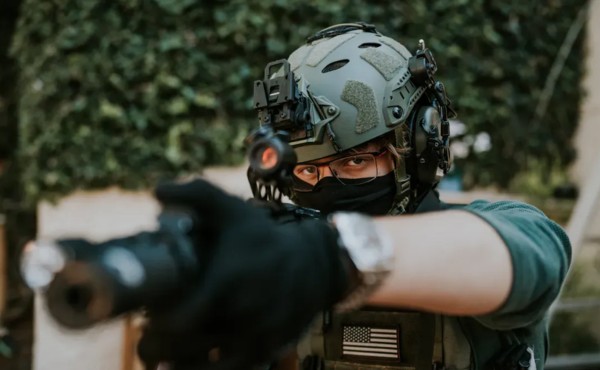
Regular visual checks reveal hidden shell damage after extended storage periods. Inspect outer surfaces closely for deep cracks, material fraying, or composite layer delamination. Following established inspection guidelines protects overall armor performance.
Hardware and Harness Checks
Inspect hardware components thoroughly after long storage periods. Perform routine maintenance on all buckles, mounting bolts, and retention straps. Test internal pad elasticity to verify impact absorption capabilities.
Inspect harness adjustment slides for smooth mechanics. Loose bolts require proper care and immediate tightening. Damaged components need quick replacement to maintain operational safety.
| Component | Check Required | Action Needed |
|---|---|---|
| Retention Straps | Tension and Webbing Wear | Replace if frayed |
| Hardware Bolts | Tightness and Corrosion | Tighten or replace |
Tracking Expiration and Compliance
Every ballistic helmet has a finite functional lifespan. Manufacturers set service life standards to ensure maximum ballistic protection. Adhering strictly to these safety standards maximizes your ballistic helmet lifespan effectively.
Track purchase dates and storage logs in gear documentation. This practice helps operators monitor bulletproof helmet lifespan limits accurately. Scheduled maintenance prevents gear failure during field operations.
Proper helmet maintenance preserves operational readiness. Accurate record-keeping guarantees complete armor lifespan tracking.
FAQ
Does proper storage extend a ballistic helmet’s service life?
Proper storage can reduce premature damage caused by heat, moisture, ultraviolet exposure, chemicals, deformation, and poor handling. However, storage does not extend the helmet beyond the manufacturer’s recommended service life or replace required inspections and replacement procedures.
How often should stored ballistic helmets be inspected?
Helmets in long-term storage should be inspected periodically and before each use. Check the shell for cracks, dents, soft spots, delamination, discoloration, moisture damage, and chemical contamination. Also inspect the straps, buckles, pads, rails, and retention system for wear or deterioration.
Should a ballistic helmet be stored in a sealed plastic bag?
A completely airtight plastic bag may trap moisture and encourage odor, mold, or material deterioration. Use a breathable helmet bag or ventilated storage case instead. Make sure the helmet is fully dry before placing it into storage.