

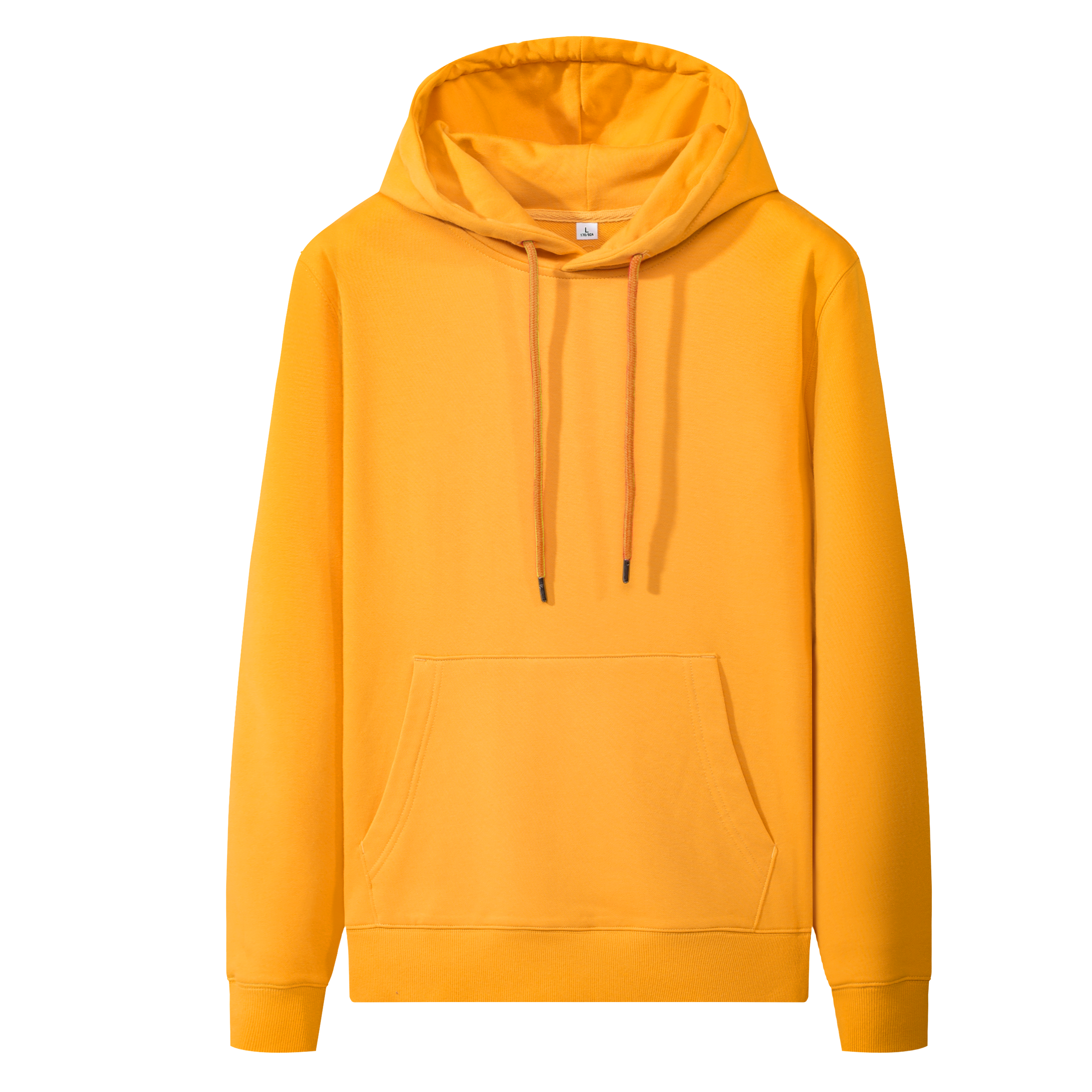
Bulletproof hoodies suit situations where casual appearance and discreet handgun protection matter. Armored tactical vests suit roles that require equipment access, adjustable armor placement, or compatible rifle-rated plates. The right choice depends on the threats, coverage requirements, and working conditions.
Both formats can carry ballistic protection, but their appearance tells you little about performance. Some tactical vests contain no armor, while hoodies may protect only selected areas. Comparing the installed armor and how securely it stays positioned provides more useful answers than comparing clothing styles alone.
What Are Bulletproof Hoodies and Tactical Vests?
Bulletproof hoodies combine hooded outer garments with integrated or removable ballistic assemblies. Depending on the design, these may include shaped torso panels, an internal vest, or separate inserts. The outer fabric provides the clothing appearance; the ballistic components provide the rated protection.
Their main attraction is visual discretion. They can blend into settings where overt armor would be conspicuous. However, panel thickness, garment fit, and movement still affect how noticeable the armor becomes.
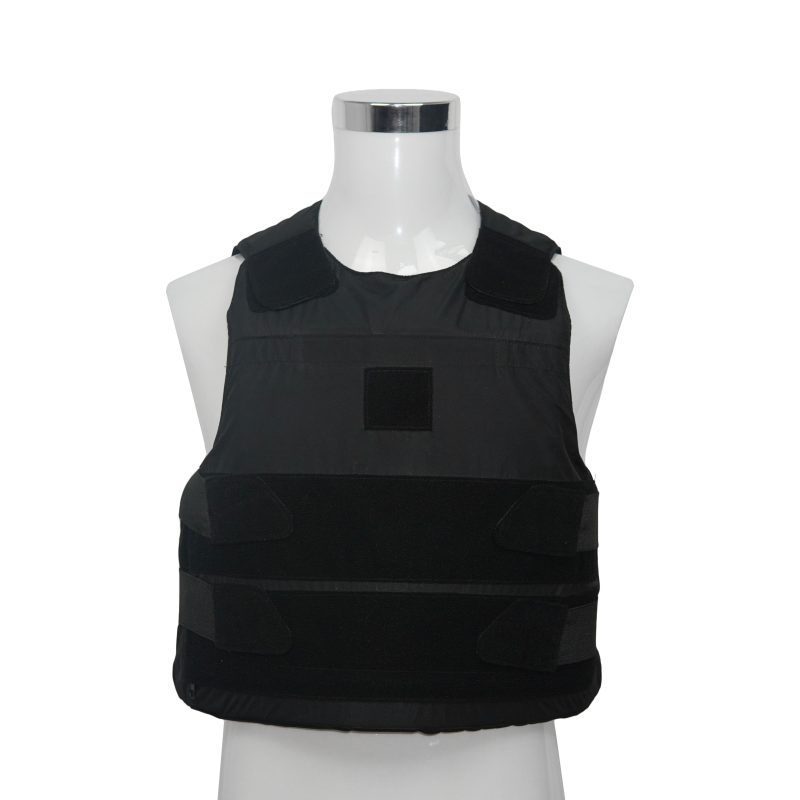
Tactical vests cover several configurations. Load-bearing vests organize equipment, plate carriers hold compatible armor plates, and some ballistic carriers accommodate soft panels plus hard plates. Empty carriers and equipment-only vests provide no inherent bullet resistance.
For organizations comparing tactical body armor vests, the specifications should identify the carrier design, included ballistic components, and compatible plate options. These details establish whether the quoted products provide protection or simply carry equipment.
Protection Levels and Coverage: What Actually Matters
Compare Verified Armor Ratings
Common soft-armored hoodies address specified handgun threats. Their protection depends on the panel model and testing standard, rather than the hoodie format.
NIJ’s current framework uses HG1 and HG2 for handgun protection and RF1, RF2, and RF3 for rifle protection. Older products may carry Level II, IIIA, III, or IV designations. The updated framework changes testing requirements and threat definitions, so older labels should not be treated as proof of compliance with newer standards.
Armored tactical vests can provide handgun protection through soft panels or specified rifle protection through suitable rifle-rated armor plates. Plate dimensions, curvature, thickness, and carrier compatibility all need checking before assembly.
Some plates require designated soft armor backing to achieve their rated performance. These combinations must follow the manufacturer’s instructions; inserting arbitrary soft panels behind plates does not establish the required protection.
When suppliers claim NIJ certification, verify the exact armor model through the relevant compliant products list. Independent testing to selected NIJ requirements and participation in the NIJ certification program are different claims.
Check the Protected Area
Garment dimensions and ballistic coverage are different measurements. Sleeves, shoulders, sides, and hoods may contain ordinary fabric even when products are marketed as bulletproof clothing.
Request coverage drawings that identify panel boundaries, overlaps, and unprotected areas. Compare these across the actual sizes being purchased.
Selected hoodies include ballistic hood components, but torso testing does not establish helmet-equivalent head protection. NIJ Standard 0101.07 addresses torso armor. Any head-protection claim therefore needs separate supporting evidence appropriate to that application.
Coverage also needs to remain stable during movement. Check panel positioning while seated, reaching, bending, and walking.
Comfort, Concealment, and Equipment Access
Comfort depends on the complete assembly: armor, outer fabric, adjustment system, and attached equipment. Comparisons should use equivalent protection levels, coverage areas, and garment sizes.
| Selection factor | Bulletproof hoodies | Armored tactical vests |
|---|---|---|
| Appearance | Casual clothing presentation | Usually overt equipment presentation |
| Armor positioning | Depends on internal retention and garment fit | Often adjustable through shoulders and torso |
| Equipment access | Usually limited clothing pockets | Often dedicated attachment points and pouches |
| Rifle protection | Requires separately verified compatible configurations | Available through suitable plate configurations |
| Cleaning | Depends on armor removability and care instructions | Depends on removable carrier and armor construction |
These are general tendencies; individual designs vary.
Loose hoodies may conceal panel outlines, but excess space can allow internal components to move. Structured internal carriers can improve retention. Close-fitting designs may control movement better while making armor edges more visible.
Tactical carriers often offer more adjustment, although poorly positioned straps or overloaded pouches can create pressure and restrict movement.
Climate matters too. Fleece adds insulation, and ballistic assemblies can restrict ventilation in either format. Moisture-wicking fabrics help manage sweat but cannot eliminate heat buildup.
For equipment-heavy roles, external attachment points can improve access to radios, identification, and medical supplies. Evaluate the fully loaded system because accessories change weight distribution and comfort.
How to Choose Between Bulletproof Hoodies and Tactical Vests
Start with documented protection requirements. Specify relevant ammunition threats, the applicable testing standard, and required coverage before selecting the garment style.
Next, assess working conditions. Plainclothes roles may favor hoodies when casual clothing is appropriate and external equipment requirements are limited. Uniformed teams may benefit from tactical carriers that accommodate identification and regularly used equipment.
Climate can change the decision. Where hoodies would be uncomfortable or visually unusual, concealable bulletproof vests beneath ordinary clothing offer another format worth comparing. This approach allows clothing choices to change with seasons while retaining the specified armor system.
Then evaluate samples through representative activities. Check whether armor shifts, lower edges interfere with sitting, closures remain comfortable, and equipment stays accessible. Include different body shapes and sizes rather than relying on one sample wearer.
For organizational purchasing, request:
- Exact armor model identifiers and supporting test documents.
- Coverage drawings and sizing instructions.
- Complete assembly weights for the required sizes.
- Cleaning procedures, warranty terms, and replacement availability.
Compare ownership costs alongside purchase prices. Replaceable outer garments and compatible replacement panels may simplify maintenance, provided replacements preserve the approved configuration.
Finally, consider whether the selected garment will remain worn throughout the intended shift. Removing protective clothing because of heat or discomfort also removes its protection.
Frequently Asked Questions
Can Bulletproof Hoodies Provide the Same Protection as Ballistic Vests?
Potentially, for the specified threats, if their armor components meet equivalent verified requirements. Overall protection also depends on coverage, fit, condition, and panel positioning. Matching marketing labels alone cannot establish equivalent performance.
Are Bulletproof Hoodies Stab Resistant?
Ballistic resistance does not establish stab resistance. Knife and spike protection require separate testing evidence. Products claiming both capabilities should provide documentation covering both threat categories.
Can Bulletproof Hoodies Be Machine Washed?
Follow the exact care instructions. Some outer garments can be washed after their ballistic assemblies are removed. Integrated designs may require different cleaning methods. Never assume instructions for ordinary sweatshirts apply to armored clothing.
Conclusion
Choose bulletproof hoodies when discreet clothing presentation, suitable climate, and verified handgun protection align with the intended role. Choose armored tactical vests when equipment access, adjustable fit, or compatible rifle-protection configurations take priority.
Before ordering, verify the armor model, protected areas, sample fit, and maintenance requirements. Those details determine whether the selected system meets practical needs throughout use.