

The leading soft body armor picks are Safariland’s concealable Level IIIA vests, Point Blank’s duty-rated models, Armor Express concealable and tactical lines, and Survival Armor’s lightweight Level IIIA options. Each model earned its place through six criteria: NIJ protection level, comfort, weight, durability, cost, and intended use. We matched every model to a real-world role, so you can see which vests suit concealed wear, which serve law enforcement duty, and which fit tactical use. That structure lets you compare options honestly and choose the armor that fits your daily needs.
Soft Body Armor Buying Factors
NIJ Protection LevelsT
The NIJ standard sorts soft body armor into two common soft levels: Level II and Level IIIA. Level II stops most 9mm and .357 Magnum rounds fired at test velocity. Level IIIA handles .44 Magnum and .357 SIG, plus the same 9mm threats at higher velocity. Choose Level IIIA for the widest threat coverage in a concealable vest. Level II suits lower-risk settings where a thinner profile matters more. Neither level stops rifle rounds. Keep that limit in mind when you match armor to your daily risk.
Both levels come from NIJ Standard 0101.06. That standard sets the test rounds, velocities, and backface deformation limits. A vest earns its rating only after passing those tests in an approved lab. Treat the rating as the starting point, not the finish line. Read the test report and confirm the model number matches the vest in your hands.
Fit, Weight, and Compliance
Fit decides whether you wear the vest all day. Measure your chest at its fullest point and match that number to the maker’s size chart. A proper fit keeps the front and back panels centered over your vital organs. Too loose, and the panels shift when you move. Too tight, and you stop wearing it after the first hour. Adjustable side straps help, but they cannot fix a panel that is the wrong size.
Weight trades off against coverage. Level IIIA panels carry more material than Level II, so they weigh more. Lighter panels improve daily comfort for concealed wear. Heavier panels often last longer under hard use and resist shifting. Pick the lightest panel that meets your threat level, then test the fit with the carrier you plan to wear.
Verify compliance before you buy. Check the NIJ Compliant Products List for the exact model and level. Ask the seller for the test report. A label alone proves nothing. Compliance protects you in the field and in court.
Top Soft Body Armor Brands
Four brands lead the NIJ-compliant market: Safariland, Point Blank, Armor Express, and Survival Armor. Each one builds vests around the same NIJ Standard 0101.06 test framework. Each one also takes a different path to comfort, weight, and carrier design. That difference matters more than any single spec sheet. Weight, panel shape, and carrier cut separate these four more than raw protection level does. The right brand for you depends on how you wear the vest and how long you keep it on.
Brand Specs Overview
Safariland builds concealable and duty lines with Level II and Level IIIA panels. Its carriers emphasize adjustable strapping and panel retention. The concealable designs aim for a flat profile under a uniform shirt. Point Blank focuses on duty-rated vests for long shifts. Its models pair Level IIIA protection with reinforced carriers built for daily wear. Armor Express covers both concealable and tactical roles. Its line spans Level II and Level IIIA options with modular carrier systems. That modularity lets one carrier platform serve more than one role. Survival Armor leans toward lightweight Level IIIA designs. Its panels target wearers who prioritize a low profile and all-day comfort.
| Brand | Protection Levels | Carrier Focus | Typical Role |
|---|---|---|---|
| Safariland | Level II, Level IIIA | Adjustable straps, panel retention | Concealed and duty wear |
| Point Blank | Level IIIA | Reinforced duty carriers | Law enforcement shifts |
| Armor Express | Level II, Level IIIA | Modular carrier systems | Concealed and tactical use |
| Survival Armor | Level IIIA | Lightweight, low-profile panels | Everyday concealed wear |
Treat this table as a starting map, not a verdict. Confirm every model against the NIJ Compliant Products List before you buy. A brand name does not certify a vest. The exact model and level do. A compliant label on the carrier means little without a matching model number on the panel.
Brand-to-Application Fit
Concealed everyday wear suits Survival Armor for readers who want the lightest Level IIIA panel. Safariland also serves this role well through its concealable line. Both brands keep the profile low under a shirt. Neither one sacrifices the Level IIIA rating to get there. Check the size chart for each brand before you order. Panel dimensions vary between makers at the same nominal size.
Law enforcement duty points to Point Blank for officers who wear armor through a full shift. Its reinforced carriers hold up under repeated donning and hard use. Armor Express suits departments that want modular carriers and a choice between protection levels. Safariland’s duty line also earns a place here for its retention-focused design. All three support the Level IIIA coverage most duty roles call for.
Tactical use favors Armor Express for the widest carrier flexibility of the four. Its modular systems accept add-on pieces without a full carrier swap. Point Blank’s duty platforms can serve tactical roles too when the mission calls for a rugged build.
No brand wins every category. Each one earns its spot by fitting a specific wear pattern. Match the brand to your daily role first. Then compare Soft Body Armor models within that brand on weight, fit, and cost. That order keeps your decision grounded in real use. Soft Body Armor buyers who start with the role usually end up with a vest they actually wear.
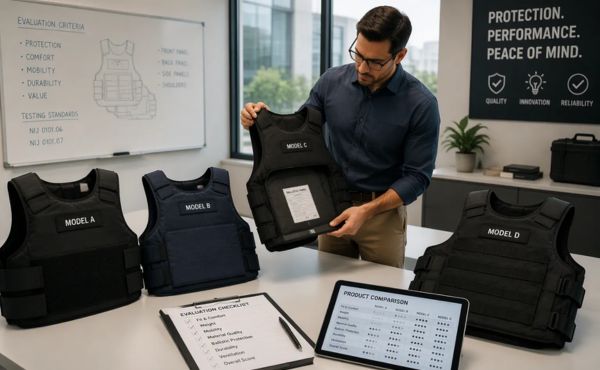
Detailed Model Reviews
Concealable Level IIIA Models
Safariland’s concealable Level IIIA line targets wearers who need a flat profile under a uniform shirt. The carrier uses adjustable strapping and panel retention to keep the front and back panels centered through a full shift. Comfort ranks high for daily wear, and the build holds up under repeated donning. Cost sits in the mid-to-upper tier, which reflects the carrier engineering rather than the panel alone.
- Performance: meets NIJ Level IIIA testing under Standard 0101.06
- Comfort: flat profile, adjustable side straps
- Durability: strong panel retention across repeated wear
- Price: mid-to-upper tier
Survival Armor’s lightweight Level IIIA models prioritize a low profile and all-day comfort. The panels suit readers who wear armor under civilian clothing for long hours. Durability is solid for concealed use, though hard tactical duty asks more of any lightweight build. Price lands in the accessible-to-mid range, which makes this line a strong entry point for first-time buyers.
- Performance: NIJ Level IIIA coverage with a slim panel
- Comfort: lightest feel of the concealable group
- Durability: well suited to concealed wear, not hard field abuse
- Price: accessible to mid range
Armor Express concealable Level IIIA models pair modular carriers with a choice of panel shapes. The modular design lets one platform serve more than one role over time. Comfort is good for daily wear, and the carrier accepts add-on pieces without a full swap. Cost runs mid-to-upper tier, and the flexibility justifies it for buyers who expect their needs to change.
Duty and Tactical Models
Point Blank’s duty Level IIIA models build for long shifts. Reinforced carriers resist wear from repeated donning, and the panel retention holds steady through hard use. Comfort favors all-day duty wear over deep concealment. Price sits in the upper tier, and the rugged build supports that placement for officers who wear armor every day.
- Performance: NIJ Level IIIA duty coverage
- Comfort: built for full-shift wear
- Durability: reinforced carrier, high wear resistance
- Price: upper tier
Armor Express tactical models offer the widest carrier flexibility of the group. Modular systems accept add-on pieces without a carrier swap, which suits teams with shifting mission needs. Durability holds under field use, and comfort stays reasonable for tactical roles. Price runs mid-to-upper tier.
- Performance: NIJ Level IIIA with modular expansion
- Comfort: adequate for tactical wear periods
- Durability: field-ready carrier construction
- Price: mid-to-upper tier
Safariland’s duty line rounds out the group with retention-focused design and dependable Level IIIA coverage. Each model here fits a distinct wear pattern. Compare Soft Body Armor options within your chosen role, then weigh comfort against cost. That method points you to the vest you will actually wear.
Best Picks by Use Case
Concealed Everyday Wear
Survival Armor’s lightweight Level IIIA models win the concealed category. The slim panel sits flat under civilian clothing. Wearers get full Level IIIA coverage without a bulky feel. Long hours become easy hours with this pick. First-time buyers also get an accessible price point. Order the correct size from the chart, then test the fit under your usual shirt.
Safariland’s concealable line earns the runner-up spot for readers who want stronger panel retention. Adjustable straps keep the panels centered through a full day. The mid-to-upper price tier buys carrier engineering that lasts. Armor Express concealable models suit buyers who expect their needs to shift. The modular carrier accepts changes later. Pick one of these three and you will wear it daily.
Law Enforcement and Tactical Duty
Point Blank’s duty Level IIIA models take the top spot for officers. The reinforced carrier handles repeated donning across long shifts. Panel retention stays steady under hard use. Departments that issue armor once and expect years of service should start here. The upper-tier price reflects a build made for daily abuse.
Armor Express tactical models lead for teams with shifting mission needs. Modular carriers accept add-on pieces without a full swap. Field durability holds up, and comfort stays reasonable for tactical wear periods. Safariland’s duty line fits officers who value retention-focused design. Compare these Soft Body Armor options against your actual shift length and threat level. Match the vest to your role, confirm the model on the NIJ Compliant Products List, and buy with confidence.
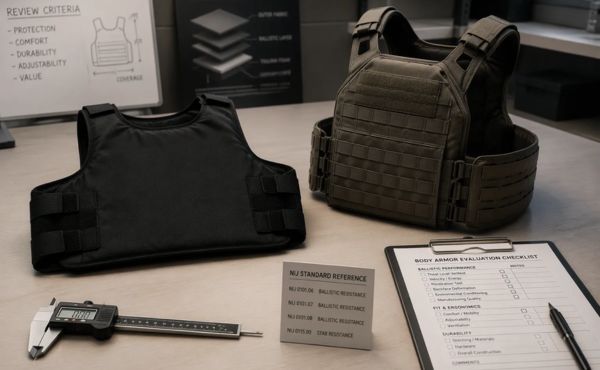
Cost and Value Comparison
Price Ranges by Brand
Price tracks the carrier build more than the panel rating. Every brand here sells NIJ Level IIIA protection. The spread comes from straps, retention systems, and modular platforms. Survival Armor sits at the accessible end. Safariland and Armor Express land in the mid-to-upper range. Point Blank duty models top the group at the upper tier. Buyers who want the lowest entry cost should start with Survival Armor. Buyers who plan to keep one carrier for years should weigh the higher tiers.
| Brand | Price Tier | What Drives the Cost |
|---|---|---|
| Survival Armor | Accessible to mid | Lightweight panel, simple carrier |
| Safariland | Mid to upper | Adjustable strapping, panel retention |
| Armor Express | Mid to upper | Modular carrier systems |
| Point Blank | Upper | Reinforced duty carriers |
Value at Each Price Tier
The accessible tier delivers strong value for concealed wear. Survival Armor gives full Level IIIA coverage at the lowest cost of the group. A first-time buyer gets a vest that fits under civilian clothing without stretching a budget. The trade-off shows up in hard field use. Lightweight builds suit daily concealed wear better than repeated tactical abuse.
The mid-to-upper tier buys carrier engineering. Safariland’s retention system keeps panels centered through long days. Armor Express adds modular flexibility, so one platform adapts as needs change. Both tiers reward buyers who wear armor often. The upper tier fits officers who don armor every shift. Point Blank’s reinforced carrier resists wear across years of donning. Divide the price by the years of service and the gap between tiers narrows fast. Match the tier to your wear pattern, confirm the model on the NIJ Compliant Products List, and the value becomes clear.
Conclusion
Match the vest to your need. Survival Armor leads concealed everyday wear. Point Blank tops law enforcement duty. Survival Armor also delivers the best value, while Point Blank and Armor Express carry the premium tier. Weigh NIJ level, comfort, weight, and cost together before you commit. No single spec decides the purchase.
Confirm the exact model on the NIJ Compliant Products List, then test the fit under the clothing you wear most. Soft Body Armor choices reward buyers who start with their daily role. Your use case and your fit point to the right vest. Buy that one, and you will wear it every day.
FAQ
What is the difference between Level II and Level IIIA soft body armor?
Level II stops most 9mm and .357 Magnum rounds at test velocity. Level IIIA adds .44 Magnum and .357 SIG, plus faster 9mm threats. Choose Level IIIA for the widest coverage in a concealable vest. Neither level stops rifle rounds.
How do I confirm a vest is truly NIJ compliant?
Check the exact model and level on the NIJ Compliant Products List. Ask the seller for the test report under NIJ Standard 0101.06. A brand name proves nothing on its own. The model number on the panel must match the listing.
Which soft body armor brands suit concealed everyday wear?
Survival Armor leads for the lightest Level IIIA panel and the lowest entry cost. Safariland’s concealable line adds stronger panel retention at a higher price. Armor Express fits buyers who want a modular carrier that adapts later.
Which models work best for law enforcement duty?
Point Blank’s duty Level IIIA models top the list for full-shift wear. The reinforced carrier resists repeated donning. Armor Express tactical models suit teams with shifting mission needs. Safariland’s duty line fits officers who value retention-focused design.
Does a higher price mean better protection?
No. Every brand here meets NIJ Level IIIA testing. Price tracks the carrier build, not the protection level. Survival Armor covers concealed wear at the accessible tier. Point Blank’s upper-tier price buys a reinforced duty carrier built for years of daily use.