

Security Contractors’ Key Criteria
Threat Assessment And Operational Needs
Security contractors begin by identifying the threats they may face during missions. They look for armor solutions that match the level of threat, such as handgun or serious rifle threats. The right armor must offer protection against the most likely threats in their environment.
Security contractors often use a checklist to evaluate operational needs:
- What types of threats are present?
- Is ballistic protection needed for handguns, rifles, or both?
- Will the armor provide certified protection for all expected threats?
Mission requirements shape the choice of armor. Some missions require rifle protection, while others focus on lighter ballistic resistance. Security contractors must balance protection with mobility and comfort.
A table can help compare threat levels and armor types:
| Threat Level | Armor Type | Protection Focus |
|---|---|---|
| Handgun threats | Soft body armor | Ballistic protection |
| Serious rifle threats | Hard body armor | Rifle protection |
| Mixed threats | Hybrid solutions | Certified protection |
Security contractors review threats before every mission. They select armor that meets the threat assessment and operational needs.
NIJ And Global Certification Standards
Security contractors rely on certification standards to ensure armor quality. The National Institute of Justice (NIJ) sets guidelines for ballistic protection and certified protection. Armor must meet these standards to guarantee safety.
Global standards also play a role. Security contractors may need armor that meets international requirements. Certification helps them trust the armor’s ability to stop threats.
Procurement decisions depend on certification. Security contractors avoid armor without proper certification. They know that certified protection is essential for facing threats in the field.
Armor with NIJ certification gives security contractors confidence. It assures them that the armor will protect against threats and provide reliable ballistic protection.
Advanced Ballistic Protection Solutions
Soft Vs. Hard Body Armor
Security contractors often compare soft and hard body armor when choosing advanced ballistic protection solutions. Soft body armor uses flexible materials that protect against handgun threats. Hard body armor uses rigid plates to stop rifle rounds and higher-level ballistic threats.
Soft body armor offers lightweight protection. It allows for easy movement and comfort during long missions. Many contractors select soft body armor for tasks that require agility and quick response.
Hard body armor provides stronger ballistic resistance. It protects against more powerful weapons, such as rifles. Contractors use hard body armor in environments where advanced ballistic protection solutions are critical.
A table can help show the differences:
| Armor Type | Protection Level | Weight | Comfort | Mobility |
|---|---|---|---|---|
| Soft body armor | Handgun threats | Light | High | High |
| Hard body armor | Rifle and high threats | Heavy | Moderate | Moderate |
Some missions require both types of body armor. Hybrid solutions combine soft and hard armor for layered ballistic protection. Contractors rely on advanced ballistic protection solutions to ensure safety and flexibility.
Transparent Armor Options
Transparent armor is another part of advanced ballistic protection solutions. It protects vehicles and buildings while allowing visibility. Contractors use transparent armor to guard windows and windshields against ballistic threats.
Transparent armor uses layers of glass and plastic. These layers absorb and stop ballistic impacts. Security teams trust transparent armor for its ability to provide clear sightlines and strong protection.
Transparent armor comes in different thicknesses. Thicker transparent armor stops higher-level ballistic threats. Contractors select the right transparent armor based on the risk and operational needs.
Transparent armor is important for vehicles and guard posts. It lets contractors see outside while staying safe from ballistic attacks. Advanced ballistic protection solutions include transparent armor to cover all angles of defense.
Material And Performance Factors
Material Choices And Durability
Security contractors pay close attention to the materials used in armor. The right material can improve both protection and performance. Common materials include aramid fibers, polyethylene, and ceramics.
Each material offers different levels of durability. Aramid fibers resist cuts and tears. Polyethylene provides lightweight performance and strong protection.
Ceramic plates add extra performance against rifle threats. Contractors compare materials to find the best balance of durability and performance. They want armor that lasts through repeated use and harsh conditions.
Balancing Weight, Comfort, And Performance
Weight and comfort affect how well armor performs in the field. Heavy armor can slow down movement and reduce performance. Lightweight armor increases comfort and helps contractors stay active during long missions.
Contractors look for armor that does not sacrifice protection for comfort. They need performance that supports both safety and mobility. The best armor solutions combine low weight with high performance.
A table can help compare these factors:
| Factor | Impact on Performance | Contractor Priority |
|---|---|---|
| Weight | High | Yes |
| Comfort | High | Yes |
| Protection | High | Yes |
Contractors test armor for performance in real situations. They check if the armor allows for quick movement and does not cause fatigue. High performance means the armor protects, lasts, and feels comfortable.
Custom Fit And Coverage
Ergonomics And Sizing
Security contractors know that body armor must fit well to provide maximum protection. Proper sizing helps prevent gaps in coverage and reduces discomfort. Contractors often use measurement charts to select the right size for each team member.
| Size | Chest (inches) | Waist (inches) | Coverage Area |
|---|---|---|---|
| Small | 34-36 | 28-30 | Standard |
| Medium | 38-40 | 32-34 | Extended |
| Large | 42-44 | 36-38 | Full |
A plate carrier should match the wearer’s body shape. This ensures the armor stays in place during movement. Contractors check for adjustable straps and padding to improve comfort and fit.
Mobility And Coverage Options
Mobility matters in every mission. Security contractors need body armor that allows quick movement and easy access to equipment. High mobility helps contractors respond faster and stay alert.
Body armor comes in different coverage options. Some designs protect only the torso, while others cover shoulders and sides. Contractors choose coverage based on mission risk and mobility needs.
A plate carrier offers flexibility for adding or removing protection. This lets contractors adjust body armor for changing threats. Lightweight designs improve mobility and reduce strain during long shifts.
Body armor must support mobility in all environments. Contractors test armor in real scenarios to make sure it does not restrict movement. The right body armor keeps contractors safe and mobile.
Procurement And Vendor Pitfalls
Lead Times And Red Flags
Security contractors must consider lead times when ordering custom solutions. Delays can put teams at risk during actual mission deployment. Reliable vendors provide clear timelines and communicate any changes quickly.
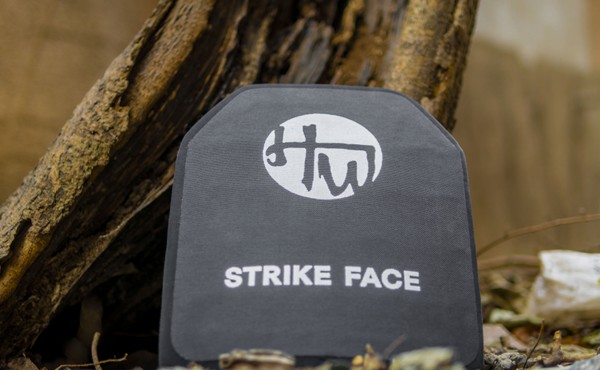
Some red flags include vague delivery dates, lack of testing documentation, and poor communication. Vendors should offer proof of testing for every armor product. Testing must cover multi-threat scenarios, high-velocity threats, and multi-hit performance.
A law enforcement officer or contractor should avoid vendors who cannot provide testing data. Testing is the only way to confirm that armor meets serious operational use requirements.
Evaluating Vendor Reliability
Vendor reliability depends on several factors. Contractors look for a strong reputation and consistent testing practices. Manufacturer reputation is built on years of proven testing and mission-specific integration.
A table can help compare vendor reliability:
| Factor | Reliable Vendor | Unreliable Vendor |
|---|---|---|
| Testing documentation | Provided | Missing |
| Reputation | Strong | Unknown |
| Multi-threat protection | Yes | No |
| Custom solutions | Available | Limited |
Testing must be repeated for each batch to ensure quality. Contractors should ask about the vendor’s history with multi-threat and high-velocity threats. Vendors with a strong reputation will share testing results and support custom solutions for every actual mission.
Conclusion
In summary, security contractors evaluate armor solutions based on threat level protection, certification compliance, material performance, and mission-specific fit. From soft and hard armor selection to transparent protection systems, the focus remains on balancing safety, mobility, and durability. Reliable procurement and verified testing further ensure operational readiness. Ultimately, choosing the right Custom Armor is critical to maintaining effective protection, mission success, and long-term trust in real-world security operations.