

Buying the wrong soft armor panels can put your safety at risk. Even a single mistake may affect ballistic protection, comfort, or long-term value. Since soft armor panels are the protective inserts placed inside body armor carriers, choosing the right panels is essential for reliable personal protection. Understanding the most common buying mistakes will help you select panels that match your protection needs and perform as expected.
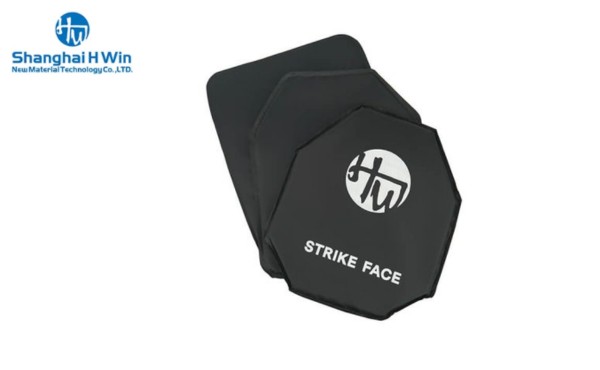
Choosing the Wrong Threat Level for Soft Armor Panels
Not Assessing Real-World Threats
Choosing the correct protection level is one of the most important steps when buying soft armor panels. Many buyers focus on the highest protection level without considering the actual threats they are likely to face.
Quality soft armor panels are primarily designed to protect against handgun threats. Different protection levels are suitable for different environments. For example, security personnel may only need handgun protection, while users facing rifle threats typically require hard armor plates in addition to soft armor panels. Selecting the wrong protection level can leave you without adequate protection or carrying unnecessary weight.
Overestimating or Underestimating Protection Needs
Some buyers assume that higher protection is always better. They choose the highest-rated panels available, even when those panels add unnecessary weight or reduce mobility.
Others choose lower-rated panels simply to save money or improve comfort. This decision may leave them without adequate protection against the threats they are most likely to encounter.
Common mistakes include:
- Choosing protection beyond your actual needs.
- Selecting panels that provide insufficient protection.
- Ignoring the most common threats in your work or daily environment.
The best soft armor panels provide the right balance between protection, comfort, and mobility. Always choose panels based on realistic risks rather than assumptions.
Overlooking NIJ Listing and Certification
“Tested to NIJ Standards” vs. NIJ Listed
Many buyers see the phrase “tested to NIJ standards” and assume the panels have been officially certified. This is a common misunderstanding.
Only products listed by the National Institute of Justice (NIJ) have successfully completed official certification, including laboratory testing, quality assurance inspections, and ongoing compliance monitoring. NIJ Listed soft armor panels provide verified ballistic performance and consistent manufacturing quality.
When evaluating soft armor panels, always confirm that the product is officially NIJ Listed instead of relying only on marketing claims.
Trusting Unverified Claims
Some manufacturers advertise impressive ballistic performance without providing official certification. Without NIJ Listing, there is no independent verification that the panels perform as advertised.
Potential risks include:
- Panels that fail to stop the stated threats.
- Ballistic materials that do not meet required standards.
- Inconsistent manufacturing quality.
| Feature | NIJ Listed Soft Armor Panels | Uncertified Panels |
|---|---|---|
| Official Ballistic Testing | Yes | Maybe |
| Ongoing Quality Inspections | Yes | No |
| Verified Protection Level | Yes | No |
| Reliable Performance | Yes | Unknown |
Choosing NIJ Listed soft armor panels provides greater confidence that the product meets recognized ballistic protection standards.
Ignoring Fit and Vest Compatibility
Choosing the Wrong Panel Size
One size does not fit all when buying soft armor panels. Many buyers select panels based only on clothing size without considering body dimensions or carrier compatibility.
Soft armor panels must match both your body measurements and the body armor carrier. Proper sizing ensures that vital areas receive adequate coverage while allowing natural movement.
Panels that are too small leave protection gaps. Panels that are too large may fold or bunch inside the carrier, reducing comfort and ballistic performance.
Comfort and Mobility Matter
Even high-quality soft armor panels lose their value if discomfort keeps users from wearing them consistently.
Signs of poor fit include:
- Pressure on the shoulders or sides.
- Restricted movement while bending or reaching.
- Panels shifting inside the body armor carrier.
Properly fitted soft armor panels conform to the body, distribute weight evenly, and remain securely positioned during movement.
| Fit | Comfort | Protection |
|---|---|---|
| Too Tight | Low | Reduced |
| Too Loose | Low | Reduced |
| Properly Fitted | High | High |
Selecting the correct panel size and ensuring compatibility with your body armor carrier greatly improves both comfort and protection.
Buying Used Soft Armor Panels
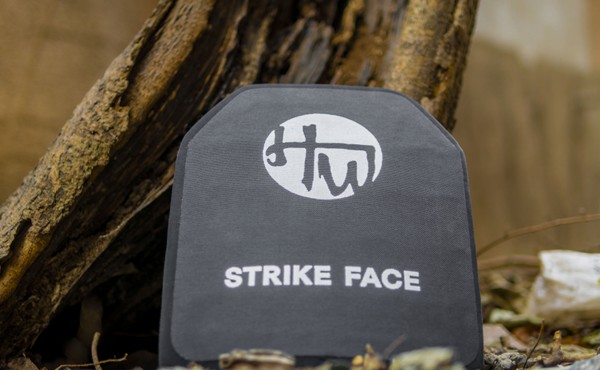
Material Performance Declines Over Time
Used soft armor panels may appear undamaged, but their protective materials naturally degrade over time. Exposure to moisture, heat, sunlight, and daily wear gradually reduces ballistic performance.
Most manufacturers recommend replacing soft armor panels after approximately five years of service, although the exact lifespan depends on the specific product and storage conditions.
Always check the manufacturing date before purchasing any soft armor panels.
Unknown Storage and Usage History
When purchasing used soft armor panels, you rarely know how they have been stored or handled.
Potential risks include:
- Hidden cuts or damage to ballistic materials.
- Moisture or chemical exposure.
- Excessive folding or compression.
- Previous ballistic impacts.
| Feature | New Soft Armor Panels | Used Soft Armor Panels |
|---|---|---|
| Full Ballistic Performance | Yes | Uncertain |
| Known Product History | Yes | No |
| Manufacturer Warranty | Usually Yes | Rare |
| Expected Service Life | Full | Reduced |
Although used panels may cost less, new soft armor panels generally provide better reliability, durability, and long-term value.
Focusing Only on Price Instead of Overall Value
Choosing the Cheapest Option
Price should never be the only factor when buying soft armor panels.
Lower-priced products may use lower-quality ballistic materials or inconsistent manufacturing processes. While the initial cost may be attractive, poor-quality panels may not deliver reliable protection or long service life.
Instead of focusing only on price, compare protection level, certification, materials, and manufacturer reputation.
Ignoring Important Features
High-quality soft armor panels often include features that improve comfort, durability, and everyday usability.
Look for features such as:
- Lightweight construction.
- Flexible panel design.
- Moisture-resistant protective covers.
- Durable stitching and edge sealing.
- Manufacturer warranty.
| Feature | Basic Panels | Premium Panels |
|---|---|---|
| Lightweight Design | No | Yes |
| High-Quality Ballistic Materials | No | Yes |
| Moisture Protection | Limited | Yes |
| Manufacturer Warranty | Limited | Yes |
The best value comes from choosing soft armor panels that combine certified protection, comfort, durability, and dependable after-sales support.
Neglecting Replacement Schedules and Warranty
Ignoring the Recommended Replacement Period
Soft armor panels gradually lose effectiveness as ballistic fibers age. Sweat, humidity, UV exposure, and regular use all contribute to material degradation.
Most manufacturers recommend replacing soft armor panels after about five years to maintain reliable ballistic protection. Continuing to use expired panels may reduce their ability to perform as intended.
Before purchasing, always verify the manufacturing date and recommended service life.
Overlooking Warranty and Customer Support
Warranty coverage is another important consideration that buyers often overlook.
A reliable manufacturer should provide:
- Clear warranty terms.
- Product quality support.
- Assistance with manufacturing defects.
- Responsive customer service.
| Feature | With Warranty | Without Warranty |
|---|---|---|
| Manufacturing Defect Coverage | Yes | No |
| Technical Support | Yes | No |
| Replacement Assistance | Yes | No |
Choosing soft armor panels backed by a strong warranty offers additional confidence and long-term value.
Conclusion
Buying soft armor panels is an important investment in personal safety. Avoiding common mistakes—such as choosing the wrong protection level, ignoring NIJ certification, selecting panels that do not fit your body armor carrier, purchasing used panels, focusing only on price, or overlooking replacement schedules and warranty coverage—helps ensure you receive reliable ballistic protection, lasting comfort, and dependable performance. By carefully evaluating these factors before making a purchase, you can choose soft armor panels that meet your specific protection needs and deliver long-term peace of mind.