

Ceramic Armor Plates are designed to provide high levels of ballistic protection while maintaining a lighter weight than traditional steel armor. One of the most important factors in their effectiveness is multi-hit performance, the ability to withstand repeated impacts without losing protective capability. Understanding how ceramic armor responds to multiple strikes helps users evaluate durability, safety, and suitability for demanding defense and security applications.
Multi-Hit Performance in Ceramic Armor Plates
Why Multi-Hit Rated Body Armor Matters
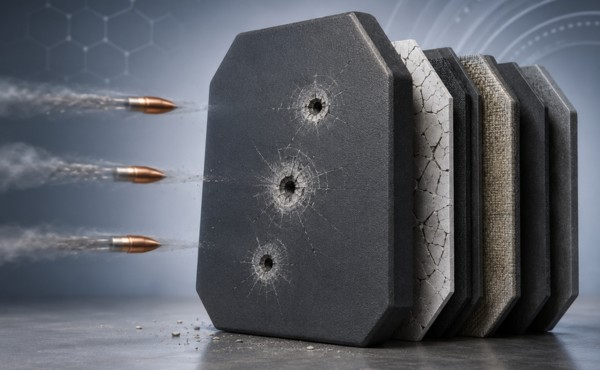
Multi-hit performance describes how well ceramic armor plates can stop multiple hits from bullets or fragments. A plate with a multi-hit rating means it can handle several impacts in different spots without losing its ability to protect. This feature is important because threats in real life often involve more than one shot.
Ceramic armor plates use hard ceramic materials to break up and slow down projectiles. When a bullet strikes, the ceramic cracks and absorbs energy, stopping the threat. However, after one impact, the area around the hit may weaken, so the ability to withstand multiple hits is crucial for ongoing protection.
Multi-hit performance ensures that armor continues to work even after being struck more than once. In dangerous situations, attackers may fire several rounds in quick succession. Plates that can resist multiple hits give users a better chance of survival.
Ceramic armor plates are designed to spread the force of each impact over a wider area. This helps prevent the plate from failing after the first shot. The multi-hit rating shows how well the plate can keep protecting the wearer after repeated impacts.
Real-world protection depends on more than just stopping a single bullet. Law enforcement officers, military personnel, and civilians may face situations where multiple hits occur. Multi-hit performance in ceramic armor plates provides confidence that the armor will not fail after the first strike.
Ceramic materials like alumina, silicon carbide, and boron carbide are chosen for their strength and ability to handle multiple hits. The design and construction of the plates also play a role in their performance. High-quality ceramic armor plates balance weight, durability, and protection to meet the needs of users.
Multi-hit performance is a key factor in the effectiveness of ceramic armor. It measures how well the plates can keep the user safe during repeated attacks. Understanding this feature helps users make informed decisions about their personal protection.
Testing Multi-Hit Performance and NIJ Standards
NIJ Shot Patterns and Spacing
The National Institute of Justice (NIJ) sets the main standards for body armor in the United States. NIJ protection levels show how much force a plate can stop. The NIJ uses specific shot patterns and spacing to test ceramic armor plates for multi-hit protection.
Testers fire several rounds at the plate in a set pattern. Each shot must be a certain distance from the others. This spacing helps measure how well the ceramic can handle repeated impacts without losing protection.
Ballistic Testing Methods
Ballistic testing checks how well armor plates stop bullets. Testers use real firearms and ammunition to measure ballistic performance. They record if the ceramic plate stops the bullets and if it stays in one piece after each hit.
The test includes firing multiple shots at the plate. The plate must not break or let bullets pass through. If the ceramic armor plate passes, it earns a multi-hit rating.
A table can help show the basic steps in a typical ballistic test:
| Step | Action | Purpose |
|---|---|---|
| 1 | Place plate on test stand | Hold armor in position |
| 2 | Fire first shot | Test initial protection |
| 3 | Fire next shots (spaced) | Check multi-hit performance |
| 4 | Inspect for cracks/holes | Confirm continued protection |
Interpreting Multi-Hit Ratings
Multi-hit ratings tell users how many impacts a ceramic armor plate can handle before it fails. These ratings come from strict NIJ tests. A higher rating means better protection in dangerous situations.
Users should look for the multi-hit rating when choosing armor. This rating shows if the plate can keep protecting after several hits. It is important to match the rating with the expected threat level.
Multi-hit ratings help users compare different ceramic armor plates. They give a clear idea of how much protection each plate offers. Understanding these ratings helps people make smart choices about their safety.
Factors Affecting Ceramic Protection
Ceramic Material Types (Alumina, SiC, B4C)
Ceramic armor plates use different materials to achieve strong protection. Alumina is common and offers reliable impact absorption at a lower cost. Silicon carbide provides better multi-hit resistance and lighter weight. Boron carbide is the hardest and lightest, giving top performance but at a higher price. Each ceramic material affects how well the armor absorbs energy and resists cracks after repeated hits.
| Material | Weight | Hardness | Protection Level |
|---|---|---|---|
| Alumina | Heavy | Medium | Good |
| Silicon Carbide | Medium | High | Better |
| Boron Carbide | Light | Highest | Best |
Choosing the right ceramic material helps balance protection, weight, and cost.
Plate Construction and Tiling
Modern tiled ceramic strike faces improve armor protection by dividing the plate into smaller sections. Tiled designs help spread the force of each impact and prevent cracks from spreading across the plate. This construction increases multi-hit performance because damaged tiles do not affect the rest of the plate.
Tiled plates also reduce weight and make armor easier to wear. The design keeps protection high even after multiple impacts.
Manufacturing Quality
Manufacturing quality plays a big role in ceramic armor performance. High-quality plates have fewer flaws and offer consistent protection. Good manufacturing ensures that the ceramic material and tiled construction work together for strong impact absorption.
Armor plates with strict quality control last longer and resist damage better. Reliable manufacturing helps users trust their armor in real situations.
Ceramic Armor Plates vs. Other Protection Materials
Ceramic vs. Steel Plates
Ceramic armor plates and steel armor plates both offer strong protection. Ceramic plates absorb energy and break up bullets, while steel armor plates use hard metal to stop projectiles. Ceramic vs. steel is a common debate because each material has unique strengths.
Steel armor plates can handle many hits in the same area. Ceramic plates perform well against multiple impacts but may crack after repeated strikes. Ceramic vs. steel shows that ceramic plates are lighter and more comfortable, but steel armor plates are tougher and resist bending.
A comparison table helps show the differences:
| Feature | Ceramic Plates | Steel Armor Plates |
|---|---|---|
| Weight | Light | Heavy |
| Multi-Hit Rating | Good | Excellent |
| Comfort | High | Low |
| Protection | Strong | Strong |
Ceramic vs. Polyethylene Plates
Ceramic plates and polyethylene plates both protect against bullets. Polyethylene plates use layered plastic to stop projectiles. Ceramic plates offer better multi-hit resistance against rifle rounds, while polyethylene plates are lighter and resist corrosion.
Ceramic vs. steel and ceramic vs. polyethylene both show that ceramic plates balance weight and protection. Polyethylene plates work well for pistol threats but may not stop high-velocity rifle rounds as effectively as ceramic plates.
Real-World Multi-Hit Scenarios
In real-world situations, attackers may fire several shots quickly. Ceramic armor plates can stop multiple bullets, but steel armor plates may keep protecting after more hits in the same spot. Ceramic vs. steel becomes important when choosing armor for repeated impacts.
Ceramic plates are lighter and easier to wear for long periods. Steel armor plates offer excellent multi-hit performance but add extra weight. Users must decide which armor fits their needs for protection, comfort, and durability.
Choosing Multi-Hit Rated Body Armor
Weight, Cost, and Durability
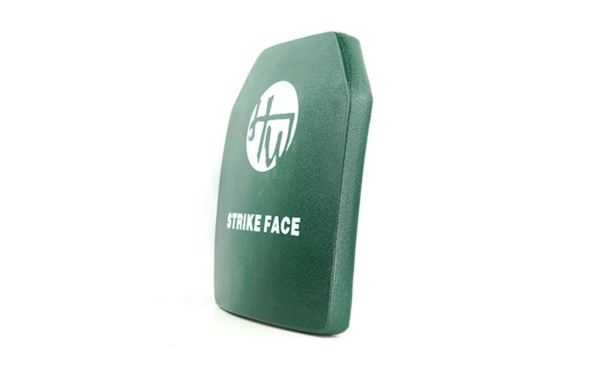
Selecting ceramic armor involves balancing weight, cost, and durability. Weight affects comfort and mobility, especially during long missions. Ceramic plates are lighter than steel, but weight varies by material and design. Cost depends on the ceramic used and the manufacturing process. Boron carbide plates cost more but offer lower weight and higher durability. Durability measures how well armor withstands impacts and lasts over time. Long-term durability is important for users who need reliable protection. A table can help compare these factors:
| Plate Type | Weight | Cost | Durability |
|---|---|---|---|
| Alumina | High | Low | Moderate |
| Silicon Carbide | Medium | Medium | High |
| Boron Carbide | Low | High | Highest |
Threat Level and Intended Use
Threat level guides the choice of ceramic armor. Users must match the armor to the expected threats. Multi-hit rated body armor protects against repeated impacts from rifle rounds. Law enforcement and military personnel often need plates with high multi-hit performance. Intended use affects the weight and durability requirements. Body armor systems for civilians may focus on comfort and moderate protection. Always check the rating to ensure the ceramic plate meets your threat level.
Maintenance and Replacement
Proper maintenance extends the durability of ceramic armor. Inspect plates regularly for cracks or damage. After a multi-hit event, check the plate for weakened areas. Replace ceramic plates if they show signs of damage or reduced protection. Storing armor in a dry, cool place helps maintain long-term durability. Users should follow manufacturer guidelines for care and replacement. Reliable ceramic armor provides ongoing protection when maintained correctly.
Conclusion
Understanding multi-hit performance is essential when evaluating Ceramic Armor Plates for real-world protection. Factors such as material selection, plate construction, testing standards, and intended use all influence how effectively armor can withstand repeated impacts. By choosing properly rated and well-manufactured plates, users can achieve a strong balance of protection, durability, and mobility. Multi-hit capability remains one of the most critical indicators of armor reliability in demanding operational environments.