

Choosing between soft armor and hard armor depends on your mission. Soft armor provides lightweight protection for situations where comfort and flexibility matter most. If your mission involves long hours or changing locations, soft armor keeps your body armor easy to wear and soft enough for daily use, making soft armor the soft solution for most soft duty assignments. Soft armor feels soft against the body, offering soft coverage without the bulk of hard armor. Many users prefer soft armor for soft tasks that need soft movement and soft handling, while soft armor remains soft and reliable for soft responses.
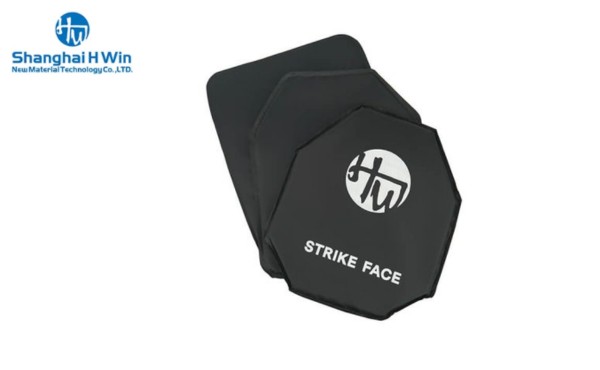
Soft Armor vs Hard Armor Overview
Soft Armor Basics
Soft armor uses layers of strong fibers to stop bullets. This type of body armor feels soft and flexible against the body. Soft armor works best for daily wear and soft tasks that need comfort and soft movement.
Soft armor offers good protection from many handgun threats. It does not use hard plates, so it stays soft and light. Many people choose soft armor for soft duty assignments or when soft body armor is needed for long hours.
Hard Armor Plate Basics
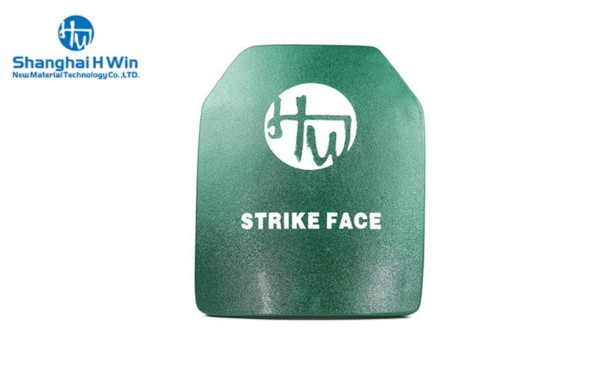
Hard armor uses solid plates made from materials like ceramic or steel. These plates give higher ballistic protection than soft armor. Hard armor is heavier and less soft, but it can stop rifle rounds and stronger threats.
Hard armor plates fit into carriers and add weight to body armor. This type of armor is not as soft or flexible as soft armor. Hard armor is best for high-risk missions where maximum protection is needed.
Key Differences
| Feature | Soft Armor | Hard Armor |
|---|---|---|
| Weight | Light and soft | Heavy, not soft |
| Flexibility | Very soft and flexible | Rigid, less soft |
| Ballistic Protection | Handguns, some fragments | Rifles, high-velocity rounds |
| Comfort | Soft, easy to wear | Less soft, bulky |
| Concealment | Soft, easy to hide | Hard to conceal |
Soft armor gives soft comfort and soft coverage for soft jobs. Hard armor offers more ballistic protection but is not soft or light. Choosing between soft armor and hard armor depends on the level of protection needed and how soft you want your body armor to feel.
Body Armor Protection Levels
NIJ Ratings
The National Institute of Justice (NIJ) sets standards for body armor. These standards help users understand protection levels. Each level shows what kind of threat the armor can stop.
The main NIJ ratings are Level II, Level IIIA, Level III, and Level IV. Level II and Level IIIA are common for soft armor. Level III and Level IV are used for hard armor.
| NIJ Level | Type of Armor | Stops |
|---|---|---|
| II | Soft armor | Most 9mm, .40 S&W handguns |
| IIIA | Soft armor | .357 SIG, .44 Magnum handguns |
| III | Hard armor | 7.62mm rifle rounds |
| IV | Hard armor | Armor-piercing rifle rounds |
What Soft Armor Stops
Soft armor gives protection against most handgun threats. It works well for low to medium-risk jobs. Level II soft armor can stop 9mm and .40 S&W rounds. Level IIIA soft armor can stop stronger handgun rounds like .357 SIG and .44 Magnum.
Soft armor does not stop rifle rounds. It is soft, light, and easy to wear for long hours. Many people choose soft armor for soft tasks that need soft movement and soft comfort.
Soft armor offers three main benefits:
- Soft coverage for daily use
- Soft feel for comfort
- Soft weight for easy movement
Soft armor is not made for high-risk environments with rifles. It is best for soft duty assignments and soft responses.
What Hard Armor Stops
Hard armor gives higher protection levels. It can stop rifle rounds and armor-piercing bullets. Level III hard armor stops 7.62mm rifle rounds. Level IV hard armor stops armor-piercing rifle rounds.
Hard armor is not soft or light. It is used for high-risk missions where maximum protection is needed. Hard armor is often used in tactical operations and military settings.
Hard armor gives strong stopping power. It protects against threats that soft armor cannot stop. Hard armor is the best choice for high-risk environments and tactical missions.
Summary Table: What Each Armor Stops
| Armor Type | NIJ Level | Stops | Stopping Power |
|---|---|---|---|
| Soft armor | II, IIIA | Handgun rounds, fragments | Low |
| Hard armor | III, IV | Rifle rounds, armor-piercing | High |
Soft armor and hard armor serve different needs. Soft armor is soft, light, and good for soft tasks. Hard armor is heavy, strong, and made for high-risk threats. Knowing the protection levels helps you choose the right body armor for your mission.
Comfort, Weight, and Concealability
Mobility and Ergonomics
Soft armor offers excellent mobility. The soft materials bend and move with your body. This makes it easy to run, crouch, or sit for long periods.
Many users choose soft armor for jobs that need high mobility. The soft design does not restrict movement. You can wear soft armor under clothing without losing mobility.
Hard armor is heavier and less flexible. It can limit mobility, especially during fast movements. For missions that need quick action, soft armor is often the better choice.
Concealment vs Tactical Use
Soft armor is known for its concealment. The soft panels fit close to the body and stay hidden under uniforms or regular clothes. This makes soft armor a top pick for those who need to stay discreet.
Concealability is important for undercover work or daily patrols. Soft armor provides both concealment and soft comfort. Hard armor stands out more and is harder to hide.
Tactical missions often require hard armor. The extra protection comes with less concealability. In these cases, mobility may be less important than protection.
Long-Term Wear
Soft armor is light and soft, making it comfortable for long-term wear. You can wear soft armor for hours without feeling weighed down. This is helpful for jobs that last all day.
Hard armor adds weight and can cause fatigue over time. The cost of comfort is higher with hard armor. Soft armor keeps you mobile and comfortable, even during long shifts.
| Feature | Soft Armor | Hard Armor |
|---|---|---|
| Mobility | High | Low |
| Concealment | High | Low |
| Concealability | High | Low |
| Cost | Lower | Higher |
| Comfort | Soft, very good | Less soft |
Cost and Durability Comparison
Price Differences
Soft armor usually costs less than hard armor. The soft materials are easier to produce and shape. This makes soft armor a good choice for those who need soft protection on a budget.
Hard armor costs more because of the strong plates and advanced materials. The price reflects the higher level of protection and performance. Many users pay more for hard armor when they need maximum performance in dangerous situations.
| Armor Type | Average Cost Range | Main Reason for Cost |
|---|---|---|
| Soft armor | $300 – $800 | Soft materials, easy fit |
| Hard armor | $500 – $2,000 | Plates, high performance |
Maintenance and Longevity
Soft armor needs regular checks to keep its soft structure and performance. Sweat, moisture, and sunlight can break down the soft fibers over time. Most soft armor lasts about five years with proper care.
Hard armor lasts longer if you avoid dropping or cracking the plates. The hard plates keep their performance unless they take a strong hit. Some hard armor can last up to ten years, but always check for damage after use.
- Store soft armor flat and dry to keep it soft and ready.
- Inspect hard armor plates for cracks or chips after each mission.
- Replace any armor that shows signs of wear or damage to keep top performance.
Both types of body armor need care to keep their performance high. Good maintenance helps you get the most out of your investment and keeps your protection reliable.
Tactical Missions and Armor Choice
Law Enforcement Needs
Law enforcement officers often face unpredictable situations. Many patrol officers choose soft armor for daily tasks because it offers soft comfort and flexibility. For tactical teams handling high-risk environments, hard armor provides greater protection during tactical operations.
Military and Tactical Operations
Military personnel operate in high-risk environments where rifle threats are common. Hard armor is standard for tactical missions that require maximum protection. Soldiers use hard armor plates to increase stopping power and performance during tactical operations.
Tactical teams need armor that matches their threat profile. Hard armor gives higher levels of protection but reduces mobility. Soft armor is rarely used in military tactical scenarios due to lower protection levels.
| Mission Type | Armor Choice | Reason |
|---|---|---|
| Tactical patrol | Hard armor | High-risk threats |
| Reconnaissance | Hard armor | Tactical flexibility |
| Support roles | Soft armor | Soft comfort |
Civilian and Everyday Use
Civilians may need body armor for personal safety or work in security. Soft armor suits everyday use because it is soft, light, and easy to conceal. Most civilians do not face high-risk environments, so soft armor meets their needs for protection and comfort.
Security guards in high-risk areas may require hard armor. Tactical considerations include mobility, cost, and concealability. Civilians should assess their threat profile to learn how to choose the best body armor.
Quick Armor Decision Guide
Checklist for Choosing
Use this checklist to help decide which type of body armor fits your needs:
- Identify your main threat. Are you likely to face handguns or rifles?
- Think about your mission length. Will you wear armor for a few hours or all day?
- Consider your need for concealment. Do you need armor that stays discreet under clothing?
- Check your mobility needs. Will you move often or stay in one place?
- Review your budget. How much can you spend on protection?
- Look at the environment. Are you working in high-risk areas or low-risk settings?
- Decide if you need soft armor for flexibility or hard armor for maximum protection.
Common Scenarios
Here are some common scenarios and the best armor choice for each:
| Scenario | Best Choice | Reason |
|---|---|---|
| Patrol officer on daily duty | Soft armor | Comfort and flexibility |
| Tactical team in high-risk zone | Hard armor | Maximum protection |
| Civilian needing discreet wear | Soft armor | Concealment and light weight |
| Security in high-risk area | Hard armor | Rifle threat and survivability |
| Long shifts with movement | Soft armor | Mobility and comfort |
A patrol officer may choose soft armor for daily tasks. A tactical team often selects hard armor for tactical operations. Civilians who need discreet protection usually pick soft armor. Security staff in high-risk environments may need hard armor for better stopping power. Always use body armor guides to learn how to choose the best body armor for your needs.
Conclusion
Soft armor gives comfort and flexibility, while hard armor plates offer higher protection for dangerous missions. Choosing the right body armor depends on your mission, threat level, and how to choose the best body armor for your needs. Review the checklist before making a decision, and seek more information if you need help.