

Choosing the right bulletproof helmet can be a matter of life-saving protection. Key questions about safety and helmet design help ensure you receive military-grade protection in every situation. Special operations and mission requirements demand helmets that meet strict standards for safety and operational effectiveness.
Asking key questions about helmet construction and certification can prevent dangerous failures. Inadequate ballistic helmet protection puts lives at risk during special operations. Life-saving protection depends on knowing which key questions to ask before selecting helmets for any mission.
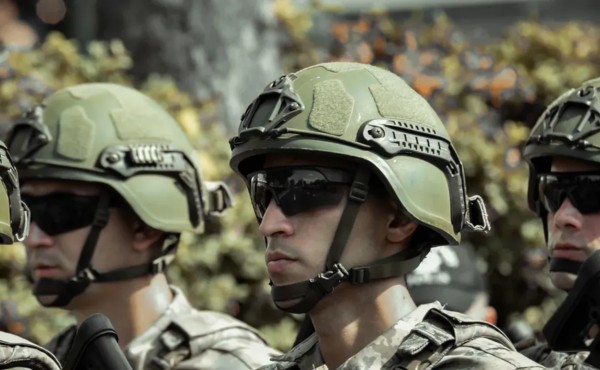
Ballistic Protection Standards
NIJ Level IIIA Certification
When selecting a ballistic helmet, always ask about the helmet’s NIJ certification. The NIJ sets the standard for ballistic protection in the United States. NIJ Level IIIA is the most common rating for ballistic helmets, offering protection against handgun threats.
A helmet with NIJ Level IIIA certification has passed strict ballistic tests. These tests measure the helmet’s ability to stop bullets and provide fragmentation resistance. The NIJ ballistic rating ensures the helmet meets the highest standards for ballistic protection.
Ask the manufacturer to show proof of NIJ certification for each ballistic helmet model. Request documentation that confirms the helmet’s rating and ballistic protection level. This step helps you avoid helmets that do not meet the required ballistic standards.
Independent Testing and Reports
Do not rely only on the manufacturer’s claims about ballistic protection. Independent testing is important for verifying the helmet’s performance. Third-party labs test ballistic helmets for both ballistic and fragmentation resistance.
Check if the ballistic helmet has passed independent testing for NIJ Level IIIA or similar standards. Review the test results to confirm the helmet’s rating and protection level. Reliable ballistic helmets will have clear documentation from independent labs.
A helmet that passes both NIJ and independent testing offers the best protection. This approach ensures your ballistic helmet provides the ballistic protection you need in real-world situations.
V50 Ballistic Limit and Threat Levels
Understanding V50 Ratings
The V50 rating is a key measure of helmet performance. It shows the speed at which a projectile has a 50% chance of penetrating the helmet. This test helps users understand how much ballistic protection the helmet provides against both bullets and fragmentation.
Ballistic helmets must pass V50 tests to prove their strength. The V50 value is important because it tells you how well the helmet can stop threats in real situations. High V50 ratings mean the helmet offers better ballistic protection and more resistance to fragmentation.
Ask the manufacturer for the V50 test results for each ballistic helmet. These results should include both ballistic and fragmentation data. Reliable ballistic helmets will have clear V50 documentation to show their level of protection.
Specific Threat Protection (Pistol vs. Rifle)
Not all ballistic helmets protect against the same threats. Some helmets are designed to stop pistol rounds, while others may offer limited protection against rifle fire. Always ask which threats the helmet is rated to stop.
A ballistic helmet with a high V50 rating for fragmentation and ballistic threats gives better protection. Check if the helmet is tested for both pistol and rifle rounds. This information helps you choose the right helmet for your protection needs.
Use this table to compare helmet protection levels:
| Threat Type | Ballistic Helmet Protection | Fragmentation Resistance |
|---|---|---|
| Pistol | Yes | Yes |
| Rifle | Limited | Yes |
Ballistic helmets that pass both ballistic and fragmentation tests offer the best protection. Always review the helmet’s test data before making a decision. This step ensures your ballistic helmet meets your protection requirements.
Key Questions on Helmet Materials
Material Types (Kevlar, UHMWPE, etc.)
Ballistic helmet materials play a major role in protection and performance. Kevlar and UHMWPE are common choices for tactical helmets. Each material affects the helmet’s ballistic resistance and impact absorption.
Kevlar offers strong ballistic protection and reliable head protection. UHMWPE provides lightweight ballistic helmets with high impact resistance. Tactical helmets made from these materials deliver solid protection against ballistic threats.
Ask the manufacturer about the material used in each helmet. Request details on how the material impacts ballistic helmet performance. Compare tactical helmet materials to understand which offers the best protection for your needs.
Impact on Weight and Comfort
Helmet weight influences comfort and tactical performance. Lightweight ballistic helmets reduce fatigue during long missions. Heavier tactical helmets may offer more protection but can limit mobility.
The impact of material choice affects both helmet weight and head protection. UHMWPE tactical helmets are lighter and improve comfort for extended wear. Kevlar ballistic helmets may weigh more but provide strong impact resistance.
Consider how helmet weight impacts tactical operations. Ask about the balance between protection and comfort in each ballistic helmet. Review helmet specifications to ensure the right mix of impact resistance and head protection.
Use this table to compare material impact on helmet features:
| Material | Weight | Ballistic Protection | Impact Resistance | Comfort |
|---|---|---|---|---|
| Kevlar | Medium | High | High | Moderate |
| UHMWPE | Light | High | High | High |
Tactical helmets must deliver both ballistic protection and impact resistance. Choose a ballistic helmet that meets your tactical needs and provides reliable head protection.
Ballistic Helmet Cut and Fit
Cut Styles (High, Mid, Full)
Ballistic helmet cut styles affect both protection and comfort. The three main options are high cut helmet, mid cut, and full cut. Each style offers different levels of coverage and mobility.
A high cut helmet provides more space around the ears. This design allows for better use of communication headsets and other accessories. High cut helmet models are popular for tactical teams that need flexibility.
Mid cut helmets offer a balance between coverage and comfort. They protect more of the head than a high cut helmet but still allow for some accessory use. Full cut helmets give the most coverage and protection, especially around the sides and back of the head.
| Cut Style | Coverage Area | Accessory Compatibility | Typical Use Cases |
|---|---|---|---|
| High Cut Helmet | Ears exposed | High | Tactical, Special Ops |
| Mid Cut | Partial ear cover | Moderate | Law Enforcement, Patrol |
| Full Cut | Full ear cover | Low | Riot Control, Maximum Protection |
Sizing and Adjustment Options
Proper fit is essential for any ballistic helmet. A helmet that fits well provides better protection and comfort. Most ballistic helmets come in several sizes to match different head shapes.
Look for helmets with adjustable suspension systems. These systems help the helmet stay secure during movement. Padding and chin straps also improve fit and stability.
Ask the manufacturer about available sizes and adjustment features. A high cut helmet with good adjustment options can improve both protection and comfort. Always try on the helmet before use to ensure the best fit.
Helmet Weight and Ergonomics
Comfort for Extended Wear
Ballistic helmet weight plays a major role in user comfort. A lighter helmet reduces neck strain and helps users stay alert during long missions. Comfort is essential for maintaining focus and performance in the field.
Many ballistic helmet designs use advanced materials to lower weight without sacrificing protection. Padding and suspension systems inside the helmet improve comfort by distributing pressure evenly. Adjustable straps also help users achieve a secure and comfortable fit.
User comfort increases when the helmet allows for airflow and reduces heat buildup. Some ballistic helmet models include ventilation features to enhance comfort during extended wear. Always ask about comfort features when evaluating a helmet for long-term use.
Balancing Weight and Protection
A good ballistic helmet must balance weight and protection. Heavier helmets may offer more ballistic protection, but they can reduce comfort and mobility. Lightweight helmets improve comfort but must still meet strict ballistic standards.
Ask the manufacturer how the helmet design achieves this balance. Review the helmet’s weight, ballistic rating, and comfort features together. This approach helps you choose a ballistic helmet that delivers both protection and user comfort.
The right helmet supports high performance in demanding situations. Comfort, protection, and ballistic performance must work together. Always consider how helmet weight affects both comfort and ballistic protection during selection.
| Feature | Impact on Comfort | Impact on Protection | Impact on Performance |
|---|---|---|---|
| Lightweight | High | Moderate | High |
| Heavyweight | Low | High | Moderate |
| Balanced Design | High | High | High |
A well-designed ballistic helmet ensures user comfort, strong protection, and reliable performance for every mission.
Real-World Testing and User Feedback
Field Testing Conditions
Field testing shows how a helmet performs outside the lab. Real-world tests check the helmet in different weather, temperatures, and environments. These tests help confirm that the helmet can handle dust, rain, and impacts.
A helmet must keep its ballistic protection in tough conditions. Field tests often include drops, blunt force, and exposure to sunlight. Some tests also measure how the helmet resists water and chemicals.
Ask the manufacturer about the field testing process. Request details on how the helmet was tested for ballistic threats in real situations. Reliable helmets will have clear reports from these tests.
User Experience and Reviews
User feedback gives important information about helmet comfort and performance. Soldiers, law enforcement, and security teams often share their experiences with a helmet after long use. Their reviews can highlight how the helmet fits, feels, and protects in daily tasks.
Look for reviews that mention the helmet’s ballistic strength and comfort during long missions. Users may talk about how the helmet handles heat, sweat, and movement. Some reviews also discuss how easy it is to add accessories to the helmet.
Consider both positive and negative feedback. A helmet with strong user reviews for ballistic protection and comfort is a good choice. Always ask the manufacturer if they can share user feedback or references.
| User Feedback Area | What to Look For |
|---|---|
| Comfort | Padding, fit, weight |
| Ballistic Protection | Real-world performance |
| Durability | Wear over time, resistance |
| Accessories | Mounting options, compatibility |
Accessories and Customization
Mounting Options and Add-ons
A helmet often needs to support different accessories for various missions. Many helmets come with rails or mounting points for lights, cameras, or communication devices. These features help users adapt the helmet for specific ballistic needs.
Ask the manufacturer about the types of mounting systems available on each helmet. Some helmets use side rails, while others have front shrouds for night vision or cameras. A helmet with flexible mounting options can support a wide range of ballistic accessories.
A table can help compare common helmet accessories:
| Accessory Type | Mounting Location | Ballistic Use Case |
|---|---|---|
| Night Vision | Front Shroud | Low-light operations |
| Communication Gear | Side Rails | Team coordination |
| Flashlight | Side Rails | Search and rescue |
| Camera | Front/Side | Training and evidence |
Custom Colors and Configurations
A helmet should match the environment and mission. Many helmets offer custom colors such as black, green, or tan. Some helmets allow for camouflage patterns to blend with surroundings.
Ask if the manufacturer provides color options for each helmet. Custom configurations may include extra padding, different chin straps, or unique ballistic liners. These features help users get the best fit and protection from their helmet.
A helmet with the right accessories and custom features can make a big difference in the field. Choose a helmet that supports your ballistic needs and mission goals.
Warranty and Lifespan of Ballistic Helmets
Warranty Coverage
A warranty gives buyers confidence in the quality of a helmet. Most manufacturers offer a warranty that covers defects in materials or workmanship. Ask about the length of the warranty and what it includes.
Some warranties cover only the shell of the helmet. Others may include the suspension system or padding. Check if the warranty covers ballistic performance over time.
A helmet with a strong warranty shows the manufacturer stands behind its product. If a helmet fails during normal use, the warranty should allow for repair or replacement. Make sure you understand the process for making a warranty claim.
Expected Service Life
The service life of a helmet depends on its materials and how it is used. Most helmets last between five and ten years. Ballistic helmets may need replacement sooner if they show signs of damage.
Environmental factors like heat, moisture, and sunlight can affect the lifespan of a helmet. Inspect the helmet regularly for cracks, dents, or worn padding. Ballistic protection can decrease if the helmet is damaged.
Use this table to compare helmet service life factors:
| Factor | Impact on Service Life |
|---|---|
| Material Quality | High |
| Usage Frequency | Moderate |
| Environmental | High |
| Maintenance | High |
A helmet should be replaced if it fails to meet ballistic standards. Ask the manufacturer how often to inspect and replace the helmet. Proper care extends the life of a helmet and keeps ballistic protection reliable.
Manufacturer Reputation and Experience
Track Record in Ballistic Helmets
Researching the history of a manufacturer is important before buying a helmet. A strong track record shows the company has experience in making tactical helmets for military use. Look for information about how long the manufacturer has produced ballistic helmets and how their products perform in real missions.
Ask the manufacturer for details about their helmet testing and quality control. Reliable companies often share data about their ballistic helmet performance in military and tactical environments. You can use this information to compare different helmet options and choose the best one for your mission.
A table can help you review the manufacturer’s experience:
| Manufacturer Experience | Years in Business | Military Contracts | Tactical Testing |
|---|---|---|---|
| Example | 10+ | Yes | Yes |
Customer Support and After-Sales Service
Customer support is important when buying a helmet. Good support helps you solve problems with your tactical helmet quickly. Ask the manufacturer about their after-sales service and how they handle maintenance for ballistic helmets.
You should find out if the company offers help with helmet repairs or replacements. Some manufacturers provide guidance for cleaning and storing military helmets. This support keeps your helmet in top condition for every mission.
Use this checklist when talking to a manufacturer:
- Does the company offer maintenance advice for tactical helmets?
- Can you get replacement parts for your helmet?
- Is there a clear process for warranty claims on military helmets?
Choosing a manufacturer with a good reputation and reliable support ensures your helmet stays safe and ready for tactical missions.
Key Questions for Bulk Orders
Lead Times and Minimum Quantities
When planning a bulk order, always ask about the lead time for each helmet. Lead time means the period from placing an order to receiving the helmets. This information helps you plan for training or deployment.
Manufacturers often set minimum order quantities for bulk purchases. These limits can affect your budget and timeline. Ask if the minimum quantity changes based on the type of helmet or ballistic protection level.
Use this checklist when discussing bulk orders:
- What is the standard lead time for a bulk helmet order?
- Are there different lead times for various helmet models?
- What is the minimum order quantity for each helmet type?
- Can the manufacturer meet urgent requests for ballistic helmets?
Support for Large Purchases
Support for large purchases is important when ordering many helmets. Ask if the manufacturer offers special services for bulk ballistic orders. Some companies provide dedicated support teams for large clients.
Check if the manufacturer can help with logistics, such as shipping and delivery tracking. Ask about packaging options to protect each helmet during transport. Reliable support ensures each helmet arrives in good condition and meets ballistic standards.
A table can help you compare support features:
| Support Feature | Description |
|---|---|
| Dedicated Account Team | Helps manage large helmet orders |
| Logistics Assistance | Coordinates shipping for helmets |
| Custom Packaging | Protects helmets during delivery |
| Order Tracking | Monitors helmet shipment progress |
Conclusion
Choosing the right helmet protects your safety in every situation. Always ask about ballistic standards, real-world testing, and the manufacturer’s reputation. Use these key questions to compare each helmet and make sure your safety comes first.
- Check for certification and independent ballistic testing.
- Review helmet materials and comfort features.
- Confirm warranty and expected service life.
- Research user feedback and manufacturer support.
Prioritize safety and thorough research before selecting any ballistic helmet.