

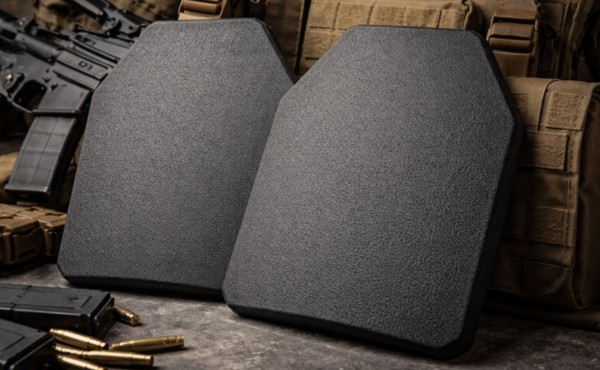
Among the various components of body armor, ballistic plates are fundamental in providing protection against a range of ballistic threats. Two of the most commonly used ballistic plates are the Small Arms Protective Insert (SAPI) plates and the Enhanced Small Arms Protective Insert (ESAPI) plates. These plates are designed to absorb and dissipate the energy from projectiles, preventing injury or even death.
In this article, we will explore the key differences between SAPI and ESAPI plates, their materials, protection capabilities, and the scenarios in which each is most effective. Additionally, we will guide you through the factors to consider when choosing between these two types of ballistic plates, ensuring you have the knowledge needed to make the right choice based on your specific requirements.
The Origins of SAPI and ESAPI Plates
Body armor technology has evolved rapidly to meet modern battlefield and tactical demands. SAPI stands for Small Arms Protective Insert. Developed for the U.S. military in the early 2000s, SAPI plates were created to stop common small-arms fire while fitting standard-issue plate carriers. These inserts became the backbone of systems like the Interceptor Body Armor and later the Improved Outer Tactical Vest (IOTV).
By 2005, the military identified a need for greater protection against evolving threats, particularly armor-piercing ammunition. This led to the introduction of ESAPI — Enhanced Small Arms Protective Insert. ESAPI plates were designed as a direct upgrade, offering higher ballistic resistance without changing the fundamental shape or carrier compatibility. Today, both terms are widely used in civilian markets, though their original military specifications still define performance expectations.
These plates are not “bulletproof” in the absolute sense — no armor is — but they dramatically increase survivability by absorbing and dispersing kinetic energy from incoming projectiles.
What Are SAPI Plates?
Definition and Purpose
SAPI plates, or Small Arms Protective Inserts, serve as a critical component of modern body armor systems. These plates are specifically designed to protect you from smaller ballistic threats, such as standard handgun rounds and intermediate rifle rounds. Originally developed for military use, SAPI plates have become a standard in personal protection gear, offering a balance between mobility and safety. Their primary purpose is to prevent penetration from bullets that could otherwise compromise your safety in high-risk environments.
Features and Materials
The construction of SAPI plates focuses on achieving lightweight durability. Most SAPI plates are made from advanced ceramic materials, often combined with high-strength composites. This combination ensures that the plates can absorb and dissipate the energy from ballistic impacts effectively.
The lightweight nature of these materials allows you to maintain mobility during critical operations. Additionally, SAPI plates come in various sizes to accommodate different body types, ensuring a proper fit for optimal protection.
Key features of SAPI plates include:
- Lightweight design: Reduces fatigue during extended wear.
- Durable ceramic construction: Provides reliable ballistic resistance.
- Compatibility: Fits seamlessly into most tactical vests and plate carriers.
- Variety of sizes: Ensures a tailored fit for individual users.
Protection Levels
SAPI plates are typically rated at Level III by the National Institute of Justice (NIJ). This rating means they can stop most intermediate rifle rounds, such as the 7.62x51mm NATO M80 bullet. While they excel at protecting against smaller rounds, they are not designed to withstand armor-piercing ammunition. For many users, this level of protection strikes a balance between safety and practicality, especially in scenarios where mobility and weight are critical factors.
In practical use, SAPI plates are often paired with ballistic vests to provide comprehensive coverage. Soldiers and law enforcement personnel frequently rely on these plates to safeguard their front, back, and sides. The lightweight design ensures that you can move freely without compromising your ability to respond to threats effectively.
Common Use Cases
SAPI plates have become a trusted choice for various scenarios where lightweight protection is essential. Their design caters to individuals who need reliable defense without sacrificing mobility. You’ll find these plates commonly used in the following situations:
- Military Operations
SAPI plates originated in the U.S. military, where they were developed to fit standard-issue plate carriers. Soldiers rely on these plates to protect against intermediate rifle rounds like the 7.62x51mm NATO M80 bullet. Their lightweight nature allows military personnel to carry additional gear while maintaining agility during combat. - Law Enforcement
Police officers and tactical teams often use SAPI plates for their balance of protection and mobility. These plates provide sufficient defense against common threats encountered in urban environments, such as handgun and intermediate rifle rounds. Their compatibility with most plate carriers ensures seamless integration into existing gear. - Civilian Use
Civilians in high-risk professions, such as private security or investigative journalism in conflict zones, also benefit from SAPI plates. The lightweight design makes them practical for extended wear, while the Level III protection offers peace of mind against potential threats. - Training and Simulations
SAPI plates are frequently used in training exercises and simulations. Their durability and lightweight construction make them ideal for scenarios where mobility and comfort are critical. Trainees can focus on honing their skills without being weighed down by heavy equipment.
What Are ESAPI Plates?
Definition and Purpose
ESAPI plates, or Enhanced Small Arms Protective Inserts, represent a significant upgrade in personal body armor. These plates are designed to provide advanced protection against high-velocity threats, including armor-piercing rounds. While they share the same shape and size as SAPI plates, ESAPI plates offer superior ballistic resistance, making them essential in high-threat environments. Their primary purpose is to safeguard individuals in situations where standard SAPI armor plates may fall short, such as military combat zones or operations involving heavily armed adversaries.
The enhanced protection of ESAPI plates comes with a trade-off. They are heavier and denser than their SAPI counterparts, which can slightly reduce mobility. However, this added weight ensures that you remain protected against some of the most dangerous ballistic threats. Whether you are in the military, law enforcement, or a high-risk civilian profession, ESAPI plates provide a critical layer of defense.
Features and Materials
The construction of ESAPI plates focuses on maximizing durability and resistance to extreme ballistic impacts. These plates are typically made from boron carbide ceramic, a material also used in armored vehicles like tanks. This ceramic layer is paired with backing materials, such as Kevlar or other high-strength composites, to absorb and distribute the energy from incoming projectiles.
Key features of ESAPI plates include:
- Enhanced ballistic resistance: Protects against armor-piercing ammunition and high-velocity rounds.
- Boron carbide ceramic construction: Offers exceptional strength while maintaining a manageable weight.
- Thicker and denser design: Increases durability and protection levels.
- Compatibility with plate carriers: Fits into most tactical vests designed for SAPI plates.
Enhanced Protection Levels
ESAPI plates are rated at Level IV by the National Institute of Justice (NIJ), the highest standard for personal body armor. This rating means they can stop armor-piercing rounds, such as the .30-06 M2 AP bullet, which travels at extremely high velocities. In comparison, SAPI plates, which are rated at Level III, cannot provide the same level of protection against these advanced threats.
The increased protection levels of ESAPI plates make them indispensable in scenarios where the risk of encountering armor-piercing ammunition is high. Soldiers deployed in combat zones often rely on these plates to defend against enemy fire. Similarly, law enforcement officers in tactical units use ESAPI plates during operations involving heavily armed suspects.
Despite their superior protection, ESAPI plates are not completely bulletproof. They are designed to reduce the likelihood of penetration and minimize blunt force trauma. However, no body armor can guarantee absolute safety. Understanding the limitations of ESAPI plates helps you make informed decisions about their use in specific situations.
Common Use Cases
ESAPI plates, or Enhanced Small Arms Protective Inserts, excel in scenarios where maximum protection is essential. Their advanced design and materials make them a preferred choice for individuals operating in high-threat environments. Below are the most common use cases where ESAPI armor plates prove invaluable:
- Military Combat Zones
When deployed in combat zones, you face threats from high-velocity rounds and armor-piercing ammunition. ESAPI plates provide the Level IV protection necessary to counter these dangers. Soldiers rely on these plates to shield themselves from rounds like the .30-06 M2 AP bullet, which standard Small Arms Protective Insert plates cannot stop. The enhanced protection ensures your safety during intense firefights, even when facing adversaries equipped with advanced weaponry. - Law Enforcement Tactical Units
Tactical teams often encounter heavily armed suspects during high-risk operations. ESAPI armor plates offer the ballistic resistance needed to protect against armor-piercing rounds. Whether you’re part of a SWAT team or a specialized law enforcement unit, these plates enhance your survivability in dangerous situations. Their compatibility with standard plate carriers ensures you can integrate them seamlessly into your gear. - Private Security in High-Risk Areas
If you work in private security, especially in conflict zones or areas with a high likelihood of armed confrontations, ESAPI plates provide critical protection. Their ability to withstand extreme ballistic threats makes them a reliable choice for bodyguards, security contractors, and other professionals tasked with safeguarding lives in volatile environments. - Civilian Use in Extreme Situations
Civilians in high-risk professions, such as investigative journalists reporting from war zones, also benefit from ESAPI plates. These plates offer peace of mind by providing the highest level of ballistic protection available. While heavier than standard options, their ability to stop armor-piercing rounds makes them indispensable for those who prioritize safety over mobility. - Training for High-Threat Scenarios
Training exercises that simulate high-threat environments often require the use of ESAPI plates. By wearing these plates during drills, you can prepare for real-world situations where maximum protection is necessary. Their durability ensures they can withstand repeated impacts, making them a practical choice for rigorous training sessions.
Key Differences: SAPI vs. ESAPI Side-by-Side
| Feature | SAPI Plates | ESAPI Plates |
|---|---|---|
| NIJ Protection Level | Level III (or equivalent) | Level IV (or equivalent) |
| Primary Threats Stopped | Handgun rounds + standard rifle rounds (e.g., 7.62×51mm M80 ball) | Higher-velocity rifle rounds + armor-piercing (e.g., .30-06 M2AP) |
| Material | Ceramic (silicon carbide or boron carbide) + composite backing | Denser boron carbide ceramic + advanced UHMWPE backing |
| Thickness & Weight | Thinner and lighter (3–5.5 lbs typical) | Thicker and ~27% heavier |
| Cost | More affordable | Higher price point due to advanced materials |
| Mobility | Excellent for prolonged wear | Reduced due to added weight and bulk |
| Multi-Hit Capability | Strong within its threat class | Superior overall durability |
| Best For | Standard threats, mobility-focused users | High-risk environments with AP ammunition threats |
Protection Levels
Ballistic Threats Each Plate Can Withstand
When comparing SAPI vs ESAPI, the most significant difference lies in the level of ballistic threats each plate can withstand. SAPI plates, or Small Arms Protective Inserts, are designed to stop intermediate rifle rounds, such as the 7.62x51mm NATO M80 bullet. This makes them effective for scenarios involving smaller ballistic threats. However, they fall short when faced with armor-piercing ammunition.
In contrast, ESAPI plates offer superior protection. These hard armor plates are engineered to resist high-velocity, armor-piercing rounds like the .30-06 M2 AP bullet. The advanced materials used in ESAPI armor plates, such as boron carbide ceramic, enable them to absorb and neutralize the energy from these extreme threats. This enhanced capability makes ESAPI plates indispensable in high-threat environments, such as military combat zones or operations involving heavily armed adversaries.
NIJ (National Institute of Justice) Standards Comparison
The protection levels of both plates are classified by the National Institute of Justice (NIJ). SAPI plates typically meet Level III standards, which means they can stop most intermediate rifle rounds but not armor-piercing bullets. On the other hand, ESAPI plates are rated at Level IV, the highest standard for personal body armor. This rating ensures that ESAPI plates can withstand armor-piercing rounds, offering a critical advantage in life-threatening situations.
Weight and Mobility
Weight Differences Between SAPI and ESAPI Plates
Weight plays a crucial role in the SAPI and ESAPI plates. SAPI plates are lighter, making them ideal for users who prioritize mobility. Their lightweight design reduces fatigue during extended wear, allowing you to move freely in dynamic situations. In contrast, ESAPI plates are approximately 27% heavier due to their denser materials and enhanced protective features. This added weight reflects their ability to provide superior defense against more severe threats.
Impact on Mobility and Comfort
The weight difference directly impacts your mobility and comfort. With SAPI plates, you can maintain agility, which is essential for tasks requiring quick movements, such as urban law enforcement or tactical training. However, the heavier ESAPI plates may limit your range of motion and increase physical strain over time. While this trade-off might seem significant, the added protection of ESAPI armor plates often outweighs the inconvenience in high-risk scenarios.
Durability and Longevity
Material Composition and Resistance to Wear
The materials used in SAPI and ESAPI plates also influence their durability. SAPI plates are constructed from advanced ceramics combined with high-strength composites. This composition provides reliable resistance to wear and tear while maintaining a lightweight profile. However, ESAPI plates take durability a step further. Their boron carbide ceramic construction not only enhances ballistic resistance but also increases their ability to withstand repeated impacts without compromising integrity.
Maintenance and Care Requirements
Proper maintenance ensures the longevity of both SAPI and ESAPI plates. You should regularly inspect your plates for cracks or damage, as even minor defects can compromise their effectiveness. Store them in a cool, dry place to prevent moisture from degrading the materials. While SAPI plates require less maintenance due to their simpler design, ESAPI plates demand more attention because of their denser and more complex construction. Following these care guidelines will help you maximize the lifespan of your body armor.
Cost and Affordability
Price Range of SAPI Plates
SAPI plates, known for their lightweight design and reliable protection, often come at a more affordable price point. These plates typically range between $300 to $450 per plate, depending on the manufacturer and materials used. The lower cost makes them an attractive option for individuals who prioritize mobility and cost-effectiveness over maximum protection.
For military personnel, law enforcement officers, or civilians operating in moderate-threat environments, SAPI plates provide a budget-friendly solution without compromising essential safety. Their affordability also makes them a popular choice for training exercises, where cost-effective gear is essential for repeated use.
Price Range of ESAPI Plates
ESAPI plates, offering enhanced protection against armor-piercing rounds, come with a higher price tag. These plates generally cost between $450 to $700 per plate, reflecting their advanced materials and superior ballistic resistance. The use of boron carbide ceramic, a denser and more durable material, significantly contributes to the increased cost.
The higher price of ESAPI plates aligns with their purpose. They cater to individuals operating in high-threat environments, such as military combat zones or tactical law enforcement missions. For those who require maximum protection, the investment in ESAPI plates ensures peace of mind and survivability in life-threatening situations.
Materials, Construction, and Ballistic Performance
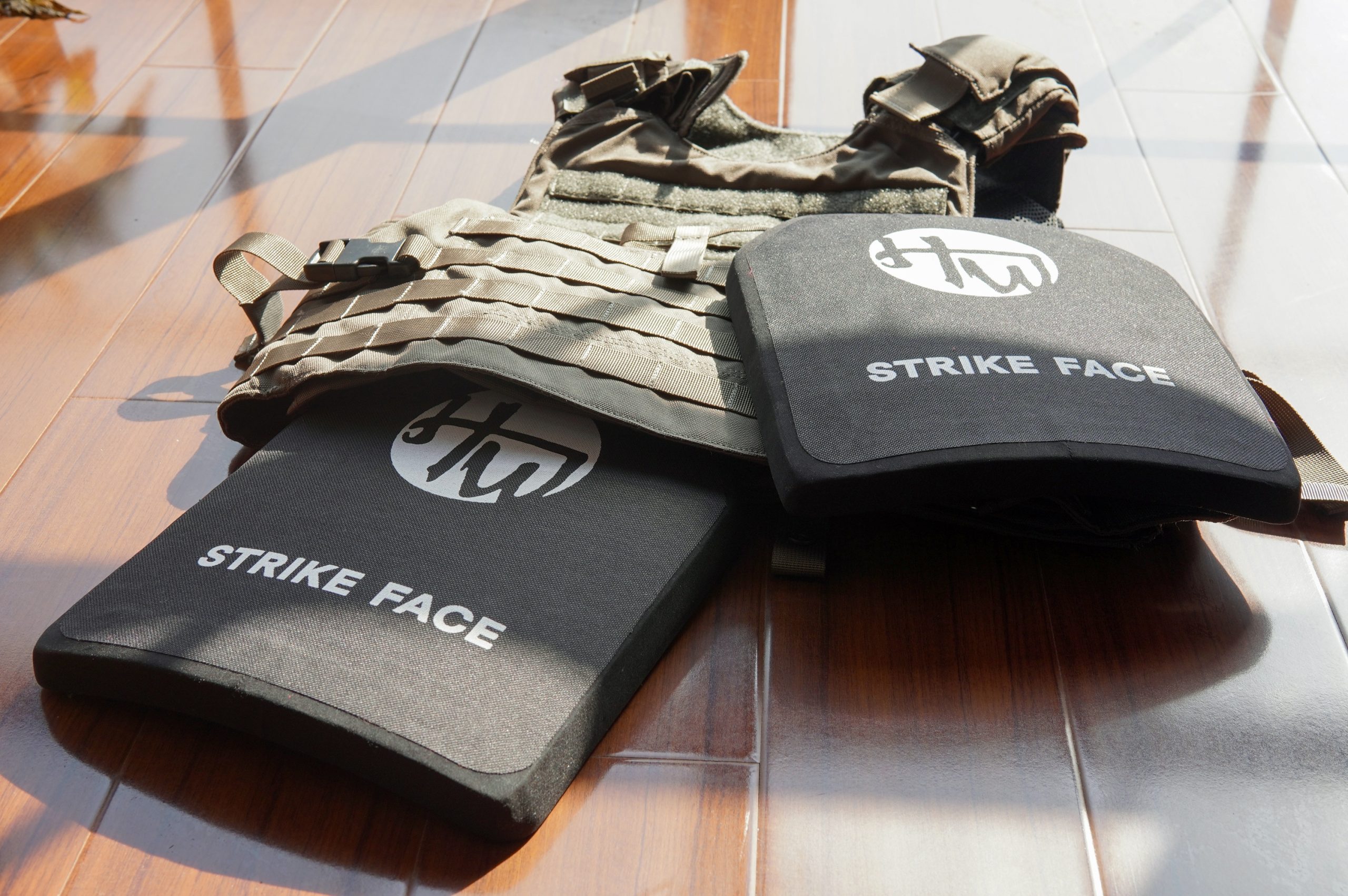
Ceramic construction is central to both plate types. When a projectile strikes the ceramic strike face, the material fractures in a controlled way, dissipating the bullet’s energy across a wide area. The composite or polyethylene backing then catches the shattered ceramic and bullet fragments, preventing penetration.
ESAPI plates take this further with higher-density ceramics and reinforced backing, allowing them to handle greater kinetic energy. However, ceramics are inherently brittle — both types can develop hidden cracks from drops or improper storage. Industry experts generally recommend a 5-year service life and regular inspection (such as a simple tap test) to ensure integrity.
Important performance notes apply to both:
- Back-face deformation can still cause blunt trauma even if the bullet is stopped.
- Multi-hit capability is excellent but not unlimited — concentrated fire in the same area can eventually compromise the plate.
- Neither plate is rated for armor-piercing incendiary or extremely high-velocity specialty rounds unless independently tested beyond standard NIJ levels.
Pros and Cons: Making an Informed Trade-Off
SAPI Plates Pros:
- Lighter weight for all-day comfort
- Lower cost
- Sufficient for most standard rifle threats
- Easier to integrate into lighter plate carriers
SAPI Plates Cons:
- Limited protection against armor-piercing rounds
- May not meet Level IV requirements in high-threat environments
ESAPI Plates Pros:
- Superior defense against advanced threats
- Excellent multi-hit performance
- Military-proven reliability
ESAPI Plates Cons:
- Noticeably heavier and bulkier
- Higher price
- Reduced mobility for extended operations
How to Choose: Factors That Matter Most
Choosing between SAPI and ESAPI plates comes down to a honest threat assessment, operational needs, and personal priorities. Ask yourself these key questions:
- What threats am I most likely to face? If your environment involves standard rifle rounds (common in law enforcement or general security), SAPI plates deliver excellent value. In areas with potential armor-piercing ammunition or military-grade threats, ESAPI plates provide critical peace of mind.
- How long will I be wearing the armor? Extended patrols or training favor the lighter SAPI option. Short-duration high-risk missions may justify the weight of ESAPI plates.
- What is my budget? ESAPI plates command a premium due to advanced materials. Factor in the cost of a quality plate carrier, training, and eventual replacement.
- Carrier compatibility and fit Both types fit the same carriers, but test for comfort with your specific setup.
- Civilian legal considerations In most U.S. states and many countries, civilians can legally purchase and own both SAPI and ESAPI plates. Always verify local regulations before buying.
Recommendation:
- Choose SAPI for balanced protection, mobility, and cost-effectiveness in moderate-threat scenarios.
- Choose ESAPI when maximum ballistic resistance is non-negotiable and you can accommodate the extra weight.
Maintenance, Care, and Longevity
Proper care extends the life of your plates:
- Store in a cool, dry place away from direct sunlight.
- Avoid dropping or stacking plates under heavy weight.
- Inspect regularly for cracks, delamination, or unusual sounds when tapped.
- Replace after 5 years or any significant impact, even if no visible damage appears.
Integration with Body Armor and Plate Carriers
Compatibility with Plate Carriers
Standard Plate Carrier Sizes and Fit
When selecting body armor, ensuring compatibility with your plate carrier is crucial. Both SAPI and ESAPI plates are designed to fit standard plate carriers used by military personnel, law enforcement, and civilians. These carriers typically come in sizes that align with the dimensions of the plates, such as small, medium, large, and extra-large. You must choose a plate size that matches your carrier to ensure proper coverage and protection.
The fit of the plate within the carrier directly impacts its effectiveness. A well-fitted plate should cover your vital organs, including the heart and lungs, without restricting movement. For example, a medium-sized SAPI plate measures approximately 9.5 x 12.5 inches, while an ESAPI plate of the same size maintains similar dimensions but may feel slightly bulkier due to its increased thickness. Always verify the specifications of your carrier to confirm it accommodates the plate size you need.
Adjustments for SAPI and ESAPI Plates
Adjusting your plate carrier for SAPI or ESAPI plates ensures optimal performance and comfort. Most modern carriers feature adjustable straps and compartments to secure the plates firmly in place. For SAPI plates, the lighter weight makes adjustments simpler, allowing you to achieve a snug fit without adding significant strain. On the other hand, ESAPI plates, being heavier, may require additional tightening to prevent shifting during movement.
You should also consider the thickness of the plates. ESAPI plates, with their denser construction, may require carriers with slightly deeper pockets. Some carriers include modular inserts or padding to accommodate these differences. Ensuring a secure fit minimizes unnecessary movement, which can enhance both protection and mobility during high-stress situations.
Practical Considerations for Use
Weight Distribution and Comfort
The weight of your body armor significantly affects your comfort and endurance. SAPI plates, known for their lightweight design, distribute weight evenly across your torso, reducing fatigue during extended wear. This makes them ideal for scenarios where mobility and agility are critical, such as urban law enforcement or civilian use in moderate-risk environments.
In contrast, ESAPI plates add approximately 27% more weight due to their enhanced materials. While this increase provides superior protection, it can strain your shoulders and back over time. To counteract this, many plate carriers include padded straps and adjustable waistbands to help distribute the load evenly. You should always test your setup in training scenarios to identify and address any discomfort before real-world use.
Situational Suitability (e.g., military, law enforcement, civilian use)
The choice between SAPI and ESAPI plates often depends on your specific role and the threats you face. For military personnel operating in combat zones, ESAPI plates offer the Level IV protection necessary to counter armor-piercing rounds. Their ability to withstand extreme ballistic threats makes them indispensable in high-risk environments.
Law enforcement officers, particularly those in tactical units, may also benefit from ESAPI plates during operations involving heavily armed suspects. However, for routine patrols or urban policing, SAPI plates provide sufficient protection against common threats while maintaining mobility.
Civilians in high-risk professions, such as private security or investigative journalism, often prioritize lightweight options like SAPI plates for extended wear. These plates balance protection and comfort, making them practical for prolonged use. In contrast, civilians working in conflict zones may opt for ESAPI plates to ensure maximum safety.
FAQs About SAPI abnd ESAPI Plates
Are SAPI and ESAPI plates completely bulletproof?
No armor plate, including SAPI and ESAPI, can provide complete bulletproof protection. These plates are designed to reduce the risk of penetration and minimize injury from specific ballistic threats. For instance, SAPI plates protect against intermediate rifle rounds, while ESAPI plates resist armor-piercing ammunition. However, no body armor can guarantee safety against all types of bullets or extreme conditions. Understanding their limitations helps you make informed decisions about their use.
How are SAPI and ESAPI plates used in body armor systems?
You typically insert SAPI or ESAPI plates into the front and back compartments of a ballistic vest. Some setups also include side plates for additional protection. Originally developed for military use, SAPI plates became standard inserts for improved outer tactical vests (IOTV) and modular tactical vests (MTV). ESAPI plates, offering enhanced protection, are often used in high-threat environments. Both types integrate seamlessly with most modern plate carriers, ensuring comprehensive coverage.
What is the difference between SAPI and ESAPI plates?
The primary difference lies in their protection levels and weight. SAPI plates, rated at Level III, stop intermediate rifle rounds like the 7.62x51mm NATO M80 bullet. ESAPI plates, rated at Level IV, resist armor-piercing rounds such as the .30-06 M2 AP bullet. This enhanced protection makes ESAPI plates heavier—approximately 27% more than SAPI plates. Your choice depends on the level of threat you face and your need for mobility versus maximum defense.
Invest in Protection That Matches Your Reality
SAPI and ESAPI plates both represent proven, battle-tested solutions in hard armor technology. SAPI offers an outstanding balance of protection and practicality for everyday tactical needs, while ESAPI delivers uncompromising defense against the most advanced threats. The “best” choice is never universal — it depends on your specific risk assessment, physical demands, and budget.
Take time to evaluate your operational environment, test plates in your carrier, and prioritize quality from trusted manufacturers. Whether you select SAPI or ESAPI, the right plates can mean the difference between going home safe and facing unnecessary risk.
Ready to upgrade your protection? Research certified options, consult with armor plate manufacturers, and always pair your plates with proper training and a well-fitted carrier. Your safety is worth the investment.