


Are soft armor plates right for you? The short answer: yes, for concealable, lightweight, all-day protection against common handgun threats and fragmentation.
Soft armor plates deliver real advantages. Flexibility, low weight, comfort, and discreet concealment come standard. Soft plates also cost less than rifle-rated alternatives. These traits suit concealed wear, everyday protection, security work, and civilian use.
This article compares soft body armor with hard armor plates fairly. Expect practical guidance on matching body armor to your threat level, wear time, and budget. You will see exactly where soft armor plates shine and where hard armor plates remain the stronger choice.
What Are Soft Armor Plates?
How Soft Armor Works
Soft armor plates start with flexible fabrics. Aramid and polyethylene fibers form the core of every soft armor panel. These fibers bend with your body. They also stop bullets through a simple principle: the fabric catches the round.
A projectile strikes the first layer and deforms it. The energy spreads outward across many fibers instead of punching through one spot. Each layer slows the round a little more. The bullet ends up trapped in the fabric stack, often deformed but contained. Hard armor plates work differently. A hard plate shatters or blunts the round on impact. Soft armor wraps and holds it. That difference explains why soft body armor stays thin and pliable.
This catching action makes soft armor for handgun rounds so effective. The fabric also absorbs fragmentation and blast debris. For security staff, patrol officers, and prepared civilians, that dual role matters.
Materials and Protection Levels
Soft body armor protection levels follow the nij standards. You will find soft armor in Level II and Level IIIA. Both ratings cover common handguns, from smaller calibers up to .44 Magnum in the IIIA class. An Enhanced Multi Threat Level IIIA+ option goes further. It suits pistol-heavy environments and adds secondary blast injury protection.
Choose your protection levels with care. Level II keeps the vest lighter and thinner. Level IIIA handles a wider range of handgun threats. The IIIA+ variant adds margin for demanding settings. Every soft armor panel carries a label listing its rating. Check that label before you buy. A certified panel gives you documented ballistic protection you can trust.
Soft body armor delivers solid handgun protection in a package you can wear all day. That balance of coverage and comfort defines the category.
Key Advantages of Soft Plates
Weight and Flexibility Advantages
Weight and flexibility advantages set soft armor apart from rigid alternatives. A soft armor panel bends with every movement. You can sit, drive, climb stairs, and reach overhead without a rigid plate digging into your ribs. That freedom changes how long you actually keep the vest on.
Soft body armor also spreads its mass across the torso instead of concentrating it in one stiff block. The result is greater mobility and comfort during long shifts. Security officers who walk patrol routes all day notice the difference within the first hour. Civilians who wear soft armor plates under a shirt forget the panel is there.
Coverage adds another win. Soft armor setups wrap farther around the torso than a standard front-and-back plate configuration. That extra coverage matters against shrapnel and fragmentation, not just handgun calibers. For anyone facing blast debris or flying fragments, this broader footprint delivers protection a small hard plate cannot match.
Adaptability seals the case. Soft body armor conforms to all body types, big or small. A smaller wearer gets a panel that follows the natural curve of the torso. A larger wearer gets full coverage without gaps at the sides. Hard armor plates come in fixed shapes. Soft armor shapes itself to the person wearing it.
Concealment and All-Day Comfort
Concealable armor solves a problem many civilians face. They want protection without drawing attention. A thin soft armor panel disappears under a button-down shirt or a light jacket. No one at the grocery store, the office, or the school pickup line knows you are wearing it. That discreet profile makes concealed protection practical for everyday life.
Heat buildup deserves honest attention. Plate carriers trap heat against the chest and back. Soft armor generates less heat buildup than a plate carrier, which lowers the risk of heat stress during summer months. Breathable carrier designs push that advantage further. You stay cooler, and you stay willing to wear the vest.
All-day comfort comes from the same combination. Flexible panels move with your breathing. Lightweight construction reduces shoulder fatigue. Soft body armor earns its place as everyday gear rather than equipment you dread putting on.
Ballistic protection does not suffer for this comfort. A certified soft armor panel still stops the handgun threats it is rated for. You get concealment, breathability, and genuine handgun protection in one wearable package. That trio explains why so many buyers choose soft body armor for daily use and reserve hard armor plates for higher-threat roles.
Soft Body Armor vs Hard Armor Plates
Protection and Weight Compared
The soft body armor vs hard armor plates debate starts with threat level. Soft body armor stops handgun rounds and fragmentation. Hard armor plates add rifle-rated protection. Neither option wins everywhere. Each one fits a different job.
Weight and mobility considerations favor soft armor. Soft armor panels stay light and bend with the torso. Hard armor plates carry more mass and stay rigid. A long shift feels very different in each setup. Soft armor wins on comfort. Hard armor wins on stopping power.
Coverage tells a similar story. Soft armor wraps around the torso and shields the sides. Hard armor plates cover the vital organs front and back. That focused coverage suits rifle threats. The wider footprint of soft armor suits blast debris and handgun protection.
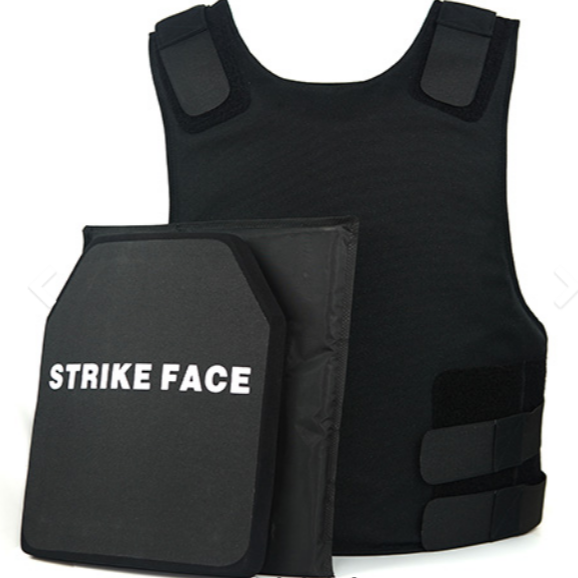
Combining soft and hard armor is common practice. Experts usually recommend soft armor under a plate carrier. The soft layer helps with impact force and backface deformation. This pairing gives the wearer rifle protection plus a cushion against blunt trauma. Smart buyers treat soft and hard armor as partners, not rivals.
Fit, Compliance, and Cost Compared
Fit separates the two categories. Soft armor panels conform to any body type. Hard armor plates come in fixed shapes and sizes. A poor plate fit leaves gaps. A soft panel follows the body and closes those gaps.
Regulatory compliance follows the same nij standards for both types. Certified soft body armor and certified hard armor plates both carry documented protection levels. Check the label either way. Certification matters more than category.
A cost vs. protection analysis favors soft armor for everyday needs. Soft body armor costs less and covers common threats well. Hard armor plates cost more and deliver higher protection levels. Buyers facing rifle threats should accept that premium. Buyers facing handgun threats get better value from soft armor.
The soft body armor vs hard armor plates choice comes down to mission. Soft armor serves concealed wear and daily protection. Hard armor plates serve high-threat roles. Match the armor to the threat, and ballistic protection follows.
When Soft Armor Plates Are Needed?
Three factors settle the question: your threat level, your wear time, and your concealment needs. Work through each one honestly. The right answer follows.
Matching Armor to Your Threat Level
Start with the specific threat profile you actually face. A civilian worried about street crime faces handgun threats. A guard at a pistol-heavy site faces the same. Soft armor plates answer both cases well. Level II and Level IIIA panels stop common handgun rounds and absorb fragmentation. That covers most everyday scenarios.
Rifle threats change the math. Soft body armor is not built to stop rifle rounds. Hard armor plates are. If your risk assessment includes rifles, choose hard armor plates or pair them with a soft panel underneath.
| Your Situation | Better Fit |
|---|---|
| Handgun threats, fragmentation, everyday carry | Soft armor |
| Rifle threats, high-risk tactical roles | Hard armor plates |
| Plate carrier wear with rifle plates | Soft armor as a backer layer |
Use this table as a starting point, not a final verdict. Your own assessment decides.
Wear Time and Concealment Needs
Ask yourself how long the vest stays on. Two hours at a range differs from ten hours on a shift. Soft body armor wins long wear times. Flexible panels move with you, generate less heat, and fit any body type. Hard armor plates suit shorter, higher-threat deployments where rifle protection matters most.
Concealment needs point the same direction. A wearer who must stay unnoticed under a shirt needs soft armor. A uniformed responder with visible gear has no such constraint. Match the armor to the setting.
Budget belongs in the selection criteria too. Soft body armor costs less and covers common threats. Hard armor plates cost more and deliver higher protection levels. Neither choice is wrong. Each one serves a different mission.
Weigh protection and practicality together. Soft armor delivers handgun protection with all-day comfort. Hard armor plates deliver rifle-rated ballistic strength with added weight. Buyers who face mixed risks often combine both. A soft panel under a plate carrier cushions impact force and adds coverage.
Run through the three factors one more time. Handgun-level risk, long wear hours, and a need to stay discreet all point to soft armor. Rifle-level risk and short high-threat missions point to hard armor plates. Your answers make the decision clear. Review certified soft armor options, confirm the fit, and check the label before you buy. Proper body armor selection starts with an honest look at your own risk.
Limitations of Soft Armor Plates
Threat Level Boundaries
Every armor type has protection capabilities and limitations. Soft armor stops handgun threats well. It does not stop rifle rounds. That boundary is fixed by design, not by brand or price. A flexible fabric stack simply cannot absorb the energy of a high-velocity rifle projectile. Buyers who face rifle risk need hard armor plates instead.
Know your protection levels before you buy. Level II and Level IIIA cover common handguns. Neither rating covers rifles. Read the label and match it to your real risk. Soft body armor delivers honest ballistic protection within its rated class. Expect nothing beyond that class. This clarity helps you plan, and it keeps your expectations grounded.
Durability and Environmental Factors
Soft armor ages. Fibers degrade over time through flexing, moisture, and heat exposure. Store soft body armor flat and dry. Keep it away from direct sunlight and extreme temperatures. Follow the manufacturer’s care guidance for cleaning and inspection.
Inspect your panels regularly. Check the carrier for tears, frayed edges, and worn straps. Retire any panel that shows damage or passes its warranty date. Soft armor rewards good care with years of reliable service. Neglect shortens that life. Treat soft body armor as critical gear, and it will serve you when it matters.
Hard armor plates tolerate rougher handling in some respects. Soft armor demands more attention to storage and moisture. That trade-off buys you comfort and concealment every day you wear it. Weigh both sides honestly, then choose the armor that fits your threat, your wear time, and your care routine.
Conclusion
Soft armor plates deliver flexible, lightweight, concealable protection against handgun threats and fragmentation, all at a lower cost than rifle-rated gear. Civilians, security staff, and anyone who wears protection for long hours benefit most.
Weigh four factors before you buy: threat level, wear duration, concealment needs, and budget. Soft body armor fits handgun-level risk and daily wear. Hard armor plates remain the better fit for rifle threats.
Review certified soft armor options today. Confirm the fit, check the label, and consult the seller’s sizing guidance. Proper soft armor plate selection starts with an honest look at your risk.
Frequent Askded Questions
Does soft body armor stop rifle rounds?
No. Soft body armor is rated for handgun threats and fragmentation only. Rifle rounds require hard armor plates. Pair a soft panel under a plate carrier for cushioning, and let certified rifle plates handle the rifle threat.
How long does soft armor last?
Soft armor ages through flexing, moisture, and heat. Follow the manufacturer’s warranty date and inspect panels regularly for damage. Retire any panel that shows wear. Good storage keeps soft body armor serviceable for years.
Can I wear soft armor all day?
Yes. Soft armor bends with your body, generates less heat than a plate carrier, and fits any body type. That comfort makes soft body armor practical for full shifts and everyday concealed wear.
Is soft armor legal for civilians?
Certified soft body armor is legal for civilian purchase in most jurisdictions. Check your local laws before buying. Confirm the nij label on any panel, and verify seller compliance with your state rules.
Which offers better value, soft armor or hard armor plates?
Soft armor costs less and covers handgun threats well, so it wins on everyday value. Hard armor plates cost more and deliver rifle-rated protection. Match the armor to your threat level, and the value question answers itself.