

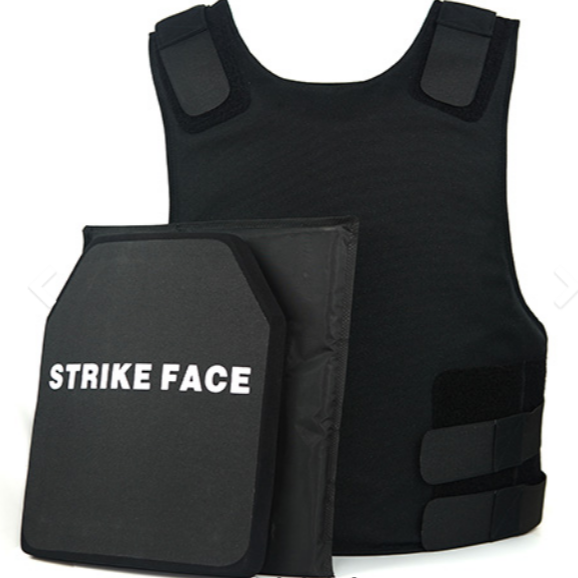
Soft body armor protects the areas covered by its ballistic panels, typically across the front and back of the torso. Side protection depends on whether those panels extend around the body, overlap at the sides, or connect with separate side inserts. The carrier’s fabric and straps do not automatically provide ballistic protection.
For buyers, the important question is how much protective material covers the wearer and whether it stays correctly positioned during normal work. A vest can appear to fit while leaving gaps between panels.
Understanding front, back, and side coverage helps purchasing teams compare designs, assess samples, and select armor that balances protection with everyday movement.
Soft Body Armor Coverage and Its Limits
A soft armor vest consists of protective panels held inside a carrier. The carrier helps position the panels, but its visible outline may extend beyond the ballistic material. Shoulder straps, side fasteners, and some fabric sections may contain no armor.
Coverage and protection level describe different things. Coverage identifies where ballistic material is positioned. The protection level describes the specified threats the armor has been tested to resist.
Two vests with the same rating can therefore provide different amounts of torso coverage. A compact front-and-back insert arrangement may leave more exposed space than a vest with wider panels extending around the sides.
Soft body armor also has boundaries. Openings around the neck and arms allow movement, while the lower edge must accommodate sitting and bending. Standard torso armor does not cover the entire body.
When comparing products, examine panel drawings alongside photographs. The drawings help show where the protective material ends.
Front and Back Panel Coverage
The front and rear panels provide the main coverage of a soft armor vest. Their position should follow the manufacturer’s fitting instructions and suit the wearer’s torso length and shape.
Front Panel Position and Lower Edge
The front panel should remain centered over the torso in its intended position. Wearing it too low changes upper-chest coverage, while an excessively long panel can interfere with sitting.
The lower edge is especially important for people who wear duty belts or spend time in vehicles. A panel that contacts the belt or thighs may be pushed upward when the wearer sits, creating pressure near the neck.
Check the panel while standing and seated. Its position should remain suitable without requiring the wearer to keep pulling the vest back into place.
Rear Panel Position and Alignment
The rear panel should stay centered across the back. Uneven shoulder adjustments, an unsuitable carrier, or an incorrect size can affect its alignment.
Because rear coverage is difficult to inspect alone, a second person should check it during fitting. Observe the panel while the wearer reaches forward and returns to a normal standing position.
Assess both panels after every significant adjustment. Raising the vest to correct the front also changes the rear position.
| Area | What to Check | Common Problem |
|---|---|---|
| Upper front | Correct position under fitting instructions | Panel hanging too low |
| Lower front | Clearance when sitting and bending | Panel pushed upward |
| Back | Centered, stable panel placement | Tilted or displaced panel |
| Shoulders | Balanced adjustment | Uneven front and rear alignment |
Side Protection and Panel Overlap
Front and back coverage does not automatically establish side protection. The connection between the panels deserves a separate inspection.
Side Gaps, Edge Contact, and Overlap
Soft armor configurations can have three different side arrangements:
- A gap: Space remains between the protective panels.
- Edge contact: The front and rear panel edges meet.
- Overlap: One protective panel extends over the other.
The NIJ’s 2014 selection and application guide recommends approximately two inches of side overlap for the torso armor it discusses, with the front panel outside the rear panel. This is fitting guidance; it should not be presented as a universal certification requirement for every armor design.
Product names alone may not clarify the arrangement. For example, one EnGarde product describes “Full-Wrap” as panels touching at the sides and “Overlap” as panels overlapping by approximately two inches. Ask suppliers to explain their terminology using drawings and measurements.
Check the actual ballistic panels rather than overlapping straps or carrier fabric. Also inspect the full height of the connection: overlap near the waist does not establish the same arrangement higher on the torso.
Separate Soft Side Inserts
Some carriers use separate side inserts, often positioned inside side pockets or a cummerbund.
Assess their height, length, and placement, including the junctions with the main panels. A side insert may cover the center of the flank while leaving space at either end.
Confirm its protection specification separately. Do not assume that every insert supplied with a carrier has the same tested performance as the front and rear panels.
Coverage During Movement and Daily Work
Standing still is only the first part of a coverage assessment. Soft body armor must also remain correctly positioned during the wearer’s usual activities.
Conduct fitting checks with the intended uniform, belt, and normal equipment. Clothing layers and attached equipment can change how the carrier sits.
A practical assessment includes these movements:
- Sitting: Check whether the lower front edge catches against the belt or pushes upward.
- Reaching forward: Observe rear-panel movement and changes at the sides.
- Raising the arms: Check for excessive vest movement and interference around the arm openings.
- Turning the torso: Inspect whether side connections remain suitable.
- Bending and returning upright: Confirm that the panels settle back into position.
For vehicle-based roles, include a check in the normal working seat. A general office chair may not reveal the same interference.
Record repeated shifting, opening gaps, or restricted movement. Resolve these issues with the supplier before approving the fit. These observations assess positioning and usability; they do not establish ballistic performance.

Coverage, Comfort, and Mobility
Wider or longer panels can increase coverage, but they can also introduce bulk, pressure, and movement restrictions. The best choice needs to remain usable throughout the intended duties.
NIJ guidance describes proper fit as maximizing coverage without hindering mobility or required job functions. This makes individual fitting important.
Ordering a larger size is not always a suitable solution. Additional width may improve side coverage while additional length makes sitting difficult. Where available, compare separate width and length options.
Body shape also affects how panels sit. NIJ material on female armor discusses shaped panels designed to accommodate the bust, showing why chest circumference alone cannot describe every fitting need.
For group purchases, assess samples on people with different proportions. Include the clothing combinations expected during use. A fit approved over a light shirt may need another check when seasonal layers change.
Coverage Specifications for B2B Orders
Clear purchasing specifications make coverage easier to compare and verify. Broad descriptions such as “maximum protection” provide little information about panel dimensions or side connections.
Panel Drawings and Dimensions
Request drawings of the front, rear, and separate side panels. The drawings should distinguish the ballistic outline from the surrounding carrier or panel cover.
Ask how dimensions change across sizes. Increasing a size may change panel width, length, or both.
If the supplier lists a coverage area, clarify the calculation. The sum of individual panel areas can include overlapping sections, so it does not necessarily represent the unique body area covered.
Use the same measurement basis when comparing quotations.
Carrier Compatibility and Protection Evidence
Assess panels in the carrier proposed for the order. A pocket large enough to accept an insert does not establish that the insert will remain in the correct position.
The following information provides a practical starting point:
| Specification | Information to Request |
|---|---|
| Panel layout | Front, rear, and side drawings |
| Dimensions | Length, width, and manufacturing tolerances |
| Side connection | Intended overlap, edge contact, or insert arrangement |
| Carrier compatibility | Compatible models and panel retention method |
| Protection evidence | Exact model, test standard, and supporting documents |
| Size options | Widths, lengths, and available shaped panels |
These are procurement recommendations, rather than a claim that every item is an NIJ requirement.
Sample Approval Before Bulk Orders
Assess samples across representative sizes and body shapes. Use the same standing, seated, and movement checks for each wearer.
Record the approved panel models, carrier models, sizes, and any agreed changes. This provides a reference for inspecting the delivered order.
When changes are necessary, specify them clearly. “Improve side coverage” is difficult to verify; an approved revision to panel dimensions or the connection arrangement is more concrete.
FAQ
Does Panel Overlap Increase the Armor’s Protection Rating?
Overlap does not automatically establish a higher rating. Any higher protection claim needs supporting test evidence for the relevant configuration. Buyers should not treat two overlapping sections as equivalent to armor tested against a more demanding threat.
Can Front and Rear Soft Armor Panels Be Swapped?
Only when the manufacturer permits it. Panels may differ in shape, dimensions, or intended position. Follow their labels and fitting instructions, including any body-facing and strike-face markings. Similar appearance does not establish interchangeability.
Do Rifle Plates Upgrade Protection Across the Entire Vest?
No. A rifle plate’s protection applies to its covered area and supported configuration. Soft armor extending beyond the plate does not automatically gain the same rifle protection. Follow any requirements for compatible backing and carrier placement.
Can Different Panel Sizes Be Used Together?
Some suppliers offer mixed sizes or custom configurations. Confirm the arrangement with the manufacturer before ordering. Check carrier compatibility, panel retention, side connections, and the documentation supporting that combination rather than assembling unmatched components independently.
Conclusion
Soft body armor coverage depends on the dimensions and position of its front, rear, and side panels. Buyers need to check where the ballistic material ends, how the sides connect, and whether coverage remains suitable during movement.
A useful purchasing process combines clear panel drawings, verified protection documentation, and representative sample fittings. Assessing these details together helps teams choose armor that provides the intended coverage while allowing people to sit, move, and work comfortably.