

How can a vest made of flexible fabric stop a bullet? The answer starts with a shift in thinking. Soft body armor does not block kinetic energy like a wall. It absorbs that energy and spreads it across a wide area of fabric.
This is a problem of materials science. Fiber chemistry sets the strength of each thread. Weave architecture decides how threads share the load. Fiber response under extreme strain determines whether a panel holds together.
The science behind ballistic protection connects molecular structure to real protection levels. A soft bulletproof vest is proof of that link. The same principles guide every branch of armor science, from a single yarn to a finished panel. Material science and engineering turns those principles into gear people trust.
The Physics of Soft Body Armor
Energy Absorption and Dispersion
A bullet carries kinetic energy. A fabric panel must take that energy away from the projectile and share it across a wide area. Dense, high-tensile fiber networks do exactly this. Each yarn catches the projectile and pulls neighboring yarns into the fight. The load spreads outward through the panel in a widening cone. This process sits at the heart of energy absorption and dispersion.
Ballistic impact behavior depends on complex interactions. Material architecture matters: yarn strength, weave tightness, layer count, and panel construction all shape the response. Projectile characteristics matter just as much. Velocity, mass, and shape each change how the fabric loads and fails. A fast, light projectile and a slow, heavy one can stress the same panel in very different ways.
A net catching a thrown ball makes the idea intuitive. The ball hits one part of the net. The net stretches, and many strands share the force. The ball slows without tearing through. Soft armor works on the same principle. The panel stretches locally and recruits a large area of fabric. This is how bulletproof vests work in practice: the vest does not stop the energy, it spreads it.
Fiber Failure Under Impact
Fibers fail in several ways under impact. They can break in tension when the strain exceeds their strength. They can shear at the projectile edge. They can also pull out of the weave as yarns slide against each other. Each failure mode absorbs energy, and each one changes how the panel performs.
Good armor science balances these modes. A panel that fails too locally lets the projectile through. A panel that spreads load well uses more fibers before any single yarn breaks. The science behind ballistic protection rests on this balance between strength, stretch, and architecture.
Energy absorption and dispersion also explain why layer count matters. More layers mean more fibers share the load. The same logic guides the choice of materials and the design of every soft body armor panel. Understanding how body armor works starts with these mechanics. The physics of ballistic protection is a story of load sharing under extreme strain.
Ballistic Protection Materials: Aramid Fibers
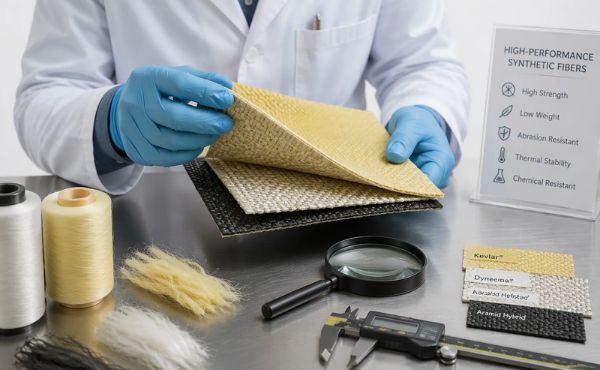
Aramid fibers are the most fabric-like material in body armor today. Kevlar stands as the best-known example. These fibers feel like cloth, drape well, and bend with the wearer. That flexibility makes them a natural fit for concealable soft body armor.
Molecular Structure and Heat Resistance
The strength of aramid starts at the molecular level. Long polymer chains pack tightly and align along the fiber axis. Strong bonds link these chains side to side. A pulling force meets a wall of aligned chains instead of a loose tangle. This structure gives aramid its high tensile strength.
Aramid also resists heat well. The fiber does not melt at ordinary temperatures. It degrades slowly and holds its shape under thermal load. This trait matters in ballistic protection, where impact generates local heat at the strike point. A fiber that keeps its structure keeps its strength.
Weave Architecture and Layering
Manufacturers weave aramid yarns into tight fabrics. They then stack woven or laminated fiber layers into flexible panels. Each layer sits at a slight angle to its neighbor. This cross-ply arrangement lets the panel spread force in many directions at once.
Weave density shapes performance. A tight weave packs more yarn into each square inch. More yarn means more fibers share the impact load. A looser weave offers more flexibility and better drape. Designers balance the two against the threat level and the wearer’s need for movement.
Layer count follows the same logic. More fiber layers raise protection, and they add weight and stiffness. A concealable vest may use fewer layers than a tactical panel. The right count depends on the threat profile, not on a single best number.
Aramid remains a benchmark among types of ballistic protection materials. It balances strength, heat tolerance, and comfort. These qualities keep it central to ballistic protection materials across many designs. No single fiber wins every contest. Aramid earns its place through a proven mix of properties.
Soft armor built from aramid shows how fiber chemistry and construction work together. The molecular chains supply strength. The weave and layering turn that strength into a panel. Together they define how soft body armor works in the field.
UHMWPE and Emerging Fibers
Most modern soft armor now uses ultra-high-molecular-weight polyethylene, or UHMWPE. This fiber class delivers very high strength at low weight. It is stiffer than aramid, so panels built from it feel firmer in the hand. That stiffness shapes how designers use it in body armor.
Gel-Spun Fibers and Specific Strength
UHMWPE starts as a gel-spun fiber. Long polymer chains are dissolved, spun into filaments, and drawn to a high degree of alignment. The drawing step pulls the chains nearly parallel. A load then meets a dense wall of strong carbon-carbon bonds. Specific strength — strength divided by density — runs very high for this reason. A panel can reach a given protection level with less mass.
This property makes UHMWPE a leading choice among ballistic protection materials. It also floats, resists moisture, and holds strength well over time. Designers stack many thin fiber layers into a panel. Each layer crosses the one below it. The cross-ply build spreads force in two directions at once.
Shear-Thickening “Liquid” Armor
Shear-thickening fluids offer another path. These fluids flow like liquid at rest. A sudden impact makes them stiffen almost instantly. Researchers soak fabric in such a fluid and let it dry. The result is a flexible fabric that hardens under a fast strike. Tests continue on how these systems perform across threat types and aging.
Aramid fibers and UHMWPE each bring real strengths to ballistic protection. Aramid is more heat tolerant and drapes more softly. UHMWPE is lighter for a given strength and resists moisture. Aramid often costs less per unit of protection. Neither wins everywhere. The right pick depends on the threat profile, the wearer, and the budget.
Soft Armor Versus Hard Armor
Flexibility, Coverage, and Threat Level
Flexibility separates the two armor families. Soft armor bends with the body and hides under clothing. Hard armor uses rigid plates that stand away from the torso. That rigid shell stops rifle threats, and it limits how the wearer moves.
Coverage follows the same split. A soft panel wraps around the torso and follows its curves. A hard plate covers a smaller area, usually the vital organs at the front and back. Wearers accept that trade because the plate handles threats no fabric panel can.
Threat level drives the choice. Soft armor performance targets handgun rounds and fragmentation. Hard plates enter the picture against rifle fire. The NIJ standard organizes these levels, and each level pairs a specific threat with a test protocol.
Where Each Fits Best
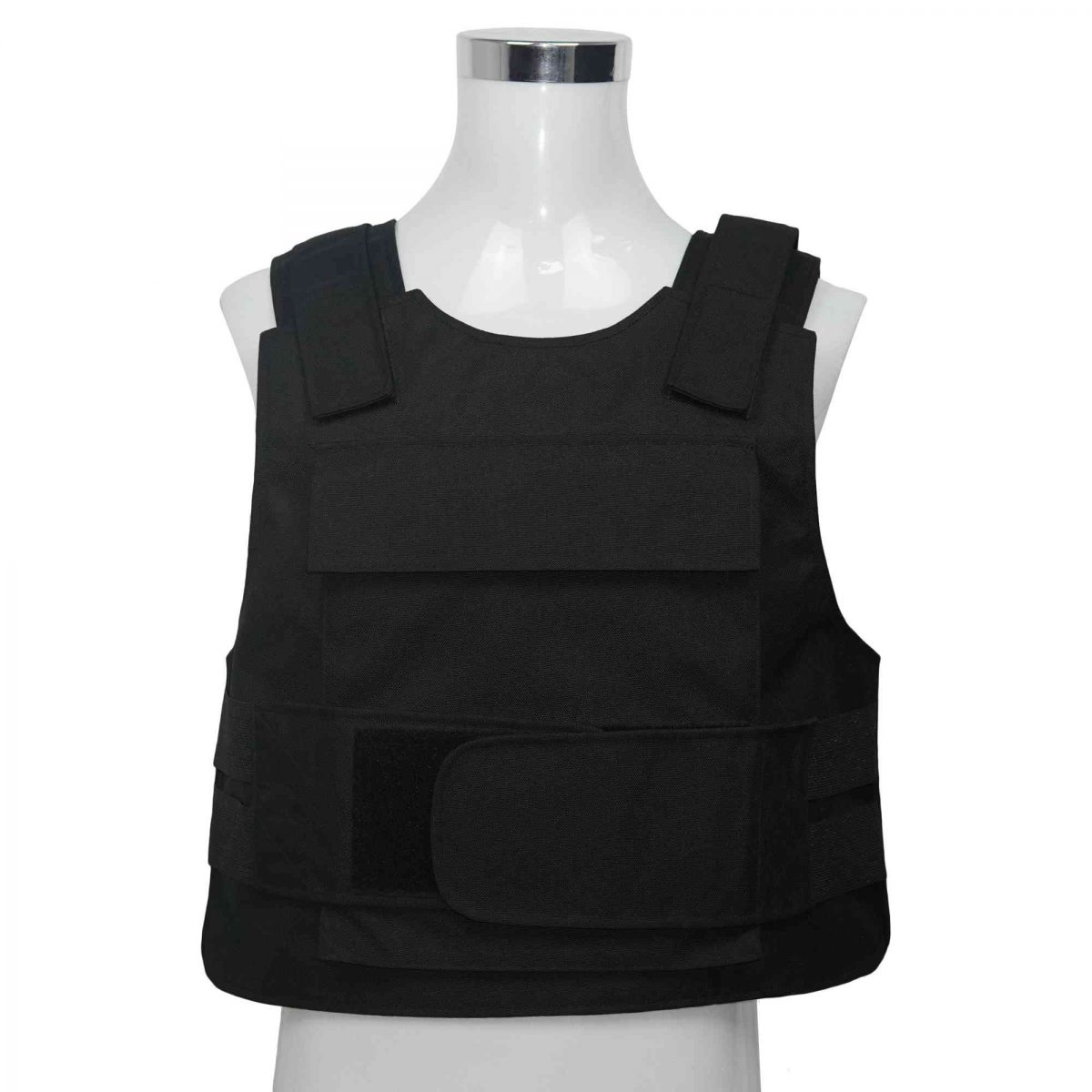
Soft body armor suits daily wear. Police officers, security staff, and civilians who want concealable protection choose it. The panel stays comfortable across a full shift. It also allows a full range of motion.
Hard armor fits tactical roles. Patrol officers in rifle-rated areas, military units, and response teams pair plates with a carrier. Some carriers accept both plate and soft panel, so the wearer gains rifle protection plus handgun coverage.
Neither option is better in general. Each one answers a different question about threat, mobility, and coverage. Understanding how body armor works means matching the panel to the job. The materials and construction follow from that match, and ballistic protection improves when the threat profile comes first.
Backface Signature in Ballistic Protection
What Backface Deformation Means
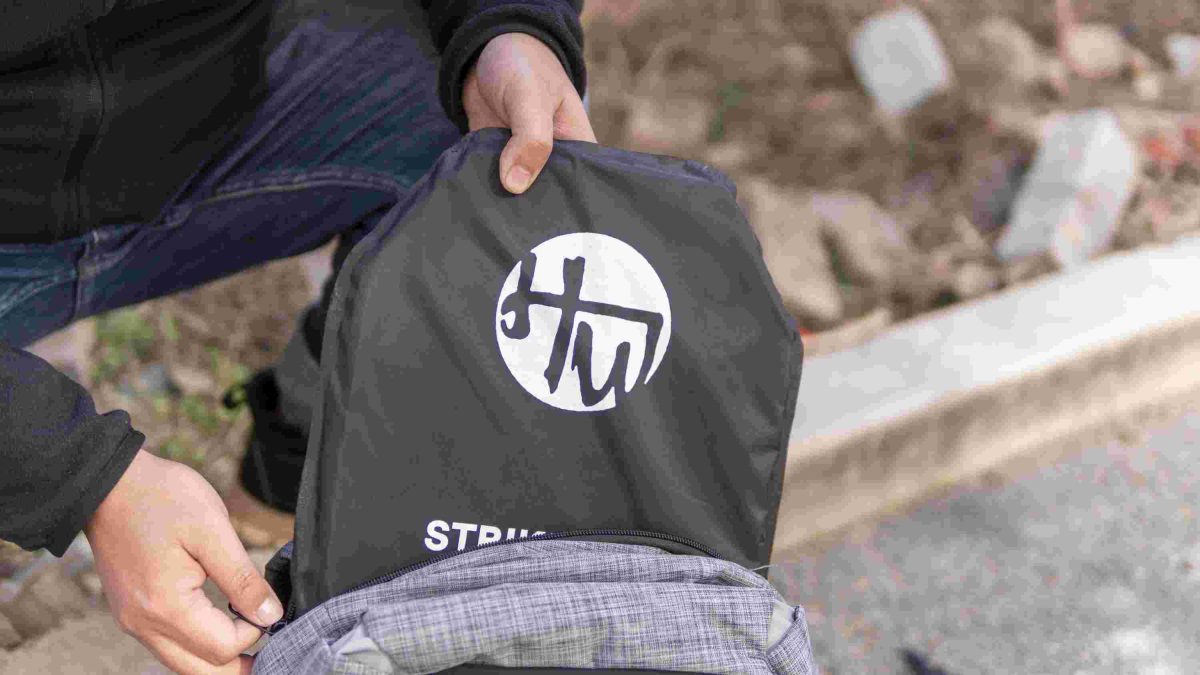
A stopped bullet still pushes the panel inward. The fabric stretches at the strike point and forms a shallow bulge on the wearer’s side. This bulge is backface deformation. It is the depth of that bulge, measured in a clay backing during testing, that defines backface signature.
This measurement matters because a bullet can stop and still injure the wearer. Blunt trauma from the bulge can bruise tissue, crack ribs, or damage organs. Ballistic protection therefore has two jobs. The panel must stop the projectile, and it must limit how far the panel pushes into the body.
Designing to Limit Behind-Armor Injury
Designers control backface deformation through construction. More layers of strong fibers share the load and reduce the bulge depth. Tight weaves and cross-ply layering spread force sideways instead of letting it travel straight back. Panel stiffness also plays a role, and stiffer materials often deform less for a given threat.
The NIJ standard sets a backface deformation limit as part of its testing. A panel that stops a round but exceeds that limit does not pass. This rule keeps body armor focused on the wearer, not just the projectile. Buyers should treat the limit as a core performance number, equal in weight to the threat level itself.
Good soft armor design balances stopping power against blunt trauma. Thicker panels lower deformation, and they add weight and heat. The right balance depends on the threat profile and on how long the wearer spends in the vest. Careful materials selection and layer design let body armor meet both goals at once.
Stab-Proof Versus Bulletproof
Different Threats, Different Mechanisms
A bullet and a knife attack a panel in different ways. A bullet delivers a small, fast point load. The fabric must stretch and spread that energy across many yarns in a fraction of a second. A knife edge pushes slowly and concentrates force on a narrow line. The blade tries to part the weave and slide between yarns.
This difference shapes ballistic protection design. Bullet-rated panels rely on high-tensile fibers that stretch and share load. Stab-rated panels need dense, tightly woven structures that resist blade penetration. A panel built for one threat may perform poorly against the other. Buyers should never assume a bulletproof vest stops a blade.
Materials Engineered for Both
Some panels combine layers for dual protection. A tight woven layer near the body resists the blade. Stretch-heavy layers behind it handle ballistic impact. This layered approach lets one garment address two threat types.
Chain-mail inserts and laminated structures also appear in stab-resistant body armor. These designs trade some flexibility for blade resistance. Weight rises as well, and wearers feel the difference across a shift.
Dual-rated body armor exists, and it carries a higher cost and bulk. The right choice depends on the expected threat. A guard facing knives needs different ballistic protection materials than an officer facing handguns. Matching materials to the threat keeps soft body armor effective and comfortable. No single fiber or weave wins against every threat, so layered construction remains the practical answer.
Care and Service Life
Environmental Factors That Degrade Fibers
Soft body armor spends most of its life in a locker, a patrol car, or a closet. Those places expose the panel to slow wear. Sunlight carries ultraviolet radiation. Ultraviolet light breaks polymer chains over time, and the damage builds quietly. Moisture and humidity matter too. Repeated damp cycles can weaken some fiber types and encourage mold in the carrier.
Heat is another quiet threat. A panel left in a hot vehicle or near a radiator can lose strength without any visible sign. Chemicals pose a similar risk. Solvents, bleach, and some cleaning sprays attack the fibers directly. Designers choose materials with care, yet no fiber survives every environment untouched. Store soft body armor flat, dry, and away from direct sun.
Inspection and Replacement Guidance
Check the panel on a regular schedule. Open the carrier and look at the ballistic protection layers. Run a hand along the fabric and feel for soft spots, creases, or separated plies. Look for stains, discoloration, and frayed edges. Any of these signs deserves a call to the manufacturer before the vest goes back into service.
Panels do not last forever. Most makers publish a warranty period, and that date sets a firm limit. A vest past its service life may still look fine, yet its ballistic protection can no longer be trusted. Keep a written log of inspection dates and store the panel as the maker directs. Good care extends the working life of body armor, and it protects the wearer between replacements. Treat the care routine as part of the protection plan, not an afterthought.
NIJ Certification and Reliability
What NIJ Testing Verifies
The National Institute of Justice publishes the nij body armor performance standards. These standards define threat levels and the test methods behind them. Each level pairs a specific projectile with a required test protocol. A lab fires rounds at a mounted panel and records the result. The panel must stop the round, and it must keep backface deformation within a set limit. Both results count toward a pass.
Certification is the baseline for trust in ballistic-resistant body armor. A label shows that an independent lab tested the panel against a known threat. It does not promise performance beyond that threat. Buyers should read the label as a defined scope of protection, not a general guarantee.
Reading Certifications Wisely
Read the certification against the job at hand. A panel rated for handgun rounds fits a guard on a public beat. A rifle-rated role calls for hard plates instead. The threat profile should drive the purchase, and the care regimen should follow the maker’s instructions.
No single set of materials or fibers wins every contest. Aramid and polyethylene each pass the same tests at their rated levels. The right pick depends on weight, flexibility, cost, and the expected threat. Match the armor to the threat profile, then keep it in service with regular inspection. That habit protects the wearer far better than any single specification. Reliable ballistic protection comes from a certified panel, a matched threat level, and steady care.
Conclusion
Fiber chemistry, energy dispersion, and construction decide how well a panel protects. The science behind ballistic protection runs through all three. Strong chains give a yarn its strength. Weave and layering spread the impact. Together they explain how body armor works.
Soft versus hard armor, and aramid versus polyethylene, are engineering trade-offs. Each option fits a different threat, weight, and budget. Armor science offers no universal winner. Match the materials to your threat profile, then follow the maker’s care regimen. NIJ certification remains the baseline for trust in any soft body armor purchase.
Frequent Asked Questions
How does a fabric vest stop a bullet without a rigid plate?
The panel stretches at the strike point and pulls many neighboring yarns into the load. Force spreads outward across a wide area instead of punching through one spot. High-tensile fibers, tight weaves, and multiple cross-plied layers make this load sharing possible.
Which fiber is better, aramid or polyethylene?
Neither wins everywhere. Aramid drapes softly and tolerates heat well. Polyethylene is lighter for a given strength and resists moisture. Cost, flexibility, and the expected threat decide the match. Both fiber types pass the same NIJ tests at their rated levels.
Can a bulletproof vest also stop a knife?
Usually not. A bullet delivers a small, fast point load that fibers stretch to absorb. A blade concentrates force on a narrow edge and tries to part the weave. Stab-rated panels use dense, tight structures. Dual-rated designs layer both approaches, which adds weight and bulk.
How often should soft body armor be replaced?
Follow the manufacturer’s warranty period and service life, and retire any panel that shows damage regardless of age. Inspect regularly for soft spots, separated plies, stains, and frayed edges. Store the panel flat, dry, and out of direct sunlight.
Does an NIJ label guarantee protection against every threat?
No. The label defines a specific threat level and a tested scope of protection. A handgun-rated panel does not stop rifle rounds. Match the certification to your expected threat, then keep the panel in service with regular inspection and proper care.