

Procurement officers must evaluate bulletproof helmets before issuing bulk purchase orders. Proper ballistic helmet sample inspection verifies vital certified ballistic protection, structural integrity, and ergonomic fit. Skipping this step risks operational safety and leads to severe financial loss.
Rigorous ballistic helmet testing ensures compliance with strict nij standards, such as nij iiia limits. Careful sample selection helps verify shell density, hardware durability, and ballistic performance under extreme conditions. Every sample undergoes physical testing, ballistic checks, and hardware assessment to guarantee reliable ballistic protection.
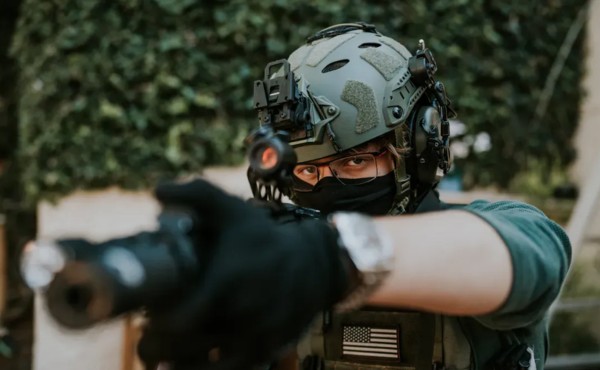
How to Evaluate Bulletproof Helmet Shell Quality
Quality control officers must carefully evaluate bulletproof helmet samples to confirm structural integrity. Physical inspection identifies critical manufacturing defects before live ballistic testing begins.
Inspecting Shell Finish and Edge Sealing
Visual checks start with paint uniformity and topcoat integrity. Smooth polyurethane coating prevents environmental moisture from degrading inner ballistic fibers. Rough patches or bubbles indicate poor manufacturing standards.
Edge seals require deep physical inspection. Rubber rim covers must bond firmly to prevent water penetration into laminate layers. Delamination around the edges severely compromises shell performance against modern operational threats.
| Inspection Area | Check Point | Risk Factor |
|---|---|---|
| Exterior Finish | Coating coverage | Environmental wear |
| Rim Rubber | Edge seal bonding | Moisture penetration |
| Composite Shell | Layer integrity | Reduced protection |
Verifying Weight, Density, and Material Composition
Weight verification ensures correct material density for every ballistic sample unit. Ultra-high-molecular-weight polyethylene (UHMWPE) shells offer lightweight armor against high-velocity penetration. Aramid fiber composites provide strong blunt impact absorption against structural threats.
Sample Verification Checklist:
1. Measure total shell weight against factory standards.
2. Verify thickness uniformity using digital calipers.
3. Conduct acoustic resonance testing for internal gaps.
Non-destructive testing reveals invisible defects inside composite materials. Technicians perform resonance testing to detect internal void spaces between woven layers. Proper layer density guarantees complete ballistic validation and reliable backface impact protection during field service.
Reviewing Ballistic Helmet Testing and Certification Reports
Procurement officers must evaluate bulletproof helmet documentation carefully. Official records confirm ballistic protection standards.
Validating NIJ Level IIIA Standards and Lab Accreditations
Independent lab testing verifies certified ballistic helmet testing performance. Official reports validate nij standards and nij iiia standards under strict testing protocols. Valid compliance protects operators against real-world threats.
Official laboratories perform rigorous penetration testing and fragmentation testing. Ballistic helmet testing reports show complete resistance to penetration threats. Every sample must meet nij iiia standards for ultimate ballistic protection.
| Test Type | Standard Compliance | Target Threats |
|---|---|---|
| Ballistic Penetration | nij standards / nij iiia | Handgun round threats |
| Fragmentation Resistance | stanag standards | High-velocity fragmentation |
Environmental exposure alters material integrity. Lab technicians conduct ballistic helmet testing after extreme temperature conditioning. Moist environments also undergo standardized ballistic penetration testing.
Verifying Batch Serials and Manufacturer Traceability
Each sample requires complete serial validation. Official nij iiia documents must list precise batch numbers. Traceability confirms consistent fragmentation protection standards across all production runs.
Verification Protocol:
1. Check independent lab testing certification dates.
2. Match sample serial numbers with stanag reports.
3. Confirm stanag standards and nij standards compliance.
International units require strict stanag standards and stanag compliance. Official ballistic helmet testing files verify nij iiia ballistic safety. Ballistic testing protocols measure dynamic performance against stanag fragmentation threats.
Manufacturers must provide complete validation records for certified nij iiia status and stanag fragmentation standards. Proper stanag testing validates fragmentation protection levels. Careful review guarantees compliant ballistic helmet testing results.
Testing Fit, Hardware, and Accessory Systems
Following a Ballistic Helmet Procurement Guide for Hardware
Operators need durable hardware to evaluate bulletproof helmet functionality under field stress. The ballistic helmet procurement guide recommends verifying all metallic fasteners and composite clips. Reliable assembly prevents hardware failure during heavy impact events.
Testing Suspension Dial Systems and Retention Straps
Ballistic hardware testing ensures proper fit and operational stability. Suspension dials require repeated rotation testing to confirm secure positioning. High-tension strap testing prevents helmet displacement during blunt impact force.
Inspecting NVG Shroud and Accessory Rail Fit
Accessory mounting points require careful physical testing. The front shroud must lock devices tightly without looseness. Precise rail alignment supports critical equipment while maintaining complete ballistic integrity.
Every sample unit undergoes systematic ballistic inspection. Standardized ballistic helmet testing confirms hardware compliance with rigorous military standards. Proper hardware fit guarantees full head protection during dynamic tactical operations.
| Component | Test Criteria | Ballistic Requirement |
|---|---|---|
| NVG Shroud | Lock stability | Secure accessory mount |
| Side Rails | Attachment security | Stable gear placement |
| Retention System | Strap tension | Consistent ballistic protection |
Routine ballistic checks confirm total system quality. Third-party labs perform official ballistic helmet testing to verify shell hardware stability.
Assessing Ballistic Protection and Impact Resistance
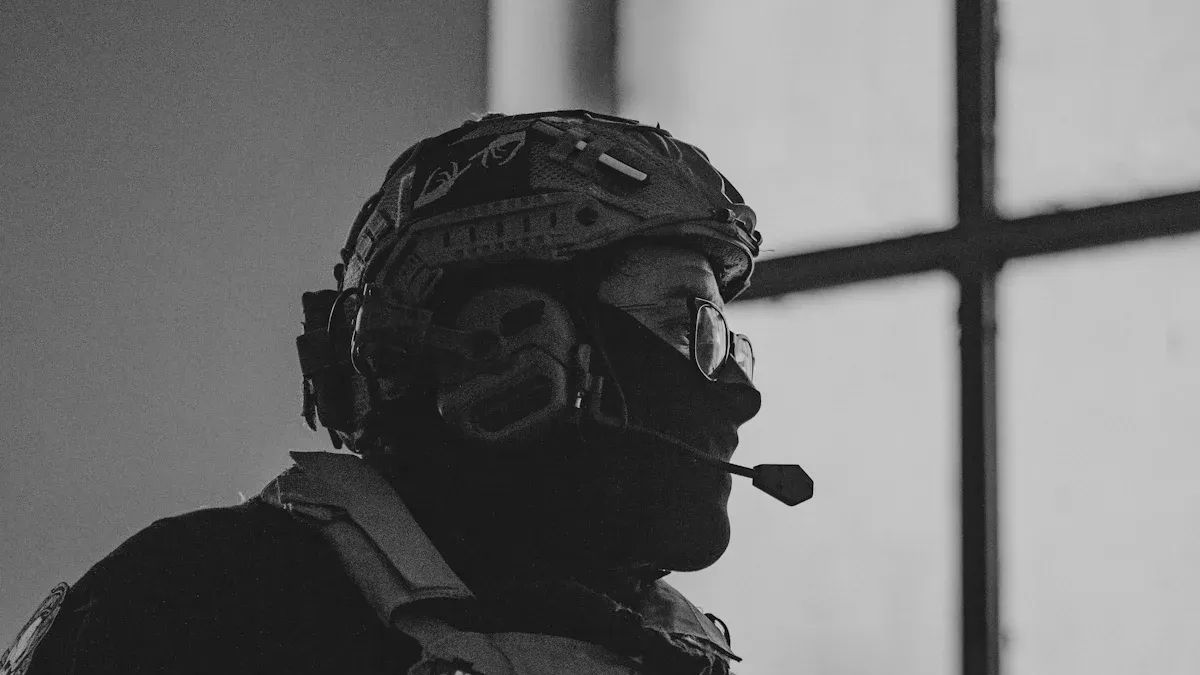
Evaluating bulletproof helmets requires comprehensive assessment of dynamic structural responses. Testing personnel conduct severe environmental and mechanical trials. Rigorous evaluation guarantees full readiness against direct battlefield hazards.
Testing Resistance to Penetration and Environmental Protection
Resistance to penetration evaluations measure shell integrity against bullet rounds. Technicians execute penetration testing across all required ammunition calibers. Official lab testing protocols follow strict nij standards and nij iiia specifications.
Penetration Testing Criteria:
1. Conduct penetration testing with specified handgun rounds.
2. Verify zero complete penetration through composite shell layers.
3. Validate shell performance under extreme thermal conditions.
High moisture and extreme temperature alter ballistic shell properties. Technicians condition each helmet sample before starting mandatory penetration testing. Environmental exposure tests verify shell stability against varied threats.
| Test Category | Target Threats | Required Standards | Pass Requirement |
|---|---|---|---|
| Penetration Resistance | Handgun Threats | nij / nij iiia | Zero shell penetration |
| Fragmentation Safety | High-Velocity Shrapnel | stanag standards | High V50 speed threshold |
| Environmental Exposure | Thermal / Moisture | nij standards | Stable armor protection |
Fragmentation testing measures shell defense against flying explosive shrapnel. Lab personnel perform fragmentation testing according to recognized stanag standards. High V50 score ratings confirm superior armor strength against real-world threats.
Measuring Backface Deformation with Clay Witness Material
Penetrating bullets are not the only danger to tactical operators. Non-penetrating rounds transfer heavy kinetic energy into the internal shell wall. Non-penetrating impacts push inner material inward toward the head.
Backface Deformation Protocol:
1. Secure the target sample onto conditioned clay backing material.
2. Fire test projectiles to evaluate penetration resistance.
3. Measure backface clay impressions using calibrated digital depth gauges.
Clay witness material measures internal backface deformation levels. Technicians analyze clay indentations after completing each penetration testing sequence. Certified nij iiia shells must restrict inner deformation below mandatory limits.
Backface Limit: Maximum 44mm depth under official nij standards.
Excessive inward deformation causes severe trauma to human brain tissue. Controlled backface deformation prevents permanent physical damage during live attacks. Proper validation guarantees complete life-saving performance during critical combat scenarios.
Analyzing Blunt Impact and Drop Test Results
Tactical operators encounter frequent fall hazards and falling structural debris. Lab technicians perform blunt impact testing on specialized metallic headform rigs. Dynamic sensors record dynamic force transmission during non-penetrating impacts.
Drop testing measures dynamic force dissipation across helmet shell layers. Standardized drop tests drop helmets directly onto hard steel anvils. Impact sensors register dynamic acceleration forces during extreme collisions.
| Impact Test | Equipment Used | Primary Metric | Evaluation Standards |
|---|---|---|---|
| Blunt Impact | Rigid Metal Headform | Peak Acceleration | Acceleration Limits |
| Drop Safety | Steel Anvil Rig | Energy Absorption | Dynamic Impact Safety |
Ballistic helmet testing confirms energy absorption across all shell areas. Certified helmets meet high structural standards under all stanag guidelines. Ballistic helmet testing proves complete structural stability under heavy trauma events.
Military units demand reliable defense against diverse tactical threats. Accurate ballistic helmet testing checks entire helmet shell assemblies. Precise ballistic helmet testing reveals critical material flaws before deployment.
Standardized ballistic helmet testing protocols eliminate weak production batches. Official ballistic helmet testing verifies shell resilience against violent real-world threats. Ballistic helmet testing establishes complete operational confidence for front-line personnel.
Robust helmet construction delivers essential ballistic protection during duty. Rigorous ballistic helmet testing ensures long-term field survivability. Comprehensive shell testing guarantees maximum safety under intense operational pressures.
Shell integrity relies on strong stanag material formulations. Official stanag documentation verifies long-term material consistency. Verified stanag compliance guarantees military-grade armor quality.
Manufacturers perform full fragmentation safety reviews on all raw materials. Factory fragmentation trials isolate hidden structural weak points. Standardized fragmentation protocols confirm baseline material strength.
Continuous fragmentation checks maintain steady production quality control. Strict fragmentation safety guidelines protect operators against unexpected shrapnel explosions. Proper fragmentation resistance shields tactical forces during field engagements.
Complete stanag compliance ensures complete fragmentation defense. Official stanag certification validates high-speed fragmentation safety thresholds. Strict stanag compliance keeps operators safe during combat operations.
Conclusion
Procurement officers must evaluate bulletproof helmet samples against strict pass fail standards. Comprehensive ballistic helmet testing requires complete validation of zero penetration threats, acceptable backface impact, and full structural ballistic protection. Each sample unit must meet certified nij standards and nij iiia ballistic criteria.
A detailed ballistic helmet rfq must establish binding contract clauses based on these verified nij benchmarks. Mass production testing requires identical ballistic material density and shell ballistic armor protection. Strict ballistic oversight maintains certified nij ballistic performance and consistent ballistic quality across every delivered ballistic batch.