

Ballistic helmets protect against threats such as bullets, fragments, and shrapnel, making them an essential piece of protective equipment for military personnel, law enforcement officers, and security professionals. However, different operational environments require different levels of protection, mobility, and comfort.
Ballistic helmet types vary in design, coverage, materials, and tactical features. The most common types include PASGT, MICH, ACH, FAST, and ECH helmets, each developed to meet specific protection and mission requirements.
Understanding the differences between these ballistic helmet types helps buyers and end users choose the right helmet based on ballistic protection needs, weight considerations, equipment compatibility, and intended applications.
.jpg)
Main Types of Ballistic Helmets Comparison
Helmet Shapes
Ballistic helmet shapes play a crucial role in determining protection and functionality.
- The full-cut helmet offers maximum coverage, shielding the ears and sides of the head. It is ideal for situations requiring enhanced ballistic resistance, such as military operations.
- The mid-cut helmet provides a balance between coverage and mobility. It protects critical areas while allowing better compatibility with communication devices.
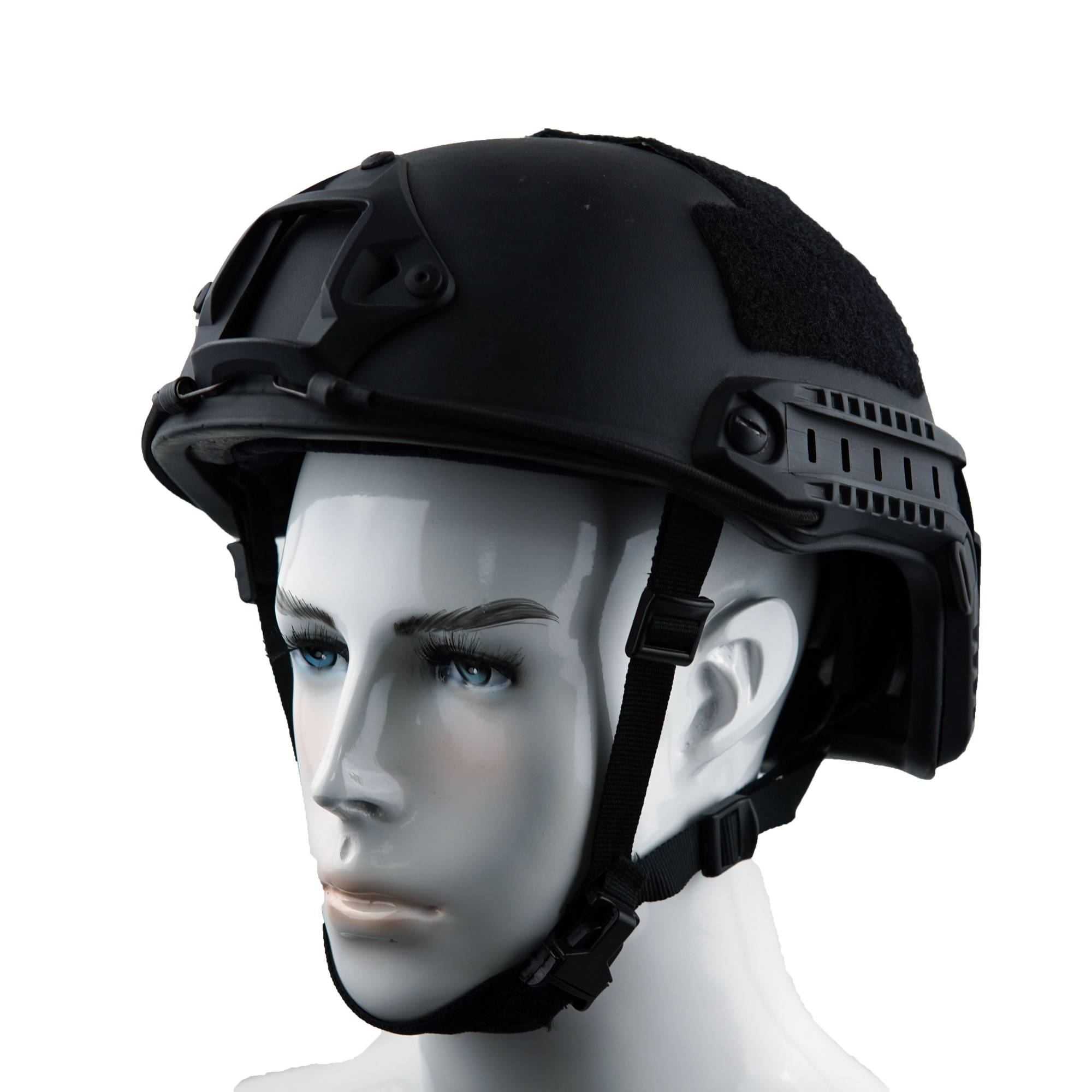
- The high-cut helmet prioritizes agility and lightweight design. It is favored by tactical teams who need to integrate accessories like night vision mounts or headsets seamlessly.
Choosing the right shape depends on the user’s mission and environment. Full-cut helmets suit high-risk scenarios, while high-cut helmets cater to fast-paced tactical needs. Mid-cut helmets offer versatility for mixed-use applications.
Popular Models
Several popular ballistic helmet models dominate the market due to their proven performance.
- The PASGT (Personnel Armor System for Ground Troops) helmet is a classic design known for its robust ballistic protection. It features a full-cut shape with extended coverage around the sides and back of the head, making it widely used in military applications.
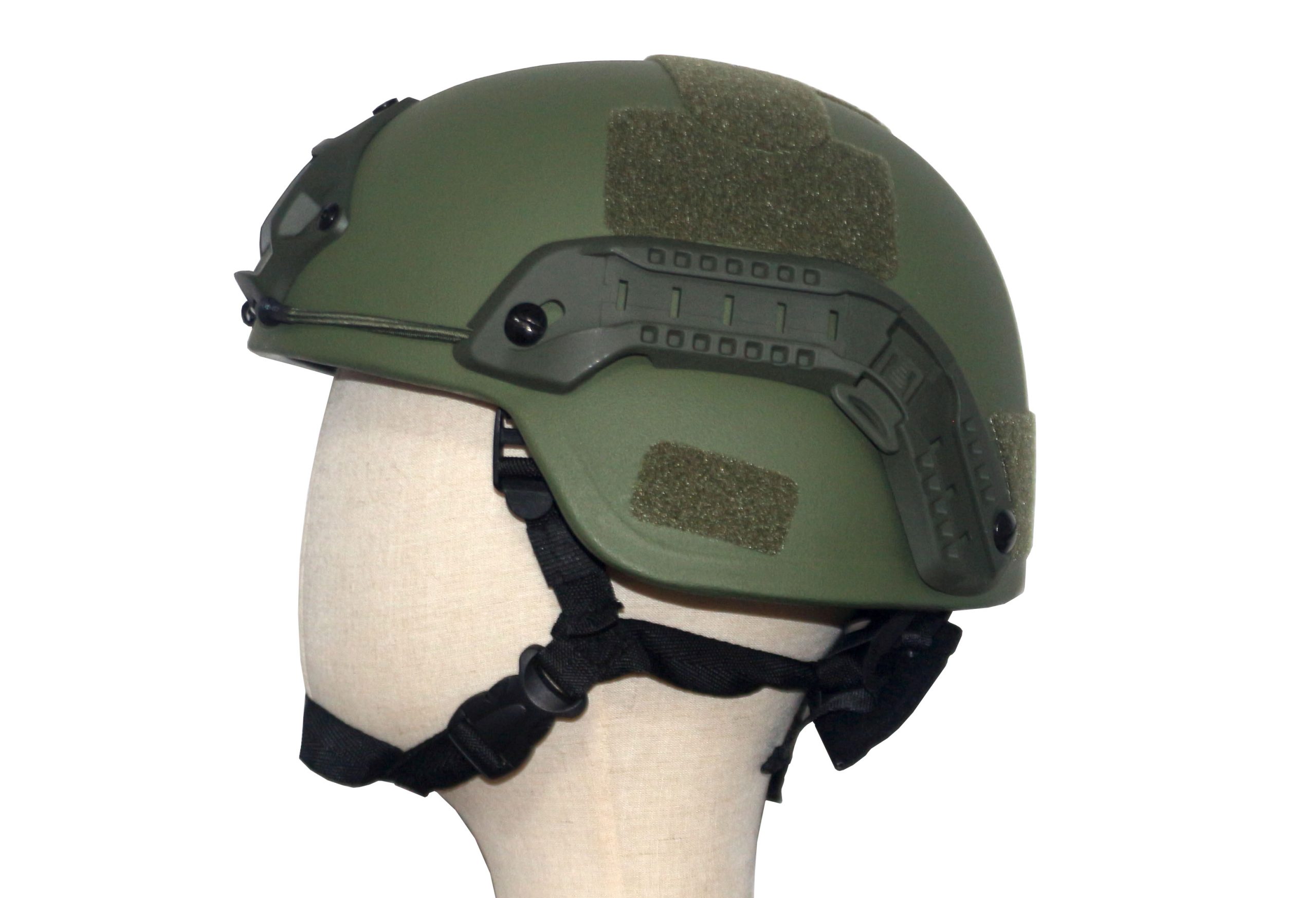
- The MICH (Modular Integrated Communications Helmet) improves on the PASGT design by reducing weight, enhancing comfort, and providing better compatibility with modern communication systems and tactical accessories.
- The ACH (Advanced Combat Helmet) is an upgraded version developed from the MICH platform. It offers improved ballistic performance, a more streamlined shape, and better integration with modern combat equipment, making it one of the most widely adopted helmets by military forces.
- The FAST (Future Assault Shell Technology) helmet is a high-cut tactical helmet designed for lightweight performance and maximum accessory integration. It provides enhanced mobility and is commonly used by special forces, tactical teams, and law enforcement units.
- The ECH (Enhanced Combat Helmet) is a next-generation ballistic helmet designed to provide higher levels of protection against advanced threats. Using advanced materials such as ultra-high-molecular-weight polyethylene (UHMWPE), ECH helmets offer improved ballistic resistance while maintaining relatively low weight for modern military operations.
Each model caters to specific needs, making it essential to match the ballistic helmet type with the intended use.
| Type | Cut Style | Main Advantage | Common Applications |
|---|---|---|---|
| PASGT | Full Cut | Maximum coverage | Military, security |
| MICH | Mid Cut | Better mobility | Military operations |
| ACH | Mid Cut | Improved comfort | Modern combat |
| FAST | High Cut | Lightweight and accessory compatible | Tactical teams |
| ECH | High/Mid Cut | Enhanced protection | Advanced missions |
Materials and Protection Levels
The materials used in ballistic helmets determine their protection level and durability.
- Kevlar remains a popular choice due to its lightweight and high-strength properties. It offers reliable ballistic protection against shrapnel and small arms fire.
- UHMWPE (Ultra-High Molecular Weight Polyethylene) is another advanced material that enhances ballistic resistance while reducing weight.
Ballistic helmets are tested against NIJ ballistic helmet protection levels to ensure their effectiveness. These standards classify helmets based on their ability to withstand specific threats. Users should prioritize helmets that meet or exceed NIJ standards for optimal safety.
Understanding the materials and protection levels helps users select helmets that balance durability, weight, and ballistic protection.
Key Features to Consider When Choosing Ballistic Helmets
Comfort and Fit
Comfort plays a critical role in the effectiveness of a ballistic helmet. A well-padded interior reduces pressure points and ensures prolonged wear without discomfort. High-quality padding materials, such as memory foam, conform to the user’s head shape, providing a snug fit. Suspension systems further enhance comfort by evenly distributing the helmet’s weight. These systems minimize strain on the neck and shoulders, which is essential during extended missions.
Users should prioritize helmets with adjustable padding and advanced suspension designs. These features not only improve comfort but also ensure the helmet stays securely in place during high-movement activities.
Adjustability and Sizing
Proper adjustability ensures a ballistic helmet fits securely and performs optimally. Adjustable straps allow users to customize the fit, preventing the helmet from shifting during critical moments. A well-balanced helmet with even weight distribution reduces fatigue, enabling users to stay focused on their tasks.
When selecting a helmet, users should test the adjustability of the straps and check for a secure fit. Lightweight designs with balanced weight distribution are ideal for long-term use, especially in dynamic environments.
Accessories and Compatibility
Modern ballistic helmets often feature accessory compatibility, enhancing their functionality. Night vision mounts allow seamless integration of night vision goggles, critical for low-light operations. Communication device compatibility ensures users can stay connected without compromising protection.
When choosing a helmet, users should evaluate its ability to accommodate essential accessories. A helmet that supports modular attachments provides greater versatility, making it suitable for various tactical scenarios.
Ballistic Performance
Ballistic performance is the core function of a ballistic helmet and directly determines its ability to protect users from different threats. A reliable helmet should provide consistent protection while maintaining a suitable balance between safety, weight, and mobility. The ballistic performance depends on factors such as helmet design, material structure, and manufacturing quality.
When selecting a ballistic helmet, users should consider protection standards, threat levels, and impact resistance. Choosing a helmet with the appropriate ballistic performance ensures reliable protection while meeting the operational requirements of military, law enforcement, and security applications.
Material and Durability
The materials and construction quality of a ballistic helmet have a significant impact on its overall performance and service life. Modern ballistic helmets commonly use advanced materials such as aramid fibers, UHMWPE, and composite layers to achieve high protection levels while reducing weight.
Users should evaluate material quality, environmental resistance, and long-term durability when selecting a helmet. A well-constructed ballistic helmet can maintain reliable protection under demanding conditions and provide better value for long-term operational use.
How to Choose the Best ballistic Helmet Type
Mission-Specific Needs
Different missions demand specific features from a ballistic helmet. Military personnel often face high-velocity threats in combat zones. They require helmets with advanced ballistic protection and compatibility with tactical gear. Law enforcement officers prioritize lightweight tactical helmets for mobility during operations like crowd control or hostage rescue. Civilian users, such as journalists or security professionals, need helmets that balance protection and comfort for extended wear in unpredictable environments.
Matching the helmet type to the mission ensures optimal performance. Users should evaluate their operational needs carefully before selecting a helmet.
Balancing Weight, Protection, and Comfort
A tactical helmet must strike the right balance between weight, protection, and comfort. Heavier helmets provide superior ballistic protection but can cause fatigue during prolonged use. Lightweight designs enhance mobility but may compromise coverage. Comfort features, such as padding and suspension systems, reduce strain and improve wearability.
Users should prioritize helmets that meet their protection requirements without sacrificing comfort. Testing different models helps identify the best fit for long-term use.
Compatibility with Tactical Gear
Modern ballistic helmets must integrate seamlessly with other tactical gear. Plate carriers, goggles, and communication devices are essential for mission success. Helmets with modular attachment points allow users to customize their setup based on operational demands. High-cut designs often provide better compatibility with accessories, ensuring unrestricted movement and functionality.
Choosing a helmet that supports gear integration enhances efficiency in the field. Users should verify compatibility with their existing equipment before making a purchase.
Helmet Cut Style and Coverage Area
Different ballistic helmet cut styles affect protection coverage, mobility, and tactical equipment compatibility. Full-cut helmets provide more coverage around the sides and back of the head, while mid-cut and high-cut designs reduce weight and improve mobility. High-cut helmets are especially popular for operations requiring communication headsets, hearing protection, and other tactical accessories.
Users should choose the appropriate helmet cut based on their mission requirements. Those who prioritize maximum protection may prefer full-cut designs, while users who need greater mobility and equipment integration may benefit from mid-cut or high-cut helmets.
Ballistic Protection Level and Threat Requirements
The required ballistic protection level is an important factor when selecting a helmet type. Different operational environments involve different threats, so users should choose helmets that provide suitable protection without adding unnecessary weight. Military operations may require higher protection against rifle threats, while law enforcement applications may focus on protection against handgun ammunition.
Before selecting a ballistic helmet, users should evaluate the expected threats, required protection standards, and mission conditions. Choosing the right protection level ensures reliable safety while maintaining comfort and mobility.
Helmet Material and Construction
The materials and construction methods used in a ballistic helmet directly influence its weight, durability, and protection performance. Common ballistic helmet materials include aramid fibers, UHMWPE, and composite materials, each offering different advantages in terms of strength, weight reduction, and impact resistance.
Users should consider material performance, service life, and operating conditions when selecting a helmet. Advanced materials can help achieve a better balance between ballistic protection, comfort, and long-term reliability.
Conclusion
Understanding the different ballistic helmet types helps users select the right protection solution for their specific missions. PASGT, MICH, ACH, FAST, and ECH helmets each provide different advantages in protection, mobility, comfort, and tactical compatibility. The ideal choice depends on factors such as threat level, operational requirements, equipment integration, and wearing comfort. By evaluating helmet design, materials, and performance features, users can choose a helmet that offers the right balance between protection and functionality. Selecting the appropriate ballistic helmet type ensures reliable protection for military personnel, law enforcement officers, and security professionals in demanding environments.