

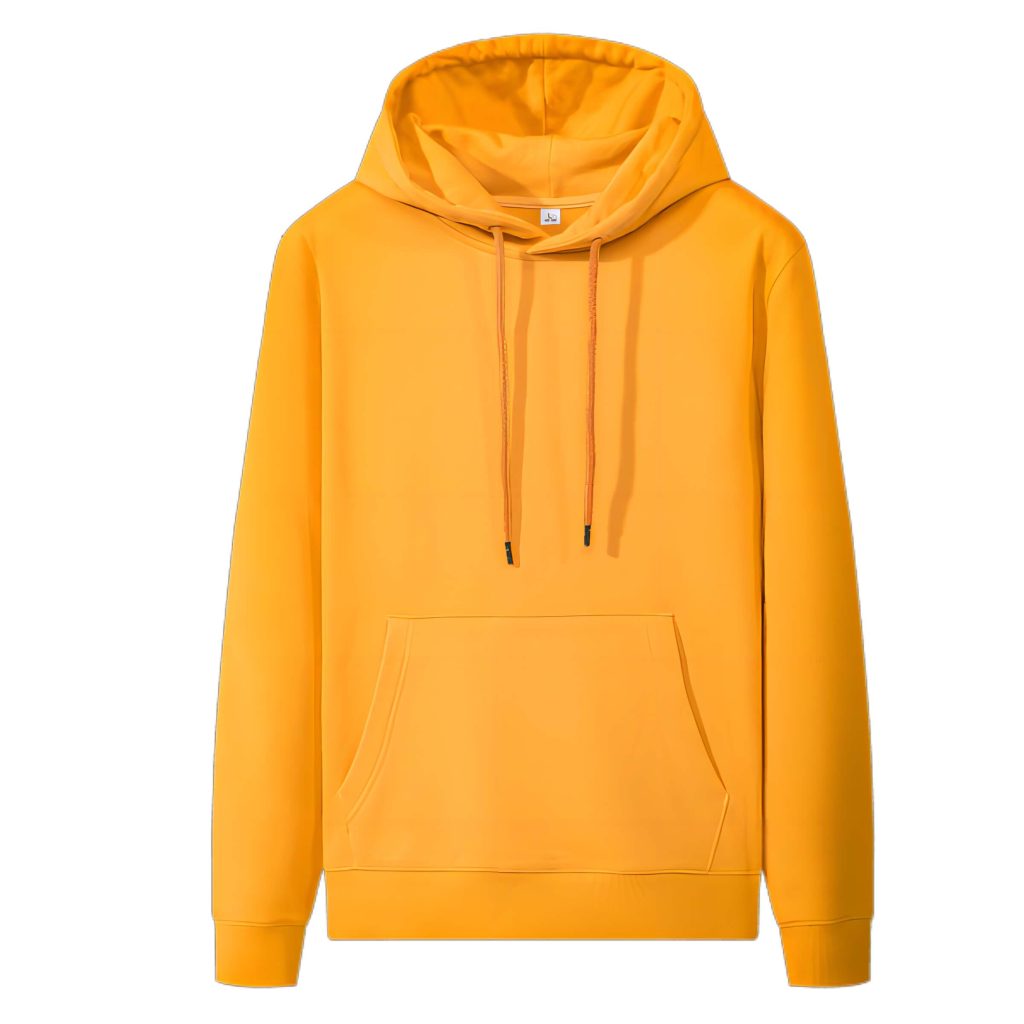
Choosing bulletproof hoodies starts with verified protection, appropriate coverage, and secure fit. Comfort then determines whether the selected garments remain practical throughout the intended wearing period. These factors work together: documented ballistic performance matters, and the armor must stay correctly positioned during use.
For security teams, distributors, and organizational buyers, casual styling can help protective clothing blend into everyday settings. Selection should also account for working conditions, body measurements, maintenance, and replacement requirements. This guide explains how to assess those details before approving samples or placing bulk orders.
Verify Protection Levels and Testing Evidence
Bulletproof hoodies combine everyday outer garments with ballistic assemblies. Flexible armor commonly addresses specified handgun threats. Actual capabilities depend on the armor construction and supporting evidence.
Understand Protection Ratings
Products tested under NIJ Standard 0101.06 may carry Level II or IIIA designations. The newer framework uses HG1 and HG2 for handgun protection, alongside RF classifications for rifle protection. Updated threats and testing procedures mean older ratings do not establish compliance with newer requirements.
Request specifications for each protective component. Torso and hood assemblies may have different ratings, and protection claims should identify where each rating applies.
Material descriptions also need context. Aramid and ultra-high-molecular-weight polyethylene are used in ballistic armor, but material names alone cannot establish the performance of finished panels.
Check Reports and Certification Claims
Request the exact armor model, testing standard, protection level, and relevant reports. Check that documentation corresponds to the supplied construction rather than unrelated materials or panels.
When suppliers claim NIJ certification, verify the model on the relevant compliant products list. Independent testing against selected requirements and certification through the NIJ Compliance Testing Program are distinct claims.
Record the approved armor identifiers in purchasing specifications so later deliveries can be checked against the agreed configuration.
Check Ballistic Coverage and Panel Retention
Outer garment dimensions do not describe ballistic coverage. Sleeves, shoulders, sides, and areas around closures may contain ordinary fabric even when the complete product is marketed as bulletproof clothing.
Request coverage drawings for the sizes being ordered. These should show front and rear panel boundaries, any side protection, and the arrangement around zippers. Where panels overlap, confirm how the intended overlap is maintained when the garment is fastened.
Some designs include protective hood components. Ask for evidence appropriate to the claimed head protection; NIJ torso armor testing does not demonstrate helmet-equivalent performance. Also examine hood position and exposed areas.
Internal retention should support the intended armor without unwanted folding or movement. During sample trials, compare panel positions before and after sitting, reaching, and bending. Note whether closures pull apart or components need repeated adjustment.
These checks help identify coverage and retention problems before larger orders.
Choose Sizes Through Measurements and Movement Checks
Ordinary sweatshirt sizes provide limited guidance for armored garments. Outer clothing, internal carriers, and ballistic components all influence the final fit.
Follow the Manufacturer’s Measurement Instructions
Obtain the specific sizing procedure before selecting samples. Depending on the design, required measurements may include chest circumference, torso length, and other dimensions. Record the clothing layers expected beneath the hoodies.
Proper measurement supports sufficient torso coverage while allowing the movement required for the role. CJTTEC references ASTM E3003 for consistent body armor measurement and fitting practices.
Ask whether different garment sizes use different armor dimensions. A larger outer garment does not automatically indicate increased protective coverage.
Assess Fit During Representative Activities
Evaluate samples with the intended internal components installed and closures properly fastened.
| Activity | What to examine |
|---|---|
| Standing normally | Panel position, closure alignment, and intended overlap |
| Sitting | Lower-edge pressure and interference with seats or belts |
| Reaching forward | Pulling across the back and internal component movement |
| Raising arms | Garment ride-up and changes in torso coverage |
| Walking and bending | Stability, pressure points, and adjustment frequency |
Practical fitting checks complement documentation; they do not replace ballistic testing.
Excessively loose carriers can allow panels to shift, while undersized carriers can bend or fold components. Follow the specified fit and approved carrier configuration.
For team orders, include representative body shapes and sizes in trials. One successful fitting cannot establish suitability across the full range.
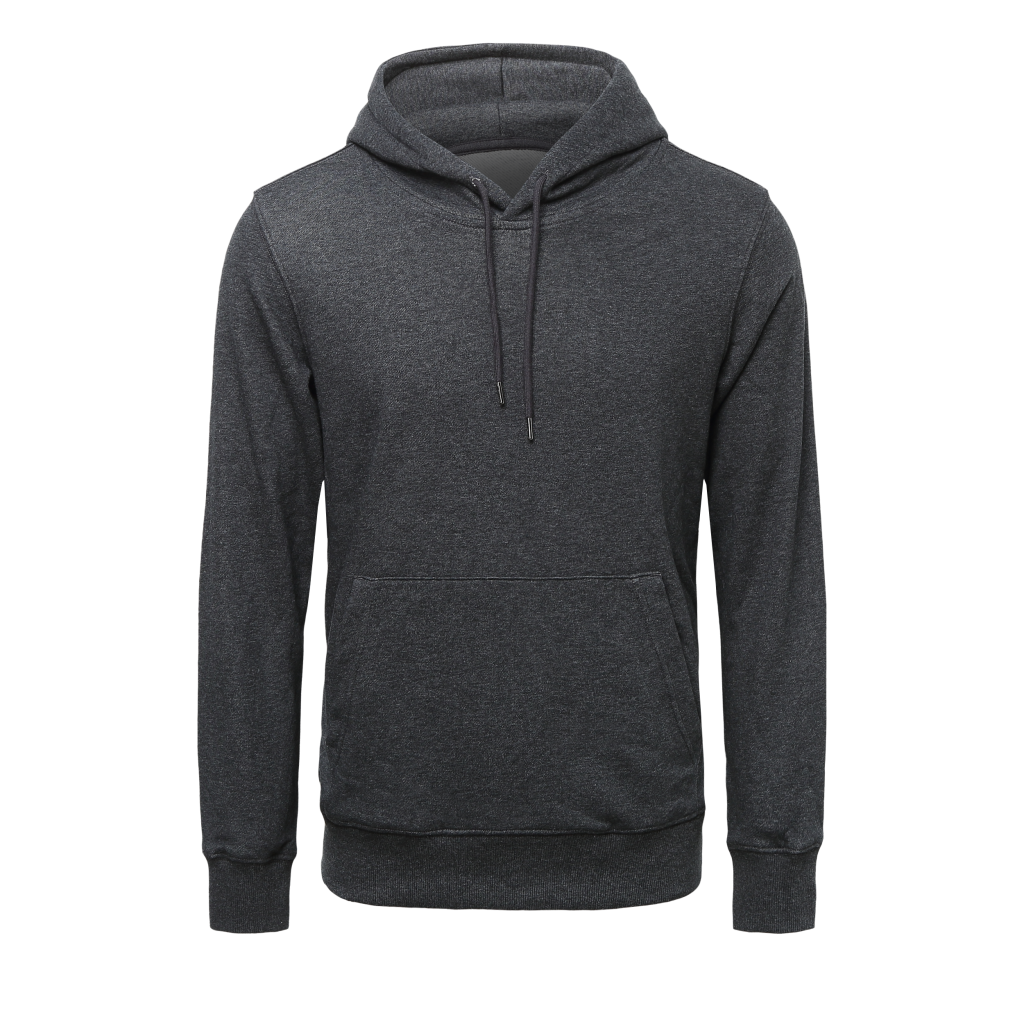
Evaluate Weight, Heat, and Everyday Comfort
Comfort should be assessed with the complete garment in conditions that reflect intended use. Short showroom trials provide only an initial impression.
Compare Complete Weight and Pressure Points
Compare complete garment weights for equivalent sizes, protection levels, and coverage. Include outer fabrics, closures, linings, and retention components rather than relying on panel-only figures.
During trials, record pressure around shoulders, necklines, and torso contact points. Check whether the assembly remains balanced when pockets contain normally carried items. Repeated pulling or adjustment deserves further investigation.
Assess Heat and Concealment
Thermal comfort depends on fabric thickness, armor coverage, activity, and climate. Fleece adds insulation, while ballistic assemblies can restrict airflow. Moisture-wicking linings help manage sweat, although heat may still accumulate beneath protected areas.
Test samples in representative indoor and outdoor conditions. Record whether discomfort affects the planned wearing duration.
Assess concealment while standing, sitting, and reaching. Panel outlines can become visible as clothing stretches or the wearer changes position. Where hoodies are unsuitable for workplace clothing requirements or climate, compare concealable bulletproof vests against the same protection and coverage requirements.
Review Cleaning, Replacement, and Sample Requirements
Obtain care instructions for both the outer garment and ballistic components. Washable clothing fabrics do not establish that the assembled product can be machine washed.
Confirm whether armor can be removed, how it should be cleaned, and how it must be reinstalled. Follow manufacturer guidance for inspection, storage, and replacement.
Before approving orders, request:
- Armor identifiers and relevant testing documentation.
- Coverage drawings and measurement instructions.
- Complete weights for the specified sizes.
- Care instructions, warranty terms, and replacement availability.
For custom orders, ask whether changes to dimensions, fabrics, closures, or branding affect the documented protective configuration. Identify modifications requiring further evaluation.
Retain an approved sample and written specification. Together, these provide purchasing references for checking delivered construction, sizing, labels, and finish. Replacement components should preserve the manufacturer-approved assembly.
Conclusion
Choose bulletproof hoodies by verifying protection, examining coverage, checking fit during movement, and evaluating comfort under realistic conditions. Maintenance and replacement arrangements complete the assessment.
For bulk purchasing, clear specifications and representative sample trials provide the strongest basis for selection. Suitable garments should meet documented protection requirements, fit the intended wearers, and remain practical throughout their planned use.