

Bulk orders of armor plate require careful evaluation. Buyers must compare armor plate samples to check critical factors. These include weight, thickness, protection level, material type, and threat capabilities.

Why Compare Armor Plate Samples
Purpose of Sample Comparison
Comparing samples is a key step before making a bulk order. Each sample helps buyers check if the armor plates meet safety and quality standards. A product sample can show how the final batch will perform in real situations.
A pre-production sample gives a first look at what the supplier can deliver. It allows buyers to spot any issues early. A production sample shows the quality of plates from the actual manufacturing run.
Sample comparison builds confidence in the bulk purchase. It helps buyers avoid costly mistakes. For example, a sample may reveal that one supplier’s plates are lighter but offer the same protection as heavier options.
What to Expect from Suppliers
Suppliers should provide clear information about each sample. This includes details on weight, thickness, and protection level. Reliable suppliers will also share test results for durability and threat resistance.
Buyers should expect to receive both a pre-production sample and a production sample before placing a bulk order. These samples help confirm that the body armor plates meet all requirements. Suppliers should answer questions and provide documents that prove the plates’ quality.
A good supplier will support the buyer through the sample review process. They should be open to feedback and willing to make changes if needed. This process ensures that the bulk order meets expectations and reduces the risk of problems later.
Key Factors to Compare Armor Plate
When you compare armor plate samples, focus on several key factors. Each factor helps you decide which option is best for your bulk order. Use this section as a guide during sample inspection.
Weight and Thickness
Weight and thickness affect comfort and mobility. Lighter plates are easier to wear for long periods. Thicker plates may offer more protection but can be harder to move in. Always check the weight and thickness of each sample. Compare these details between the pre-production sample and the production sample. This step ensures consistency before a bulk purchase.
Protection Level and Threat Capabilities
Protection level tells you what threats the plate can stop. Some plates protect against handguns, while others stop rifle rounds. Ask for test results with every product sample. Review the protection level during sample inspection. Make sure the production sample matches the promised threat capabilities. This check is vital before any bulk order.
Material Differences: Steel, Ceramic, Polyethylene
Armor plates come in different materials. Steel plates are strong and have high durability. Ceramic plates are lighter but may crack after impact. Polyethylene plates are the lightest but can be thicker. Each material has trade-offs in weight, cost, and protection. Compare armor plate samples made from each material to see which fits your needs. Always request both a pre-production sample and a production sample for each type.
Plate Size and Configuration
Plate size and shape affect coverage and fit. Some plates are rectangular, while others have curved edges. Check the size and configuration of every sample. Make sure the production sample matches the pre-production sample. This step helps avoid surprises in your bulk order of body armor plates.
How to Inspect and Test Armor Plate Samples
Visual Inspection
Visual inspection is the first step in sample evaluation. Check each sample for cracks, chips, or uneven surfaces. Look for signs of poor finishing or defects that could affect performance.
Use a flashlight to examine edges and corners. Inspect the surface for any irregularities. Record findings in a table for easy comparison.
Material Verification
Material verification confirms the sample matches the supplier’s claims. Identify the material type by checking labels or using a magnet for steel plates. For ceramic and polyethylene plates, ask for supporting documents.
Request a material certificate for each product sample. Compare the certificate with the physical sample. This step ensures the pre-production sample and production sample use the correct material.
| Sample Type | Material | Verification Method | Certificate Provided |
|---|---|---|---|
| Pre-production | Steel | Magnet Test | Yes |
| Production | Ceramic | Document Review | Yes |
Ballistic Testing
Ballistic testing measures the sample’s ability to stop threats. Use a certified range to test body armor plates. Follow standard protocols for each sample.
Test both the pre-production sample and production sample. Record the results for each test. Compare armor plate samples to see which performs best.
Steps for Ballistic Testing:
- Select the sample for testing.
- Set up the plate at the range.
- Fire rounds according to the threat level.
- Inspect the plate for penetration or damage.
- Record the outcome in a table.
Documentation Review
Documentation review checks the paperwork for each sample. Ask suppliers for test reports, certificates, and compliance documents. Review these documents for accuracy.
Compare the documents for the pre-production sample and production sample. Make sure all paperwork matches the physical sample inspection. This step helps avoid problems in your bulk order.
Checklist for Documentation Review:
- Test reports included
- Material certificates provided
- Compliance documents available
- Serial numbers match samples
Establishing a Reference Sample
Selecting a Golden Sample
A golden sample acts as the standard for all future armor plate orders. This sample represents the ideal quality and performance you expect from every shipment. When you receive multiple samples, choose the one that best matches your requirements for weight, thickness, and protection level.
The golden sample should come from the same batch as your production sample. Inspect each sample carefully before making your choice. Look for consistency in finish, material, and test results.
Keep detailed records of the golden sample’s measurements and test outcomes. Take photos and note any unique features. This documentation helps you compare new samples to your golden sample during later orders.
Using Reference for Quality Control
The golden sample serves as your benchmark for quality control. Each time you receive a new sample, compare it directly to the golden sample. Check for differences in weight, thickness, and surface finish.
Use a checklist to review each sample against the golden sample. This process helps you spot any changes in quality before accepting a bulk order. If a new sample does not match the golden sample, contact your supplier for clarification.
Steps for using a golden sample in quality control:
- Place the new sample next to the golden sample.
- Measure and record key features.
- Compare test results and documentation.
- Approve or reject based on the comparison.
A golden sample also helps train your team. Show them how to inspect and compare each sample. This practice ensures everyone understands the quality you expect.
Common Mistakes and Buyer Tips
Avoiding Overlooked Tests
Many buyers forget to perform all necessary tests on each sample. Skipping even one test can lead to problems in a bulk order. Always check for cracks, measure thickness, and confirm weight for every sample.
Ballistic testing is important for safety. Test both the pre-production sample and the production sample. Record all results to compare samples before making a bulk purchase.
Not Relying Solely on Supplier Claims
Some buyers trust supplier claims without checking the facts. This mistake can affect the quality of a bulk order. Always verify the protection level and material of each sample.
Ask for test reports and certificates. Review these documents for every sample. Supplier reliability improves when you confirm all details yourself.
Effective Communication with Suppliers
Clear communication helps prevent mistakes in a bulk order. Share your requirements for each sample with the supplier. Ask questions if you do not understand any part of the process.
Request updates on sample production and shipping. Give feedback after inspecting each sample. Good communication helps build trust and ensures you receive the right samples for your bulk needs.
Checklist for talking with suppliers:
- Confirm sample details
- Request test results
- Discuss any changes needed
Armor Plate Comparison Checklist
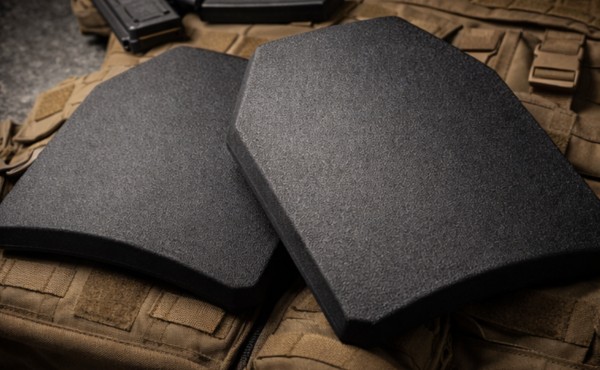
A checklist helps buyers compare each sample before placing a bulk order. It guides the inspection process and ensures nothing gets missed. Use this checklist to make confident decisions about bulk purchases.
Performance Criteria
Performance criteria measure how well each sample protects against threats. Check the protection level for every sample. Record the results from ballistic testing. Compare the stopping power of each sample to see which meets your needs for a bulk order.
List of performance checks:
- Ballistic test results
- Protection level rating
- Impact resistance
- Weight and thickness
Consistency and Quality
Consistency and quality are important for bulk orders. Inspect each sample for defects or irregularities. Compare the finish, material, and measurements across all samples. Look for differences between the pre-production sample and the production sample.
| Sample Type | Finish Quality | Material Consistency | Measurement Accuracy |
|---|---|---|---|
| Pre-production | Good | Yes | Accurate |
| Production | Excellent | Yes | Accurate |
Compliance and Documentation
Compliance and documentation confirm that each sample meets industry standards. Ask suppliers for certificates and test reports. Review documents for every sample. Make sure the paperwork matches the physical sample.
Checklist for compliance:
- Certification provided for each sample
- Test reports included
- Serial numbers match samples
- Compliance with regulations
A thorough checklist ensures every sample is inspected before a bulk order. It helps buyers avoid mistakes and supports quality control.
Conclusion
A systematic approach helps buyers compare armor plate samples before a bulk order. Check each sample for weight, thickness, protection level, and material. Use a checklist for every bulk purchase and always verify certifications.
- Review both the pre-production sample and production sample for consistency.
- Keep a reference sample for future product comparison and quality checks.
- Test body armor plates and confirm all documents before a bulk order.