

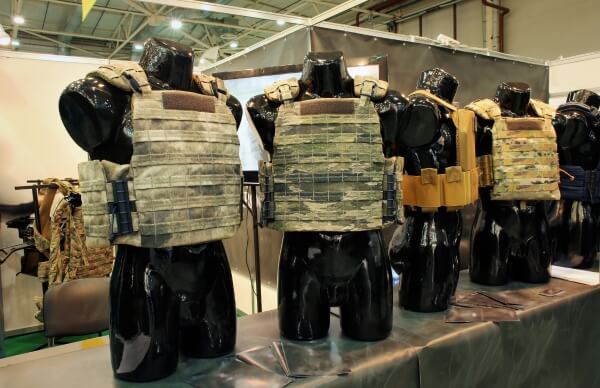
The improved outer tactical vest, or IOTV, is a modern armor system designed to protect soldiers in combat. Its main purpose is to provide advanced ballistic protection and greater comfort compared to older vests.
IOTV uses strong materials and modular components to shield vital areas from powerful threats, including armor-piercing rounds. The table below shows how the IOTV offers higher protection than earlier vests:
| Vest Type | Protection Level | Key Features |
|---|---|---|
| Improved Outer Tactical Vest | Stops armor-piercing rounds with E-SAPI plates (NIJ IV) | Modular design, weight distribution, mobility |
| Earlier Outer Tactical Vests | Stops pistol rounds and fragmentation | Less protection, focused on lower caliber threats |
| Fragmentation Vest (Vietnam) | Only protects against fragmentation | No ballistic protection against small arms |
IOTV stands out with its modular design and ability to balance weight, giving users more movement and safety. Many military professionals trust this system for its reliability. For those seeking quality tactical gear, Hwin offers trusted solutions.
Improved Outer Tactical Vest Overview
What is the IOTV?
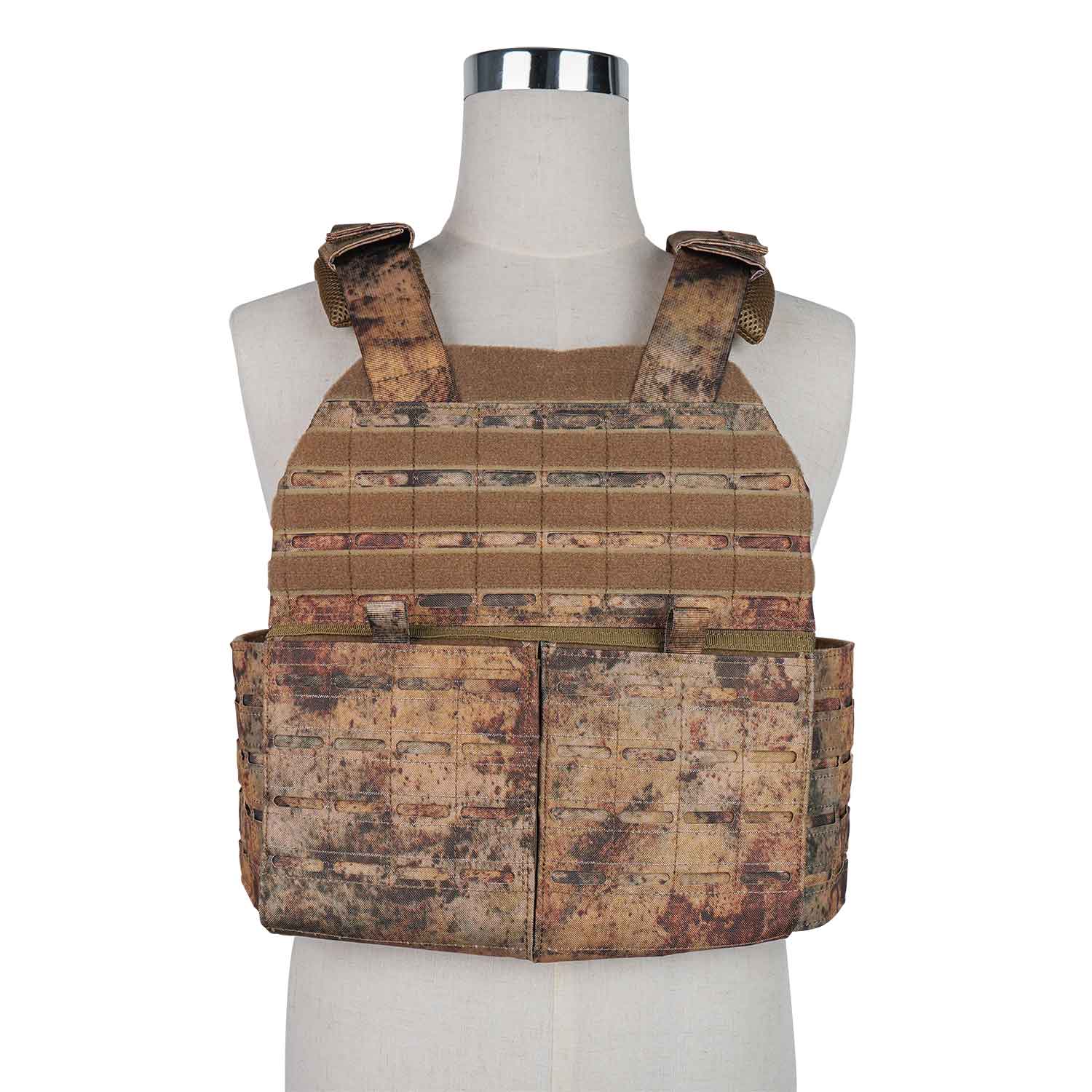
The iotv is a modern body armor system used by military forces around the world. It forms a key part of the Interceptor Body Armor system. The iotv protects soldiers from high-velocity rifle rounds and shrapnel.
It uses advanced materials and hard armor plates to stop powerful threats. The iotv also includes adjustable components, which help it fit soldiers of different sizes. This versatility makes it useful in many combat situations.
Key roles of the iotv in the Interceptor Body Armor system:
- Enhances protection and comfort for soldiers compared to earlier systems.
- Features adjustable parts for a better fit across various body sizes.
- Uses hard armor plates to withstand high-velocity rifle rounds.
The improved outer tactical vest stands out for its modular design. Soldiers can add or remove protective pieces based on their mission. The iotv also has a quick-release handle, which allows for fast removal in emergencies.
Its mesh lining improves ventilation, keeping soldiers cooler during long missions. The internal waistband helps distribute weight from the shoulders to the waist, reducing fatigue.
Evolution from the Outer Tactical Vest
The outer tactical vest was the standard for many years. It mainly protected against handgun rounds and some fragments. However, it left soldiers vulnerable to higher-caliber rounds and stronger threats. This limitation led to the development of the improved outer tactical vest.
The iotv offers several improvements over the older outer tactical vest:
- Weight reduction of up to 3.8 pounds, depending on size.
- Internal waistband that shifts weight from the shoulders to the waist.
- Mesh lining for better airflow and comfort.
- Side-opening design, which increases ballistic coverage and makes it easier to put on and take off.
- Quick-release handle for emergency removal.
- Integrated side plate carriers, allowing better arm movement.
- Lower back protector, adding 52 square inches of coverage.
- Higher cut underarm area, removing the need for extra protectors.
- Integrated throat protector.
- More size options for a better fit.
The iotv is designed to improve mobility and comfort while increasing protection. Its modular side-opening design and improved padding help reduce strain during use. The iotv covers a larger area than the outer tactical vest, offering better protection for the neck, sides, and lower back.
| Feature | Description |
|---|---|
| Year Introduced | 2007 |
| Key Improvements | Enhanced protection, modularity, better weight distribution, emergency quick-release system, improved ballistic protection |
| Successor | Modular Scalable Vest (MSV) introduced in 2018, but iotv remains in use |
| Latest Generation | Gen 4 iotv, showcasing ongoing evolution in design and technology |
Over the past decade, more than 60% of military forces have adopted the improved outer tactical vest. There has also been a 50% increase in demand for customized tactical vests, as missions require different features.
Soldiers have shared feedback about the iotv. Some found it too long and restrictive, especially when sitting or riding in vehicles. Smaller soldiers sometimes struggled with the fit. Despite these challenges, the iotv remains popular because of its protection and adaptability.
Some design flaws, such as issues with the quick-release mechanism and overall weight, have been noted. Proper training is important to use the quick-release feature safely.
Full Coverage Design and Advanced Ballistic Protection
Protective Coverage Areas
The improved outer tactical vest uses a full coverage design to protect soldiers in dangerous environments. This vest shields vital areas such as the chest, back, neck, throat, sides, groin, and lower back. By covering these regions, the vest increases the chances of survival during combat. Earlier vests often left some areas exposed, which put users at greater risk.
The table below compares the body armor coverage of the improved outer tactical vest with previous vests:
| Feature | IOTV | Previous Vests |
|---|---|---|
| Coverage Areas | Chest and Back, plus neck, throat, sides, groin, lower back | Limited coverage |
| Material | Kevlar and Ceramic Plates | Standard materials |
| Protection Level | High-velocity projectiles and shrapnel | Lower effectiveness against such threats |
This full coverage design helps protect against both bullets and shrapnel. Soldiers benefit from increased safety, especially in unpredictable combat situations.
Ballistic Materials and Technology
The improved outer tactical vest uses advanced ballistic protection technology. The vest combines hard ceramic plates with layers of Kevlar and other strong fibers. These materials stop high-velocity bullets and absorb the energy from impacts.
The ceramic plates, made from materials like aluminum oxide, boron carbide, and silicon carbide, break up incoming rounds. The Kevlar layers catch fragments and slow down projectiles.
Below is a table showing the main ballistic materials and their features:
| Material Type | Description |
|---|---|
| Hard Ceramic Components | Common materials include aluminum oxide, boron carbide, and silicon carbide. |
| Laminated Textile Materials | High pressure lamination of ultra high molecular weight polyethylene with a Kraton matrix. |
| Stopping Capabilities | NIJ Standard 0101.06 outlines performance requirements for different levels of ballistic protection. |
The improved outer tactical vest meets strict standards for advanced ballistic protection. For example, the NIJ Level III plate must stop six rounds of 7.62×51mm M80 ball ammunition. The vest also uses impact control armor, which can defeat high kinetic energy rifle bullets.
IOTV Modularity and Customization
Side-Opening Modular Design
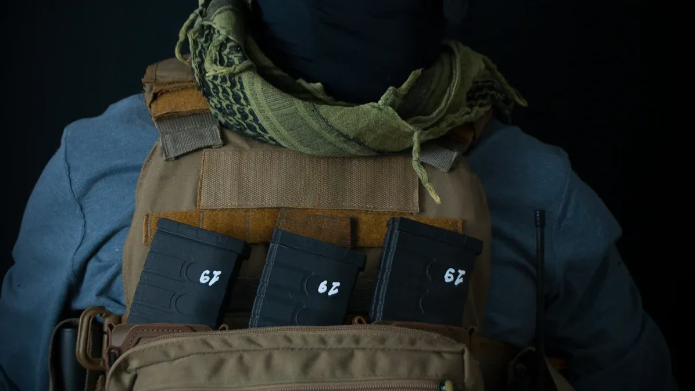
The Improved Outer Tactical Vest features a side-opening modular design that improves both protection and usability. Soldiers benefit from the emergency quick-release system, which allows rapid removal of the vest in urgent situations.
The proprietary OTTE Tubes make donning and doffing the cummerbund faster and more ergonomic. The swappable tube system lets users replace components quickly, supporting fast adjustments in the field.
The flexible cummerbund configuration uses a stretch design, making it easier to put on and take off compared to older hook and loop closures.
Attachment Options and Accessories
The IOTV offers modular attachment options that support a wide range of mission requirements. The scalable carrier system lets users add extra protective components for specific tasks. The integrated MOLLE-compatible webbing allows for the attachment of mission-essential pouches and accessories.
| Feature | Description |
|---|---|
| Modular Design | The scalable carrier system allows for the integration of additional protective components, ensuring mission-specific customization. |
| MOLLE-Compatible Webbing | The integrated Modular Lightweight Load-carrying Equipment (MOLLE) system allows for the attachment of various mission-essential pouches and accessories. |
The MOLLE system uses rows of webbing loops. Soldiers attach gear such as ammunition pouches, medical kits, and communication devices. This setup provides superior modularity compared to other tactical vests. Users can add, remove, or reposition attachments based on mission needs, making the IOTV highly adaptable.
Applications and Competitive Benefits
Military and Tactical Applications
The improved outer tactical vest serves a vital role in modern combat. The U.S. Army and U.S. Marine Corps rely on this vest for daily operations. The U.S. Navy and Army Reserve also use it, replacing older armor systems in most cases. The vest supports soldiers during combat by offering protection and comfort.
High-quality materials ensure the vest holds up under harsh conditions. Soldiers can move freely and stay protected, even during long missions.
The vest’s streamlined load management system helps distribute weight, reducing fatigue in combat situations. This feature allows users to carry essential gear without feeling weighed down.
The IOTV adapts to many tactical scenarios. It works well for patrols, security details, and training exercises. The vest’s modular design lets users adjust protection levels based on mission needs.
High-quality materials and streamlined load management make it suitable for both combat and non-combat tasks. The vest’s flexibility supports a wide range of military and tactical units.
The IOTV’s use of high-quality materials and streamlined load management gives soldiers a clear advantage in combat and daily operations.
Advantages Over Other Vests
The improved outer tactical vest stands out when compared to older vests. Its advanced design offers better protection and comfort. The table below highlights key tactical scenarios and the advantages the IOTV provides:
| Tactical Scenario | Advantages |
|---|---|
| Patrol and Daily Duty Use | Level IIIA protection, reduced weight, and bulk for practical use during long shifts. |
| Security and Private Protection | Adequate protection with a professional appearance and comfort for all-day wear. |
| Training and Range Operations | Allows for equipment carrying without the weight of full armor plates, facilitating training. |
| Non-Ballistic Tactical Applications | Useful for load-bearing without ballistic protection in scenarios like search and rescue. |
The IOTV’s streamlined load management system improves comfort and mobility. High-quality materials provide durability and long-lasting protection. In combat, these features help users stay focused and effective.
The vest’s modularity and coverage areas surpass those of previous models. Soldiers benefit from a vest that adapts to changing mission requirements.
Conclusion
The improved outer tactical vest stands out for its advanced protection, comfort, and quick-release system. Military experts highlight these key benefits:
| Benefit | Description |
|---|---|
| Enhanced Protection | Add-on components increase safety in the field. |
| Quick Release Mechanism | Enables rapid removal for emergency care. |
| Weight Reduction and Comfort | Lightweight design supports long missions. |
- Advanced materials like Kevlar and ceramic plates stop high-velocity threats.
- The vest’s quick-release system helps first responders act fast.
- Soldiers prefer this vest for its comfort and operational efficiency.
For reliable tactical gear, Hwin is a trusted source.