

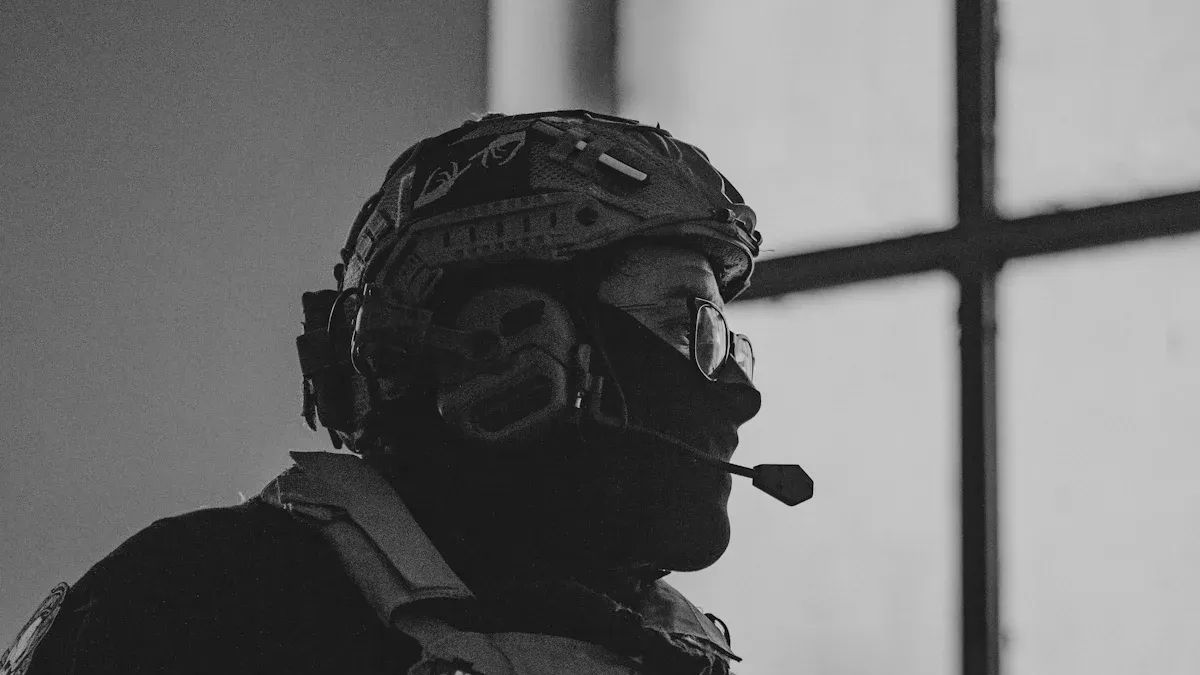
ESAPI plates protect the vital organs from high-velocity rifle rounds. These plates form the core of modern ballistic armor systems.
Many users choose different esapi plates based on threat levels in their environment. The ESAPI Plates Overview highlights how esapi plates differ from standard SAPI plates. Plate shape, size, and fit help users balance protection and comfort.
ESAPI Plates Overview and Importance
What Are ESAPI Plates?
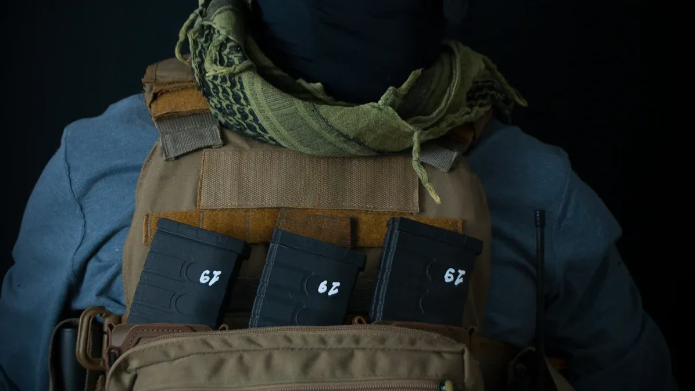
ESAPI plates overview begins with understanding their role in modern armor systems. ESAPI stands for Enhanced Small Arms Protective Insert. These body armor plates protect the chest and back from rifle rounds. The military and law enforcement agencies use ESAPI to increase survivability in hostile environments.
ESAPI plates fit into carriers and work with soft armor to shield vital organs. The design of ESAPI plates focuses on stopping high-velocity projectiles that standard armor cannot defeat.
Key Features and Benefits
ESAPI plates overview reveals several important features. These body armor plates use advanced materials such as ceramic composites and high-density polyethylene. The combination of materials keeps the plates lightweight while maintaining strong protection.
Ergonomic contours allow ESAPI plates to fit the body comfortably. The design reduces fatigue during long missions and improves mobility.
Benefits of ESAPI Plates:
- Superior protection against rifle rounds
- Lightweight construction for easier movement
- Ergonomic shape for better comfort
- Compatibility with most armor carriers
- Reliable performance in various conditions
A table below compares ESAPI plates with standard body armor plates:
| Feature | ESAPI Plates | Standard Body Armor Plates |
|---|---|---|
| Protection Level | High | Moderate |
| Weight | Light | Heavier |
| Ergonomic Design | Yes | Sometimes |
| Threat Resistance | Rifle rounds | Handgun rounds |
Who Uses ESAPI Plates?
ESAPI plates overview shows that many professionals rely on these body armor plates. Military personnel use ESAPI in combat zones where rifle threats are common. Law enforcement officers choose ESAPI plates for tactical operations.
Security contractors select ESAPI for high-risk assignments. Civilians who seek advanced protection also use ESAPI plates in personal armor setups.
The widespread adoption of ESAPI plates overview demonstrates their significance in modern armor solutions.
ESAPI plates overview emphasizes their importance for anyone facing ballistic threats. The combination of lightweight materials, ergonomic design, and high protection makes ESAPI a top choice for body armor plates.
SAPI vs. ESAPI: Main Differences
Protection Levels
SAPI and ESAPI plates both serve as critical components in modern armor systems. SAPI plates offer strong protection against common rifle threats. ESAPI plates provide an even higher level of defense.
Many military and law enforcement units choose ESAPI plates when they expect to face advanced rifle rounds. The extra protection helps shield vital organs from more powerful projectiles.
Material and Weight
The materials used in SAPI and ESAPI plates set them apart. SAPI plates usually contain ceramic and composite fibers. ESAPI plates use similar materials but add extra layers or denser ceramics.
This change increases the strength of the plate.
ESAPI plates sometimes weigh more than SAPI plates because of the added protection. However, many ESAPI designs focus on keeping the weight as low as possible. Lightweight ESAPI plates help users move quickly and reduce fatigue during long missions.
| Plate Type | Main Material | Typical Weight | Comfort Level |
|---|---|---|---|
| SAPI | Ceramic/Composite | Lighter | High |
| ESAPI | Enhanced Ceramic Mix | Slightly More | High |
Threat Resistance
Threat resistance marks a key difference between SAPI and ESAPI plates. SAPI plates stop most standard rifle rounds. ESAPI plates resist stronger threats, including some armor-piercing bullets.
This extra resistance makes ESAPI plates a top choice for those who expect to face advanced weapons. Many users select ESAPI plates for missions where the risk of high-powered rifles is greater.
- SAPI: Protects against common rifle threats
- ESAPI: Protects against advanced and armor-piercing threats
Choosing between SAPI and ESAPI plates depends on the expected threat level and the need for mobility. ESAPI plates offer the highest level of ballistic protection in most modern armor systems.
Armor Plate Shapes and Mobility
SAPI/ESAPI Shape
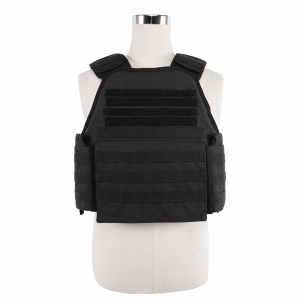
SAPI and esapi plates share a similar shape. Both feature a rectangular design with rounded corners and slight curves. This shape helps the plates fit the body’s contours.
The curved profile allows the armor to sit close to the chest and back. Many users find this design improves comfort during movement.
The shape also helps distribute the weight of the ballistic protection evenly. Soldiers and officers often prefer this style because it balances coverage and mobility.
Shooters Cut vs. Swimmers Cut
Armor plates come in different armor plate cuts to suit various needs. The shooters cut features angled corners at the top. This design gives the wearer more room to move their arms.
Many tactical users choose the shooters cut for easier weapon handling. The swimmers cut offers even more mobility. It has deeper angles and a narrower profile. This cut works well for users who need maximum arm movement, such as rescue teams or special operations. The table below compares these two cuts:
| Plate Cut | Arm Mobility | Coverage Area | Typical Use |
|---|---|---|---|
| Shooters Cut | High | Moderate | Tactical missions |
| Swimmers Cut | Very High | Lower | High-mobility tasks |
Tip: Selecting the right plate cut depends on the mission and the need for movement versus protection.
Coverage vs. Comfort
Choosing armor plates involves balancing coverage and comfort. Larger plates provide more protection for vital organs. However, they can limit movement and add weight. Smaller plates or plates with aggressive cuts increase comfort and mobility.
Users must consider their environment and threat level. Ballistic protection remains the priority, but comfort affects performance. Many experts recommend testing different plate shapes before making a decision. The right choice helps users stay protected and move freely during critical tasks.
ESAPI Plate Sizes Comparison
Standard Size Chart
ESAPI plates come in several standard sizes. Each size fits a range of body types and provides coverage for vital organs. The table below shows common SAPI and ESAPI plate dimensions. These measurements help users compare options and select the right fit for their armor carrier.
| Plate Size | Width (inches) | Height (inches) | Typical Weight (lbs) |
|---|---|---|---|
| Small | 8.75 | 11.75 | 4.0 – 5.0 |
| Medium | 9.5 | 12.5 | 5.5 – 6.5 |
| Large | 10.25 | 13.25 | 6.5 – 7.5 |
| X-Large | 11 | 14 | 7.5 – 8.5 |
Note: Actual weights can vary based on the materials used in each plate.
Commercial Alternatives
Many commercial armor plates follow the same size standards as military plates. Some companies offer extra sizes or custom shapes for special needs. Commercial options may include thinner or lighter plates.
These alternatives can help users who want less weight or more comfort. Some commercial plates also fit civilian armor carriers, which may have different pocket sizes.
- Standard sizes: Small, Medium, Large, X-Large
- Custom sizes: Available for unique body types or special missions
- Thickness and weight: Can differ from military plates
Size Selection Tips
Choosing the right plate size is important for both protection and comfort. Users should measure their chest width and torso length before selecting a plate. The plate should cover the area from the top of the sternum to just above the belly button. It should also protect the width of the chest without blocking arm movement.
Tips for selecting ESAPI plate size:
- Measure the distance between the nipples for width.
- Measure from the top of the sternum to the navel for height.
- Choose the largest plate that fits inside the armor carrier without restricting movement.
- Try on different sizes if possible to check comfort and coverage.
Proper sizing ensures the armor plate protects vital organs while allowing the user to move freely.
Choosing ESAPI Plates for Your Needs
Assessing Threats
Every user must start by understanding the threats they may face. Some environments present risks from high-velocity rifle rounds. Others involve lower-level threats, such as handgun fire. Military personnel often expect rifle threats. Law enforcement officers may face a mix of weapons. Security teams and civilians should consider the most likely dangers in their area.
Tip: Users should review recent incident reports or consult with safety experts to identify the most common threats.
Balancing Protection and Mobility
Selecting the right esapi plate means finding a balance between protection and movement. Larger plates cover more of the body but can feel heavy. Smaller plates allow for faster movement but may leave some areas exposed.
The weight of the armor also affects endurance during long missions. Users who need to run or climb should choose lighter plates. Those who expect direct fire should select plates with maximum coverage.
| Factor | High Protection | High Mobility |
|---|---|---|
| Plate Size | Large | Small |
| Plate Weight | Heavier | Lighter |
| Coverage Area | More | Less |
Practical Selection Advice
Users should follow a few steps to choose the best esapi plate for their needs:
- Identify the most likely threats in their environment.
- Measure their chest and torso to find the correct plate size.
- Try different plate shapes to test comfort and movement.
- Select armor that fits their carrier and does not restrict motion.
- Reassess their needs if their mission or environment changes.
Note: Proper selection of esapi plates increases both safety and comfort during critical tasks.
Conclusion
ESAPI plates offer advanced protection and ergonomic design for ballistic armor users. They provide lightweight comfort and resist high-level threats. Individuals should assess their operational needs and threat levels before choosing a plate.
- Review plate size and shape for best fit.
- Test comfort and coverage during movement.
- Seek expert advice for unique requirements.