

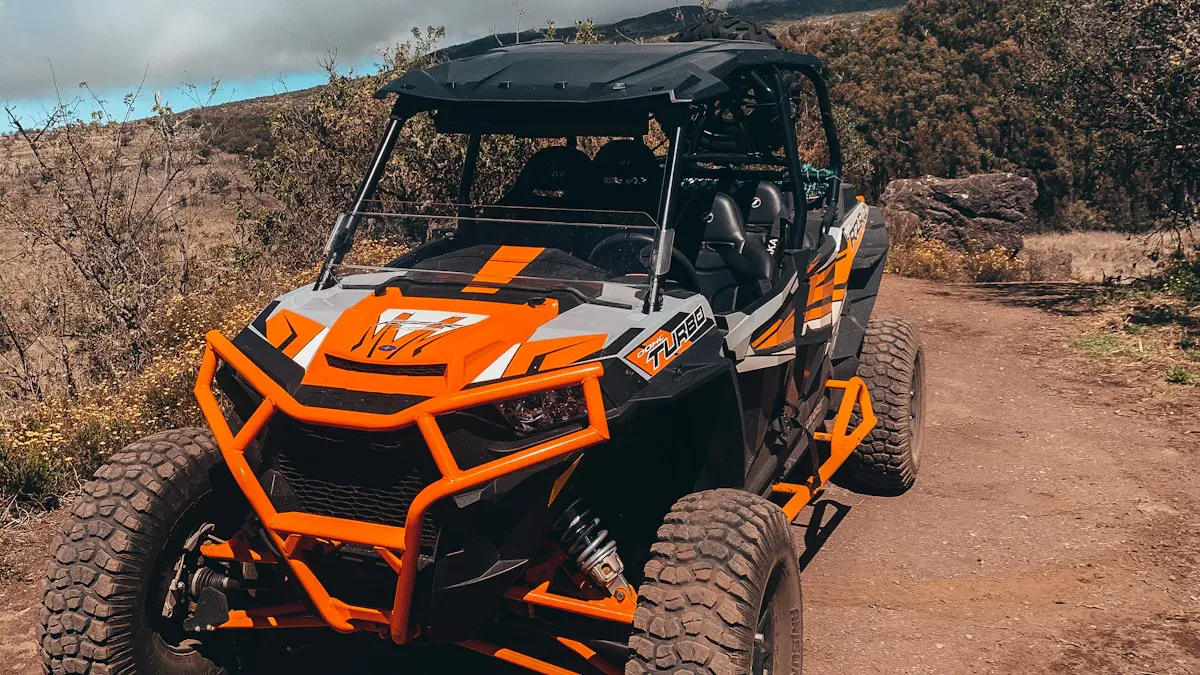
People use a utv, also called a side-by-side, for different jobs and adventures. Each type suits a specific purpose.
These vehicles help with off-road tasks, racing, family outings, or teaching kids to drive safely. Choosing the right type improves performance and safety.
- Utility UTVs
- Sport UTVs
- Sport-Utility UTVs
- Recreational UTVs
- Youth UTVs
What Is An UTV (Side-By-Side)?
UTV Definition
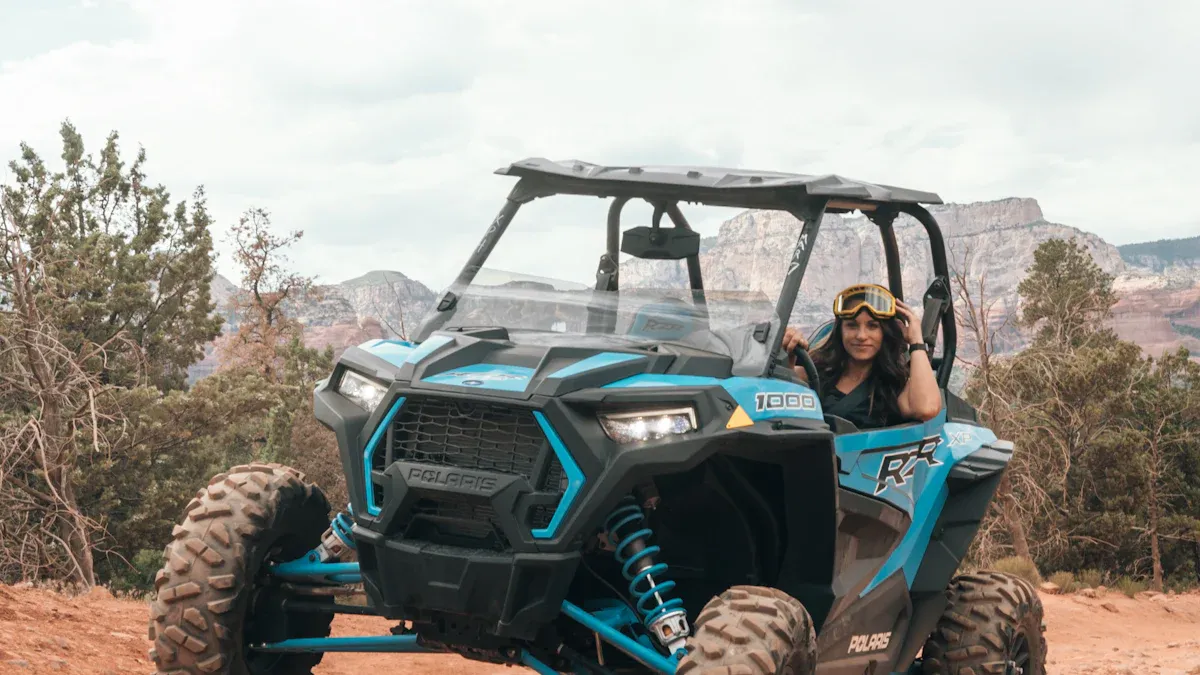
A UTV, also known as a side-by-side, is a small vehicle designed for two or more people to sit next to each other. The seats are arranged side by side, which makes communication easy during a ride.
People use a UTV for work, recreation, and exploring rough terrain. The vehicle has a steering wheel, pedals, and a roll cage for safety.
UTV vs ATV
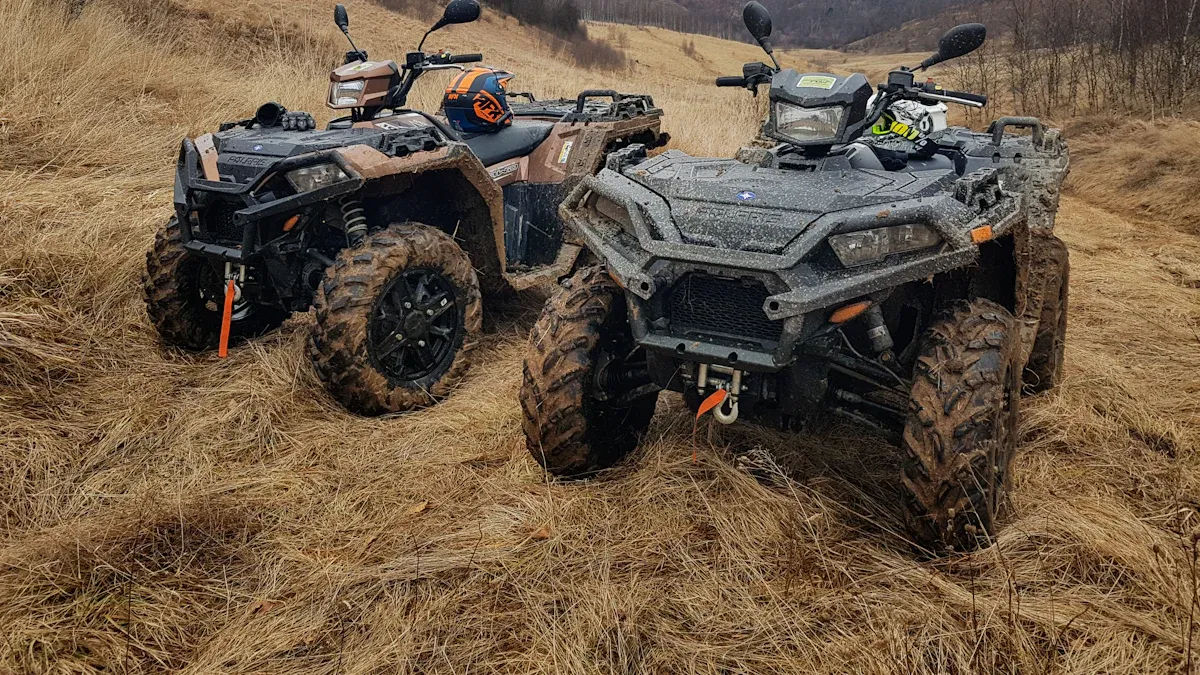
UTVs and ATVs share some similarities, but they have important differences. An ATV, or all-terrain vehicle, usually seats one person and uses handlebars for steering.
Riders sit on top of the ATV, much like a motorcycle. In contrast, a UTV allows multiple passengers and uses a steering wheel. The side-by-side design gives more stability and protection.
UTVs often carry heavier loads and travel longer distances. ATVs work well for quick trips and solo adventures, while UTVs suit group outings and jobs that need extra space.
| Feature | UTV (Side-by-Side) | ATV |
|---|---|---|
| Seating | 2+ (side by side) | 1 (sometimes 2) |
| Steering | Steering wheel | Handlebars |
| Safety | Roll cage, seatbelts | Minimal protection |
| Use | Work, recreation | Sport, solo rides |
Different Types Of UTVs
People encounter many types of utvs when searching for the right side-by-side. Each sxs offers unique features and benefits. Understanding the different types of utvs helps buyers match their needs to the best off-road vehicle.
Utility UTVs
Utility utvs serve as workhorses on farms, construction sites, and large properties. These side-by-side vehicles carry heavy loads and tow equipment.
Utility task vehicle models often include large cargo beds and strong engines. Four-wheel drive comes standard on many utility terrain vehicles, allowing them to handle rough ground.
Safety features such as roll cages and seatbelts protect drivers and passengers. Utility utvs excel at hauling tools, transporting supplies, and supporting daily tasks. People rely on these sxs for durability and reliability.
Sport UTVs
Sport utvs focus on speed, agility, and excitement. These sxs feature lightweight frames and powerful engines.
Drivers use sport utvs for racing, trail riding, and tackling challenging terrain. Suspension systems absorb bumps and jumps during off-road adventures.
Safety features like reinforced cages and harnesses keep riders secure. Sport utvs appeal to thrill-seekers who want high performance and quick handling. These side-by-side vehicles handle sharp turns and steep hills with ease.
Sport-Utility UTVs
Sport-utility utvs combine the best qualities of utility and sport models. These sxs offer versatility for both work and play. Sport-utility utvs include moderate cargo space and comfortable seating.
Drivers use them for light hauling, trail riding, and recreation. The side-by-side design supports group outings and family trips. Sport-utility utvs balance power, comfort, and flexibility. People choose these multipurpose off-highway utility vehicles for their ability to switch between tasks.
Recreational UTVs
Recreational off-highway vehicles provide comfort and fun for families and friends. These sxs feature spacious cabins and smooth rides. Recreation utvs suit camping, sightseeing, and exploring nature trails.
Many recreational models include extra seating and storage for gear. Safety features such as seatbelts and roll cages protect everyone inside. Recreational utvs offer a relaxed driving experience on off-road paths. People enjoy using these side-by-side vehicles for group adventures and leisure activities.
| Type | Main Use | Seating | Cargo Space | Terrain |
|---|---|---|---|---|
| Utility UTVs | Work, hauling | 2-6 | Large | Rough, muddy |
| Sport UTVs | Racing, trails | 2-4 | Small | Rocky, hilly |
| Sport-Utility UTVs | Work & play | 2-4 | Medium | Mixed |
| Recreational UTVs | Leisure, family | 2-6 | Medium | Easy, scenic |
| Youth UTVs | Learning, safety | 1-2 | Minimal | Flat, safe |
Youth UTVs
Youth utvs introduce young drivers to safe off-road experiences. These side-by-side vehicles feature smaller engines and limited speed. Safety features include seatbelts, roll cages, and speed governors. Parents use youth utvs to teach children about driving and responsibility.
Features Of Each UTV Type
Utility UTV Features
Utility utvs offer strong frames and large cargo beds. They support heavy loads and towing tasks. Most models include four-wheel drive for tough terrain.
The side-by-side seating allows workers to ride together. Safety features such as roll cages and seatbelts protect users. Simple controls make these utvs easy to operate. Many utility utvs have weather-resistant cabins for year-round use.
Sport UTV Features
Sport utvs focus on speed and agility. Lightweight frames help these vehicles move quickly.
Powerful engines deliver fast acceleration. Advanced suspension systems absorb shocks from jumps and bumps. The side-by-side design lets riders share the thrill.
Sport-Utility UTV Features
Sport-utility utvs blend work and play. These vehicles offer moderate cargo space and comfortable seating. Drivers use them for light hauling and trail riding.
The side-by-side layout supports group outings. Adjustable suspension adapts to different surfaces. Sport-utility utvs balance power and comfort. Many models include storage compartments for tools and gear.
| Feature | Utility UTV | Sport UTV | Sport-Utility UTV |
|---|---|---|---|
| Cargo Capacity | High | Low | Medium |
| Suspension | Basic | Advanced | Adjustable |
| Seating | 2-6 | 2-4 | 2-4 |
Recreational UTV Features
Recreational utvs provide comfort for families and friends. Spacious cabins allow for relaxed rides. The side-by-side seating fits multiple passengers.
Smooth suspension creates a gentle ride on trails. Extra storage holds camping gear and supplies. Safety features include seatbelts and roll cages. Recreational utvs suit sightseeing and group adventures.
Pros And Cons Of UTV Types
Utility UTV Pros & Cons
Pros:
- Handles heavy loads with ease
- Durable frame supports tough jobs
- Simple controls help new drivers
- Four-wheel drive tackles rough terrain
Cons:
- Moves slower than sport models
- Offers less comfort for long rides
- Limited suspension reduces ride smoothness
Utility utvs work best for people who need a reliable vehicle for daily tasks.
Sport UTV Pros & Cons
Pros:
- Fast acceleration creates excitement
- Lightweight design improves agility
- Advanced suspension absorbs bumps
- Suits racing and trail riding
Cons:
- Smaller cargo space limits hauling
- Less protection from weather
- Higher price for performance features
Sport utvs appeal to those who want speed and adventure on off-road trails.
Sport-Utility UTV Pros & Cons
| Pros | Cons |
|---|---|
| Versatile for work | Not as fast as sport utvs |
| Comfortable seating | Less cargo than utility |
| Balanced power | May cost more |
Sport-utility utvs give families and workers a flexible side-by-side option.
Recreational UTV Pros & Cons
Pros:
- Spacious cabins fit groups
- Smooth suspension for comfort
- Extra storage for gear
- Easy to drive on scenic paths
Cons:
- Lower towing capacity
- Not built for extreme terrain
- Larger size can limit maneuverability
Recreational utvs suit families who enjoy relaxed off-road outings.
Youth UTV Pros & Cons
Pros:
- Small engine keeps speed safe
- Simple controls teach driving basics
- Safety features protect young riders
Cons:
- Limited power restricts use
- Minimal cargo space
- Only fits one or two children
Parents should always supervise youth utv rides to ensure safety.
Side-By-Side Comparison Table
Choosing the right side-by-side depends on understanding how each type performs in different situations.
This helps buyers see which vehicle matches their needs for work, recreation, or learning.
| Type | Seating Capacity | Cargo Space | Suspension | Terrain Capability | Main Use | Safety Features | Speed Range |
|---|---|---|---|---|---|---|---|
| Utility UTV | 2-6 | Large | Basic | Rough, muddy | Hauling, work | Roll cage, seatbelts | Low to moderate |
| Sport UTV | 2-4 | Small | Advanced | Rocky, hilly | Racing, trails | Reinforced cage, harness | High |
| Sport-Utility UTV | 2-4 | Medium | Adjustable | Mixed | Work & play | Roll cage, seatbelts | Moderate |
| Recreational UTV | 2-6 | Medium | Smooth | Easy, scenic | Leisure, family | Roll cage, seatbelts | Low to moderate |
| Youth UTV | 1-2 | Minimal | Basic | Flat, safe | Learning, safety | Roll cage, seatbelts, speed governor | Low |
Key Points to Consider:
- Utility models suit heavy-duty tasks and off-road conditions.
- Sport models deliver excitement for trail riding and racing.
- Sport-utility vehicles offer flexibility for mixed activities.
- Recreational models create enjoyable group experiences.
- Youth models introduce safe driving for beginners.
A side-by-side can make outdoor adventures safer and more enjoyable. Buyers should review the table and match their needs to the features listed. This approach helps ensure the best choice for any off-road activity.
How To Choose The Right UTV
Assess Your Needs
People start by thinking about how they plan to use a side-by-side. Some need a vehicle for work, such as hauling supplies or towing equipment. Others want a machine for recreation, trail riding, or teaching children to drive.
Match UTV Type To Activities
Each utv type fits certain activities. Utility models work best for heavy-duty jobs and rough ground. Sport models suit racing and fast trail rides.
The table below shows which utv type matches common activities.
| Activity | Best UTV Type |
|---|---|
| Hauling | Utility |
| Racing | Sport |
| Mixed tasks | Sport-Utility |
| Family trips | Recreational |
| Learning | Youth |
Choosing the right utv means matching your main activities to the features of each type.
Tips For First-Time Buyers
First-time buyers benefit from practical advice. They should test drive different models to see which feels comfortable. Checking safety features, such as seatbelts and roll cages, helps protect everyone. Buyers need to look at engine size, seating capacity, and cargo space.
Conclusion
Choosing the right UTV depends on matching features to specific needs. Utility models handle tough jobs, while sport types offer speed and agility. Sport-utility vehicles balance work and play. Recreational models provide comfort for groups, and youth UTVs focus on safety for beginners.
- Assess activities and safety requirements.
- Test drive different models.
- Consult experts for advice.
Safety should always come first. A careful choice leads to better performance and enjoyment.