

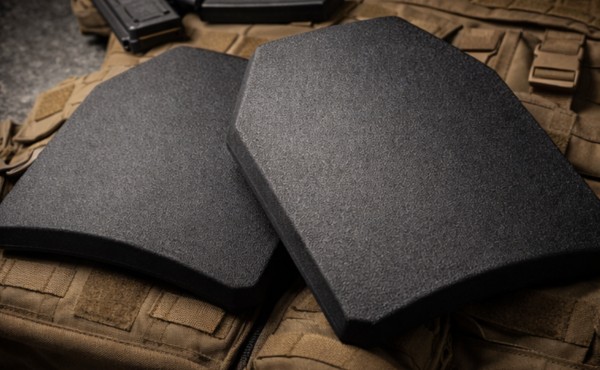
Shooter cut armor plates feature angled corners at the top, which help tactical operators move their arms more freely. The unique shape allows easier handling of firearms and improves comfort during active movement. Protection and mobility often compete in body armor design. You should think about how much coverage you need and how the plate fits your body.
The right plate shape can make a difference in both performance and safety.
Shooter Cut Armor Plates Overview
What Is Shooter Cut?
Shooter cut armor plates have a special design that helps users move their arms with less restriction. The top corners of these plates are angled. This shape allows for better arm movement, especially when using firearms. Shooter’s cut plates are popular among tactical users who need to shoulder a rifle quickly.
The main purpose of shooter cut is to give a balance between protection and mobility. These plates cover the vital organs in the chest while making it easier to perform active tasks. Many people choose shooter cut when they want to keep their upper body safe but do not want to feel limited by their gear.
Tip: Shooter’s cut plates are often used in situations where speed and flexibility matter most.
Shooter Cut vs. Other Body Armor Shapes
There are several common shapes for armor plates. Each shape offers a different mix of coverage and movement. The three main types are shooter cut, SAPI cut, and swimmer’s cut.
- Shooter Cut: This shape has angled top corners. It gives good protection and allows for easy arm movement.
- SAPI Cut: SAPI plates have more squared-off corners. They offer more coverage for the shoulders but can limit how far the arms can move.
- Swimmer’s Cut: Swimmer’s cut plates have even deeper angles at the top. They are the lightest and allow the most movement, but they cover less area.
| Plate Shape | Arm Mobility | Protection | Weight |
|---|---|---|---|
| Shooter Cut | High | Good | Medium |
| SAPI Cut | Medium | High | Heavy |
| Swimmer’s Cut | Very High | Lower | Light |
Choosing the right body armor plate depends on your needs. Shooter’s cut plates work well for those who want a mix of movement and protection. SAPI plates suit users who want more coverage. Swimmer’s cut is best for those who need the most mobility.
Shooter Cut Plate Pros
Better Arm Mobility
Shooter cut plate cut armor plates stand out for their ability to improve arm mobility. The angled corners at the top of each plate cut allow users to lift and move their arms with less restriction. This design is especially helpful for tactical operators who need to react quickly in dynamic situations.
When wearing these plates, users experience a greater range of motion, which can make a big difference during active movement or when reaching for gear. Enhanced mobility is a key benefit for anyone who values agility and quick response in the field.
Note: Increased arm mobility can help users maintain better control of their equipment during high-stress scenarios.
Easier Rifle Shouldering
One of the key benefits of the shooter cut plate cut is the ease of shouldering a rifle. The unique profile of these plates allows the buttstock of a firearm to fit snugly against the shoulder. This makes it easier to aim and fire accurately, which is critical for tactical performance.
Many users find that this plate cut reduces interference when transitioning between different shooting positions. The improved profile also helps maintain security and stability while handling weapons, which can boost confidence during operations.
Lighter Weight
Shooter cut armor plates often weigh less than other shapes with more coverage. The reduced material at the shoulders lowers the overall weight, making the plates easier to wear for long periods. Lighter weight means less fatigue during extended missions or training sessions.
This benefit is important for tactical users who need to stay alert and agile. A lighter plate cut can also help maintain a low profile, which is useful for moving through tight spaces or staying unnoticed.
- Benefits of lighter weight plates:
- Less strain on the body
- Improved agility and speed
- Easier to wear with other tactical gear
Good Balance of Protection
The shooter cut offers a good balance between protection and mobility. While these plates do not cover as much of the shoulder as some other shapes, they still shield the vital organs in the chest. This balance is one of the key benefits for users who want both security and freedom of movement. The plate cut provides enough coverage to maintain a high level of security without sacrificing agility. Many tactical operators choose this plate cut because it supports both protection and performance in demanding environments.
Tip: Consider your own needs for protection and agility when choosing a plate cut. The right balance can improve both safety and performance.
Shooter Cut Plate Cons
Reduced Shoulder Protection
Shooter cut armor plates offer greater mobility, but they reduce shoulder protection. The angled corners leave parts of the shoulder exposed. This design can make users more vulnerable to a threat from certain angles. Some tactical operators may notice that the plate does not shield the upper shoulder area as much as other shapes.
When facing a threat, reliable protection for the shoulders becomes important. Users who expect to encounter a threat from the side or above may need more coverage. The trade-off between mobility and protection is clear in this plate design.
Note: If you need reliable protection for your shoulders, consider how much coverage shooter cut plates provide.
Minor Gaps in Coverage
Shooter cut plates create minor gaps in coverage. The shape allows for easier movement, but it leaves small areas unprotected. These gaps can expose the body to a threat during active movement. Some users may worry about reliable protection for the chest and upper torso.
The plate covers vital organs, but it does not offer maximal coverage. Tactical operators who want to minimize risk should check how the plate fits their body. The gaps may not seem large, but they can matter when facing a threat.
- Common concerns about coverage gaps:
- Exposure to a threat from the sides
- Less reliable protection for the upper chest
- Reduced coverage during dynamic movement
Not Ideal for All Users
Shooter cut armor plates do not suit every user. Some people need maximal coverage for their activities. For example, those who work in high-threat environments may prefer plates with more coverage. The shooter cut design favors mobility, but it sacrifices some protection.
Users with larger body types or those who carry heavy gear may find the plate does not fit well. Reliable protection and coverage depend on the user’s needs and the threat level. It is important to assess your situation before choosing this plate shape.
Tip: Always match your armor plate to your expected threat and need for reliable protection.
Comparing Shooter Cut with Other Armor Plates
Shooter Cut vs. SAPI Cut
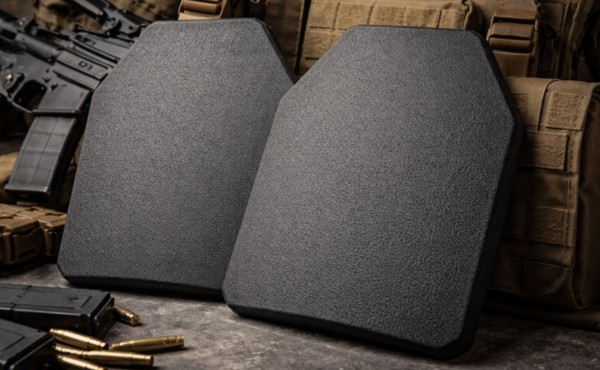
Shooter cut plates and SAPI plates serve different needs. Shooter cut plates have angled corners. This shape helps with arm movement and makes it easier to shoulder a rifle. SAPI plates have more squared corners. These plates give more coverage for the shoulders.
SAPI plates work well for chest protection in high-risk environments. Shooter cut plates offer better mobility. SAPI plates provide more coverage but can feel bulky. Many tactical users choose shooter cut plates for active movement. SAPI plates suit those who want extra protection.
Shooter Cut vs. Swimmer’s Cut
Swimmer’s cut plates focus on maximum mobility. These plates have deep angles at the top. Swimmer’s cut plates allow the arms to move freely. This design helps when swimming or moving quickly. Shooter cut plates balance movement and protection. Swimmer’s cut plates give less coverage than shooter cut plates. Swimmer’s cut plates weigh less than shooter cut plates.
Many users pick swimmer’s cut plates for water operations. Swimmer’s cut plates do not cover as much of the chest as shooter cut plates. Swimmer’s cut plates are not the best for chest protection against a ballistic threat. Swimmer’s cut plates work well for those who need speed. Swimmer’s cut plates may not suit users who want more coverage. Swimmer’s cut plates are lighter than hard armor plates with more coverage.
Fit, Coverage, and Comfort Differences
Fit and comfort matter when choosing ballistic plates. Shooter cut plates fit most body types and allow good movement. SAPI plates cover more of the chest and shoulders. Swimmer’s cut plates fit close to the body and feel light. Coverage changes with each plate.
Shooter cut plates protect vital organs. SAPI plates give more chest protection. Swimmer’s cut plates cover less area but help with fast movement. Comfort depends on weight and shape. Shooter cut plates offer a mix of comfort and safety. SAPI plates can feel heavy. Swimmer’s cut plates feel light and easy to wear for long periods.
| Plate Type | Fit | Coverage | Weight | Mobility |
|---|---|---|---|---|
| Shooter Cut | Good | Good | Medium | High |
| SAPI Cut | Snug | High | Heavy | Medium |
| Swimmer’s Cut | Very Snug | Lower | Light | Very High |
Tip: Try different plates to find the best fit for your needs.
Choosing the Right Body Armor Plate
Assessing Your Protection Needs
Every user must start by thinking about their own protection needs. Some people work in environments where threats are common. Others may need armor for training or recreational activities. The level of coverage required depends on the risk. If you expect to face high threats, plates with more coverage may be necessary. For lower-risk situations, plates that offer more mobility can be a better choice. Comfort also plays a role. Plates that fit well and do not restrict movement help users stay focused and alert.
Tip: Write down your main activities and expected risks before choosing a plate.
Mobility vs. Coverage
Mobility and coverage often compete in body armor design. Shooter cut plates give users more mobility. This makes them popular among tactical operators who need to move quickly. Plates with more coverage protect a larger area but can limit movement.
Users must decide which factor matters most. Some people value mobility for running, climbing, or handling equipment. Others want maximum coverage for peace of mind. Comfort should not be ignored. Plates that balance mobility and coverage often feel better during long wear.
| Factor | Shooter Cut | SAPI Cut | Swimmer’s Cut |
|---|---|---|---|
| Mobility | High | Medium | Very High |
| Coverage | Good | High | Lower |
| Comfort | Good | Medium | Very Good |
Plate Carrier Compatibility
Plate carrier compatibility is important. Not all carriers fit every plate shape. Before buying, check the size and shape of your carrier. Some carriers work best with shooter cut plates. Others may fit SAPI or swimmer’s cut plates better. Comfort depends on how well the plate sits in the carrier. Plates that shift or pinch can reduce mobility and coverage. Always try the plate and carrier together if possible. This helps ensure the best fit and protection.
Note: Plate and carrier compatibility affects both comfort and safety.
Key decision factors for selecting armor plates:
- Activity type and risk level
- Desired mobility and coverage
- Comfort during movement
- Plate carrier compatibility
Conclusion
Shooter cut armor plates offer a unique cut that helps users move with ease. The cut gives good protection but does not cover as much as other cuts. When choosing a cut, think about how the cut fits your body and your needs. Some cuts give more coverage, while the shooter cut gives more movement.
Try different cuts to see which cut works best. If you are unsure about the cut, ask an expert about the cut. The right cut can make a big difference. Always check the cut before you buy. The cut you pick should match your activity and comfort. Learn more about each cut to make a smart choice.