

Ballistic protection has a long history that stretches from ancient warriors to modern defenders. The need for safety led people to develop new materials and designs. Today, the bulletproof steel plate stands as a symbol of progress in armor technology.
Changes in threats and environments continue to shape the evolution of protective gear.
History of Ballistic Protection: From Ancient Armor to Steel
Early Armor: Leather, Bronze, and Chain Mail
The history of ballistic protection began with simple materials. Early warriors used leather to create basic armor. Leather offered some protection against cuts and blows. Bronze soon replaced leather as the main material for armour. Bronze armor gave better defense and lasted longer in battle. Chain mail appeared as a new form of body armor. Metal rings linked together formed a flexible mesh. Chain mail protected soldiers from slashing attacks and some piercing weapons.
Chain mail marked a major step in the history of ballistic protection. It allowed for greater movement while still offering strong protection.
Medieval Innovations: Plate Armor and Chain Mail
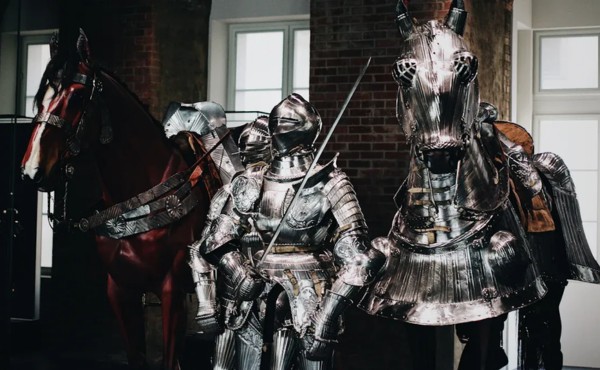
Medieval times saw new advances in armour. Plate armor became popular among knights. Large steel plates covered the body and gave improved protection against arrows and swords. Plate armor was heavier than chain mail but offered better defense. Chain mail did not disappear. Many soldiers wore chain mail under plate armor for extra body armor. This combination increased the level of protection and made armor more effective.
- Plate armor and chain mail shaped the history of ballistic protection.
- The use of steel marked a turning point in body armor design.
- Armour became stronger and more reliable as materials improved.
The transition from basic materials to steel changed the way people thought about protection. Steel armor set the stage for future advances in body armor. The history of ballistic protection shows how each innovation built on the last. Armour evolved to meet new threats and challenges. Today, the legacy of plate armor and chain mail lives on in modern body armor.
The Rise of Bulletproof Steel Plate in Warfare
First Military Uses of Steel Plate Armor
The history of body armour changed dramatically when steel plates entered the battlefield. Soldiers needed stronger protection against new weapons. Early steel plate armor appeared during the late medieval period. Armies began to use steel plates to shield soldiers from arrows and early firearms. The effectiveness of steel plate armor was clear. It could stop projectiles that would pierce earlier forms of armour.
Steel plates became a key part of body armor. Knights and infantry wore steel plates over their bodies. These plates covered the chest, back, and sometimes limbs. The rise of firearms forced armies to rethink their armor designs. The first bulletproof vests used steel plates to protect soldiers from gunfire. The history of body armour shows that steel plates offered better ballistic protection than previous materials.
Steel plate armor marked a turning point in the history of body armour. It provided a new level of defense against ballistic threats.
Early Manufacturing and Limitations
Manufacturing bulletproof steel plate armor was a challenge. Blacksmiths had to shape steel into plates that fit the body. The process required skill and time. Early steel plates were heavy and limited movement. Soldiers struggled with the weight of their armor. The effectiveness of body armor depended on the quality of the steel and the design of the plates.
Armies experimented with different thicknesses and shapes. Some steel plates could stop bullets, but others failed under strong ballistic threats. The history of body armour includes many attempts to improve protection. Early bulletproof steel plate armor was not perfect. It protected soldiers, but it also slowed them down. The need for better armor led to new ideas and innovations.
| Era | Material Used | Protection Level | Mobility |
|---|---|---|---|
| Medieval | Steel Plate | High | Low |
| Early Modern | Bulletproof Steel Plate | Improved | Moderate |
The effectiveness of bulletproof steel plate armor improved over time. Armies learned how to balance protection and mobility. The history of body armour shows that each advance built on earlier designs. Bulletproof steel plate armor became a foundation for modern body armor. Soldiers relied on steel plates for defense in battle. The evolution of armor continues as new threats emerge.
Note: Early bulletproof steel plate armor set the stage for future advances in body armor. The lessons learned from these early designs shaped the development of ballistic protection.
Modern Body Armor and Ballistic Protection Advances

Alloyed Steel and Hardened Plate Development
The development of alloyed steel changed the way armor protected people. Engineers mixed different metals to create stronger steel. This process made plates harder and more resistant to ballistic threats. Hardened steel plates could stop bullets that older armor could not. The use of alloyed steel marked a major innovation in body armor.
Modern body armor relies on these advancements. Alloyed steel plates are lighter and tougher than traditional steel. Soldiers and law enforcement officers benefit from improved protection. The evolution of steel-plated body armor shows how innovation drives progress. Recent technological developments have made armor more effective and comfortable.
Note: Alloyed steel and hardened plates represent important advancements in protective gear. These innovations help meet the demands of modern warfare and law enforcement.
Impact of World Wars on Ballistic Standards
The world wars changed the standards for ballistic armor. New weapons created greater risks for soldiers. Armies needed better protection against bullets and shrapnel. The wars pushed engineers to improve armor design and materials. Ballistic protection became a priority for military leaders.
During these conflicts, advancements in body armor accelerated. Engineers tested new alloys and plate shapes. They learned how to balance weight and protection. The wars also led to the creation of ballistic standards. These standards set rules for testing and rating armor. Modern body armor follows strict guidelines to ensure safety.
| War Era | Armor Material | Ballistic Standard Introduced | Protection Level |
|---|---|---|---|
| World War I | Steel Plate | Early Ballistic Testing | Moderate |
| World War II | Alloyed Steel | Improved Certification | High |
| Post-War | Hardened Plate | Modern Ballistic Standards | Advanced |
The impact of world wars on armor development is clear. Innovations in materials and testing shaped the future of ballistic armor. Soldiers received better protection because of these advancements.
Testing, Certification, and Plate Carriers
Testing and certification play a key role in the development of body armor. Engineers use special tests to measure how well armor stops bullets. Certification ensures that armor meets safety standards. These processes help protect users from ballistic threats.
Modern body armor includes plate carriers. Plate carriers hold steel or alloyed plates in place. They allow users to adjust their armor for comfort and mobility. Plate carriers represent another innovation in armor design. They make it easier to wear and use ballistic armor.
- Testing helps identify weaknesses in armor.
- Certification guarantees that armor meets quality standards.
- Plate carriers improve the usability of modern body armor.
Advancements in testing and certification have made armor safer and more reliable. Innovations in plate carriers support the needs of soldiers and law enforcement. The evolution of armor continues as new threats emerge.
Tip: Always check for certification when choosing body armor. Certified armor offers proven protection against ballistic threats.
Modern body armor reflects decades of innovation and advancements. The journey from alloyed steel to hardened plates, and from wartime standards to rigorous testing, shows how armor adapts to changing needs. Ballistic protection remains a vital part of safety for many people.
Beyond Steel: New Materials in Ballistic Protection
Ceramics, Composites, and Kevlar Integration
The search for better body armor led to the use of new materials. Ceramics became important because they can break up bullets on impact. This helps reduce the force that reaches the person wearing the armor. Composites combine different materials to make armor lighter and stronger. Many modern designs use layers of ceramics and composites together.
Kevlar changed the way people think about protection. This strong fiber can stop many types of ballistic threats. Kevlar is flexible and light, which makes it comfortable to wear. When used with ceramics or steel, kevlar adds another layer of defense. Body armor with kevlar can protect against both bullets and sharp objects.
Note: The use of ceramics, composites, and kevlar has made armor more effective and easier to wear.
Modern Applications in Law Enforcement and Civilian Body Armor
Today, body armor is not just for soldiers. Law enforcement officers use advanced armor to stay safe on the job. Many police vests have ceramic or composite plates inside. These plates help protect against gunfire and other dangers. Kevlar is also common in law enforcement gear because it is light and strong.
Civilians can buy body armor for personal protection. Some people wear armor for work, while others want extra safety at home. Modern armor for civilians often uses the same materials as military gear. This means better protection without too much weight.
| Material | Used In | Main Benefit |
|---|---|---|
| Ceramics | Police, Civilians | High protection |
| Composites | Law Enforcement, Public | Light weight |
| Kevlar | All types of armor | Flexibility |
Body armor continues to improve as new materials are developed. The goal is always the same: to give better protection while keeping armor light and comfortable.
The Future of Bulletproof Steel Plate and Armor
Innovations in Lightweight and Smart Materials
New technology is changing the way armour works. Engineers are creating lighter materials that still offer strong protection. These materials help reduce the weight of body armor. People can move more easily and stay comfortable for longer periods. Some advanced body armors use layers of steel, ceramics, and polymers. Each layer has a special job. Steel stops bullets. Ceramics break up projectiles. Polymers absorb energy.
Smart materials are also becoming popular. These materials can react to threats. For example, some armour can harden when hit by a bullet. Sensors can be added to tactical body armor. These sensors track impacts and send alerts. This helps users know when their armor needs repair or replacement.
Note: Lightweight and smart materials make armor more effective and easier to wear.
| Material Type | Main Feature | Benefit |
|---|---|---|
| Steel | High strength | Stops bullets |
| Ceramics | Shatters projectiles | Reduces impact |
| Polymers | Energy absorption | Adds comfort |
| Smart Tech | Sensors, hardening | Real-time alerts |
Balancing Protection, Weight, and Cost
Designers must balance protection, weight, and cost when making armour. Stronger armor often weighs more. Heavy armor can slow people down. Lightweight armor is easier to wear but may offer less protection. Cost is another factor. Advanced body armors use expensive materials. Not everyone can afford the best armor.
Many people choose armor based on their needs. Soldiers may need high protection. Civilians may want lighter body armor. Law enforcement often uses tactical body armor for daily work. The goal is to find the right balance. Good armor protects without being too heavy or costly.
- Choose armor that fits your activity.
- Check the level of protection before buying.
- Consider weight and price for comfort and value.
Ballistic threats keep changing. Armour must adapt to new dangers. The future will bring more options for body armor. People will have better protection and more choices.
Conclusion
The journey of armor began with simple materials and grew into remarkable advancements in body armour technology. Each era brought new ideas that improved durability and protection. Today, body armour systems use steel plates, ceramics, and smart materials to defend against modern threats. The legacy of armour inspires ongoing innovation. People rely on armor for safety in many situations. Future designs will continue to balance strength, comfort, and cost.
- Armor has evolved to meet changing needs.
- New materials and designs shape body armour systems.