

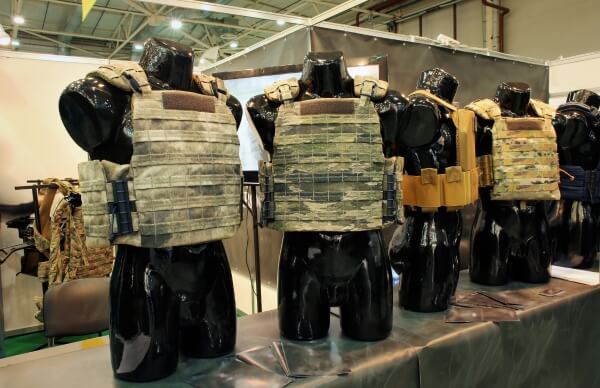
Steel vs Ceramic body armor presents a clear choice when considering safety in real combat. Most experts agree ceramic armor offers better protection against armor-piercing rounds and keeps weight lower for high mobility, while steel body armor gives solid multi-hit durability but can be heavy and less comfortable.
Safety depends on factors like weight, threat level, durability, and injury risks. The table below shows how each type compares in real-world applications.
| Safety Factor | Steel Armor | Ceramic Armor |
|---|---|---|
| Weight and Mobility | Heavier, less comfortable | Lighter, more comfortable |
| Durability and Longevity | Withstands multiple impacts | May need replacement after one hit |
| Threat Level | Good for lower-caliber threats | Superior against armor-piercing rounds |
| Level of Protection | Effective against standard rounds | Better against armor-piercing rounds |
Steel vs Ceramic: Real Combat Safety

Immediate Protection Levels
Steel vs ceramic body armor shows clear differences in how each type protects users in real combat. Steel body armor uses a tough metal plate that deforms when hit, but usually stays intact. This design allows steel to handle multiple impacts and keeps the plate working after several shots.
However, steel is heavy and can cause fragments, called spalling, which may injure the wearer or others nearby. Ceramic body armor works by shattering incoming projectiles and absorbing energy.
This process stops high-powered rounds and reduces the force that reaches the body. Ceramic plates are lighter, which helps with comfort and movement, but they may crack or break after one strong hit.
Note: The critical role in protection comes from how each material reacts to bullets. Steel absorbs and spreads energy, while ceramic destroys the bullet and absorbs shock.
Performance in Combat Scenarios
In real combat, steel vs ceramic body armor can mean the difference between survival and injury. Experts agree that ceramic armor is ideal for missions where agility and long wear are important.
The U.S. military often chooses ceramic plates for mobile operations because they are lighter and more comfortable. Steel body armor is preferred for static defense or situations where budget is a concern.
SWAT teams may use steel for close-range engagements because it can take multiple hits.
- Ceramic armor is effective against armor-piercing rounds and offers superior protection in high-threat scenarios.
- Steel plates provide multi-hit resistance and durability, making them versatile in different combat situations.
- Ceramic vs. steel shows that ceramic outperforms steel in stopping power against advanced rifle threats.
- Ceramic plates shatter and disperse energy to neutralize high-velocity threats.
- Steel plates absorb impact through deformation, spreading kinetic energy and preventing penetration.
Ballistic Protection: Ceramic vs. Steel
Stopping Power and Threat Levels
Ballistic protection is the main reason people choose body armor. Ceramic plates and steel armor both offer strong defense, but they work in different ways. Ceramic body armor uses ceramic plates with a surface hardness close to diamond. This makes them very effective at stopping high-velocity and armor-piercing rounds. For example, Level IV ceramic plates can stop a 30-06 M2 AP round, which is one of the most powerful small arms threats. Ceramic plates are also lighter, which helps with comfort and movement during long missions.
Steel armor is also effective against standard rifle rounds. It absorbs and spreads the energy of the bullet. However, steel may not provide enough protection against armor-piercing rounds. Ceramic plates are specifically designed to defeat these advanced threats. The table below shows how each type of armor performs:
| Armor Type | Effectiveness Against Standard Rifle Rounds | Effectiveness Against Armor-Piercing Rounds |
|---|---|---|
| Steel | Effective | May not provide adequate protection |
| Ceramic | Effective | Specifically designed to stop |
Vulnerabilities and Failure Modes
Ballistic protection depends on how armor handles repeated impacts and damage. Steel armor is durable and can withstand many hits. However, it suffers from spalling, where fragments break off and can injure the wearer.
Ceramic plates absorb and disperse force efficiently, which means less risk of spalling. Ceramic strike faces are fragile and can crack after a strong hit. This reduces their ability to provide protection against more rounds.
Some advanced armor uses materials that can rebound or recover from damage, but most ceramic plates need to be replaced after a serious impact. Ceramic strike faces offer excellent ballistic protection, but their lifespan is shorter than steel.
Note: Choosing the right armor means understanding the strengths and weaknesses of ceramic plates and steel. Ballistic protection is not just about stopping bullets, but also about how the armor holds up after being hit.
Multi-Hit Capability in Body Armor

Steel Body Armor: Durability Under Fire
Steel armor stands out for its ability to handle repeated impacts. Many users choose steel plates because they offer reliable multi-hit protection in tough situations. When a bullet strikes steel, the plate often deforms but does not break.
This means the armor can keep protecting the wearer after several hits. Recent test data shows steel plates can withstand up to seven shots from 5.56 M193 rounds without penetration. T
Ceramic Body Armor: Multi-Hit Performance
Ceramic armor offers strong protection against high-powered rounds, but its multi-hit performance is limited. Ceramic plates work by shattering and absorbing the energy of incoming bullets. This process stops the projectile but can damage the plate.
According to recent tests, ceramic plates rated at Level IV can stop three rounds of 5.56 M193, but the fourth round may penetrate. The table below highlights the difference in multi-hit capability:
| Armor Type | Penetration (5.56 M193) | Multi-Hit Capability |
|---|---|---|
| Ceramic Plate (Level IV) | 4th round penetration | Poor |
| Steel Plate (A2, Level III+) | 0 penetrations after 7 shots | Excellent |
Ceramic body armor is lighter and easier to wear, which helps with mobility. However, users must inspect ceramic plates after each impact. Cracks or chips can reduce protection and require immediate replacement. Ceramic armor is best for missions where weight and advanced threat protection matter more than multi-hit durability.
Note: Always inspect ceramic plates after use to ensure continued safety.
Weight and Mobility: Steel vs Ceramic
Impact on Movement and Fatigue
Weight plays a major role in how body armor affects movement and fatigue. Steel plates are much heavier than ceramic plates. The average steel plate for body armor weighs between 8 to 10 pounds, while ceramic plates usually weigh 5 to 7 pounds.
Ceramic armor offers a lightweight advantage. This lower weight means users experience less fatigue during long missions. Lighter armor allows for better protection and mobility, making it easier to move quickly and stay alert. Steel armor, on the other hand, can cause rapid fatigue.
The extra weight slows down movement and makes it harder to react in fast-changing situations. Steel plates are also rigid, which can restrict range of motion and cause discomfort over time.
- Ceramic armor is about 37% lighter than steel.
- Lighter weight means less physical exertion and higher agility.
- Steel plates can lead to rapid fatigue and reduced mobility.
Combat Effectiveness
The weight of body armor directly impacts combat effectiveness. Studies show that heavier armor increases the time needed to engage targets and complete tasks.
Wearing heavy steel armor can slow down response time and reduce operational efficiency. Loads that exceed 25% of body weight have a greater negative effect on performance. Ceramic armor, with its lower weight, helps maintain balance and speed.
This improves both protection and mobility, which are critical for mission success. Choosing armor with the right balance of durability and weight ensures the best combination of protection and combat readiness.
Tip: Always consider the trade-off between protection and mobility when selecting body armor for your needs.
Durability and Longevity
Steel Plate Wear Resistance
Steel plates are known for their outstanding durability in the field. These plates can handle rough treatment, drops, and even edge impacts without losing their protective qualities. Steel does not crack or break under normal use.
Most steel plates have a service life that can exceed 20 years if they are properly coated to prevent rust. This long lifespan makes steel a reliable choice for users who need armor that will last through many missions.
Steel plates show excellent resistance to wear and tear. They do not degrade from repeated impacts or harsh environments. Users can expect consistent performance from steel, even after years of use.
The high resistance to damage means that steel plates rarely need replacement unless they are exposed to severe corrosion. This makes steel a cost-effective option for long-term protection.
Tip: Always check steel plates for signs of rust, as this is the main threat to their longevity.
| Material | Durability | Wear Resistance | Shelf Life |
|---|---|---|---|
| Steel | High | Excellent | 20+ years |
| Ceramic | Moderate | Poor | 5-10 years |
Ceramic Plate Fragility
Ceramic materials are brittle because of their structure. They tend to fracture before bending, which means they can fail suddenly. Porosity and tiny imperfections in ceramic plates can act as weak points.
These flaws may lead to cracks or even breakage under stress. Sudden temperature changes or impacts can also cause ceramic to fail. Users must inspect ceramic plates regularly to ensure they still provide full protection.
- Ceramic plates are brittle and can crack easily.
- Steel plates withstand rough handling and edge hits.
- Ceramic armor does not offer the same multi-hit resistance as steel.
Note: Always store ceramic plates in padded cases and avoid dropping them to maintain their protective abilities.
Conclusion
Choosing the safest body armor depends on your mission and threat level. Ceramic plates offer lighter weight and better protection against armor-piercing rounds, while steel provides greater durability and multi-hit capability. Consider these factors:
- Assess your threat level and mobility needs.
- Ceramic improves comfort and movement, but steel lasts longer.
- Steel may cause fatigue and spalling; ceramic can crack after impact.
| Feature | Steel | Ceramic |
|---|---|---|
| Weight | Heavy | Light |
| Protection | Good | Superior |
| Durability | Excellent | Fragile |
Select armor that matches your priorities for safety, comfort, and budget.