

Engineers create bulletproof suits by transforming strong chemical fibers into protective fabric. They select advanced materials, weave them into tight layers, and test each piece for safety.
Bulletproof clothing uses lightweight fibers that spread the force of a bullet, making the suit both protective and comfortable to wear.
Materials for Bulletproof Suits
Bulletproof Fibers
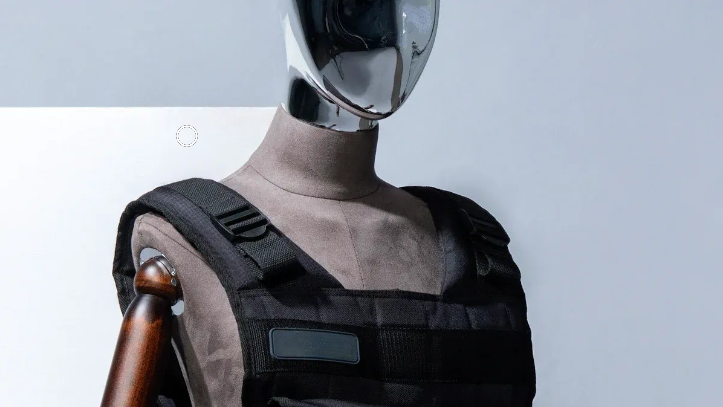
Bulletproof clothing relies on strong fibers to stop bullets. Engineers use common materials in bulletproof clothing like kevlar, aramid fibers, and other advanced textiles. Kevlar stands out because it has high strength and low weight.
It can absorb and spread the energy from a bullet. Dyneema and spectra also serve as important fibers. They have high strength and resist stretching. These fibers do not break easily, even under great force.
Ceramic and Metal Plates
Some types of bulletproof clothing use hard plates for extra safety. Ceramic plates can break up a bullet and slow it down. Metal plates, often made from steel or titanium, can stop bullets by blocking them.
Body armor with plates gives more protection than fiber-only clothing. However, plates can add weight and make movement harder.
Tip: People who need the highest level of safety, like security guards, often wear body armor with plates.
Composite Materials
Composite materials combine fibers and plates to create strong protection. Engineers layer fibers with ceramics or metals to make flexible yet tough bulletproof clothing.
This mix allows the suit to stop bullets and stay comfortable. Composite materials also help reduce the overall weight. They give users a balance between safety and comfort.
The types of bulletproof clothing depend on the threat level and the user’s needs. Some suits focus on being light and flexible, while others add more layers for higher protection. Each choice affects how the suit feels and how well it works.
Manufacturing Process
From Chemical Blend to Fabric
The journey of bulletproof suits begins with a liquid chemical blend. Engineers mix raw materials in large vats. These chemicals form the base for strong synthetic fibers. The mixture passes through spinnerets, which look like tiny showerheads.
The liquid turns into long, thin threads as it cools. Workers collect these threads and stretch them to increase their strength. The result is a tough fiber that can resist high impacts.
Note: The transformation from liquid to fiber is a key step in the manufacturing process. This step gives the fabric its unique ability to absorb and disperse energy.
Weaving and Layering Techniques
After creating the fibers, manufacturers weave them into fabric. They use special looms to make tight, dense patterns. The weaving process controls how the fabric handles force. Some patterns help the material stay flexible. Others make it stiffer for extra protection.
Manufacturers then layer the fabric. They stack several sheets on top of each other. Each layer adds strength and helps spread out the force from a bullet.
The number of layers depends on the level of protection needed. Some types of bulletproof clothing use more layers for higher threats. Others use fewer layers to keep the suit light and easy to wear.
- Key steps in this stage:
- Cut the woven fabric into precise shapes.
- Arrange the layers in a specific order.
- Bond or sew the layers together for maximum strength.
Suit Assembly and Integration
Once the fabric panels are ready, workers assemble the suit. They cut the panels to fit the shape of a jacket, vest, or other clothing item. Skilled tailors sew the panels together with strong thread. They pay close attention to seams and edges, making sure every part lines up for full coverage.
Some bulletproof suits include pockets for extra plates. Workers insert ceramic or metal plates where needed. They also add linings and outer fabrics to improve comfort and appearance.
The final step involves checking the fit and flexibility. The suit must allow easy movement while still offering protection.
Tip: The manufacturing process combines advanced science with skilled craftsmanship. This careful balance ensures that bulletproof suits protect users without sacrificing comfort or style.
Safety Testing and Standards
Certification and Ballistic Tests
Manufacturers test bulletproof clothing to make sure it meets strict safety standards. They use special labs to fire bullets at the fabric and plates. These tests show how well the suit can stop different types of bullets. Engineers check how the material reacts to high-speed impacts. They look for signs of tearing, denting, or penetration.
Testing does not stop with one type of bullet. Experts use several kinds of ammunition to see how the suit performs under different threats. They also test the suit at different angles and speeds.
This process helps them understand the limits of each material, such as kevlar, dyneema, and spectra. The results help guide material selection for new designs.
Note: Certification means the suit has passed all required tests. Only certified body armor can be sold for use by police, security, or private citizens.
Ensuring Consistent Protection
Quality control plays a big role in making bulletproof vests and other types of bulletproof clothing. Workers check each batch of fabric for flaws. They measure thickness, weight, and strength. If a piece does not meet the standard, they remove it from production.
Manufacturers also test finished suits. They use machines to bend, stretch, and compress the body armor. These tests make sure the suit stays strong after repeated use.
Some companies keep samples from each batch and test them again after months or years. This practice helps ensure long-term safety.
A table below shows common tests for body armor:
| Test Type | Purpose |
|---|---|
| Ballistic Impact | Checks bullet resistance |
| Flexibility | Measures comfort and movement |
| Durability | Tests long-term strength |
Engineers use these tests to improve the types of bulletproof clothing available. They want every suit to offer the same level of protection, no matter when or where someone wears it.
Structural Design
Layering and Distribution
Engineers design bulletproof suits with careful attention to how layers work together. Each layer serves a specific purpose in stopping bullets and reducing injury. The outermost layer often resists cuts and abrasions. The next layers absorb and spread the force from a bullet. The innermost layer adds comfort and protects the skin from blunt trauma.
A well-designed suit uses multiple layers of strong fibers. These layers overlap at key points, such as the chest and back, where threats are most likely.
Designers sometimes add extra padding in these areas. This approach helps the suit stop bullets more effectively.
Tip: Layering does not just add protection. It also helps keep the suit flexible and wearable for long periods.
Distribution of protective materials matters as much as the number of layers. Engineers place thicker panels where the body needs the most defense.
Thinner panels cover areas that need more movement, like the arms and sides. This balance allows the wearer to move freely while staying safe.
Here is a simple table showing how different suit areas use layers:
| Suit Area | Number of Layers | Purpose |
|---|---|---|
| Chest/Back | 8-12 | Maximum protection |
| Sides/Arms | 4-6 | Flexibility and safety |
| Shoulders | 6-8 | Added coverage |
When choosing the right bulletproof clothing, people should look at how the suit distributes layers. They should also think about the factors to consider when choosing bulletproof clothing, such as weight, flexibility, and the level of threat they may face.
Good structural design ensures the suit protects vital organs without making movement difficult.
Innovations and Customization
Advances in Materials and Design
Engineers continue to improve bulletproof clothing by using new materials and smarter designs of bulletproof suits. They have developed fibers that are lighter and stronger than ever before. Kevlar remains a top choice because it resists bullets and cuts. Dyneema also plays a key role in modern protection. It offers high strength with less weight, which helps users move easily.
Many designers now combine kevlar with dyneema to create flexible layers. These layers can stop bullets while allowing the suit to bend and stretch. Some suits use special coatings that resist water and fire.
These coatings help the suit last longer in tough conditions. New weaving methods also make the fabric tighter and more durable.
Note: Advances in bulletproof clothing help protect people without making the suits heavy or stiff.
Engineers test each new design to make sure it meets safety standards. They use computer models to predict how the suit will react to different threats. This process helps them find the best mix of materials for each situation.
Tailoring Bulletproof Suits
Customization has become important in bulletproof clothing. Tailors measure each person to make sure the suit fits well. A good fit means the suit covers vital areas without gaps. Kevlar panels are cut to match the shape of the body. Workers then sew these panels into jackets, pants, or even full suits.
Some users need extra protection in certain areas. Designers add more layers or thicker panels where needed. Dyneema can be placed in spots that need more flexibility, such as under the arms.
Bulletproof vests often use this approach to balance safety and comfort.
A table below shows common options for customizing bulletproof suits:
| Custom Feature | Purpose |
|---|---|
| Extra Panels | More protection |
| Flexible Inserts | Better movement |
| Breathable Linings | Increased comfort |
Tip: Custom bulletproof clothing helps users stay safe while looking professional.
Conclusion
Engineers use advanced materials and careful manufacturing to create bulletproof suits that protect people. Strict safety testing checks each suit for strength and comfort.
Each step, from fiber selection to final assembly, plays a key role in making bulletproof suits effective. Ongoing innovations help improve both safety and wearability. These improvements give users better protection and greater confidence.