

Project Description
Understanding H WIN Armor Material – Alumina Ceramic
Alumina ceramic is one of the most widely used ceramic materials in modern ballistic protection systems. In body armor and hard armor plates, alumina ceramic primarily functions as the ceramic strike face, where it disrupts and degrades incoming projectiles before the remaining energy is absorbed by a composite backing.
This material has been used in ballistic applications for decades due to its stable performance, mature manufacturing process, and balanced cost structure. While lighter ceramic materials exist, alumina ceramic remains a practical choice for many armor programs that require reliability, scalability, and controlled procurement cost.
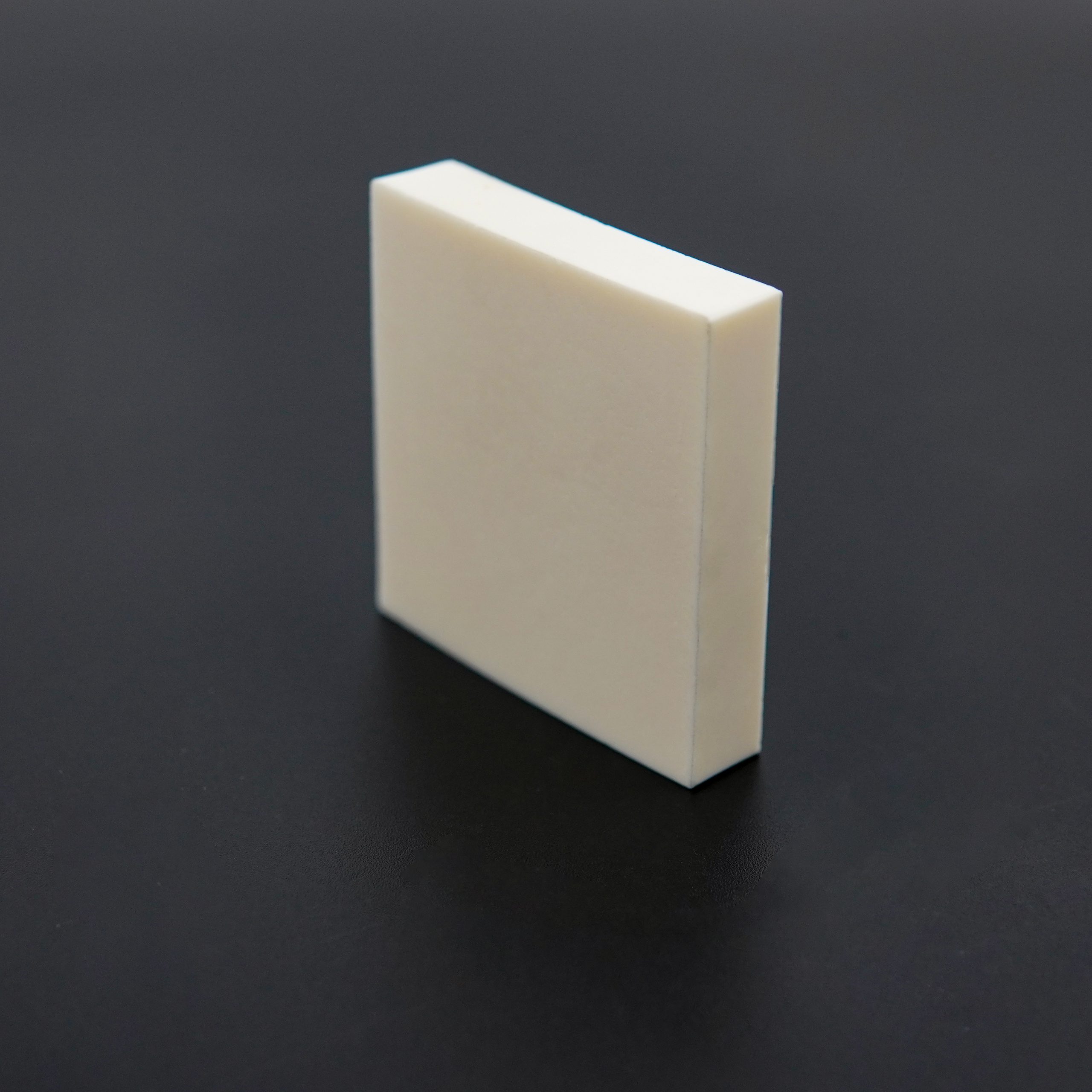
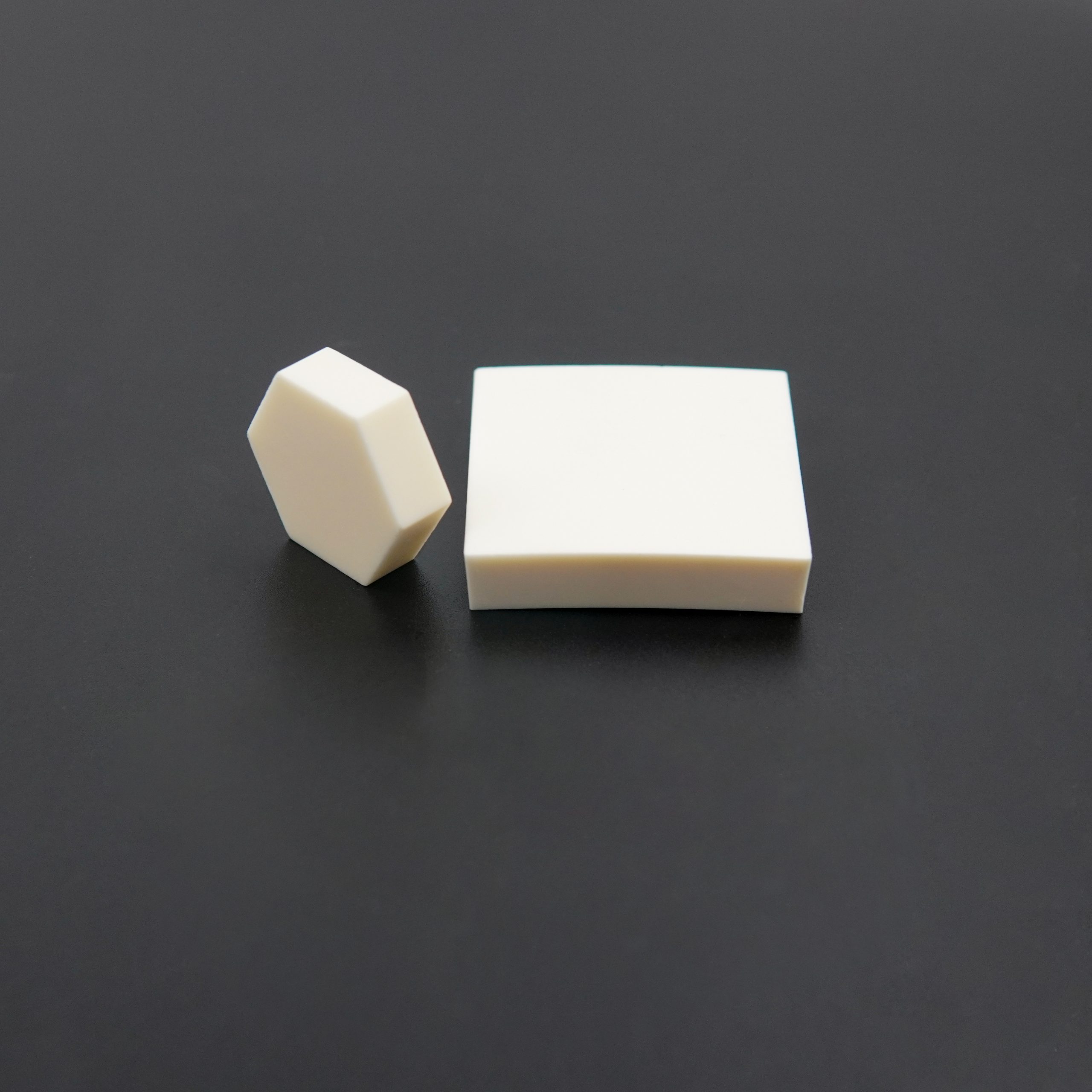
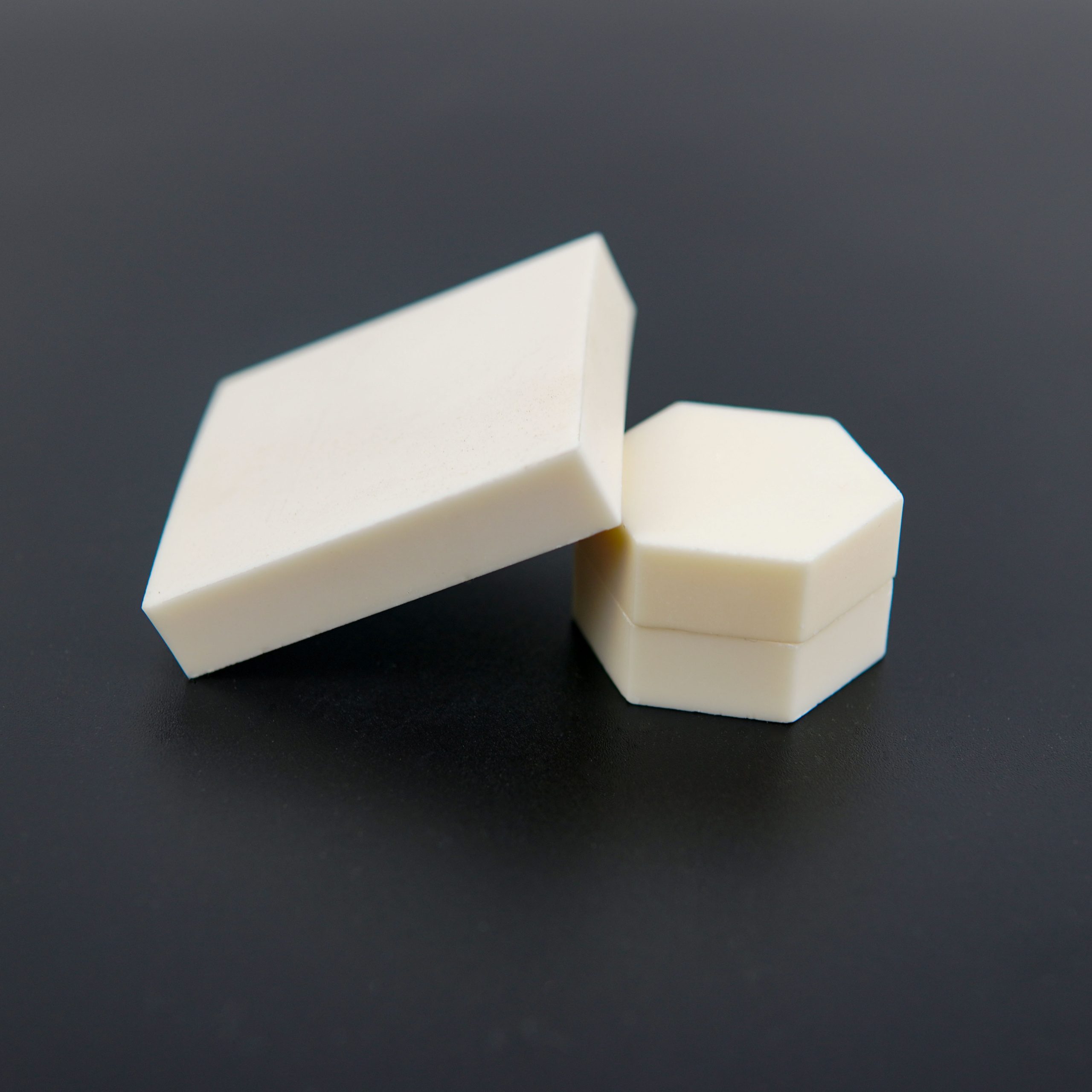
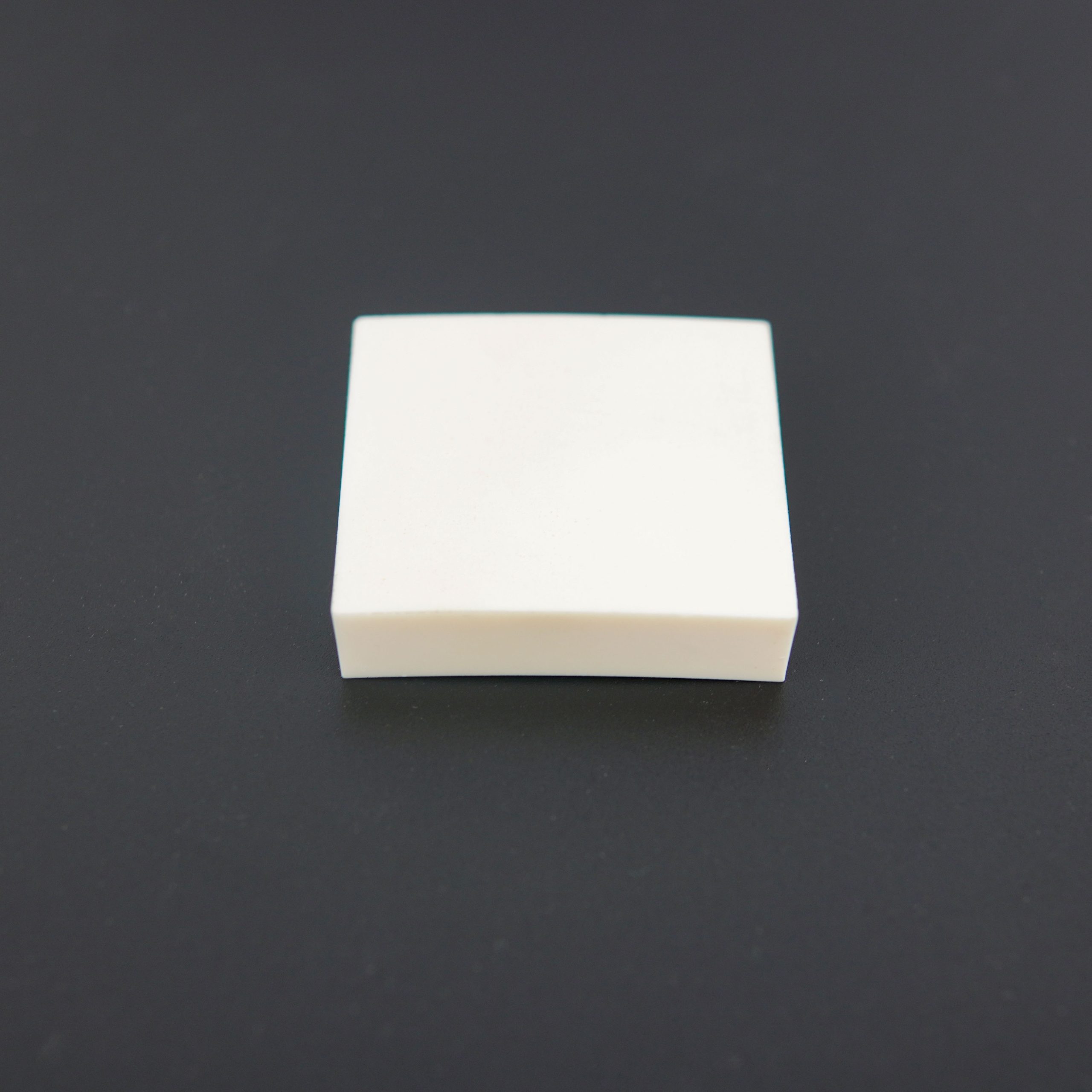
What Is Alumina Ceramic?
Alumina ceramic is a technical ceramic composed primarily of aluminum oxide (Al₂O₃). For ballistic protection, alumina ceramic is typically produced with a purity level ranging from 95% to over 99%, depending on the required hardness, strength, and cost considerations.
Higher alumina purity generally results in increased hardness and compressive strength, which improves projectile disruption. However, higher purity also increases material cost and may reduce fracture toughness. For this reason, armor designers select alumina grades based on the specific threat level, plate geometry, and backing system rather than purity alone.
Alumina ceramic armor components are manufactured through controlled powder processing, pressing, and high-temperature sintering. The resulting microstructure is dense and uniform, which is essential for consistent ballistic performance.
Ballistic Function of Alumina Ceramic in Armor Systems
Ceramic Strike Face Mechanism
In a ballistic event, alumina ceramic does not deform plastically like metal. Instead, it fractures upon impact. This fracture process consumes a significant portion of the projectile’s kinetic energy.
At the same time, the high hardness of alumina ceramic causes the projectile core to blunt, crack, or shatter. This effect is particularly effective against steel-core and standard armor-piercing rounds.
By damaging the projectile at the point of impact, alumina ceramic reduces its penetration capability before it reaches the backing layer.
Interaction with Composite Backing Materials
Alumina ceramic is always used as part of a composite armor system. Common backing materials include aramid fiber and UHMWPE.
The ceramic layer handles projectile disruption. The backing layer absorbs residual energy and captures fragments from both the ceramic and the projectile. The bonding quality between ceramic and backing has a direct influence on overall ballistic performance.
Key Material Properties of Alumina Ceramic
Hardness and Strength
Alumina ceramic offers very high hardness, typically exceeding 15 GPa depending on purity and processing parameters. Its compressive strength is also high, which allows it to resist localized impact forces during ballistic events.
These properties are essential for effective projectile erosion and energy dissipation.
Density and Weight Impact
With a density of approximately 3.8–3.9 g/cm³, alumina ceramic is heavier than silicon carbide and boron carbide. This results in heavier armor plates for the same protection level.
For personal body armor, weight is a key consideration. For vehicle armor and fixed protective systems, the weight penalty is often acceptable.
Thermal and Environmental Stability
Alumina ceramic is chemically inert and maintains stable mechanical properties across a wide temperature range. It is resistant to moisture, corrosion, and environmental degradation.
Advantages of Alumina Ceramic as an Armor Material
Cost and Supply Chain Stability
One of the main reasons alumina ceramic remains widely used is its favorable cost-to-performance ratio. Raw materials are widely available, and production processes are well established.
For armor programs that require volume consistency and predictable pricing, alumina ceramic offers clear advantages.
Proven Performance Record
Alumina ceramic has a long history of ballistic testing and field use. Its performance characteristics are well documented across multiple ballistic standards and threat levels.
This reduces development risk and simplifies system validation for armor manufacturers.
Design Flexibility
Alumina ceramic can be produced in different thicknesses, shapes, and formats. It is suitable for flat plates, curved plates, and modular armor designs.
This flexibility supports a wide range of armor system configurations.
Limitations and Engineering Trade-Offs
Weight Compared to Advanced Ceramics
The primary limitation of alumina ceramic is weight. Compared to silicon carbide or boron carbide, alumina-based armor systems are heavier.
This trade-off must be evaluated carefully for body-worn armor applications where mobility and endurance are critical.
Fracture Behavior and Multi-Hit Performance
Alumina ceramic has lower fracture toughness than some advanced ceramics. After impact, the damaged area can be larger, which may reduce multi-hit performance when impacts occur close together.
Tile-based ceramic layouts are commonly used to improve damage localization.
Thickness Requirements
To meet higher protection levels, alumina ceramic plates often require greater thickness. This can affect plate profile and system integration.
Alumina Ceramic Applications in H WIN Products
Within H WIN’s ballistic protection portfolio, alumina ceramic is primarily used in hard armor components where high hardness and controlled cost are required. Its application focuses on structural protection rather than flexible armor layers.
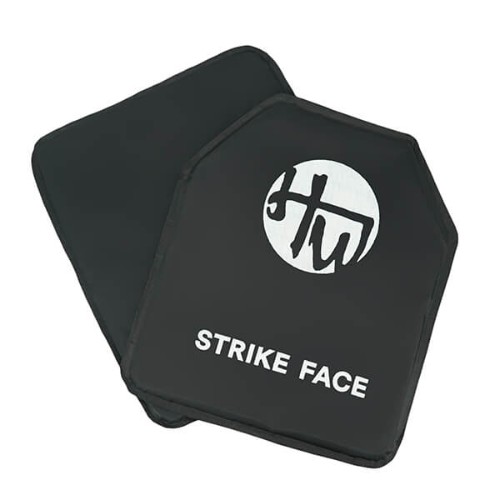
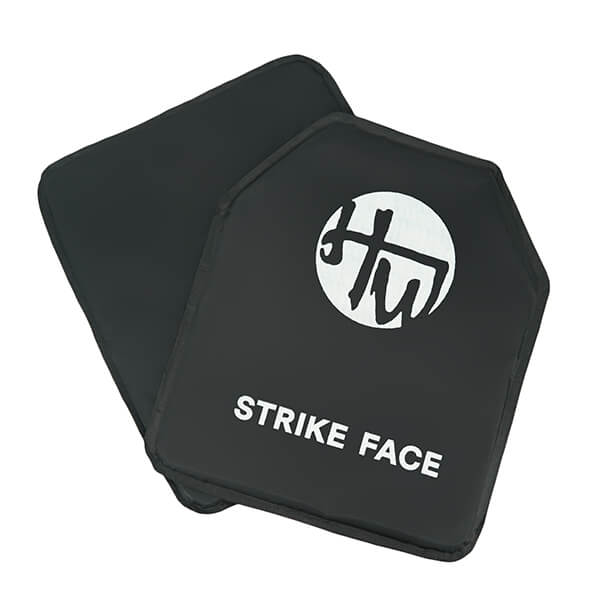
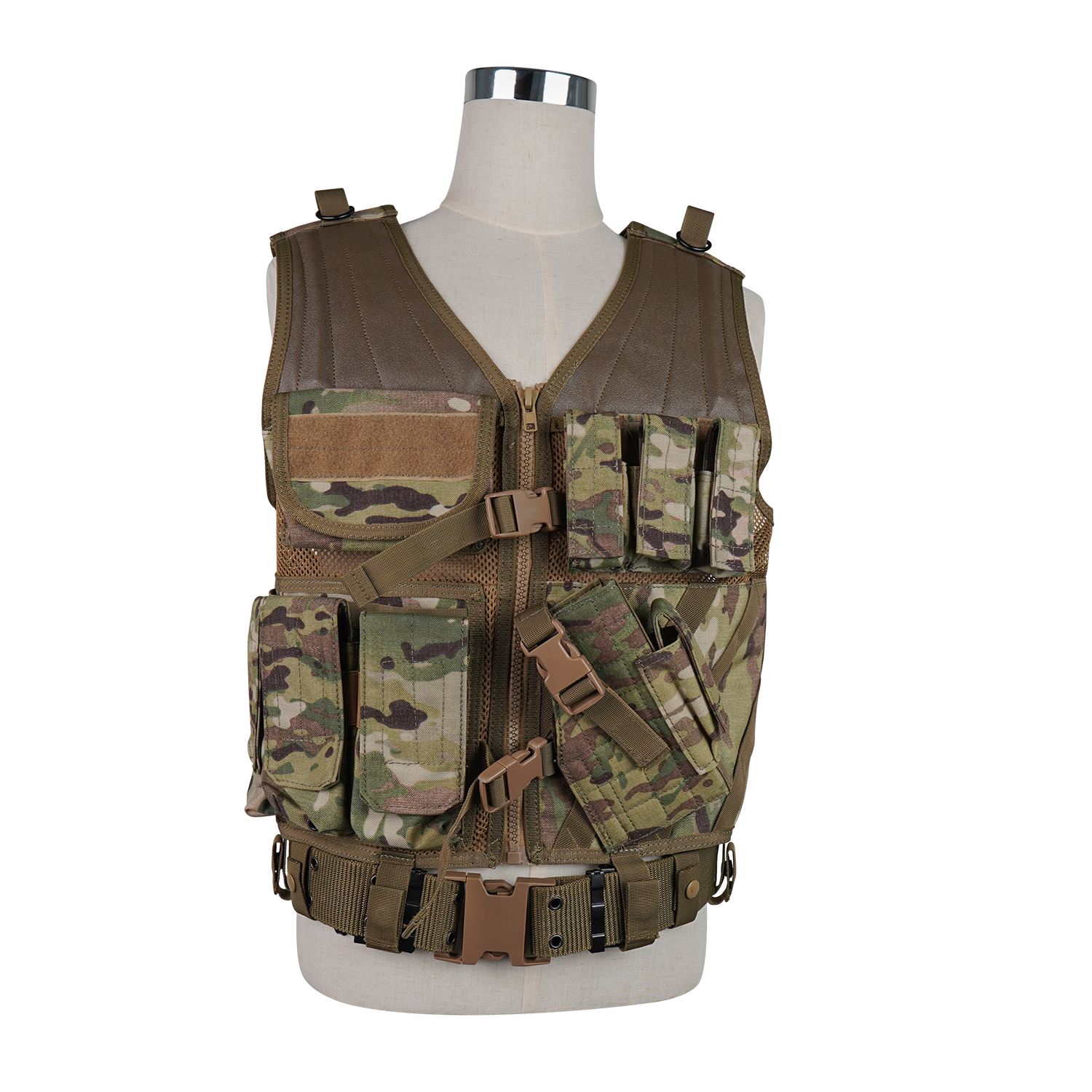
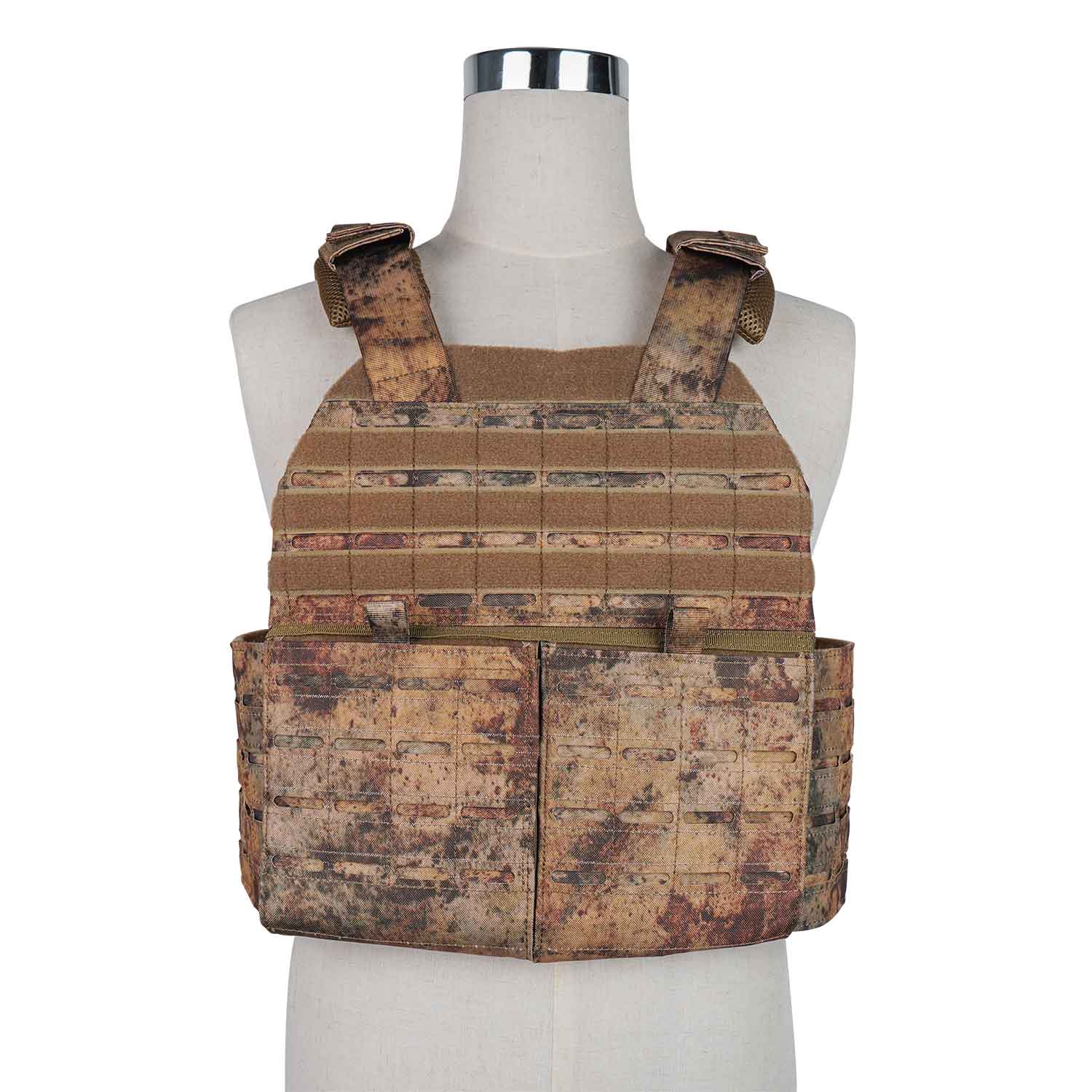
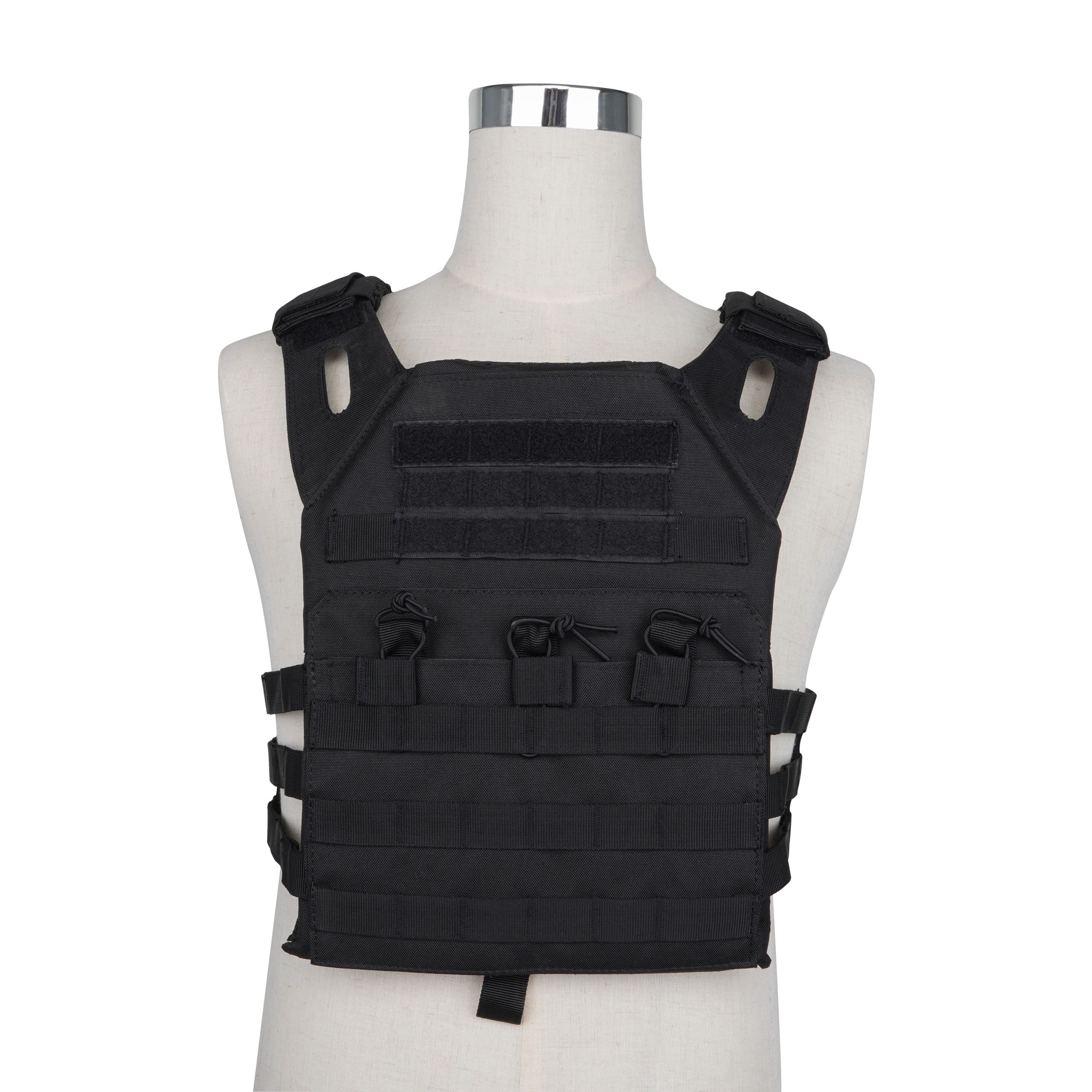
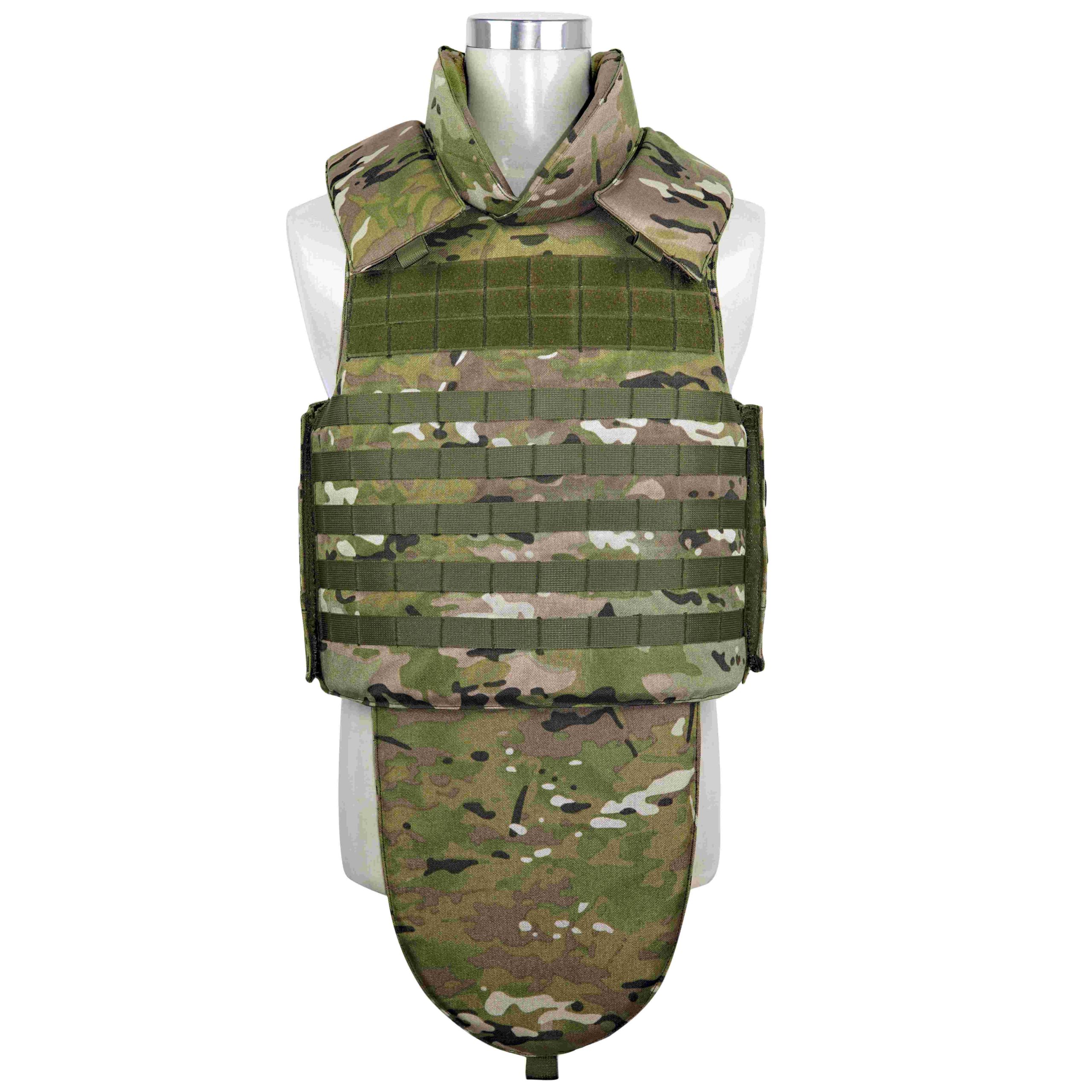
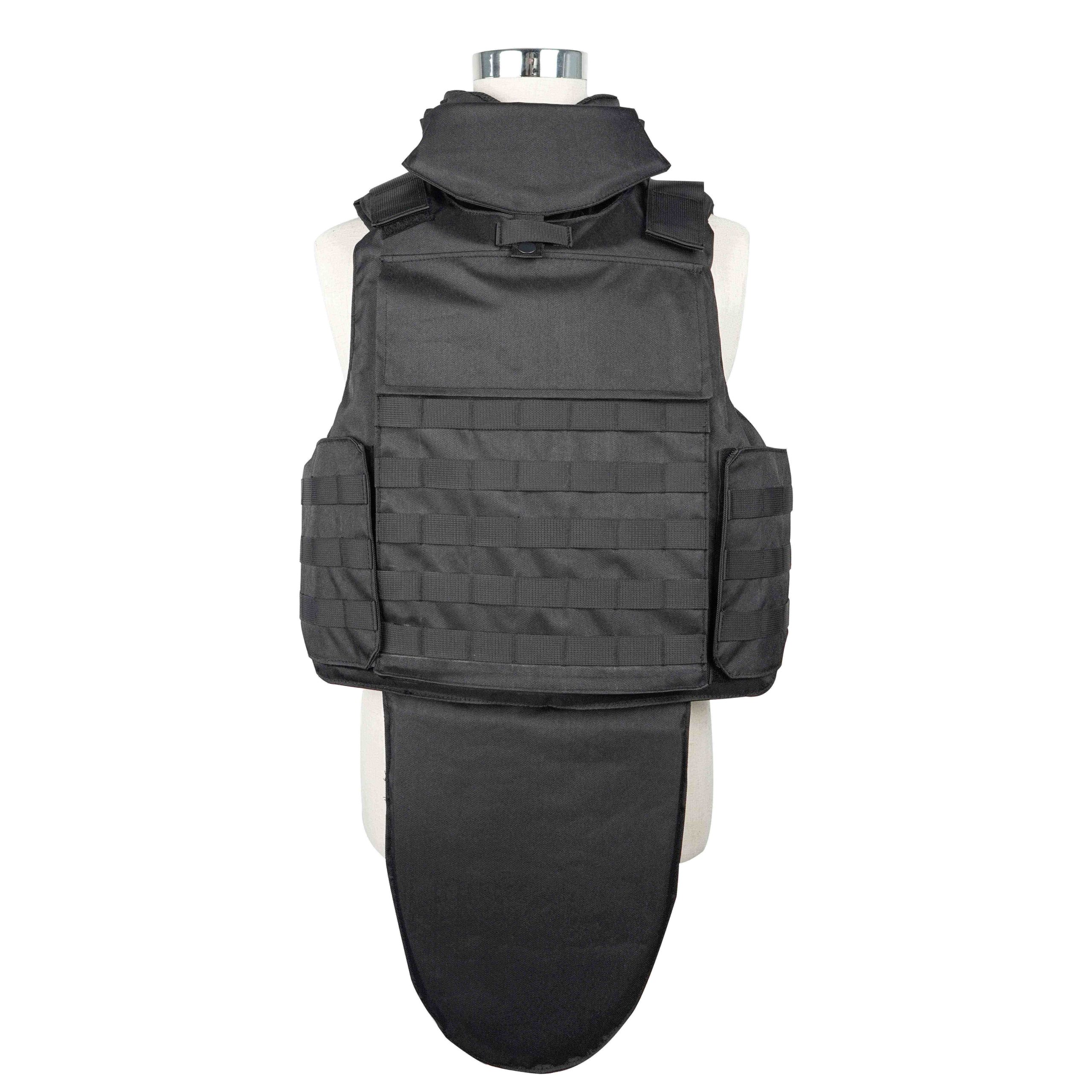
Alumina ceramic is most commonly applied in hard armor plates, where it functions as the ceramic strike face for Level III and Level IV protection, bonded with UHMWPE or aramid backers. These plates are typically integrated into tactical vest systems as removable hard armor inserts, providing rifle-level protection when required.
In addition, alumina ceramic is well suited for ballistic shields, where weight constraints are less critical and durability is prioritized. Its use in helmet systems is limited to specialized or reinforced designs, as full-shell application is restricted by weight and balance considerations.
Common Alumina Ceramic Armor Configurations
Monolithic Alumina Ceramic Plates
Monolithic plates consist of a single ceramic piece bonded to a composite backing. This configuration is simpler to manufacture and assemble.
It is commonly used in cost-sensitive armor solutions and vehicle armor panels.
Tiled Alumina Ceramic Systems
In tiled systems, multiple smaller ceramic tiles are bonded to the backing material. Each tile limits crack propagation and localizes damage.
This design improves multi-hit performance and is widely used in higher-threat armor systems.
Hybrid Ceramic Structures
Some armor systems combine alumina ceramic with other materials to balance weight, cost, and performance. These designs are often application-specific.
Alumina Ceramic Compared with Other Armor Ceramics
Alumina Ceramic vs. Silicon Carbide
Silicon carbide offers lower density and higher ballistic efficiency per unit weight. However, it is more expensive and more demanding to manufacture.
Alumina ceramic remains a practical choice where cost control and supply stability are priorities.
Alumina Ceramic vs. Boron Carbide
Boron carbide provides the lightest armor solutions but at significantly higher cost. It can also show performance degradation under certain high-velocity impacts.
Alumina ceramic is often preferred for large-scale deployment and mixed-use protection systems.
Manufacturing and Quality Considerations
Consistent ballistic performance depends on more than material selection alone. Key quality factors include:
- Ceramic density and porosity control
- Uniform grain structure
- Precise thickness tolerance
- Reliable ceramic-to-backing bonding
Related H WIN Bulletproof Products
Request a free quote for H WIN’s Ballistic Products today!
We provide OEM service and ready to meet your requests.