

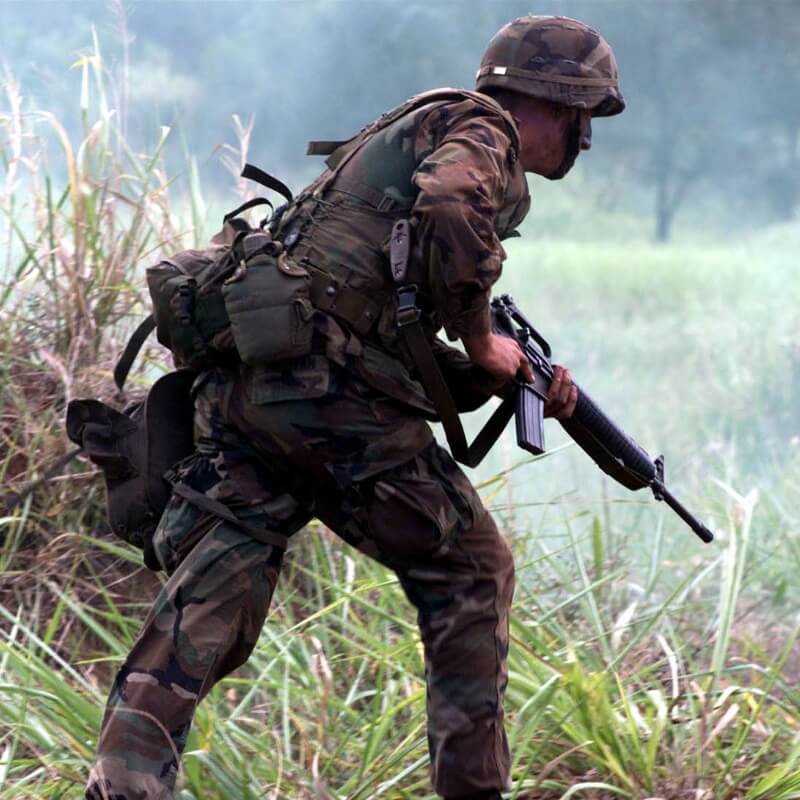
Safety stands as a top priority in every tactical operation. The improved outer tactical vest delivers unmatched protection for those in demanding environments. This vest uses advanced materials to shield users from threats. The improved outer tactical vest surrounds the torso, covering vital areas.
Improved Outer Tactical Vest Safety Features
Advanced Ballistic Protection
Tactical vests now offer advanced ballistic protection that surpasses older models. The improved outer tactical vest uses modern armor technology to stop bullets and shrapnel. Military teams trust these vests to shield them from high-velocity projectiles. The armor in these vests absorbs impact and reduces injury.
Many tactical vests use layered body armor to increase defense against threat levels found in combat zones. Plate carriers hold the armor in place and add extra layers of protection. These features help users face dangerous situations with confidence.
Tactical vests also provide options for different armor plates. Soldiers and law enforcement officers can choose the right body armor for each mission. This flexibility ensures that tactical vests meet the needs of various threat environments.
Full Coverage Design
Full coverage design sets the improved outer tactical vest apart from older tactical vests. The vest wraps around the torso and offers 360-degree torso protection. This design covers the chest, back, and sides, giving users comprehensive coverage. Body armor panels fit inside the vest to protect vital organs.
Military personnel benefit from this full coverage because it reduces exposed areas. Tactical vests with this design offer better defense against threats from all directions. The improved outer tactical vest also uses modular plate carriers, which allow users to adjust armor placement for maximum coverage.
This flexibility means tactical vests can adapt to different missions and threat levels.
Emergency Quick-Release System
The emergency quick-release system is a key feature in modern tactical vests. This system allows users to remove the vest quickly in dangerous situations. Military teams use this feature when they need to escape from water, fire, or medical emergencies.
The quick-release system helps save lives by making it easy to shed heavy armor in seconds.
Tactical vests with this system use simple pull-tabs or cords. When activated, the vest falls apart, freeing the user from the armor and plate carriers. This feature improves safety and ensures that body armor does not trap the wearer during emergencies. The improved outer tactical vest includes this system as a standard feature, showing how tactical vests have evolved to meet real-world needs.
Enhanced Comfort and Mobility in Tactical Vests
Optimized Weight Distribution
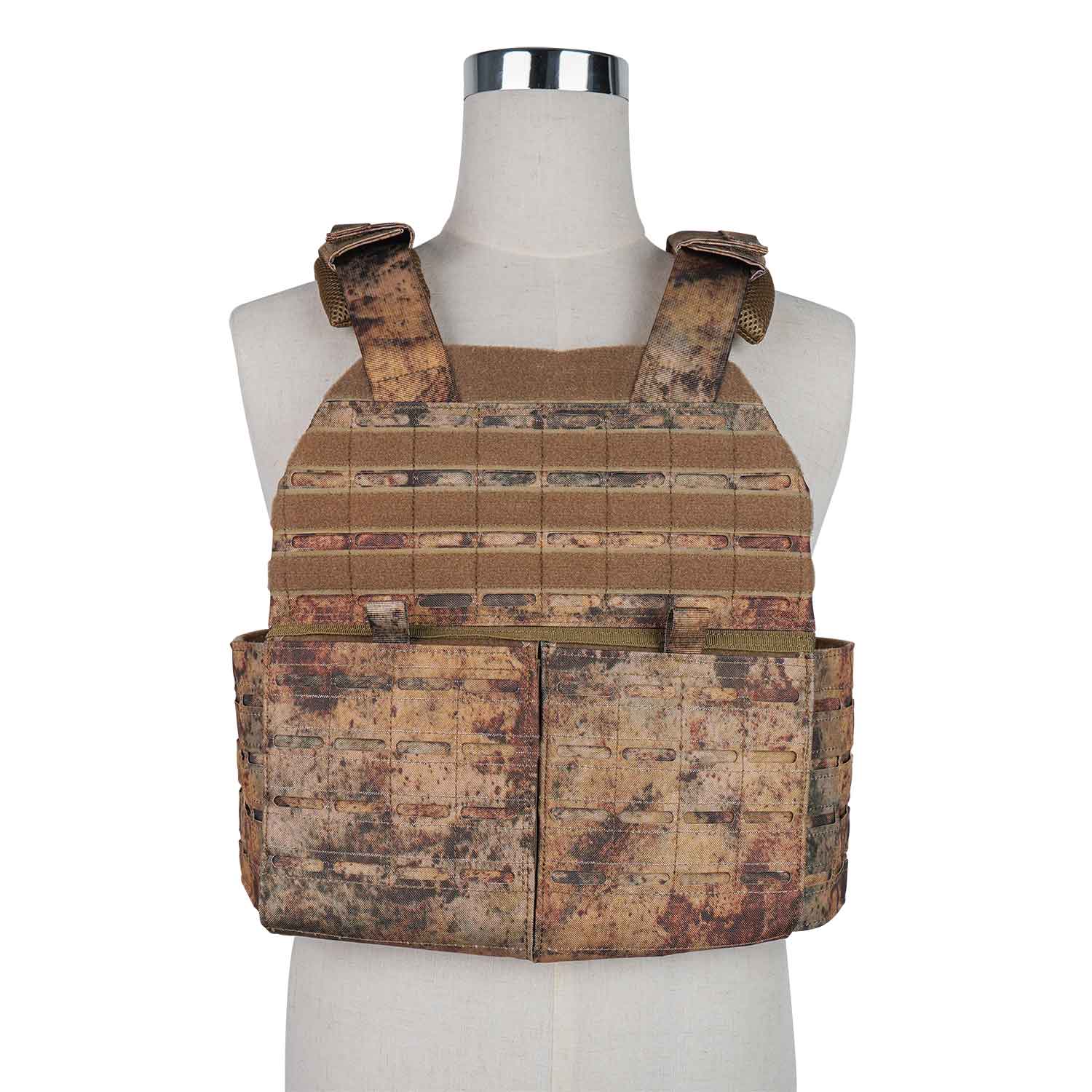
Tactical vests with optimized weight distribution help users move more freely. Designers place armor panels and gear pockets in balanced positions. This balance prevents strain on the shoulders and back. Soldiers and officers can carry equipment without feeling off-balance.
Good weight distribution supports better posture and reduces the risk of injury. Teams notice that improved mobility and comfort come from this thoughtful design.
Lightweight Construction for Reduced Fatigue
Modern tactical vests use lightweight materials. These materials lower the overall weight of the vest. Users experience less fatigue during long operations. Lightweight construction allows for quick movements and better agility. Teams can run, crouch, and change positions with ease. Less weight means users can wear the vest for longer periods without discomfort. This feature increases mobility and helps users stay alert in the field.
A comparison table shows the difference:
| Feature | Traditional Vest | Improved Vest |
|---|---|---|
| Weight | Heavy | Light |
| Fatigue Level | High | Low |
| Mobility | Limited | Enhanced |
Gear Accessibility and Customization
Modular Attachment Options
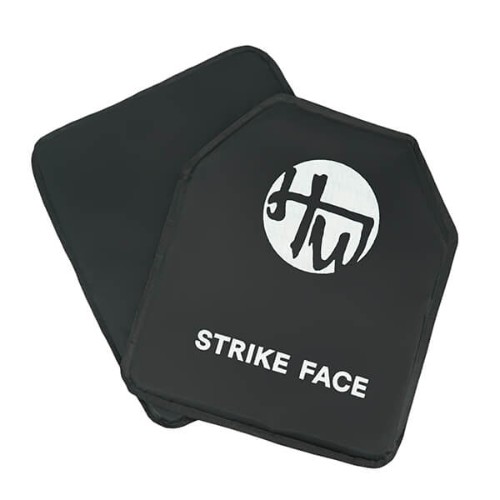
The improved outer tactical vest uses a modular system for gear attachment. This system allows users to add or remove pouches, holsters, and tools as needed. Soldiers and officers can set up their vests for each mission. The modular design uses webbing and attachment points across the vest. These features let users place gear in easy-to-reach spots.
- Users can attach:
- Magazine pouches
- Medical kits
- Communication devices
- Utility tools
This flexibility helps teams stay organized. Each person can carry the equipment that fits their role. The modular system also makes it easy to upgrade or change gear without buying a new vest.
Streamlined Load Management
Load management plays a key role in tactical operations. The improved outer tactical vest supports even weight distribution. This design prevents gear from shifting during movement. Balanced load management reduces fatigue and helps users move faster.
A table shows how streamlined load management improves performance:
| Feature | Benefit |
|---|---|
| Balanced pockets | Less muscle strain |
| Secure fasteners | Gear stays in place |
| Adjustable straps | Custom fit for each user |
Teams can adjust straps and pockets to fit their bodies. This adjustment keeps gear stable during running, crawling, or climbing. Streamlined load management also helps users avoid injury from uneven weight.
Durability and Long-Term Protection
High-Quality Materials
Tactical vests for high-risk environments must use high-quality materials. These materials provide strong protection and help the vest last longer. Designers choose fabrics that resist tearing and stretching. They also use advanced fibers that can handle rough treatment.
High-quality materials keep the vest lightweight while still offering safety. Soldiers and officers trust these materials to protect them in high-risk environments. Material and durability considerations play a big role in the design of modern tactical vests.
Resistance to Wear and Tear
Durability matters most in high-risk environments. Tactical vests face dirt, water, and sharp objects every day. The best vests use materials that resist cuts and scrapes. Strong stitching and reinforced seams add extra strength. These features stop the vest from falling apart during tough missions.
Teams notice that durable vests need fewer repairs and replacements. This saves time and money over the long term.
High-risk environments often include rain, heat, and mud. Tactical vests must work well in all these conditions. The right materials keep the vest strong even when wet or dirty. Some vests use coatings that block water and stains. Others use mesh panels for better airflow in hot weather. These features help users stay safe and comfortable in any climate.
Choosing the Right Tactical Vest for Safety
Comparing Safety and Protection Features
Selecting the right tactical vest starts with a close look at safety and protection features. Teams should compare the level of ballistic protection, coverage area, and emergency systems. Some vests offer full-body coverage, while others protect only the chest and back.
The presence of an emergency quick-release system can make a big difference during mission-critical use. A table can help teams compare important features:
| Feature | Basic Vest | Improved Vest |
|---|---|---|
| Ballistic Protection | Standard | Advanced |
| Coverage Area | Partial | Full |
| Quick-Release System | Not Included | Included |
| Modular Attachments | Limited | Multiple Options |
Teams should also check the durability of materials and the vest’s ability to resist wear and tear. These factors help ensure the vest stands up to repeated use in tough conditions. Comparing these points helps users find the best mission-critical gear for their needs.
Practical Selection Tips
Choosing the best vest means thinking about personal protection needs and the type of missions ahead. Users should try on different vests to check for comfort and fit. Adjustable straps and padding can improve comfort during long hours.
Teams should also consider how much gear they need to carry. Modular attachment options allow users to add or remove pouches based on each mission.
Tip: Make a checklist of must-have features before shopping for mission-critical gear.
Users should ask these questions:
- Does the vest provide enough coverage for the mission?
- Is the vest easy to remove in an emergency?
- Can the vest hold all required equipment?
A good vest matches the user’s role and environment. Teams who focus on both safety and comfort will find the best gear for mission success.
Conclusion
The improved outer tactical vest offers advanced ballistic protection, full coverage, and quick-release systems. These features help users stay safe and perform well in tactical situations.
- Check for full coverage and emergency release before choosing a vest.
- Test for comfort and fit during selection.
Tip: Always balance safety with comfort when picking tactical gear. The right vest supports both protection and long-term wear.