

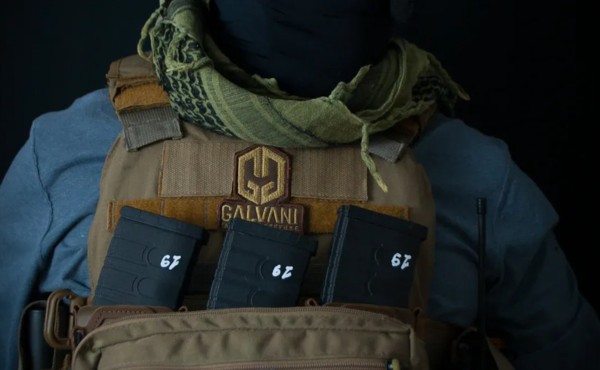
A bulletproof vest uses layers of strong fibers to stop handgun bullets. A plate carrier holds hard armor plates that protect against rifle rounds. This difference shapes how each armor works in real life. People need to know these facts when they choose between bulletproof vests and plate carriers for safety. The right choice can mean better protection and comfort in dangerous situations.
Bulletproof vest vs plate carrier: Main Differences
What is a bulletproof vest?
A bulletproof vest is a type of body armor made from layers of strong fibers. These fibers can catch and slow down bullets from handguns. Most bulletproof vests use materials like Kevlar or similar fabrics. People often wear these vests under their clothes because they are thin and flexible. The main goal is to protect the chest and back from handgun threats. Bulletproof vests are common for police officers, security guards, and some civilians who need protection in daily life.
Note: Bulletproof vests are not designed to stop rifle bullets or sharp objects like knives.
What is a plate carrier?
A plate carrier is a vest that holds hard armor plates. These plates are usually made from ceramic, steel, or polyethylene. Plate carriers are built to stop rifle rounds and other high-powered threats. The carrier itself is like a shell with pockets for the plates. Users can add or remove plates based on the level of protection needed. Plate carriers are often worn over clothing and can be bulky. They are popular with military personnel and tactical teams who face greater dangers.
Plate carriers can also carry extra gear, such as magazines, radios, and medical kits.
Key comparison points
The bulletproof vest vs plate carrier debate centers on several important differences. The table below highlights the main features of each type:
| Feature | Bulletproof Vest | Plate Carrier |
|---|---|---|
| Protection | Handgun rounds | Rifle and handgun rounds |
| Material | Soft armor (fibers) | Hard plates (ceramic/steel) |
| Concealment | Easy to hide under clothes | Worn over clothes, visible |
| Weight | Lightweight | Heavier with plates |
| Coverage | Torso (front and back) | Torso, sometimes sides |
| Modularity | Fixed design | Highly customizable |
| Adjustability | Limited | Adjustable straps/pouches |
- Bulletproof vests offer comfort and easy concealment for everyday use.
- Plate carriers provide higher protection and can be set up for different missions.
- The choice depends on the threat level, need for mobility, and how much gear the user wants to carry.
Understanding these main differences helps readers decide which armor fits their needs. The next sections will compare protection levels, comfort, and other factors in detail.
Protection Levels Compared
Handgun vs rifle threats
Bulletproof vests and plate carriers offer different levels of protection. Bulletproof vests focus on stopping handgun bullets. These vests use soft armor to absorb the energy from common handgun rounds. This type of protection works well for everyday risks in many jobs. Plate carriers, on the other hand, use hard plates to block rifle bullets. Rifle rounds travel faster and hit harder than handgun bullets. Plate carriers give more protection against these high-powered threats. People who expect rifle threats need this extra layer of protection.
NIJ ratings overview
The National Institute of Justice (NIJ) sets standards for body armor protection. These ratings help people choose the right level of protection. The main levels include:
- Level II: Stops most handgun rounds. Used in many bulletproof vests.
- Level IIIA: Stops stronger handgun rounds. Offers more protection for daily use.
- Level III: Stops rifle rounds. Found in most plate carriers.
- Level IV: Stops armor-piercing rifle rounds. Gives the highest protection.
Tip: Always check the NIJ rating before buying armor. The rating shows what kind of protection you can expect.
Real-world scenarios
Choosing the right protection depends on the situation. A security guard in a city may only face handgun threats. A bulletproof vest gives enough protection and stays comfortable for long shifts. A soldier or tactical officer may face rifles and other high-powered weapons. In these cases, a plate carrier offers the protection needed for survival. Some people use both types for layered protection. The right choice means matching the protection to the threat. This helps keep the wearer safe and ready for any danger.
Weight, Comfort, and Concealment
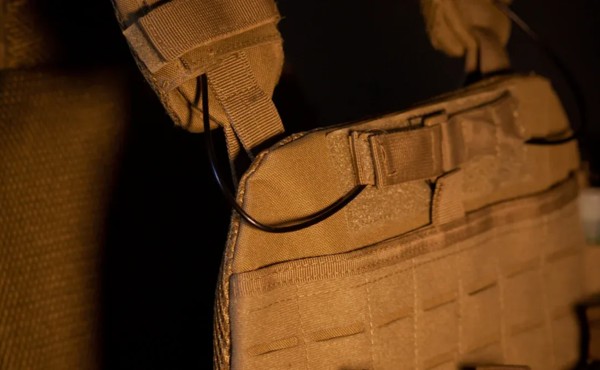
Bulletproof vest for everyday use
A bulletproof vest offers a lightweight solution for daily protection. Many people choose bulletproof vests because they are easy to wear for long hours. The design of a bulletproof vest allows it to fit under regular clothing. This makes bulletproof vests a good choice for those who want to stay protected without drawing attention. The soft materials in a bulletproof vest help keep the wearer comfortable, even during extended shifts. Bulletproof vests do not restrict movement, so users can perform daily tasks with ease. Security guards, store owners, and some civilians rely on a bulletproof vest for peace of mind. Bulletproof vests also allow for quick removal if needed. The comfort and low weight of a bulletproof vest make it ideal for situations where mobility and discretion matter.
Plate carriers and mobility
Plate carriers provide higher protection, but they add weight. The hard plates inside a plate carrier make it heavier than a bulletproof vest. This extra weight can slow down movement and cause fatigue over time. Plate carriers are not as comfortable as bulletproof vests for long wear. The bulk of a plate carrier may limit flexibility, especially in tight spaces. Some users find that a plate carrier can cause heat buildup during physical activity. While a plate carrier offers more protection, it is not always the best choice for daily use. People who need to move quickly or stay active often prefer a bulletproof vest. Bulletproof vests allow for better mobility and less strain on the body.
Overt vs covert wear
Bulletproof vests are designed for covert use. Most bulletproof vests fit under shirts or jackets, so others may not notice them. This helps the wearer blend in and avoid unwanted attention. Plate carriers are usually worn over clothing, making them easy to spot. The visible design of a plate carrier signals that the wearer is prepared for serious threats. In some cases, the choice between a bulletproof vest and a plate carrier depends on the need for concealment. Bulletproof vests work well for undercover work or situations where staying unnoticed is important. Plate carriers suit roles where visible protection is needed, such as in tactical teams or military units.
Tip: Consider your daily routine and environment when choosing between a bulletproof vest and a plate carrier. Comfort, weight, and concealment can affect your safety and performance.
Fit, Coverage, and Adjustability
Coverage areas of bulletproof vests
A bulletproof vest provides specific coverage for the most vital parts of the body. Most bulletproof vests focus on the chest and back. This coverage protects the heart, lungs, and other organs from handgun threats. The sides of the body may have less coverage, depending on the design. Some bulletproof vests include extra panels for more coverage, but most keep the fit slim for comfort. The coverage of a bulletproof vest does not usually extend to the neck or lower torso. People choose bulletproof vests for their balance of coverage and mobility. The coverage area is enough for daily risks, but users should know the limits of bulletproof vests.
Note: Always check the coverage map before buying a bulletproof vest. Proper coverage can make a big difference in safety.
Plate carriers and body types
Plate carriers offer adjustable coverage for different body types. The main coverage comes from the hard plates in the front and back. Some plate carriers allow users to add side plates for more coverage. The adjustability of a plate carrier helps it fit many shapes and sizes. Straps and buckles let users change the fit and coverage as needed. Unlike a bulletproof vest, a plate carrier can provide coverage for the sides and sometimes the shoulders. This extra coverage is important for high-risk jobs. Plate carriers give users the option to increase coverage, but this can add weight. People should try on different plate carriers to find the best coverage for their body.
Comfort for long wear
Comfort matters when wearing a bulletproof vest for long hours. Bulletproof vests use soft materials that shape to the body. This design gives good coverage without feeling bulky. Many people wear bulletproof vests under clothing for full shifts. The coverage stays in place, and the vest does not rub or pinch. Plate carriers, with their extra coverage, can feel heavier and less flexible. The added coverage from plates may cause heat and limit movement. For long wear, a bulletproof vest offers better comfort and enough coverage for most daily needs. People who need more coverage should balance protection with comfort.
- Bulletproof vests: Lightweight, flexible, good coverage for daily use.
- Plate carriers: Adjustable, more coverage, but heavier.
Choosing the right coverage means thinking about fit, comfort, and the level of protection needed.
Suitability for Different Threats
Civilian needs
Civilians often look for protection that is easy to wear and does not draw attention. A bulletproof vest fits this need well. It is lightweight and can be worn under regular clothes. This makes it a good choice for store owners, delivery drivers, or anyone who wants extra safety in daily life. Most civilians face handgun threats, not rifles. A bulletproof vest offers enough protection for these situations.
Tip: Civilians should check local laws before buying any type of body armor.
Law enforcement use
Police officers and security teams need armor that balances protection and comfort. Many officers wear bulletproof vests during their shifts. These vests protect against handgun rounds, which are common in most incidents. Some officers use plate carriers for special operations. Plate carriers give more protection against rifles and allow for extra gear. The choice depends on the mission and the level of risk.
Key factors for law enforcement:
- Need for mobility during patrols
- Risk of facing rifles or high-powered weapons
- Ability to add equipment like radios or medical kits
Military and tactical roles
Military personnel and tactical teams face the highest threats. They often deal with rifles, explosives, and other dangerous weapons. Plate carriers are the standard for these roles. They hold hard plates that stop rifle rounds and can cover more of the body. Plate carriers also let users attach pouches for ammo, tools, and supplies. This setup helps soldiers stay ready for many situations.
| Role | Common Armor Choice | Main Threats |
|---|---|---|
| Civilian | Bulletproof vest | Handguns |
| Law Enforcement | Vest or plate carrier | Handguns, rifles |
| Military | Plate carrier | Rifles, explosives |
The bulletproof vest vs plate carrier decision depends on the type of threat and the user’s daily needs. Each group should choose armor that matches their risks and tasks.
Materials and Armor Types

Soft armor in bulletproof vests
Soft armor forms the core of most bulletproof vests. This armor uses layers of strong fibers that catch and slow down bullets. The fibers in soft armor are tightly woven. They spread the force of a bullet across a wide area. This helps the armor stop handgun rounds. Soft armor feels flexible and light. Many people choose this armor for comfort and daily wear. The armor fits close to the body and does not limit movement. Soft armor works best for jobs that face handgun threats. The armor does not protect against rifle rounds or sharp objects. People trust soft armor for its balance of protection and comfort.
Hard plates in plate carriers
Plate carriers use hard armor plates to stop stronger threats. The armor in plate carriers is made from materials like ceramic, steel, or polyethylene. Hard armor plates can stop rifle bullets and high-powered rounds. The armor in plate carriers is thick and rigid. This armor adds weight but gives more protection. Plate carriers let users add or remove armor plates based on the mission. Some plate carriers hold armor in the front, back, and sides. The armor in plate carriers can be swapped out for different levels of protection. Hard armor in plate carriers is common for military and tactical roles. The armor in plate carriers can also carry extra gear.
Plate carriers give users the power to adjust their armor setup for each situation.
Durability and care
Armor needs proper care to last. Soft armor in bulletproof vests should stay dry and clean. The fibers in soft armor can break down if exposed to water or sunlight. Hard armor in plate carriers is strong but can crack if dropped. Users should check their armor for damage often. Armor should be stored flat and away from heat. Cleaning armor with mild soap helps keep it in good shape. Plate carriers should be checked for loose straps or worn fabric. Taking care of armor means it will protect when needed. Armor that is damaged or old should be replaced.
| Armor Type | Main Material | Threat Protection | Care Needed |
|---|---|---|---|
| Soft armor | Woven fibers | Handgun rounds | Keep dry, inspect |
| Hard armor | Ceramic/Steel/PE | Rifle rounds | Check for cracks |
Tip: Always follow the care instructions for your armor to keep it effective.
Customization and Setup Options
Modular features of plate carriers
Plate carriers offer many ways to change their setup. Users can add or remove armor plates to match the threat level. Some plate carriers have pockets for extra armor plates on the sides or shoulders. This helps increase protection in dangerous situations. Tactical plate carriers often come with straps and loops. These features let users attach pouches, tools, or radios. Many people choose plate carriers because they can adjust the fit with buckles and straps. A low-profile plate carrier gives a slim look and works well for those who want less bulk. Plate carriers can fit different body sizes and shapes. The modular design makes plate carriers a top choice for many users.
Upgrading protection
Armor plates play a big role in how much protection plate carriers give. Users can pick from different types of armor plates. Some armor plates stop handgun rounds, while others stop rifle bullets. Hard armor plates made from ceramic or steel give the highest level of safety. Soft armor plates are lighter and work for lower threats. Plate carriers let users swap armor plates based on the mission. Tactical plate carriers allow for quick changes in armor plates. This means users can upgrade or downgrade their armor plates as needed. The ability to change armor plates helps users stay ready for new risks.
Tip: Always check that armor plates fit the plate carrier before use.
Accessories and attachments
Plate carriers support many accessories. Users can add pouches for magazines, medical kits, or flashlights. Some plate carriers have Velcro panels for patches or ID tags. Armor plates stay secure even when users add extra gear. Plate carriers can hold hydration packs for long missions. Tactical plate carriers often have special attachments for radios or tools. The setup can change for each task. Plate carriers give users the freedom to carry what they need. Armor plates remain the main part of the system, but accessories help users stay prepared.
| Accessory Type | Purpose |
|---|---|
| Magazine pouch | Holds extra magazines |
| Medical kit | First aid supplies |
| Hydration pack | Water for long use |
| Radio pouch | Holds communication |
Plate carriers with the right armor plates and accessories give users the best mix of safety and function.
How to Choose the Right Protection
Assessing your threat level
Choosing the right protection starts with understanding your threat level. People face different risks in daily life. Some need protection against ballistic threats from handguns. Others may need protection against ballistic threats from rifles. Think about your environment. Ask if you work in a place with a high risk of violence. Consider if you need protection at home, at work, or while traveling. Protection should match the threats you face. If you expect only handgun threats, soft armor may give enough protection. If you expect rifle threats, hard plates offer better protection. Always match your protection to your real-world needs.
Balancing protection and comfort
Protection is important, but comfort matters too. Heavy protection can slow you down. Light protection may not stop all threats. Find a balance between protection and comfort. Try on different types of protection before you buy. Check if the protection fits well and does not rub or pinch. Make sure the protection covers vital areas. Some people need protection for long hours. Others need protection for short missions. Choose protection that you can wear as long as needed. Protection should not make you tired or limit your movement. Good protection lets you move, work, and stay safe.
Tip: Test your protection in real-life situations. Move, sit, and stand while wearing protection. Make sure the protection stays in place.
Budget considerations
Protection comes in many price ranges. Set a budget before you shop for protection. Soft armor usually costs less than hard plates. Plate carriers with extra protection cost more. Think about how much protection you need. Do not buy more protection than you need. Do not buy less protection than you need. Look for protection that meets safety standards. Check the NIJ rating for each protection option. Sometimes, spending more gives better protection and longer life. Always choose protection that fits your needs and your budget.
| Protection Type | Cost Range | Comfort | Threat Level |
|---|---|---|---|
| Soft Armor | Low-Mid | High | Handguns |
| Hard Plates | Mid-High | Lower | Rifles |
Protection is an investment in your safety. Choose protection that gives peace of mind and fits your life.
Conclusion
Choosing between a bulletproof vest and a plate carrier depends on the type of body armor needed. Bulletproof vests offer lightweight ballistic protection for daily use. Plate carriers provide stronger armor for high-risk situations.
- Civilians often select soft armor for comfort.
- Law enforcement and military may require more ballistic coverage.
Always match your armor to your threat level and comfort needs.