

A bulletproof jacket uses strong materials to keep the wearer safe. The main materials include Kevlar, UHMWPE, aramid fibers, ceramics, and metals. These layers can absorb and spread out the force from a bullet. This process helps stop the bullet before it can cause harm. Each material works together to create a shield that protects the body.
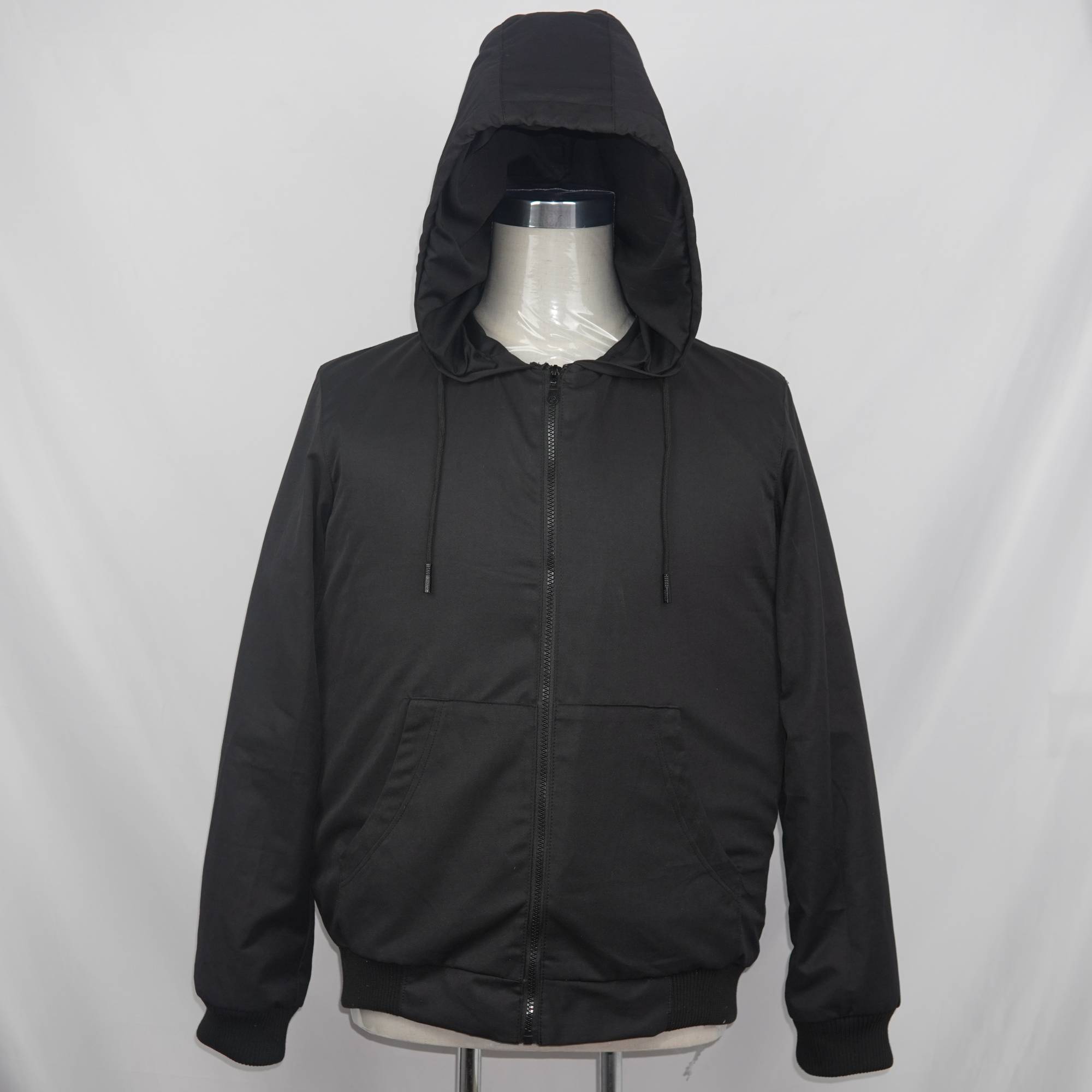
What Are Bulletproof Jackets?
A bulletproof jacket is a piece of body armor designed to protect the wearer from bullets and other projectiles. It covers the chest and sometimes the back and sides. The main goal is to reduce the risk of injury by stopping or slowing down bullets before they reach the body.
Bulletproof jackets use advanced materials to create a strong barrier. These materials include kevlar, ultra-high-molecular-weight polyethylene, ceramics, and metals. Each layer works together to absorb and spread out the energy from a bullet. This process helps prevent the bullet from penetrating the vest.
Bulletproof Jacket Materials
Bulletproof jackets use several advanced materials to provide protection. Each material has special properties that help stop bullets and keep the wearer safe. The main materials include kevlar and aramid fibers, UHMWPE, ceramics, and metals. These materials work together to create layers of protection in bulletproof vests.
Kevlar And Aramid Fibers
Kevlar is a strong synthetic fiber. It is one of the most common materials in bulletproof vests. Aramid fibers are similar to kevlar and also provide high strength. These fibers are tightly woven to form a tough fabric. This fabric can catch and slow down bullets.
Kevlar has a high strength-to-weight ratio. This means it is very strong but does not add much weight to the vest. The light weight makes the vest comfortable to wear for long periods. Kevlar and aramid fibers are flexible, so they allow the wearer to move easily. These fibers also resist heat and do not break down quickly. This gives the vest good durability.
Note: Kevlar and aramid fibers are used in soft armor. They are best for stopping handgun bullets and other low-velocity threats.
The main advantages of kevlar and aramid fibers are:
- High strength for better protection
- Low weight for comfort
- Flexibility for easy movement
- Good durability for long-lasting armor
UHMWPE
UHMWPE stands for ultra-high-molecular-weight polyethylene. This material is a type of plastic with very long chains of molecules. UHMWPE is used in many bulletproof jackets because it is both strong and light.
UHMWPE fibers are woven or layered to form ballistic panels. These panels can absorb and spread out the energy from a bullet. UHMWPE has a higher strength than many other plastics. It also floats on water and does not absorb moisture. This makes the vest lighter and more comfortable in wet conditions.
UHMWPE is often used in both soft and hard armor. It can stop bullets from handguns and some rifles. The material is also resistant to chemicals and UV light. This adds to the durability of the vest.
The main benefits of UHMWPE are:
- High strength for effective ballistic protection
- Very low weight for easy wear
- Good resistance to water and chemicals
- Long-lasting durability
Ceramics And Metals
Ceramics and metals are used in hard armor plates. These materials are added to bulletproof jackets when higher levels of ballistic protection are needed. Ceramics are hard, non-metallic materials that can break up bullets on impact. Metals, such as steel or titanium, can stop bullets by using their high strength.
Ceramic plates are lightweight compared to metals. They can stop high-velocity bullets from rifles. When a bullet hits a ceramic plate, the plate cracks and spreads out the force. This helps protect the body from serious injury. Metal plates are heavier but offer strong protection against many types of bullets.
Tip: Hard armor plates made from ceramics and metals are used in situations where the risk of high-velocity threats is greater.
Here is a table comparing the main materials:
| Material | Strength | Weight | Flexibility | Durability | Best For |
|---|---|---|---|---|---|
| Kevlar/Aramid | High | Low | High | High | Soft armor, handguns |
| UHMWPE | Very High | Very Low | High | High | Soft/hard armor, rifles |
| Ceramics | Very High | Medium/Low | Low | Medium | Hard armor, rifles |
| Metals | Very High | High | Low | High | Hard armor, rifles |
Ceramics and metals provide the highest levels of ballistic protection. They are important for stopping high-velocity bullets. The combination of these materials with kevlar or UHMWPE creates strong layers of protection in bulletproof vests.
Bulletproof jackets use a mix of materials to balance strength, weight, and comfort. The right choice of ballistic material depends on the level of protection needed and the type of threat.

How Bulletproof Jackets Work
Energy Absorption
A bulletproof jacket protects the wearer by absorbing and spreading out the energy from a bullet. When a bullet strikes the vest, the ballistic material inside catches the bullet and slows it down.
The energy from the impact moves through the layers of protection, which helps prevent the bullet from reaching the body. Kevlar and other strong fibers stretch and deform, using their strength to absorb much of the force. This process reduces the risk of injury and increases the durability of the vest.
The main goal of a bulletproof vest is to turn a fast, dangerous bullet into a much slower, less harmful force.
Layering For Protection
Bulletproof vests use multiple layers to increase protection. Each layer has a specific job. The outer shell holds the vest together and shields the inner layers from damage. Inside, several layers of ballistic material work together to stop bullets.
The first layer slows the bullet, while the next layers spread out the force even more. This design gives the vest both flexibility and strength. More layers mean higher levels of ballistic protection, but they can also add weight.
- Outer shell: Protects against wear and tear
- Ballistic layers: Absorb and disperse energy
- Hard armor plates (optional): Stop high-velocity threats
Stopping Power Differences
Different materials affect the stopping power of bulletproof vests. Kevlar and aramid fibers provide strong protection against handgun rounds. UHMWPE offers even greater strength with less weight. Ceramics and metals are used for high-velocity threats, such as rifle bullets.
These hard materials break up the bullet and spread out its energy. The choice of materials and the number of layers determine the levels of ballistic protection. A well-designed vest balances strength, comfort, and durability for the best possible protection.
| Material | Stopping Power | Best Use |
|---|---|---|
| Kevlar | Handgun rounds | Soft armor |
| UHMWPE | Handguns, some rifles | Soft/hard armor |
| Ceramics | High-velocity rifles | Hard armor |
| Metals | High-velocity rifles | Hard armor |
Bulletproof jackets rely on advanced materials and smart layering to keep wearers safe in dangerous situations.
Bulletproof Jacket Construction
Soft Vs. Hard Armor
Bulletproof jackets come in two main types: soft armor and hard armor. Soft armor uses flexible materials that allow easy movement. It is lighter and more comfortable for daily use.
Hard armor includes rigid plates that offer higher protection. These plates can stop stronger threats but add extra weight. People choose between soft and hard armor based on the level of risk they face.
Soft armor is best for protection against handguns. Hard armor is needed for higher-powered firearms.
Layer Structure
The construction of a bulletproof jacket depends on its layer structure. Multiple layers work together to stop bullets. The outer layer protects against cuts and scratches.
Inside, several layers of ballistic material absorb and spread out the force of a bullet. Some jackets include a hard plate in the center for extra defense. The number and type of layers affect how well the jacket performs.
| Layer Type | Purpose |
|---|---|
| Outer Layer | Shields from wear and tear |
| Ballistic Layers | Absorb and disperse energy |
| Hard Plate | Stops high-velocity projectiles |
Comfort And Weight
Comfort and weight play a big role in how effective a bulletproof jacket is. A lighter jacket allows for better movement and less fatigue. Soft armor is usually more comfortable because it bends with the body. Hard armor provides more strength but can feel bulky. Designers try to balance protection with comfort so the wearer can move freely and stay safe.
Tip: Always choose a jacket that fits well and matches your needs for both safety and comfort.
Protection Levels In Bulletproof Vests
NIJ Standards
The National Institute of Justice (NIJ) sets the main standards for bulletproof vest protection. These standards help people understand how much safety a vest can provide. The NIJ rates bulletproof vests by how well they stop different types of bullets.
Each level shows the amount of ballistic protection the vest offers. For example, Level II and Level IIIA vests protect against most handgun threats. Level III and Level IV vests stop rifle bullets and offer higher ballistic strength.
Tip: Always check the NIJ rating before choosing a bulletproof vest. The rating tells you what kind of threats the vest can handle.
Material Choice And Effectiveness
The materials inside a bulletproof vest decide how much protection it gives. Kevlar, UHMWPE, ceramics, and metals are common ballistic materials. Each one has a special role in stopping bullets. Kevlar and UHMWPE work well for soft armor.
Ceramics and metals are used for hard armor plates. The right mix of ballistic material and layers increases the vest’s effectiveness. More layers can mean better protection, but they also add weight. The best vests balance strength, comfort, and ballistic protection.
| NIJ Level | Common Materials Used | Main Threats Stopped |
|---|---|---|
| II | Kevlar, Aramid | Handguns |
| IIIA | Kevlar, UHMWPE | Handguns, some SMGs |
| III | Ceramics, UHMWPE | Rifles |
| IV | Ceramics, Metals | High-powered rifles |
Choosing The Right Vest
Choosing the right bulletproof vest depends on the level of protection needed. Think about the threats you might face. For daily use, a lighter vest with soft armor may be best.
For high-risk situations, a vest with hard armor plates gives more ballistic protection. Comfort and weight also matter. A vest should fit well and not limit movement. Always match the vest’s NIJ rating and materials to your needs.
Note: The best bulletproof vests use advanced materials and smart design to keep wearers safe in many situations.
Conclusion
Material science gives a bulletproof jacket its strength. A bulletproof jacket uses layers of kevlar, ceramics, and other ballistic material to stop threats. These materials absorb and spread out energy for strong protection.
Ballistic protection depends on the right mix of armor and layers. Choosing the best vest means looking at the level of protection needed. Bulletproof vests keep improving as new ballistic materials are developed. Ongoing innovation helps vests stay light, strong, and comfortable.
Key points:
- Ballistic materials like kevlar and ceramics provide protection.
- Layering increases ballistic protection in bulletproof vests.
- Material choice affects comfort and safety.
The future of bulletproof protection relies on better materials and smarter design.